One year ago this week, a rebel offensive swept through Syria with a speed that stunned even the most optimistic analysts, ending the al-Assad dynasty's 53-year grip on power in a matter of days rather than the months or years that most military planners had predicted. The anniversary arrives alongside a development that would have been unthinkable twelve months ago: the United States has permanently lifted its comprehensive sanctions regime on Syria, a decision that effectively reintegrates the country into the global financial system after decades of isolation.
The sanctions removal, confirmed by the State Department on Monday, represents Washington's clearest acknowledgment yet that Syria's transitional government has met the conditions the U.S. set for normalization. Joshua Landis, director of the Center for Middle East Studies at the University of Oklahoma and one of the most-cited Syria scholars in American academia, told Al Jazeera that the decision "closes the chapter on American policy that treated Syria exclusively as a problem to be contained. Whether the next chapter is any better depends entirely on what Damascus does with this opening."
The Scale of What Was Lost
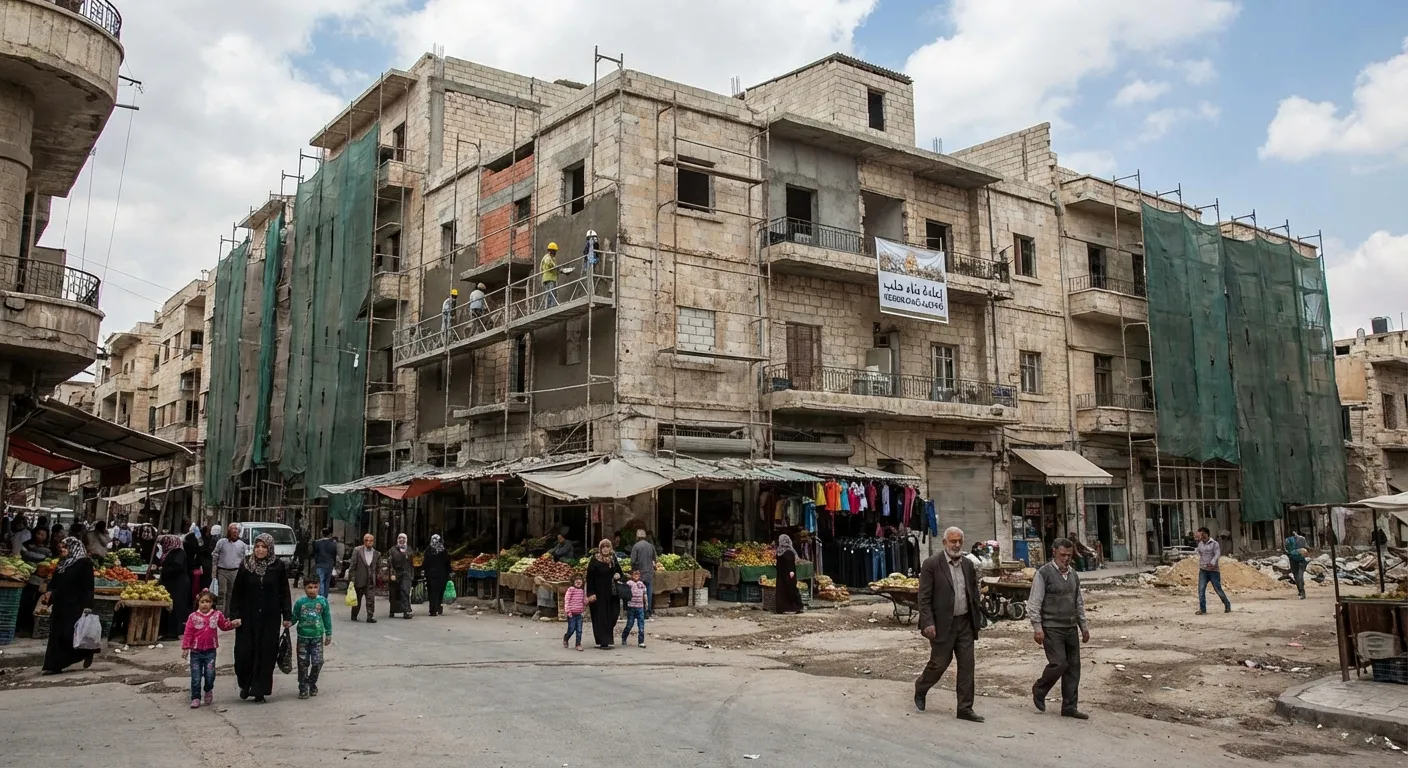
The country that is attempting to rebuild suffered damage that defies easy comprehension. The World Bank's most recent assessment, published in October 2025, estimated total physical destruction from the civil war at $278 billion, a figure that exceeds Syria's pre-war GDP by a factor of seven. The UN estimates that 306,000 civilians died in the conflict between 2011 and 2024, though independent researchers at the Syrian Network for Human Rights put the number closer to 500,000 when accounting for unregistered deaths in besieged areas.
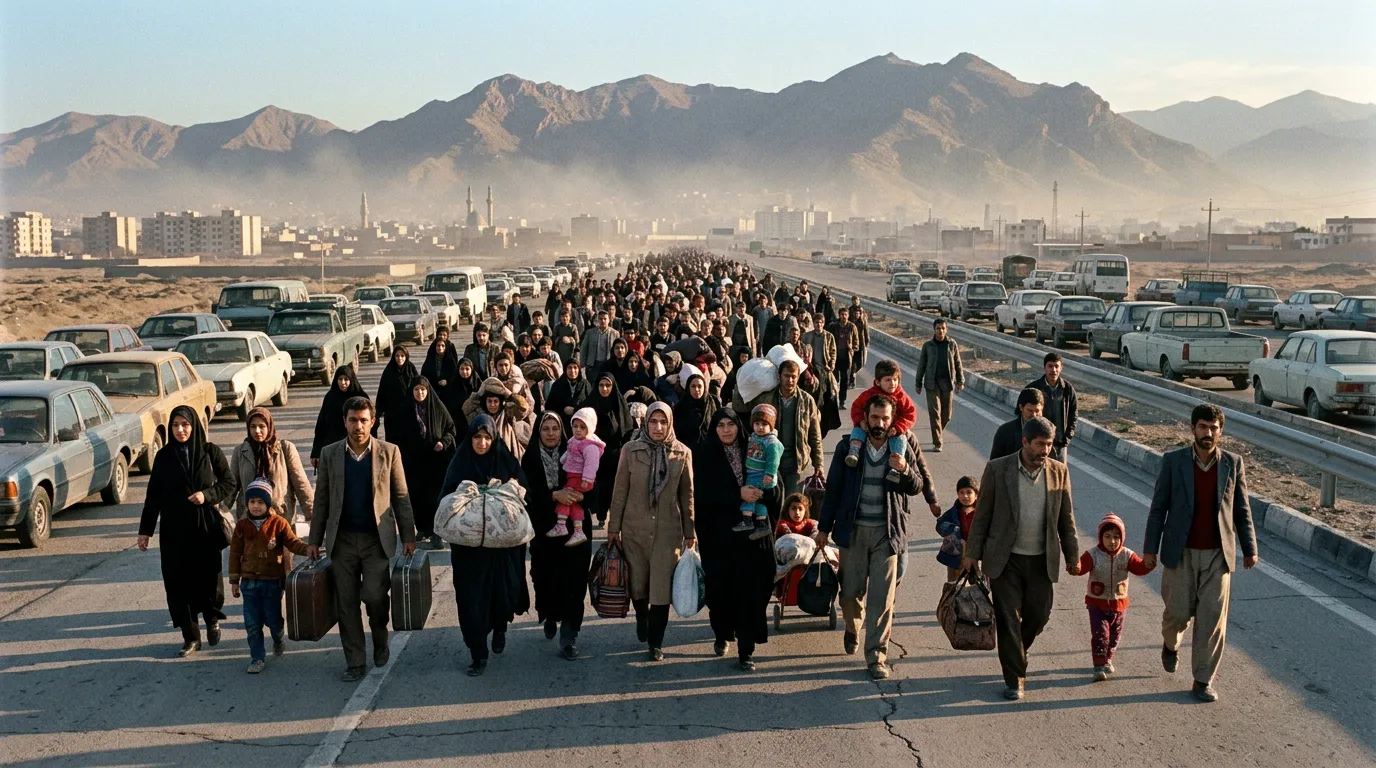
Roughly 6.7 million Syrians remain internally displaced, and another 5.4 million live as refugees in neighboring countries, primarily Turkey, Lebanon, and Jordan. Entire city districts in Aleppo, Homs, and the suburbs of Damascus were reduced to rubble during years of aerial bombardment and ground combat. The educational system lost a generation: UNICEF reported that 2.4 million Syrian children were out of school at the conflict's peak.
What Sanctions Removal Actually Changes
American sanctions on Syria accumulated in layers over decades, beginning with the Syria Accountability Act of 2003 and expanding dramatically during the civil war as the Obama and Trump administrations imposed additional restrictions in response to chemical weapons attacks and mass civilian casualties. The cumulative effect was to cut Syria off from the global banking system, prohibit virtually all trade with American entities, and create secondary sanctions risk for any foreign company doing business with Damascus.
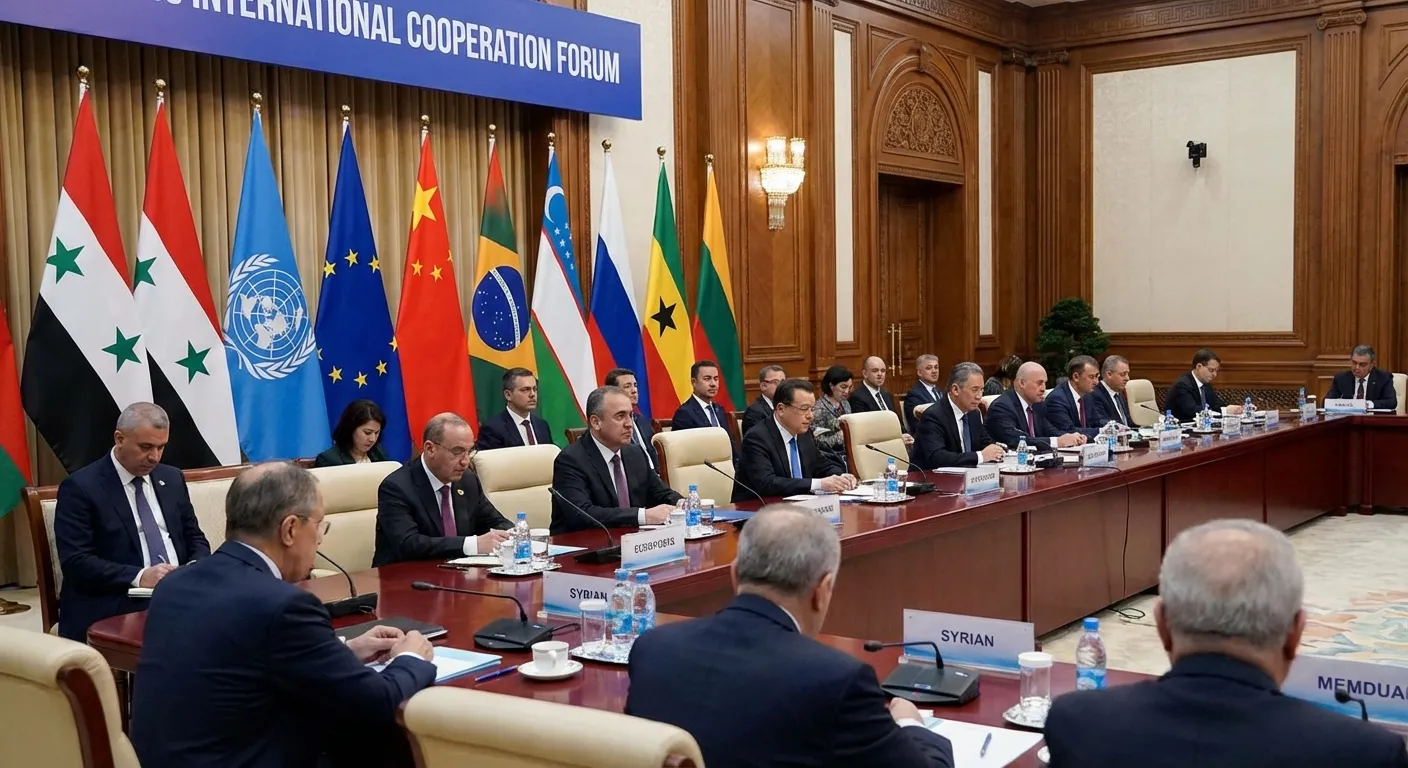
Removing these restrictions opens pathways that had been sealed for years. Syrian banks can now access the SWIFT international payment network. Foreign companies can invest in Syrian reconstruction without fear of U.S. enforcement action. Remittances from the Syrian diaspora, estimated by the World Bank at $1.8 billion annually even under sanctions, can now flow through formal banking channels rather than informal and more expensive hawala networks.
The practical impact will take time to materialize. International investors remain cautious about a country with minimal rule of law, an undeveloped regulatory framework, and enormous infrastructure gaps. Firas Abi Ali, head of Middle East and North Africa analysis at the consultancy Verisk Maplecroft, told the Financial Times that "sanctions removal is a necessary condition for reconstruction, but it is nowhere near sufficient. The hard work of building institutions that investors can trust has barely begun."
The Refugee Question No One Has Solved
The anniversary has forced an uncomfortable reckoning with one of the conflict's most visible legacies. Turkey, which hosts approximately 3.2 million Syrian refugees, the largest population of any country, has intensified pressure for returns. President Erdogan has framed refugee repatriation as a domestic political priority, and Turkish border authorities have facilitated organized return convoys since the summer.
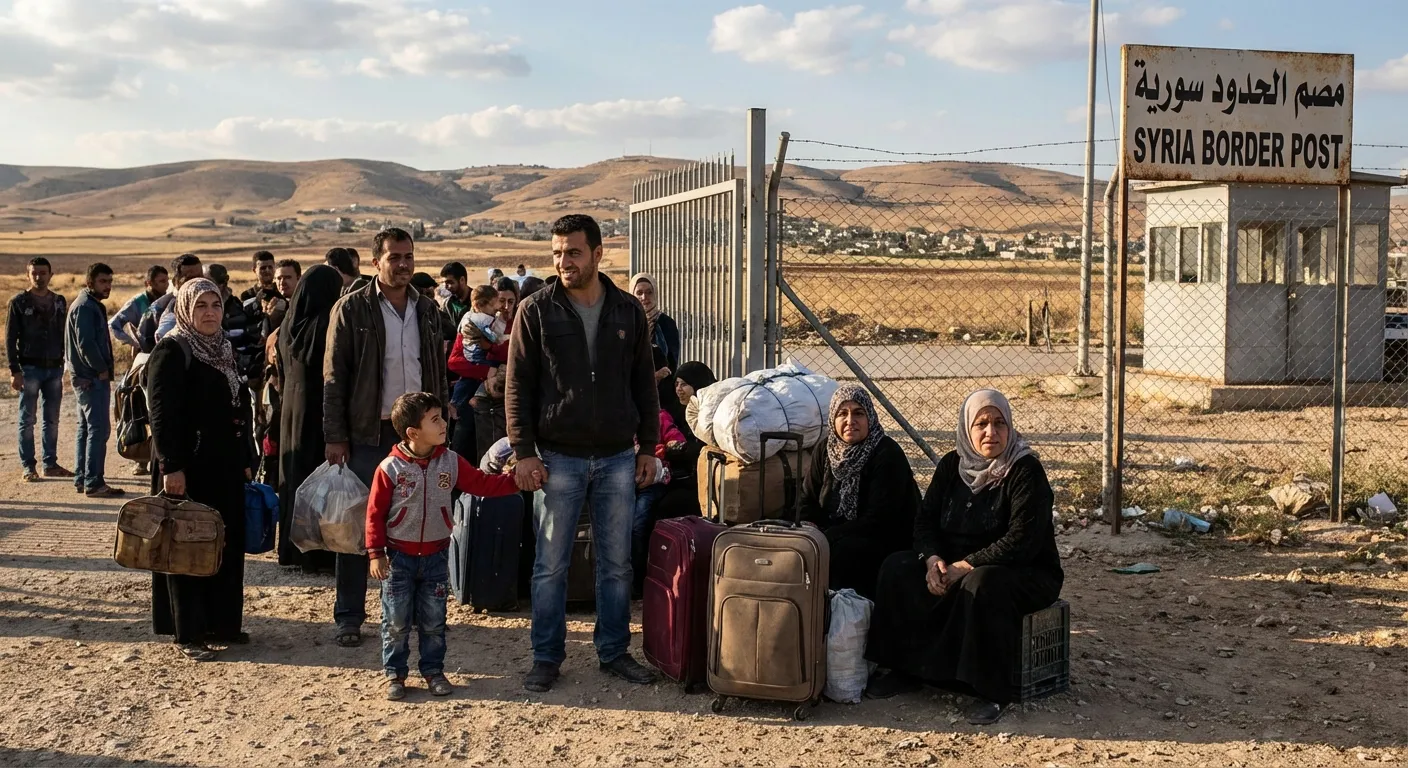
UNHCR estimates that approximately 370,000 refugees returned to Syria during the first year after Assad's fall, the largest annual return figure since the conflict began but still a fraction of the 5.4 million living abroad. The vast majority of returnees came from Turkey, where political pressure has been most acute, while returns from Lebanon and Jordan remained modest. But conditions in many parts of Syria remain far from adequate for large-scale return. Housing has been destroyed, employment is scarce, and basic services from electricity to healthcare operate at a fraction of pre-war capacity. UNHCR has maintained its position that returns should be voluntary, safe, and dignified, criteria that many advocacy organizations say Syria cannot yet guarantee. The tension between host countries eager to reduce refugee populations and the reality of conditions on the ground remains one of the most politically sensitive aspects of Syria's transition.
Regional Recalibration
Syria's neighbors are adjusting to a post-Assad strategic landscape that none had fully planned for. Turkey, which invested heavily in Syrian opposition groups during the civil war, is negotiating the terms of its military withdrawal from buffer zones in northern Syria while simultaneously pressing its case on Kurdish autonomy, an issue where Ankara's interests and Damascus's sovereignty claims collide directly.
Lebanon, whose political and economic crises were deepened by the Syrian conflict through refugee flows and Hezbollah's military involvement, sees potential relief in normalization. The reopening of trade routes and the possibility of reduced cross-border tensions could ease pressure on Lebanon's collapsing economy, though the mechanisms remain uncertain. Israel, which conducted hundreds of airstrikes on Syrian territory during Assad's rule to prevent Iranian weapons transfers to Hezbollah, faces a fundamentally altered threat environment and has signaled cautious openness to dialogue with Damascus.
The Impact
One year after the Assad dynasty's fall, Syria exists in a state that is simultaneously better than pessimists feared and worse than optimists hoped. The feared sectarian bloodbath did not materialize. Governance has been imperfect but functional. International engagement is accelerating. Yet the scale of destruction, the millions still displaced, and the absence of accountability for wartime atrocities create a foundation that is fragile at best. The United States' decision to lift sanctions represents a bet that engagement will produce better outcomes than continued isolation. Whether that bet pays off depends on factors that no single policy decision can control: the willingness of Syria's new leaders to build inclusive institutions, the patience of international donors, and the resilience of a population that has endured more than most nations face in a century.
Sources
- Syria's Post-Conflict Reconstruction Costs Estimated at $216 Billion - World Bank, October 2025
- UNHCR: Historic Return of Displaced Syrians Presents Opportunity and Urgent Challenges - UNHCR, 2025
- How Will the Lifting of US Sanctions Help Syrians Rebuild Their Country? - Al Jazeera, May 2025
- Syria's Promise and Challenges One Year After Assad's Fall - CSIS, December 2025
- SNHR's 14th Annual Report on the State of Human Rights in Syria for the Year 2024 - Syrian Network for Human Rights, May 2025