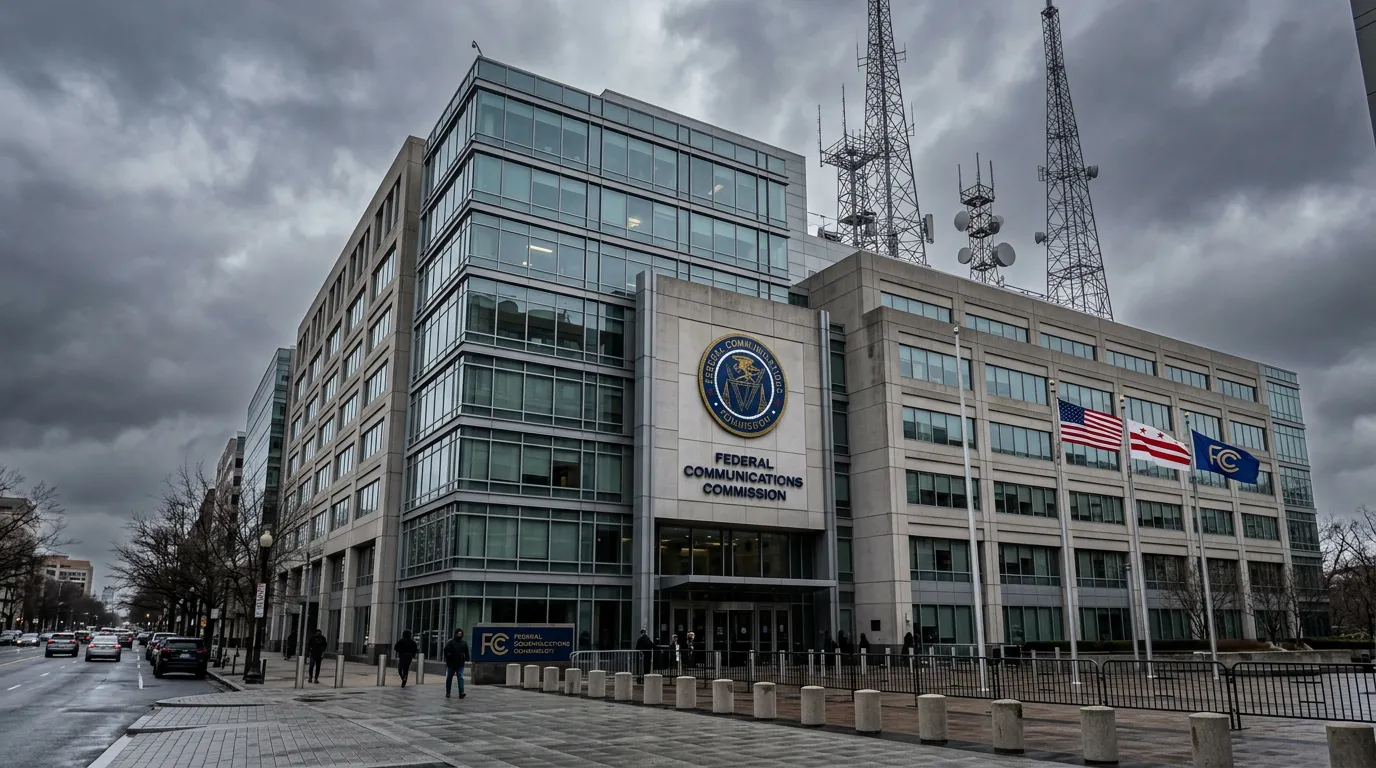
The head of the Federal Communications Commission told American television networks last week that they could lose their broadcast licenses if they do not change their coverage of the war in Iran. FCC Chair Brendan Carr posted on X that "broadcasters that are running hoaxes and news distortions, also known as the fake news, have a chance now to correct course before their license renewals come up." The statement came hours after President Trump called reports that Iranian forces had struck five U.S. tanker planes "fake news," a claim that multiple Pentagon officials subsequently confirmed was accurate reporting. Within 48 hours, Carr's threat had drawn condemnation from Democrats, First Amendment organizations, media law scholars, and at least one prominent Republican senator. The episode is not a routine political skirmish over media bias. It is the most explicit attempt by an FCC chair to use licensing authority as a weapon against news coverage in the agency's 92-year history.
What makes this moment different from previous government complaints about war reporting is the directness. During the Vietnam War, the Nixon administration pressured networks through back channels, leaking to friendly columnists and dispatching Vice President Spiro Agnew to attack the press in speeches. During the Iraq War, the Bush administration embedded reporters and managed access. Neither administration's FCC chair publicly threatened to revoke licenses over specific coverage. Carr did, in writing, on a platform with 2.3 million followers, and the president endorsed the threat the same day.
What Carr Said and What Triggered It
The sequence began on March 13, when multiple news outlets reported that Iranian missiles had struck U.S. KC-46 tanker aircraft on the ground at Al Udeid Air Base in Qatar. The reports cited anonymous U.S. military officials and were consistent with satellite imagery showing damage to the airfield. President Trump called the reports "fake news" during a press conference the following morning, claiming that "no American planes were touched" and that "the media wants us to lose." He did not provide alternative evidence, and the Pentagon's own damage assessment, which later confirmed the strikes had hit the tankers, had not yet been declassified.
Carr's post appeared on X within hours of Trump's press conference. In addition to the warning about "hoaxes and news distortions," Carr wrote that broadcasters receive their licenses "for free" from the American public and that this arrangement carries obligations. He linked to the FCC's public interest standard, a provision of the Communications Act of 1934 that requires licensed broadcasters to operate in the public interest, convenience, and necessity. Carr framed his warning not as an opinion but as a reminder of existing legal obligations, a framing that media law experts immediately challenged.
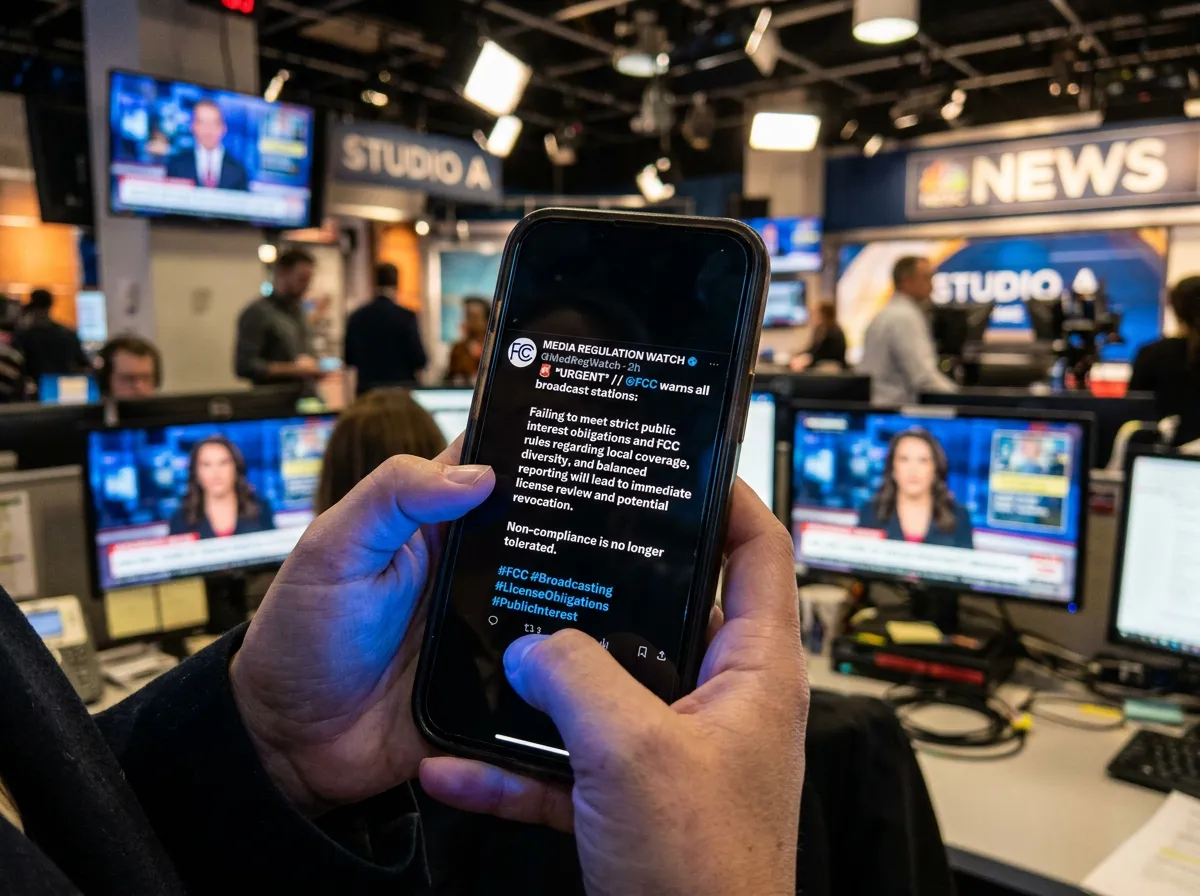
The Radio Television Digital News Association responded with a statement calling Carr's remarks "unconstitutional, full stop," adding that "the First Amendment does not have a carve-out for news the FCC chair finds inconvenient." The Foundation for Individual Rights and Expression called the warning "outrageous" and said that "when the government demands the press become a state mouthpiece under the threat of punishment, something has gone very wrong." CNN, NBC, CBS, and ABC each declined to comment publicly but continued their coverage of the tanker strikes without modification.
The Bipartisan Backlash
The most significant political development was not the expected opposition from Democrats but the criticism from within Trump's own party. Senator Ron Johnson of Wisconsin, a consistent Trump ally on immigration, trade, and judicial nominations, appeared on Fox News's "The Sunday Briefing" and directly rebuked Carr. "I am a big supporter of the First Amendment," Johnson said. "I do not like the heavy-handed government, no matter who is wielding it." He added that the federal government's role "is to protect freedoms and constitutional rights," not to dictate news coverage.
Johnson's comments are notable because he is not a member of the Senate's small anti-Trump faction. He chairs the Homeland Security Committee, has defended the administration's immigration enforcement policies, and voted against the war powers resolution that would have required congressional authorization for continued strikes in Iran. His willingness to publicly break with the administration on this issue signals that Carr's threat has created a political problem that extends beyond the usual partisan lines.
Democrats were more pointed. Senator Ed Markey of Massachusetts called Carr's remarks "totalitarian" and said they amounted to "using the regulatory state to silence journalism during wartime." Representative Adam Schiff introduced a resolution condemning the FCC's statement, though it is unlikely to receive a vote in the Republican-controlled House. Former Representative Marjorie Taylor Greene, who rarely criticizes the administration, also pushed back, stating that "it's the responsibility of journalists and media companies to get the truth out to the American people, and I never want to see the government take control or try to take that away."
The Washington Examiner, a conservative outlet that has broadly supported the Iran campaign, published an analysis warning that Carr's threats could backfire heading into the 2026 midterm elections. The concern among Republican strategists, according to the piece, is that voters who support the war effort will still recoil from what looks like government censorship of the press.
Why the Threat Is Legally Empty (and Why That Doesn't Matter)
Media law scholars have been nearly unanimous in calling Carr's threat unenforceable. The legal obstacles are substantial and layered. First, broadcast licenses do not come up for renewal until late 2028, and the renewal process involves an administrative review that typically takes months or years when contested. The FCC has not denied a license renewal based on news content in modern history. The one notable case, WLBT in Jackson, Mississippi in 1969, involved a station that systematically censored civil rights coverage and refused to air network news segments featuring Black Americans. Even that case took years to resolve.
Second, the FCC's own "news distortion" doctrine, the policy Carr implicitly invoked, has an extraordinarily high evidentiary bar. Since 1969, the Commission has required proof of deliberate intent to distort the news, extrinsic evidence beyond the broadcast itself (such as written directives from station management), direct involvement by station management rather than individual reporters, and a pattern involving a significant event. Reporting based on anonymous military sources that later proved accurate does not come close to meeting this standard. The FCC has invoked the news distortion doctrine only once since 1982, and it has never revoked a license under it.
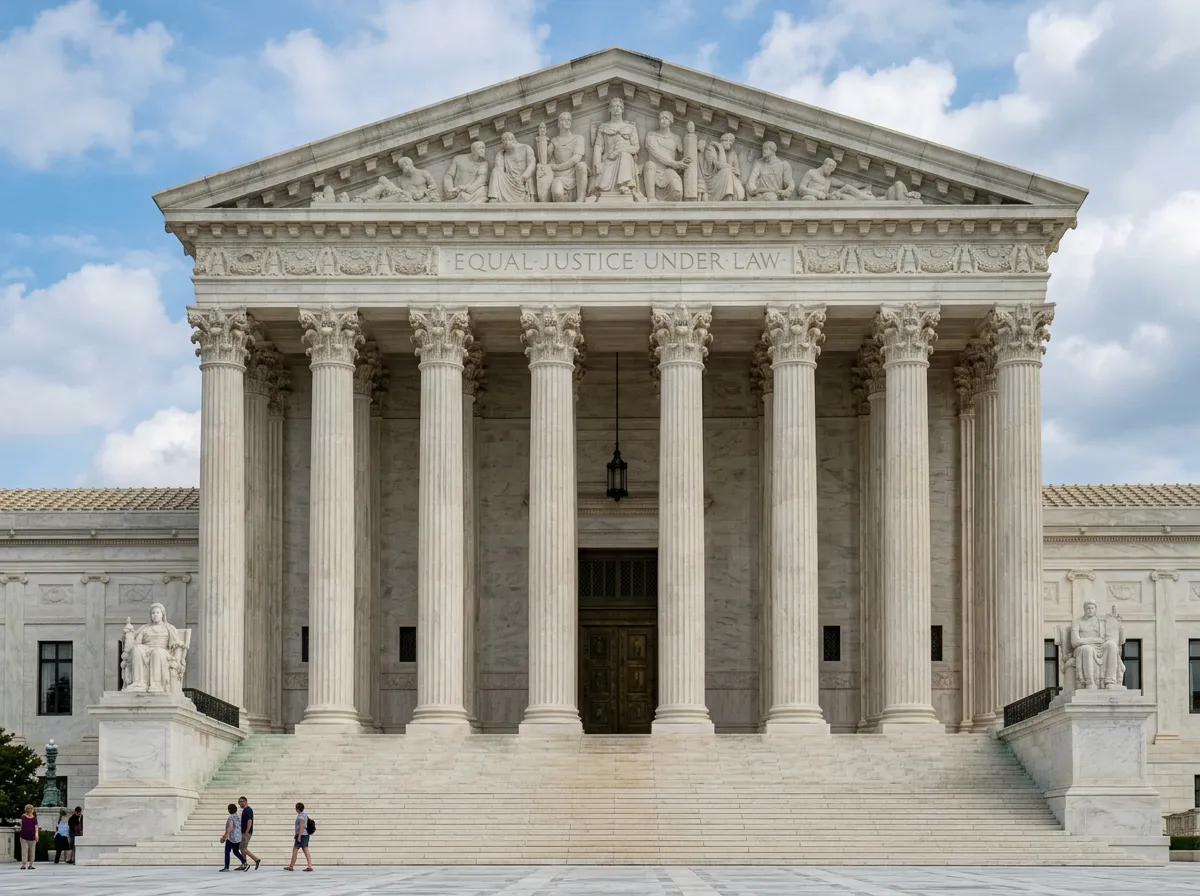
Third, the Supreme Court's 1969 Red Lion Broadcasting decision, which upheld certain FCC content regulations based on the scarcity of broadcast spectrum, has been widely criticized as outdated in an era of cable, satellite, and internet-based news. Multiple justices have signaled interest in revisiting the case, and legal scholars from both the left and right argue that Red Lion's framework does not support using license revocation to punish specific news reports. Yale law professor James Speta wrote in the Yale Journal on Regulation that "the FCC lacks authority to punish broadcasters for their viewpoints" and that Carr's interpretation of the public interest standard "would transform a licensing framework into a censorship regime."
But the legal emptiness of the threat is precisely what makes it effective as a political tool. Carr does not need to actually revoke a license to achieve the desired effect. The threat itself creates what First Amendment scholars call a "chilling effect," a dynamic where news organizations self-censor not because of actual punishment but because of the perceived risk. Broadcasters operate under licenses worth billions of dollars. Even a small probability of regulatory action during a renewal proceeding can influence editorial decisions, particularly at local affiliates that lack the legal resources of their parent networks.
The Nixon Playbook, Updated for Social Media
The historical parallel that best illuminates Carr's actions is not any specific FCC proceeding but the Nixon administration's broader campaign against the press during the Vietnam War. Between 1969 and 1974, the Nixon White House pursued a deliberate strategy to delegitimize critical war coverage. Vice President Agnew attacked the "nattering nabobs of negativism" in network newsrooms. The administration challenged the license renewals of television stations owned by the Washington Post Company, a move widely understood as retaliation for the paper's Watergate reporting. Nixon's FCC chair, Dean Burch, called network executives after unfavorable broadcasts to ask for transcripts, a practice designed to signal that the government was watching.
The differences between then and now are instructive. Nixon's pressure campaign operated through intermediaries and maintained plausible deniability. Burch never publicly threatened license revocations on national television. The Post Company's license challenges were filed through proxies, not announced by the FCC chair on a public platform. Carr has dispensed with these layers of indirection entirely. His threat was posted under his own name, on his own account, and endorsed by the president within hours. The acceleration from quiet pressure to open threats reflects a calculation that the political cost of being seen to intimidate the press has dropped, at least within the current Republican coalition.
This calculation may prove correct in the short term. Polling from the Pew Research Center shows that trust in mainstream media among Republican voters has fallen to 11%, the lowest figure ever recorded. In that environment, threatening broadcasters over war coverage is popular with the base. The question is whether it remains popular with the broader electorate, including the independent and moderate Republican voters who will determine the outcome of the 2026 midterm elections.
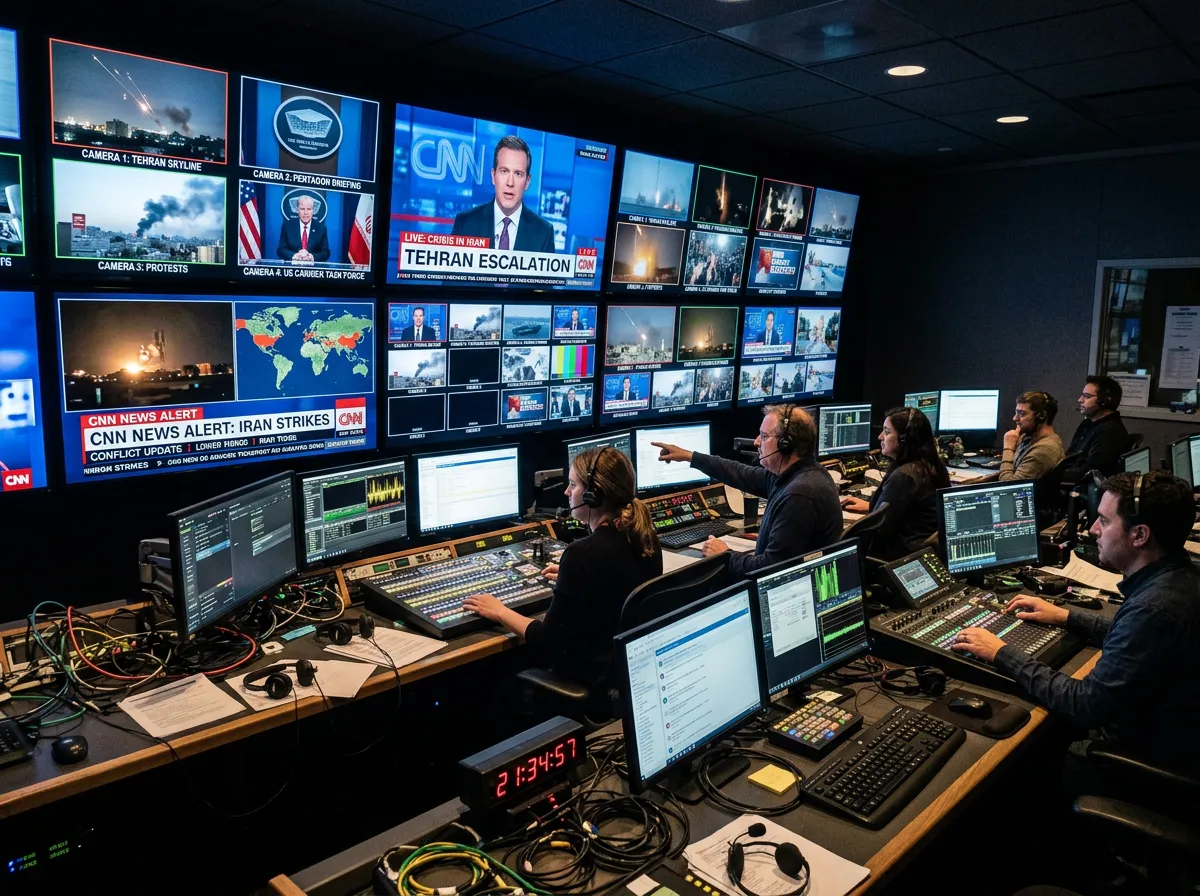
The stakeholder analysis reveals three distinct groups affected by Carr's threat. Network executives at ABC, CBS, NBC, and their parent companies face the most direct pressure, but their legal teams understand the threat is unenforceable and their brands depend on editorial independence. Local broadcast affiliates are more vulnerable: they lack corporate legal departments, operate on thinner margins, and depend more heavily on FCC goodwill for routine regulatory matters beyond license renewals. The third group is the public, which loses access to independent wartime reporting if self-censorship takes hold at any level of the broadcast chain. During the early months of the Iraq War in 2003, network coverage tilted heavily toward administration messaging, a pattern that the networks themselves later acknowledged as a failure. Carr's threat increases the probability of a similar dynamic during the Iran conflict.
What the Press Freedom Organizations Are Warning
The response from press freedom and civil liberties organizations has been swift and pointed. The Foundation for Individual Rights and Expression described Carr's actions as part of a pattern, noting that the FCC chair had previously reopened a news distortion complaint against CBS over its editing of a Kamala Harris interview and had threatened ABC's license over Jimmy Kimmel's on-air comments about conservative commentator Charlie Kirk. FIRE characterized the Iran coverage threat as an escalation from targeting individual segments to targeting an entire category of wartime reporting.
The Committee to Protect Journalists issued a statement calling the FCC's warning "a direct threat to press freedom in the United States" and noting that such government actions against media during wartime "are the hallmarks of authoritarian regimes, not democracies." The American Civil Liberties Union announced it would file a formal complaint with the FCC challenging the legal basis for Carr's statements, arguing that they constitute viewpoint discrimination in violation of the First Amendment and the Communications Act's own prohibition on FCC censorship.
The Reason Foundation, a libertarian think tank, published an analysis arguing that Carr's claim that broadcast licenses are "free" fundamentally misrepresents the licensing framework. Broadcasters pay substantial fees, comply with extensive regulatory requirements, and invest billions in infrastructure. The "free" framing, Reason argued, is designed to suggest that broadcasters owe the government editorial deference in exchange for spectrum access, a proposition that no court has endorsed.
What This Changes
The FCC's threat to broadcasters over Iran war coverage will not result in any license revocation. The legal, procedural, and constitutional barriers are too high, and Carr almost certainly knows this. The threat's purpose is not regulatory action but behavioral modification, and on that front, the early evidence is mixed. The major networks have not altered their coverage. But the real test will come at local affiliates and in the editorial meetings that never produce public records, where the calculation shifts from "can the FCC actually do this" to "do we want to find out."
Three specific outcomes are now likely. First, at least one major legal challenge to the FCC's authority to make content-based licensing threats will be filed before the end of April, most likely by a coalition of press freedom organizations. Second, the bipartisan backlash, particularly Johnson's public rebuke, will prevent the FCC from taking any formal regulatory action against specific broadcasters in the near term. Third, the threat will accelerate the already active legal and scholarly campaign to overturn or narrow the Red Lion precedent, which gives broadcasters weaker First Amendment protections than print or online media. If the Supreme Court agrees to hear such a case in the next two terms, Carr's overreach may inadvertently produce the opposite of his intended result: stronger constitutional protections for broadcast journalism.
The immediate political test arrives in November. If the administration's wartime messaging depends on keeping critical coverage off the air, and voters perceive that effort as censorship rather than accountability, the FCC's threat will have handed Democrats a potent campaign argument about press freedom that transcends partisan media habits. Republican strategists warning about midterm blowback are not concerned about abstract constitutional principles. They are concerned about swing-district voters who support the troops but do not support the government telling reporters what they can say about the war.
Sources
- NPR: FCC chair threatens broadcasters' licenses over negative coverage of the war in Iran
- The Hill: Senate Republican rebukes Carr's threats to revoke broadcast licenses over Iran coverage
- CNBC: Democrats blast FCC Chair Carr's broadcast license threats as anti-First Amendment, 'totalitarian'
- Yale Journal on Regulation: The FCC Lacks Authority to Punish Broadcasters for Their Viewpoints
- CNN: FCC chair threatens TV networks amid Iran war coverage