On January 14, a staff member at Camp East Montana dialed 911 to report that a 36-year-old Nicaraguan man had died by suicide just days after being detained while working in Minnesota. Weeks later, a medical examiner ruled another death at the facility a homicide caused by asphyxia. Between those two events, emergency dispatchers in El Paso, Texas, fielded calls about seizures, assaults, untreated infections, and a pregnant woman in severe pain who also had COVID-19. None of these incidents made national headlines when they occurred. They are surfacing now because the Associated Press obtained recordings and data from more than 130 emergency calls placed from the camp since it opened in mid-August 2025, and the picture they paint is one of a facility in sustained crisis.
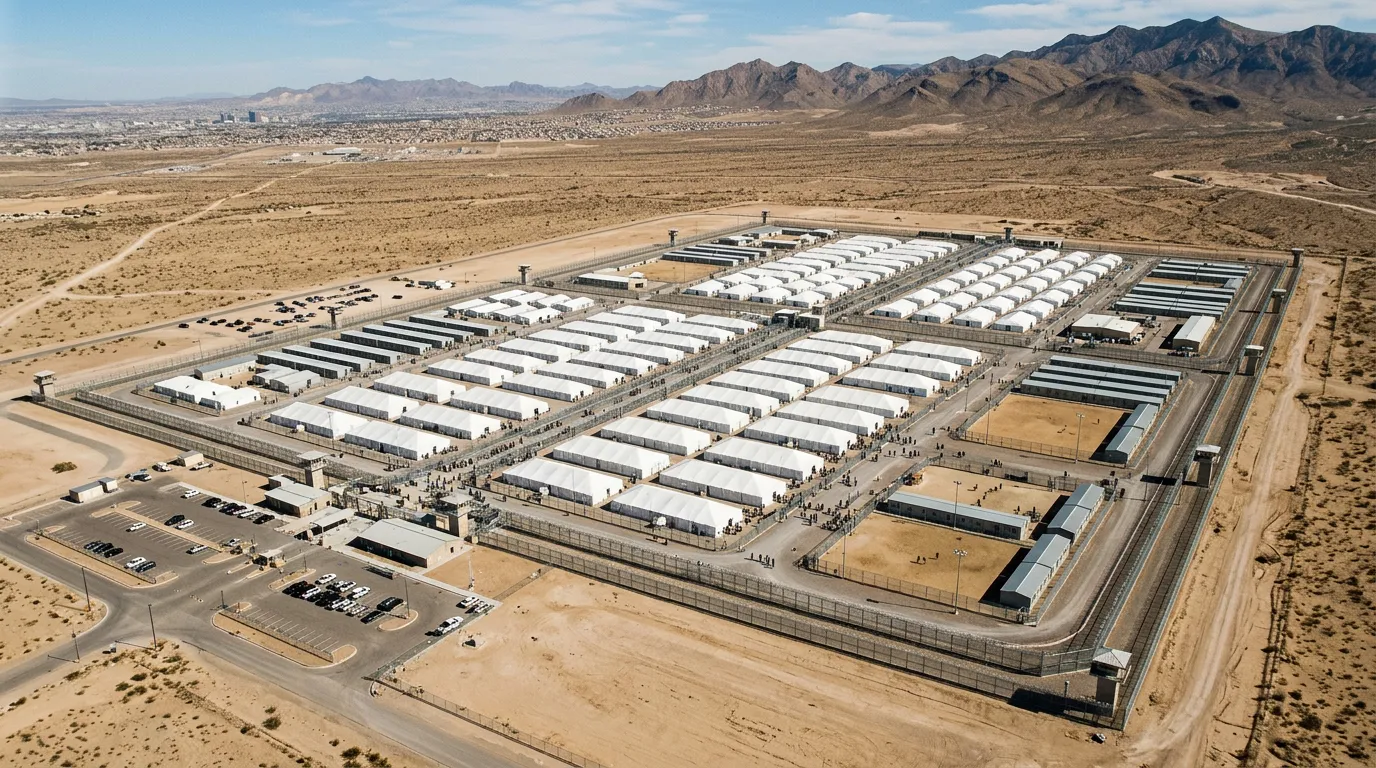
Camp East Montana is the largest immigration detention center in the United States, housing roughly 3,000 people per day in a sprawling compound of tents and prefabricated structures outside El Paso. It was built and is operated by Acquisition Logistics LLC under a contract worth up to $1.3 billion. The AP's investigation, corroborated by interviews with current and former detainees and court filings, reveals a facility where the pace of emergencies has averaged nearly one 911 call per day since the camp opened.
One Call Per Day: What the Emergency Data Shows
The 130-plus 911 calls obtained by the AP span the first five months of Camp East Montana's operation, from mid-August 2025 through January 2026. The calls document a range of emergencies that would be alarming at any correctional facility but are especially striking at one designed to hold civil immigration detainees, not criminal inmates. Suicide attempts appear repeatedly. So do assaults between detainees, seizures, and cases of acute medical distress where staff could not provide adequate care on-site.
In one recording, a man can be heard sobbing after being attacked by another detainee. In another, staff describe a person banging his head against a wall after expressing suicidal thoughts. The frequency of these calls, nearly one per day, suggests not isolated incidents but a systemic pattern. A facility operating at this emergency rate in any other context would trigger immediate regulatory scrutiny. The camp is currently closed to visitors until at least March 19 because of a measles outbreak, further limiting outside oversight.
The Washington Post reported that the calls reveal "frequent emergencies including suicide attempts, assaults, seizures, and untreated medical issues among detainees, who describe unsanitary quarters where diseases spread easily." What makes the data particularly damning is its consistency. The emergency rate did not spike and then decline as the facility found its footing. It remained steady, indicating that the conditions generating these crises are structural, not transitional.
The Oversight Gap: Why No One Was Watching
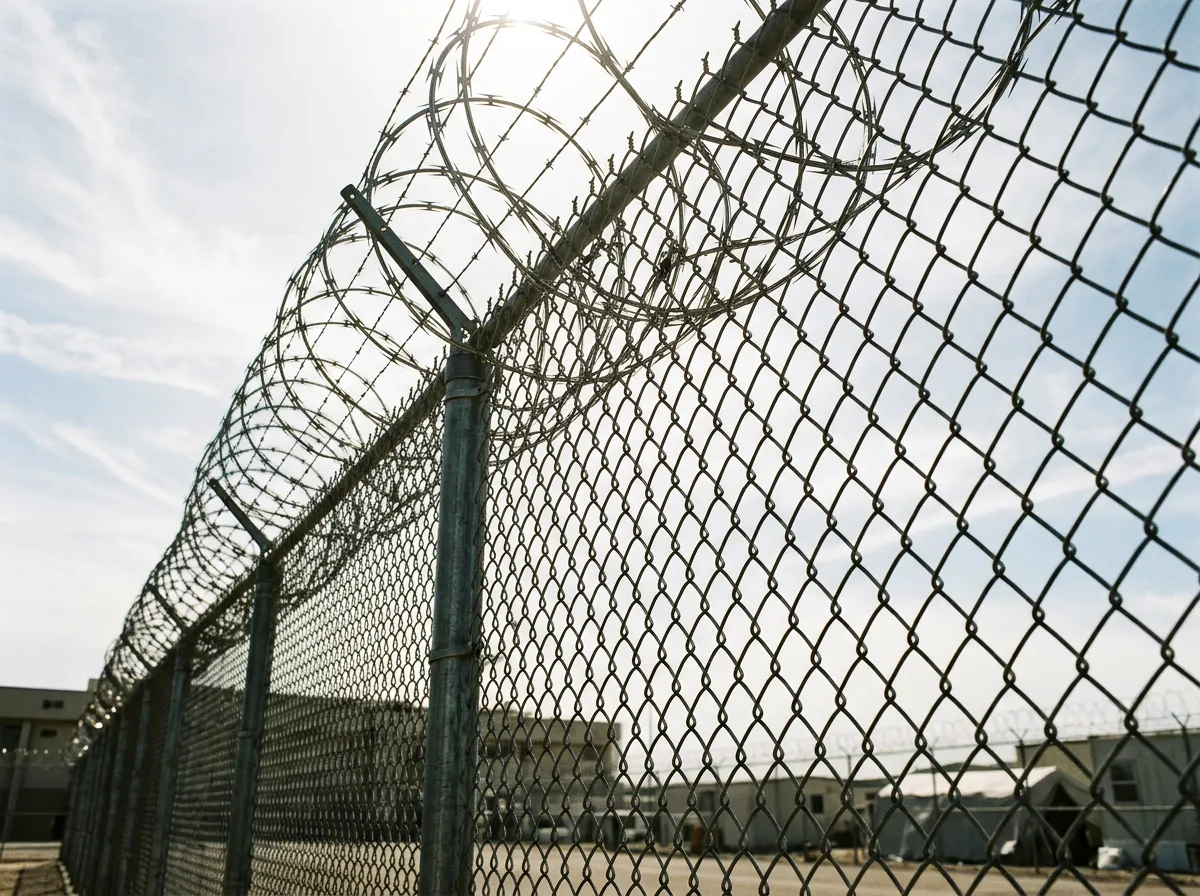
Congresswoman Veronica Escobar has called for a formal investigation into Acquisition Logistics LLC, the private contractor running Camp East Montana. But her call highlights a deeper problem: the oversight mechanisms that should have caught these issues months ago either did not exist or were deliberately circumvented. The camp has been closed to congressional delegations, media, and independent monitors for extended periods, most recently due to the measles outbreak. This pattern of restricted access is not unique to Camp East Montana, but the scale of the facility makes the consequences more severe.
The contractor model itself creates an accountability vacuum. ICE sets detention standards but relies on contractors to implement them, and enforcement has historically been inconsistent. A 2024 report from the Department of Homeland Security's Office of Inspector General found that nearly 40% of ICE detention facilities had deficiencies in medical care. Camp East Montana, built rapidly to expand detention capacity, appears to have inherited and amplified these systemic weaknesses. Current and former detainees describe a camp where obtaining basic health care requires repeated requests, where food is insufficient, and where security guards have been known to use force to suppress disturbances.
The $1.3 billion contract awarded to Acquisition Logistics LLC raises its own questions. The company was not among the established players in immigration detention contracting, and the speed of the camp's construction, from contract award to operational capacity in roughly four months, left little time for the kind of infrastructure development that might have prevented the conditions now documented in those 911 calls.
Guantanamo, Abu Ghraib, and the Predictable Arc of Unmonitored Detention
The pattern emerging from Camp East Montana is not unprecedented, and that is precisely what makes it so concerning. When detention facilities are built rapidly, operated with restricted outside access, and run by contractors with limited accountability structures, the trajectory toward abuse follows a remarkably consistent arc. The comparison is not to the specific acts committed at Abu Ghraib or the legal black hole of Guantanamo Bay, but to the institutional dynamics that allowed those abuses to develop and persist.
In each case, three conditions preceded the worst outcomes: physical isolation from oversight bodies, a contractor or military chain of command that incentivized control over care, and a political environment that discouraged scrutiny. Camp East Montana exhibits all three. The facility is geographically remote. The contractor's revenue model is tied to capacity, not outcomes. And the current political environment around immigration enforcement has made congressional oversight of detention conditions a partisan issue rather than a bipartisan obligation.
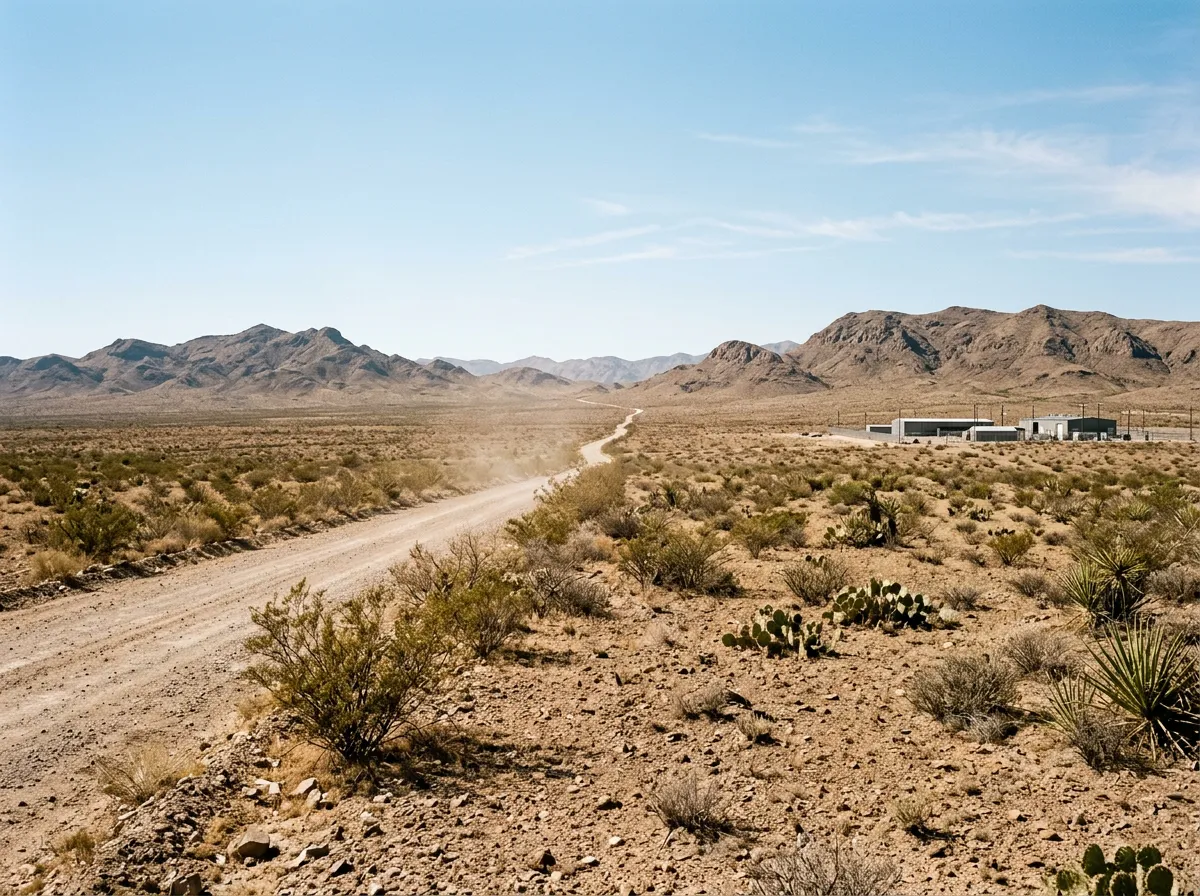
What distinguishes Camp East Montana from those earlier cases is the speed at which the warning signs have appeared. Abu Ghraib's abuses unfolded over months before photographs surfaced. The worst conditions at Guantanamo developed across years. Camp East Montana has been open for barely seven months, and the emergency data already shows a facility where people are dying, being assaulted, and attempting suicide at rates that would constitute a crisis in any comparable institution. The historical parallel suggests that without intervention, these conditions will worsen, not stabilize. Detention facilities that start badly do not self-correct. They require external pressure, either from courts, congressional oversight, or sustained public attention, to change course.
The AP's data provides the kind of documentary evidence that has historically preceded reform. Whether that reform happens depends entirely on whether the political will exists to act on it.
What Detainees and Their Advocates Are Saying
The voices from inside Camp East Montana describe conditions that go beyond the emergency data. Current and former detainees interviewed by the AP and the Washington Post describe overcrowded quarters where diseases spread rapidly, meals that leave them hungry, and a pervasive sense of fear. One detainee told the AP the conditions were "worse than a prison," a phrase that has become the headline across dozens of outlets carrying the investigation.
Immigration attorneys working with detainees at the facility have filed multiple complaints about access to legal counsel. Several report that clients have been moved between facilities without notice, disrupting ongoing legal proceedings. The American Civil Liberties Union has called for an independent investigation, arguing that ICE's internal review processes are insufficient given the severity of the documented conditions.
The Trump administration has defended Camp East Montana as a necessary expansion of detention capacity, pointing to the volume of border crossings as justification for rapid facility construction. ICE spokesperson Naree Ketudat stated that the agency "takes the health and safety of those in our custody seriously" and that "appropriate medical care is available at all facilities." That statement is difficult to reconcile with a facility averaging one emergency 911 call per day and two confirmed deaths in its first five months.
The Contractor Question No One Is Answering
Acquisition Logistics LLC is not a household name in immigration detention. The major players in the field, CoreCivic and GEO Group, have decades of experience operating federal detention facilities. Acquisition Logistics was awarded the Camp East Montana contract through a process that immigration policy researchers have described as unusually rapid. The company's prior government contracting experience was primarily in logistics and supply chain management, not facility operations involving the care and custody of thousands of people.
This matters because detention operations require specialized expertise. Medical staffing, mental health services, food service at scale, and security protocols for a population that includes asylum seekers, families, and individuals with serious medical conditions are not problems that general logistics companies are equipped to solve. The $1.3 billion contract is one of the largest single awards in ICE's history, and the AP's investigation raises serious questions about whether the selection process adequately evaluated the contractor's capacity to manage a facility of this scale and complexity.
Congressional oversight of the contract has been limited. Representative Escobar has requested documents related to the procurement process, but the administration has not complied. Until those documents are made public, the question of why a logistics company was chosen to operate the nation's largest detention facility, and whether the contract includes meaningful performance benchmarks tied to detainee welfare, will remain unanswered.
The Bigger Story
The AP's investigation into Camp East Montana is not just a story about one facility. It is a stress test of whether the United States has the institutional capacity to detain thousands of people humanely, and the early results suggest it does not. The emergency data, the deaths, and the conditions described by detainees all point to a system where the political demand to expand detention has outpaced the infrastructure, oversight, and expertise required to operate it responsibly.
The specific indicator to watch is legal action. At least three federal lawsuits challenging conditions at the camp are currently pending, and immigration attorneys say more are being prepared. If the courts intervene with injunctive relief, as they did with family separation facilities in 2018, the administration will face a choice between reforming Camp East Montana or defending its current operations in court. Based on the documented pattern of emergency calls and deaths, a court-ordered intervention is likely within the next 90 days. The question is not whether conditions at this facility will receive formal legal scrutiny but whether that scrutiny will come soon enough to prevent additional deaths.
Sources
- Associated Press: "Worse than a prison": 911 calls, interviews reveal problems at ICE's largest detention camp
- Washington Post: Attempted suicides, fights, pain: 911 calls reveal misery at ICE's largest detention facility
- Just Security: Early Edition, March 6, 2026
- CNN: Everything we know on the seventh day of the US and Israel's war with Iran