The United States is now a week into a bombing campaign against Iran, and Congress has decided, twice, that it does not want to weigh in. The Senate voted 53-47 on Tuesday to reject a war powers resolution that would have required the president to seek congressional authorization before continuing military operations. The House followed with its own failed vote on Wednesday. Together, the two defeats mark the most significant congressional deference on military action since the 2001 Authorization for Use of Military Force, and the consequences of that earlier blank check are worth remembering.
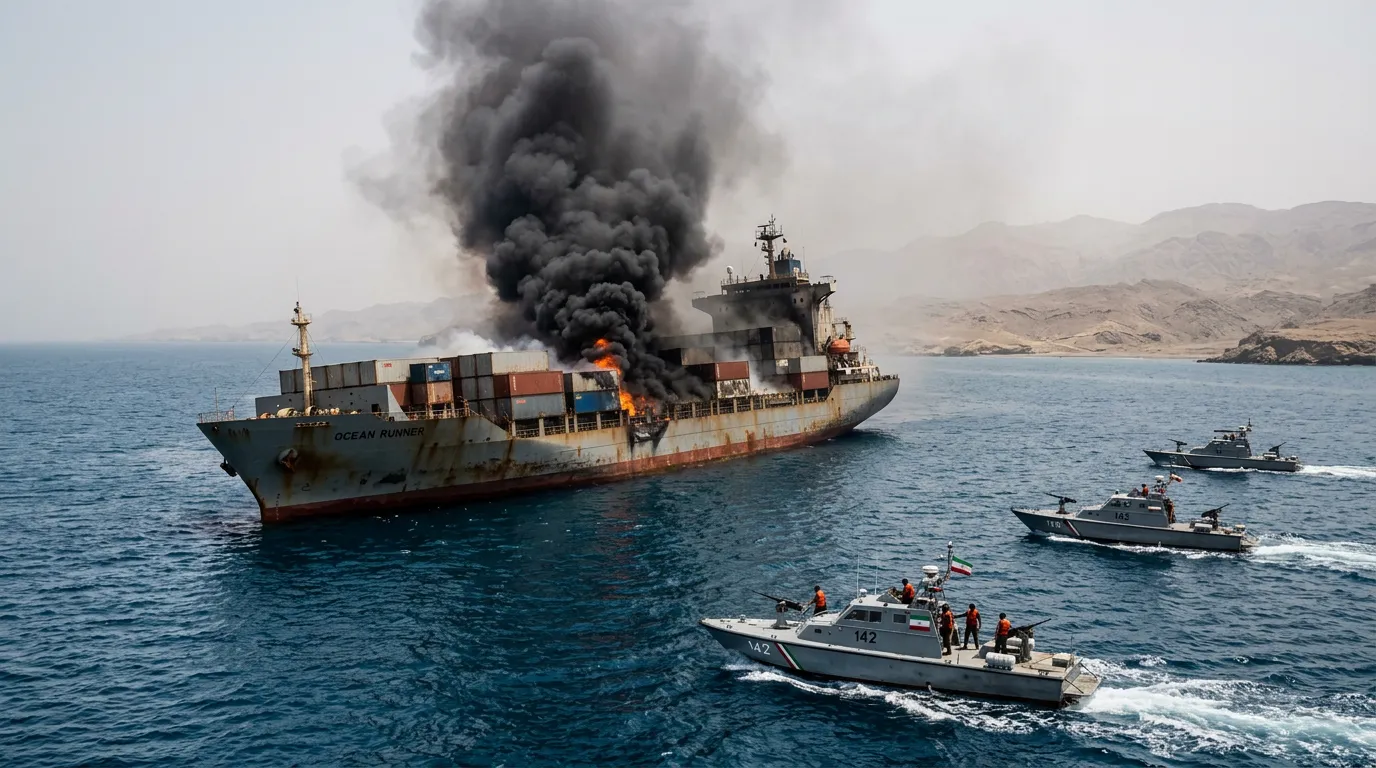
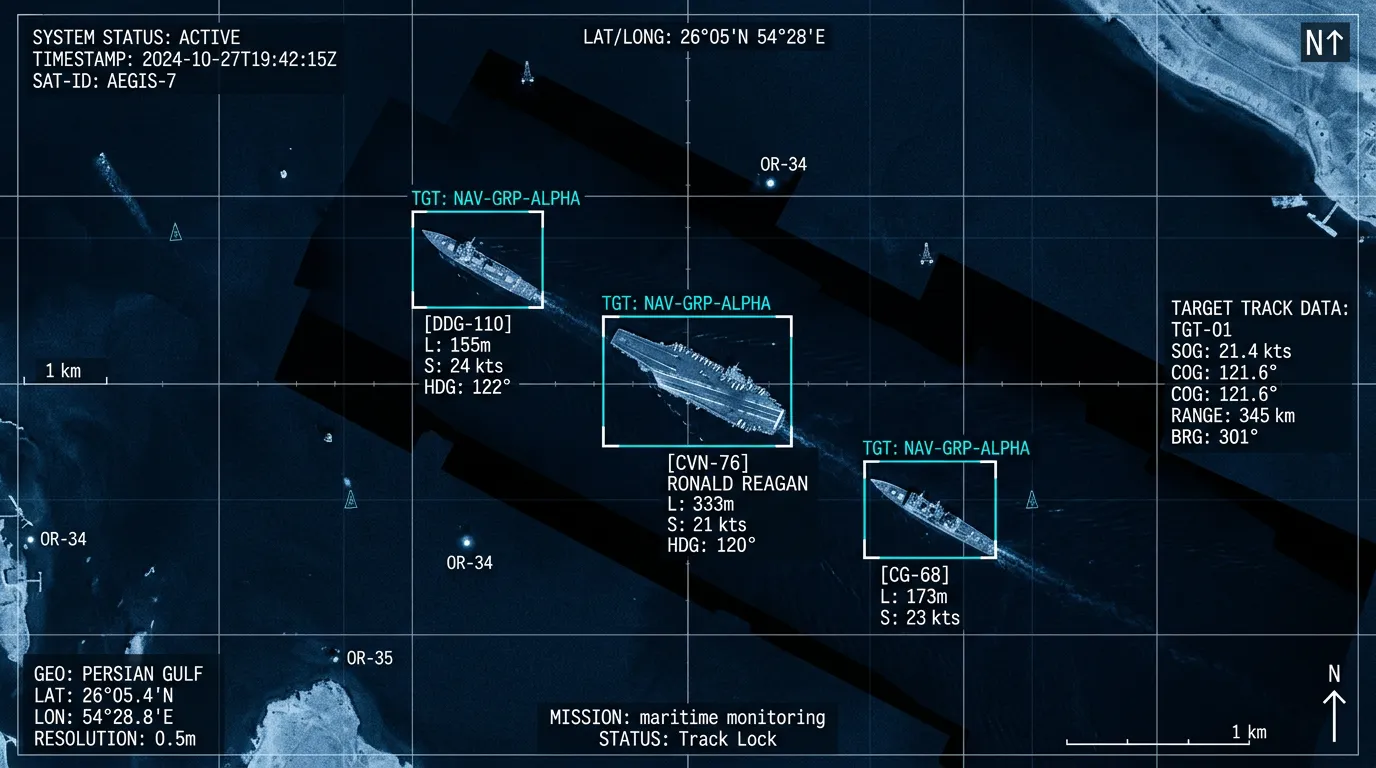
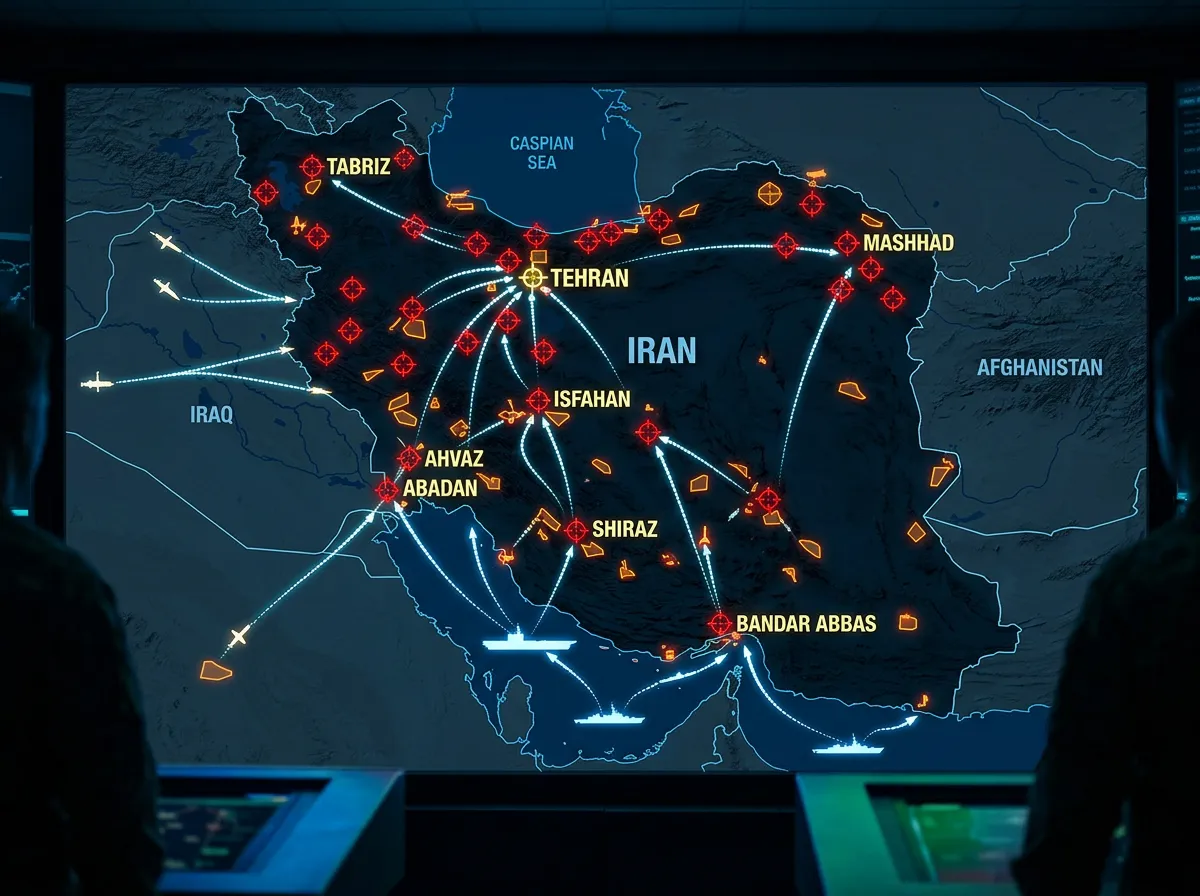
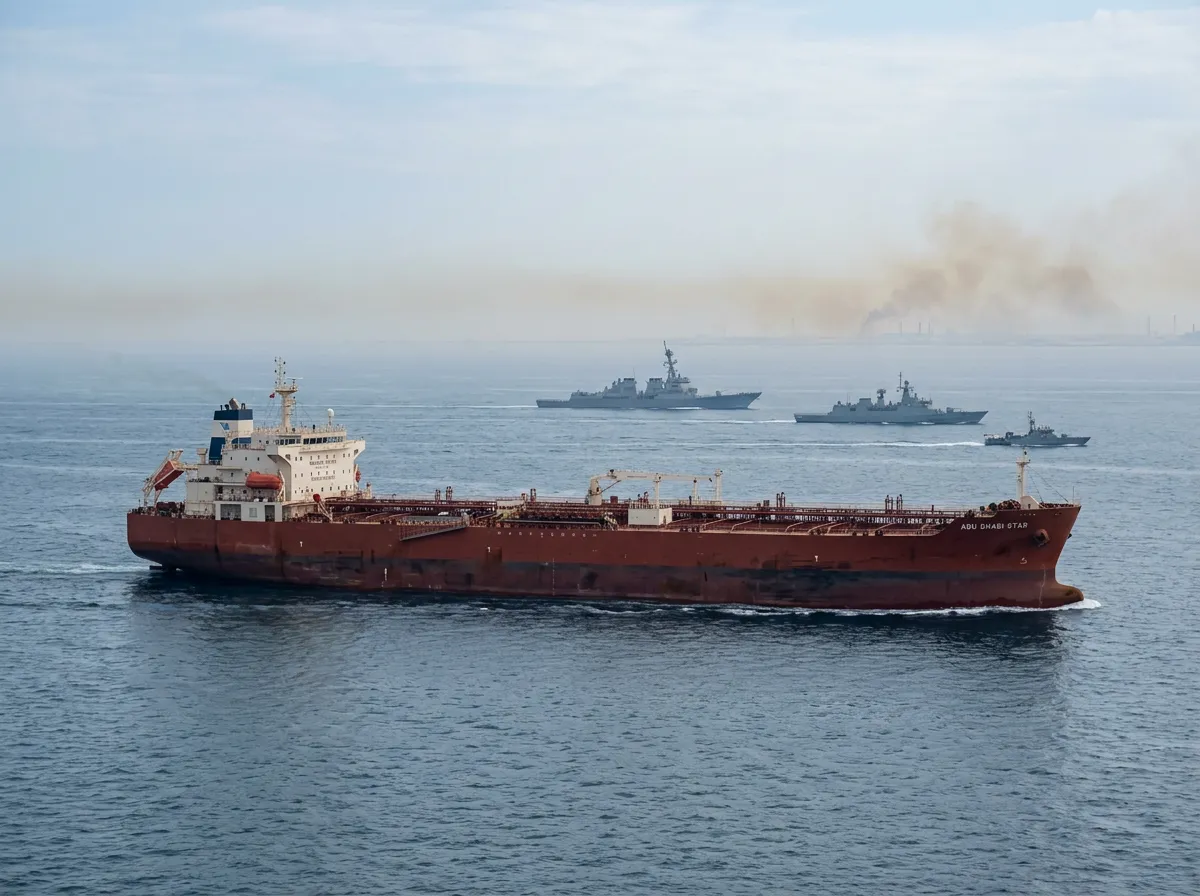
The failed votes came as US and Israeli forces carried out over 2,500 strikes with more than 6,000 weapons across Iran, hitting 153 cities and over 500 sites since Saturday. At least 787 people have been killed. Israel's military chief announced the campaign is moving to its "next phase," targeting what he described as regime infrastructure in Tehran. The Pentagon reported that Iranian ballistic missile attacks have decreased by 90% and drone attacks by 83%, while US strikes against the Iranian Navy have intensified, sinking 30 ships.
53 Votes and a Constitutional Gray Zone
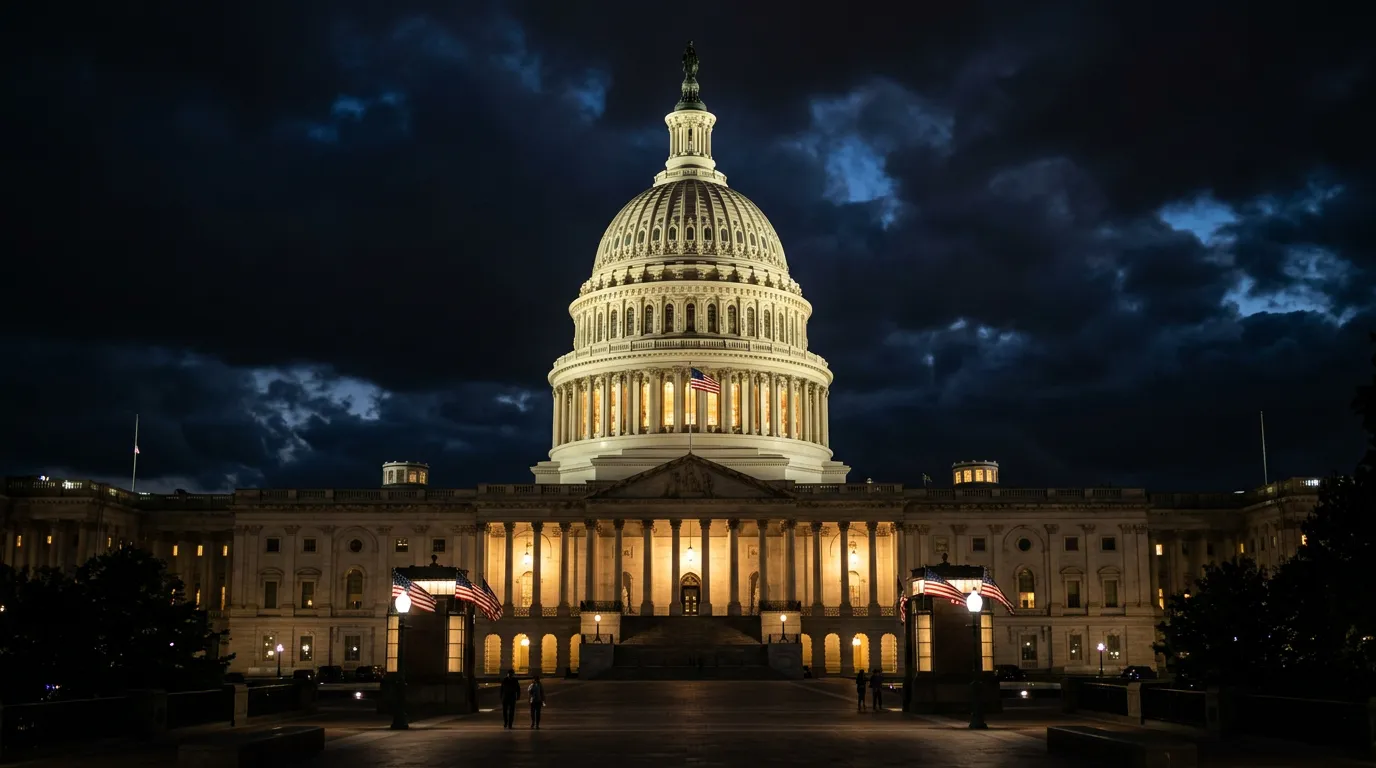
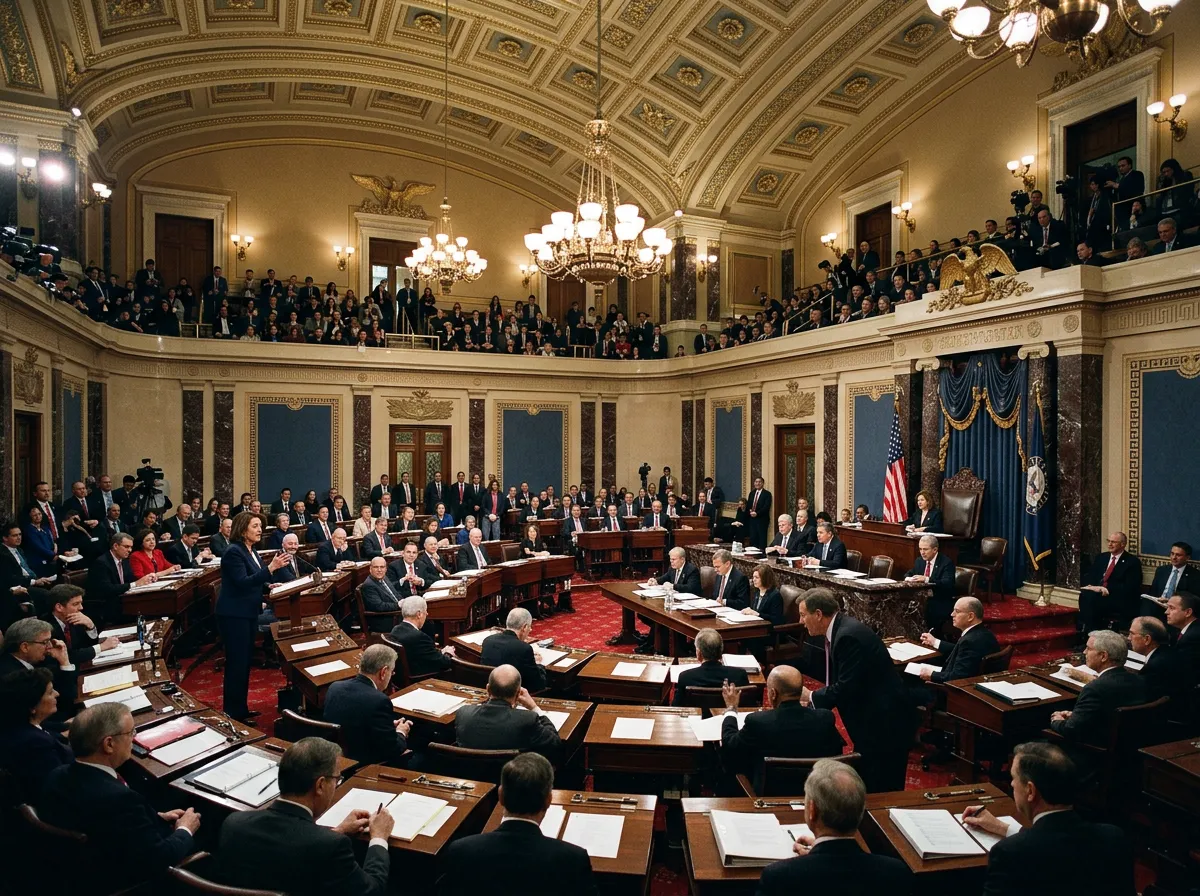
The Senate resolution, sponsored by Democratic members, would have invoked the War Powers Resolution of 1973 to demand that the president obtain congressional approval before any further strikes. The 47-53 vote fell largely along partisan lines, with no Republican senators crossing the aisle. The legislation represented Congress's clearest opportunity to assert its constitutional authority over declarations of war, an authority that has eroded steadily since the Korean War.
What makes this vote particularly notable is the shifting justification problem. The administration initially framed the strikes as a response to Iranian-backed attacks on US forces in the region. Within days, the rationale expanded to include preventing Iran from developing nuclear weapons, then to degrading Iran's conventional military capability, and most recently to what President Trump described as ensuring he has "a role in choosing the country's next leader." Each escalation in stated goals came without a corresponding request for congressional input.
Senator Tim Kaine of Virginia, who has pushed war powers reform for over a decade, called the vote "a surrender of Article I authority that our founders would find unrecognizable." Senator Rand Paul, one of the few Republicans who has historically supported war powers constraints, voted with Democrats but did not speak on the floor.
The 2001 AUMF Parallel That Should Alarm Everyone
The most instructive comparison for what just happened is not the Gulf of Tonkin Resolution, though that parallel is popular in op-ed pages this week. The better comparison is the 2001 Authorization for Use of Military Force, passed three days after September 11 with a single dissenting vote from Representative Barbara Lee of California. That authorization, 60 words long, was used to justify military operations in at least 22 countries over the following two decades, far beyond anything its authors envisioned.
The 2001 AUMF became a self-perpetuating license because Congress never revisited it. Each administration interpreted it more broadly than the last. The Obama administration used it to justify strikes in Yemen, Somalia, and Libya. The Trump administration's first term invoked it for operations in Niger. By the time Congress began seriously debating repeal in the early 2020s, the authorization had become load-bearing infrastructure for the entire US military posture in the Middle East and Africa.
What Tuesday's vote creates is an analogous dynamic, but without even the formal authorization. The administration is operating under a combination of Article II commander-in-chief powers and the 2001 AUMF's broad language. By failing to pass the war powers resolution, Congress has effectively communicated that it will not challenge this interpretation, which means every future expansion of the campaign, from striking Iranian nuclear sites to potential ground operations, will proceed under the same unchallenged authority. The precedent is not that Congress approved the war. The precedent is that Congress was asked to object and chose not to, which future administrations will cite as implicit consent.
The Humanitarian Dimension Congress Is Not Debating
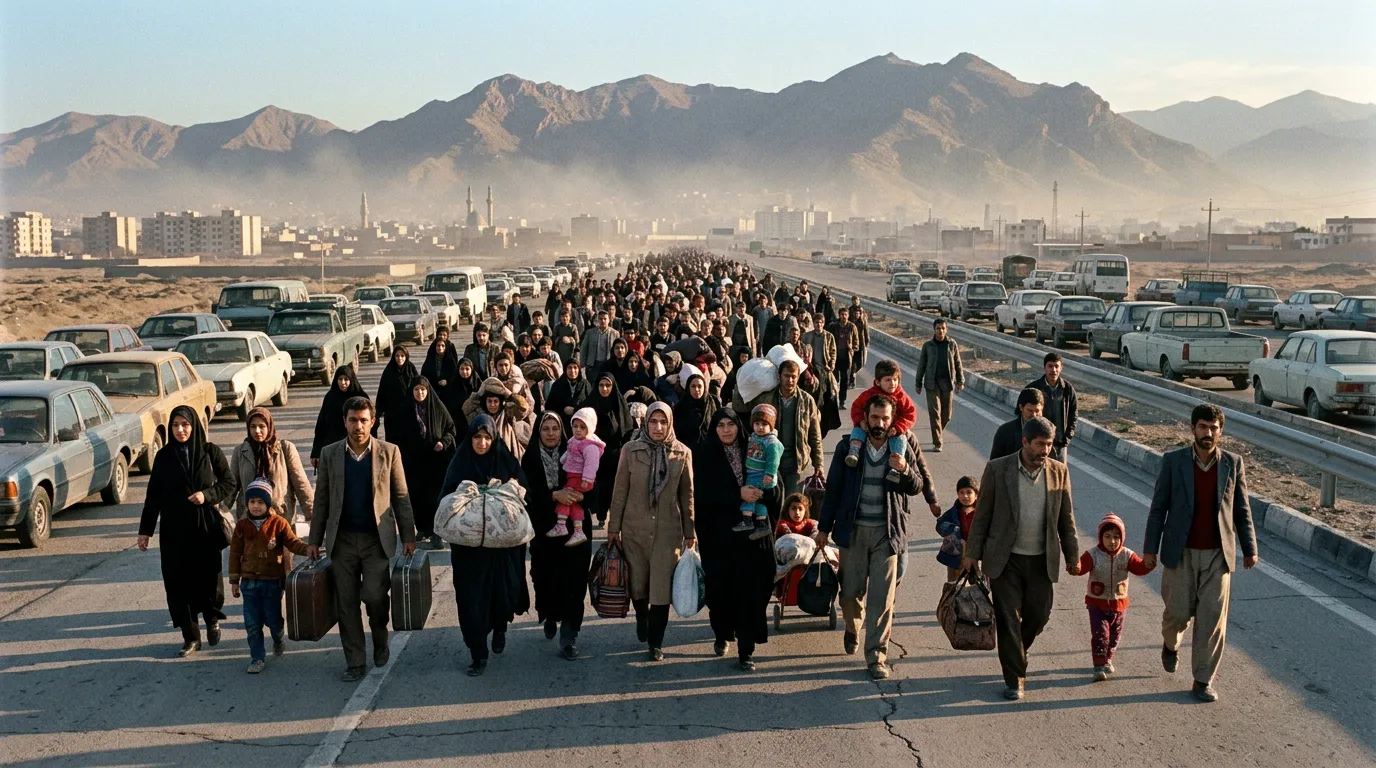
While the constitutional argument dominates Washington, the human cost of the campaign is escalating rapidly. The 787 confirmed deaths include both military and civilian casualties, though the breakdown remains disputed. Iranian state media has reported significantly higher civilian numbers, while the Pentagon has emphasized precision targeting of military infrastructure.
The broader regional impact extends well beyond Iran's borders. An Iranian drone strike damaged Al Minhad Air Base in the UAE, the headquarters of Australia's Joint Task Force 633. A large fire was reported at an oil terminal in Fujairah following a Shahed drone attack. France has deployed Rafale fighter jets to the UAE in response, marking the first direct European military involvement. Oil prices surged, with Brent crude briefly rising above $82 a barrel, a 13% jump in early trading.
These cascading effects illustrate a pattern that the Pentagon's carrier deployment signaled weeks ago: the conflict's geography is expanding faster than its political constraints. Lebanon has become a secondary front, with Israel launching ground operations along its northern border after a series of Hezbollah rocket attacks. The regional escalation is precisely the scenario that war powers proponents argued Congress should have debated before it became irreversible.
Why the House Vote Matters Even More
The House vote, which also failed to pass the war powers resolution, carried a different significance than the Senate's. Several House Republicans who had previously supported war powers constraints voted against the resolution, citing the ongoing military operations and the argument that withdrawing authorization mid-campaign would endanger troops. Representative Matt Gaetz, who co-sponsored a war powers resolution during Trump's first term, voted no, calling the timing "irresponsible."
This reversal highlights a structural problem in war powers debates: they are almost always too late. By the time Congress votes, military operations are already underway, and the framing shifts from "should we authorize this war" to "should we undermine troops in the field." The 1973 War Powers Resolution was designed to prevent exactly this dynamic, requiring presidents to notify Congress within 48 hours of deploying forces and mandating withdrawal within 60 days without authorization. But no president has ever acknowledged the resolution's constitutionality, and no Congress has ever enforced its withdrawal provision.
As Trump framed it during his State of the Union address last week, the strikes represent a decisive American posture in the Middle East. The question Congress failed to answer is whether decisiveness without deliberation is a feature or a flaw of American democracy.
What the Partisan Split Reveals
The vote's partisan alignment obscures a more interesting division within both parties. On the Democratic side, the resolution was not universally popular. Several Democrats from swing districts expressed private concerns about appearing to oppose military action against a country that has long been framed as America's primary adversary in the Middle East. Their votes for the resolution were cast reluctantly, and some made public statements supporting the troops while voting to constrain the president, a rhetorical balancing act that satisfied no one.
Among Republicans, the more telling dynamic was silence. Senators who have historically advocated for congressional authority on war, including Mike Lee of Utah and several libertarian-leaning members, either voted against the resolution or declined to speak publicly about their reasoning. The implication is that partisan loyalty outweighed institutional prerogatives, a pattern that has been accelerating since the Obama era but reached a new extreme this week.
What This Changes
The failed war powers votes do not change the legal framework in any formal sense, but they reshape the political reality dramatically. Future challenges to presidential military authority will now contend with the precedent that Congress had a clear opportunity to assert itself and declined. Any lawsuit challenging the constitutionality of the strikes, and several are expected from civil liberties organizations, will face the argument that Congress's inaction constitutes implicit authorization.
The specific indicator to watch is the 60-day clock under the War Powers Resolution. If the administration does not seek formal authorization and Congress does not force the issue, the strikes will pass the 60-day threshold in late April 2026. At that point, the constitutional question moves from abstract to acute: can a president wage a months-long bombing campaign against a sovereign nation without a single vote of congressional approval? Based on this week's votes, the answer appears to be yes. That conclusion will outlast the Iran campaign itself, becoming the baseline for every future military engagement that a president decides Congress does not need to discuss.
Sources
- US Senate Backs Trump on Iran Strikes, Blocks Bid to Limit His War Powers - US News & World Report
- War Powers Vote Fails in the Senate - CNBC
- House Rejects Measure to Constrain Trump's Authorities in Iran - NPR
- What We Know on Day Four of US-Israeli Attacks on Iran - Al Jazeera
- Senate Fails to Advance Iran War Powers Resolution - ABC News