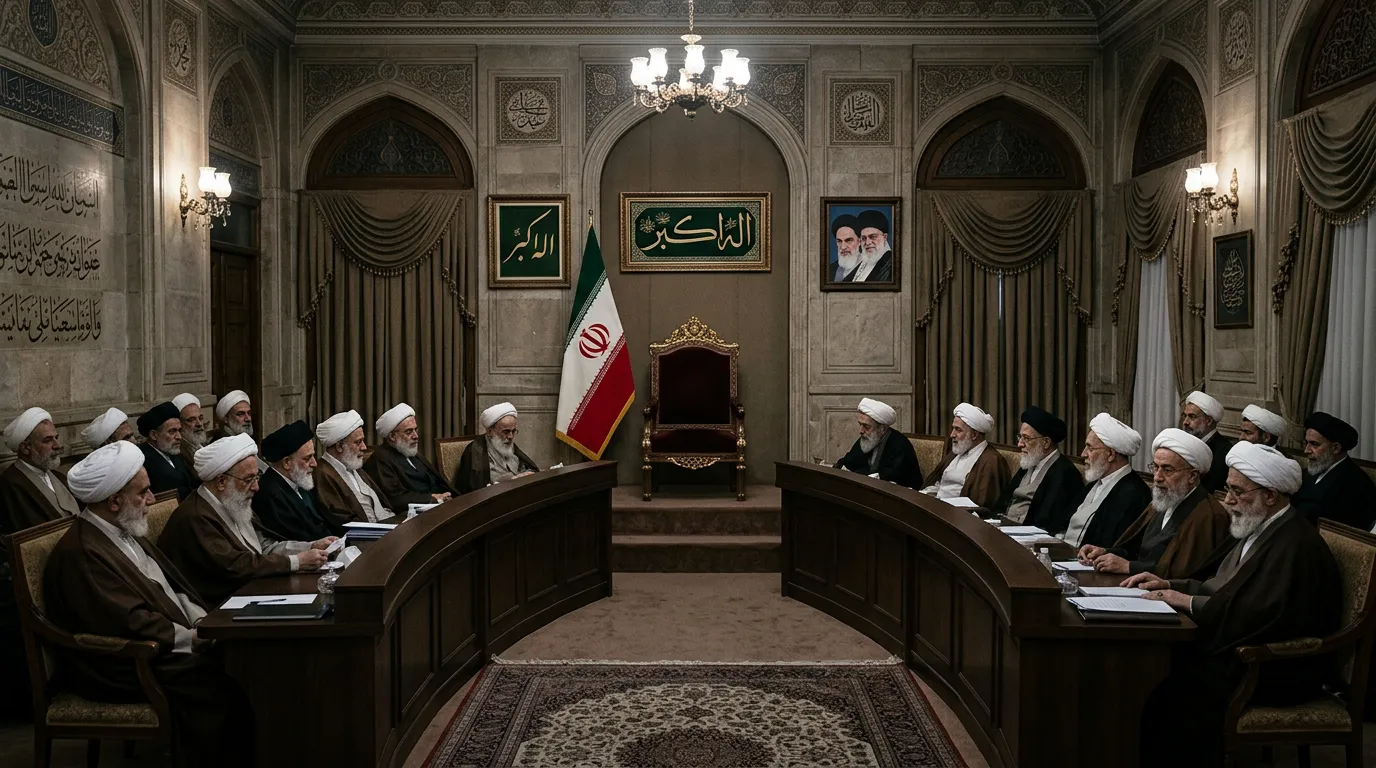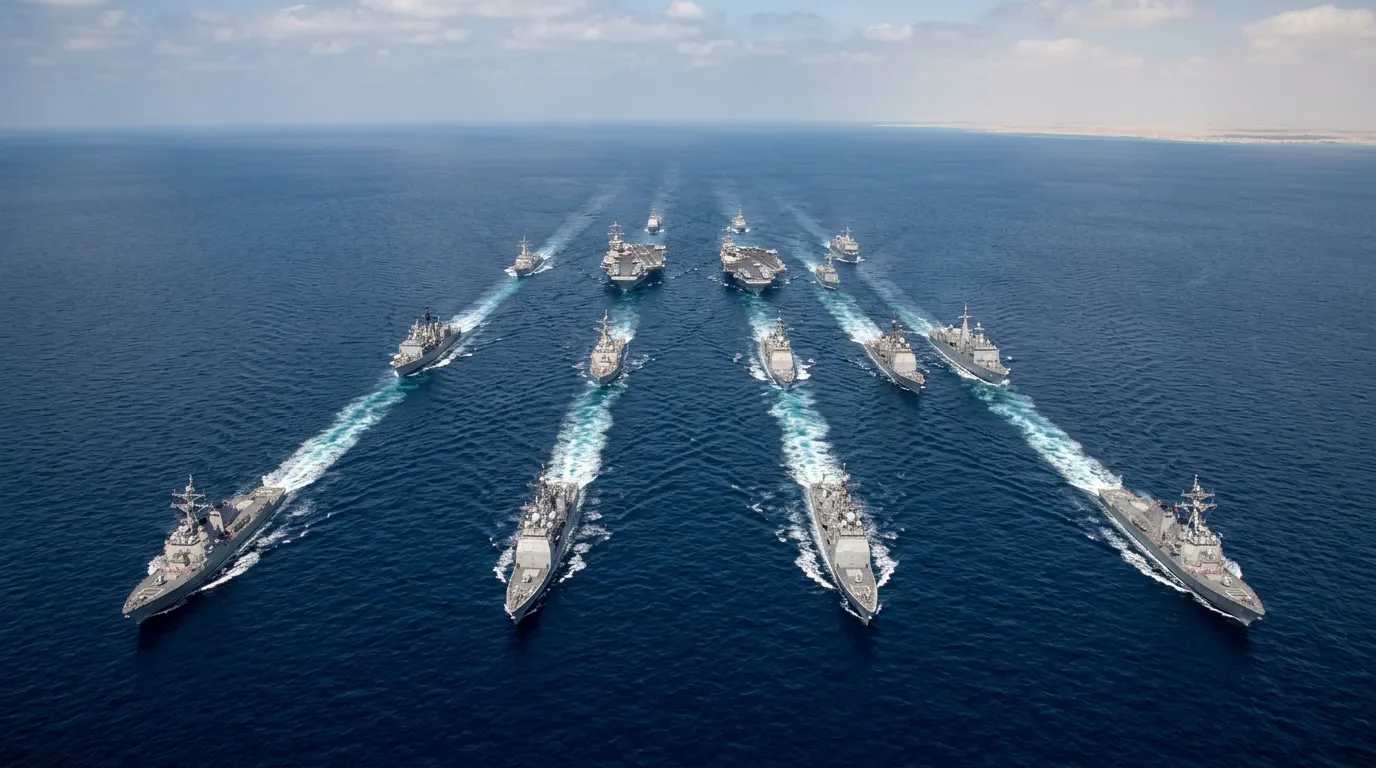
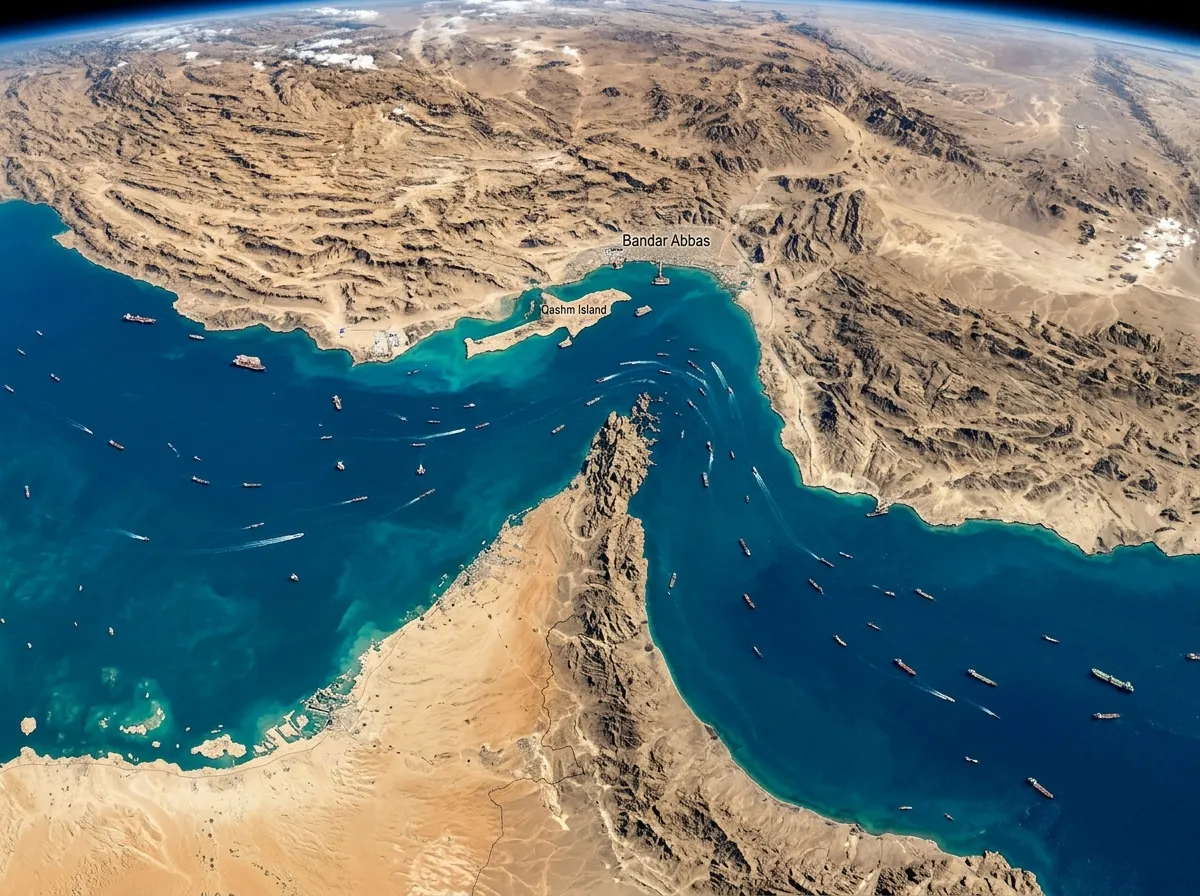
"COWARDS, and we will REMEMBER!" President Donald Trump posted on Truth Social early Friday morning, turning what had been a diplomatic disagreement into a public threat against America's oldest allies. The target was NATO, the 75-year-old military alliance that has been the bedrock of Western security since the Cold War. The offense: refusing to send warships to help the United States reopen the Strait of Hormuz, the narrow waterway between Iran and Oman through which roughly one-fifth of the world's crude oil flowed before the conflict shut it down three weeks ago.
The language was extreme even by Trump's standards, but the underlying fracture is real. Not a single NATO ally has committed military forces to the Hormuz mission. Germany called it "not our war." France said no one wants to enter the conflict. The UK drew a firm line against NATO involvement. Japan and Australia, key Indo-Pacific partners, also declined. On the 21st day of the U.S.-Israeli war on Iran, America finds itself fighting not just a military campaign in the Middle East but a diplomatic one with the countries it expected to stand beside it.
What Trump Is Demanding
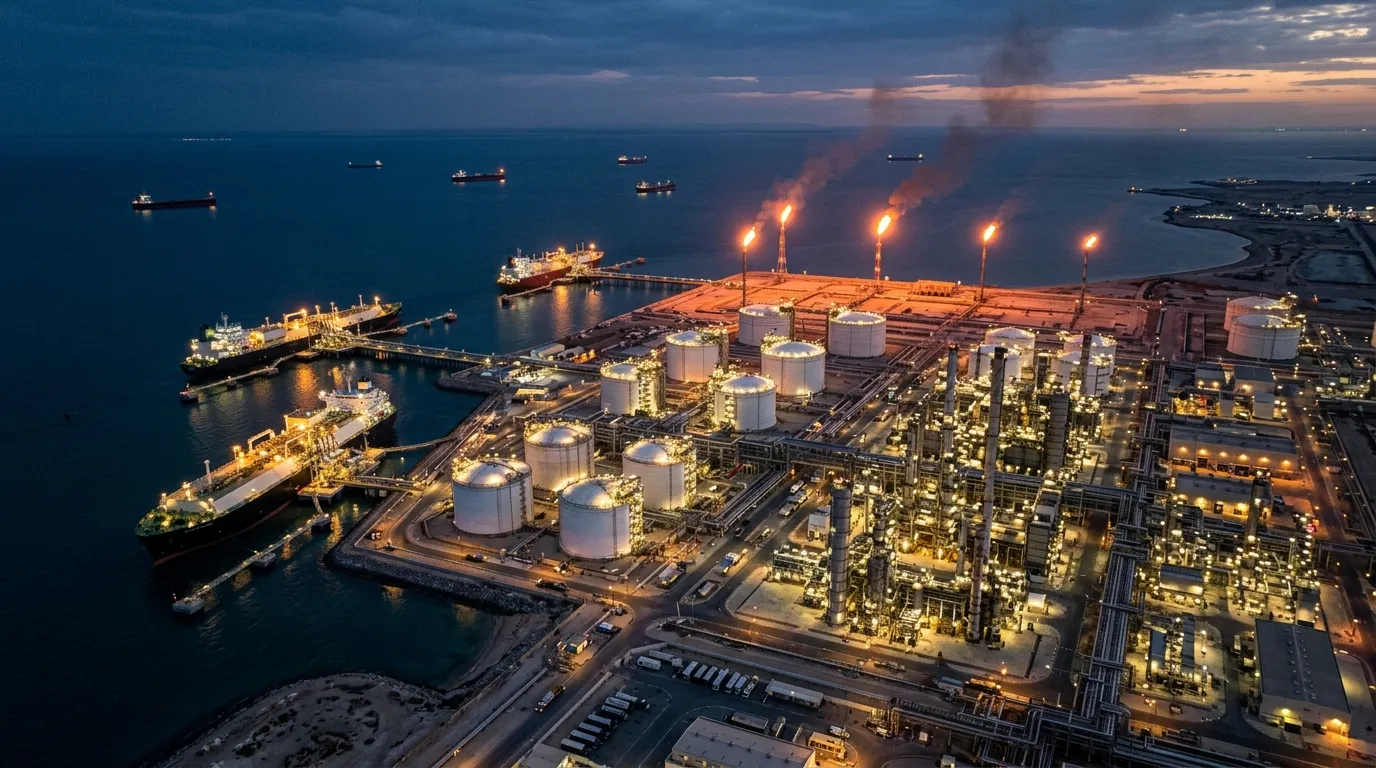
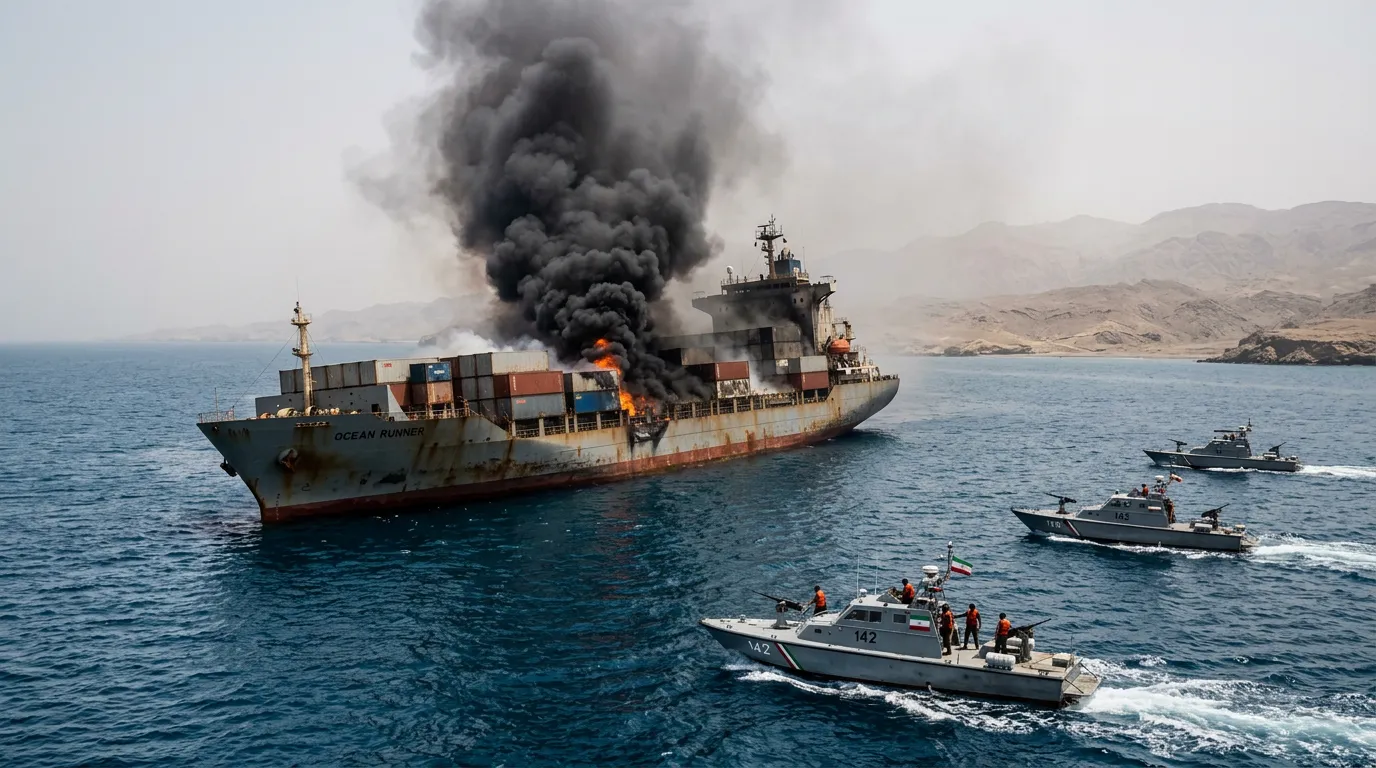
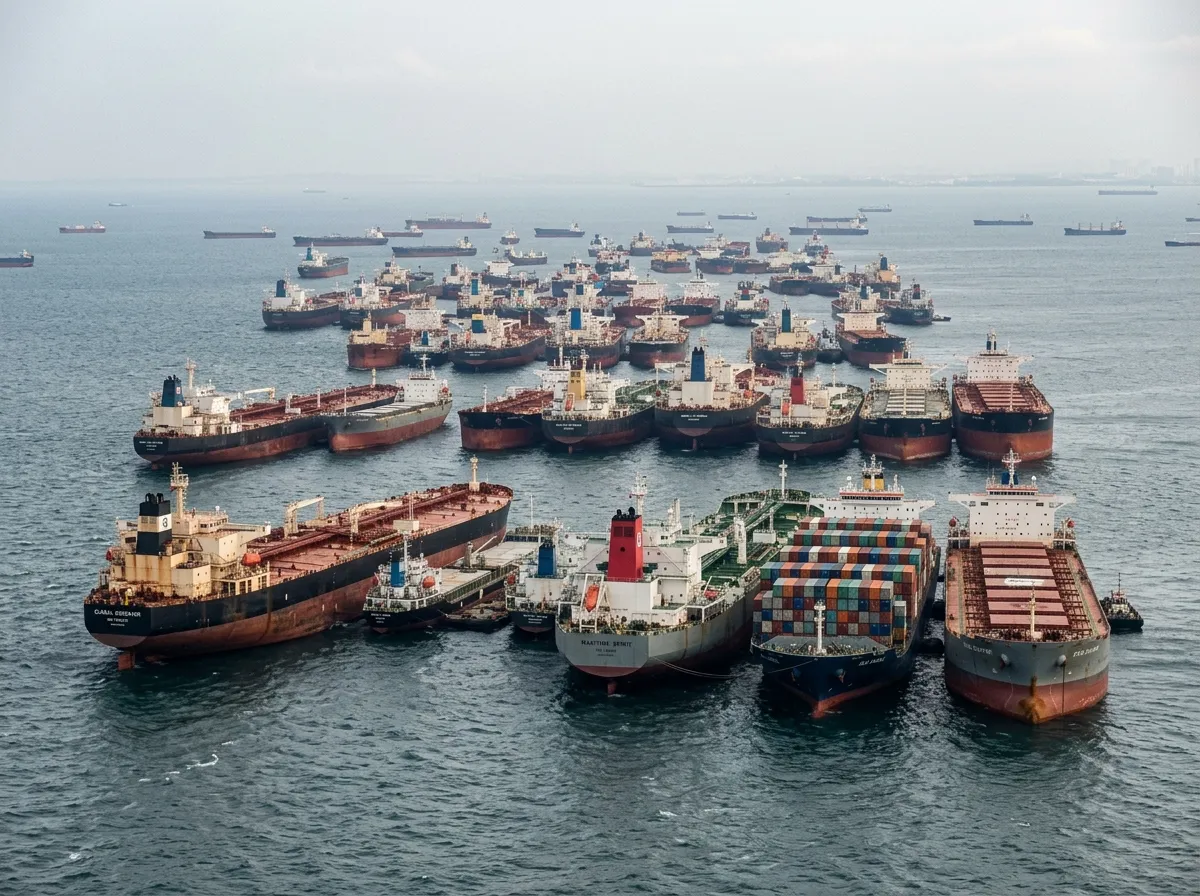
Trump's demand is straightforward in military terms: allied warships to escort commercial tankers through the Strait of Hormuz and deter Iranian attacks on shipping. The Strait, only 21 miles wide at its narrowest point, carries about a quarter of global seaborne oil trade along with significant volumes of liquefied natural gas, according to UN Trade and Development. Since the conflict began on February 28, at least 15 tankers have been targeted in the region, commercial shipping has ground to a halt, and oil prices have surged above $100 per barrel.
The Pentagon has already deployed significant assets to the region, with low-flying jets and helicopter gunships patrolling the waterway for Iranian ships and attack drones. Defense Secretary Pete Hegseth has requested $200 billion in additional war funding. But clearing and holding the Strait is a task that strains even the U.S. Navy's capacity, particularly as the broader air campaign over Iran continues.
Trump framed the issue in transactional terms: allies complain about high oil prices but won't help fix the problem. "Without the U.S.A., NATO IS A PAPER TIGER," he wrote, arguing the alliance would be powerless without American military muscle. The statement carried an implicit threat that has haunted European defense circles for years: that American commitment to the alliance is conditional on European willingness to fight where Washington wants them to fight.
A United Front of Refusal
The rejections came from across the alliance, and they were remarkably unified in tone.
German Defense Minister Boris Pistorius was the most blunt: "This is not our war; we did not start it." His foreign minister, Johann Wadephul, went further, questioning the entire framework of the request: "I don't see that NATO has made any decision in this direction or could assume responsibility for the Strait."
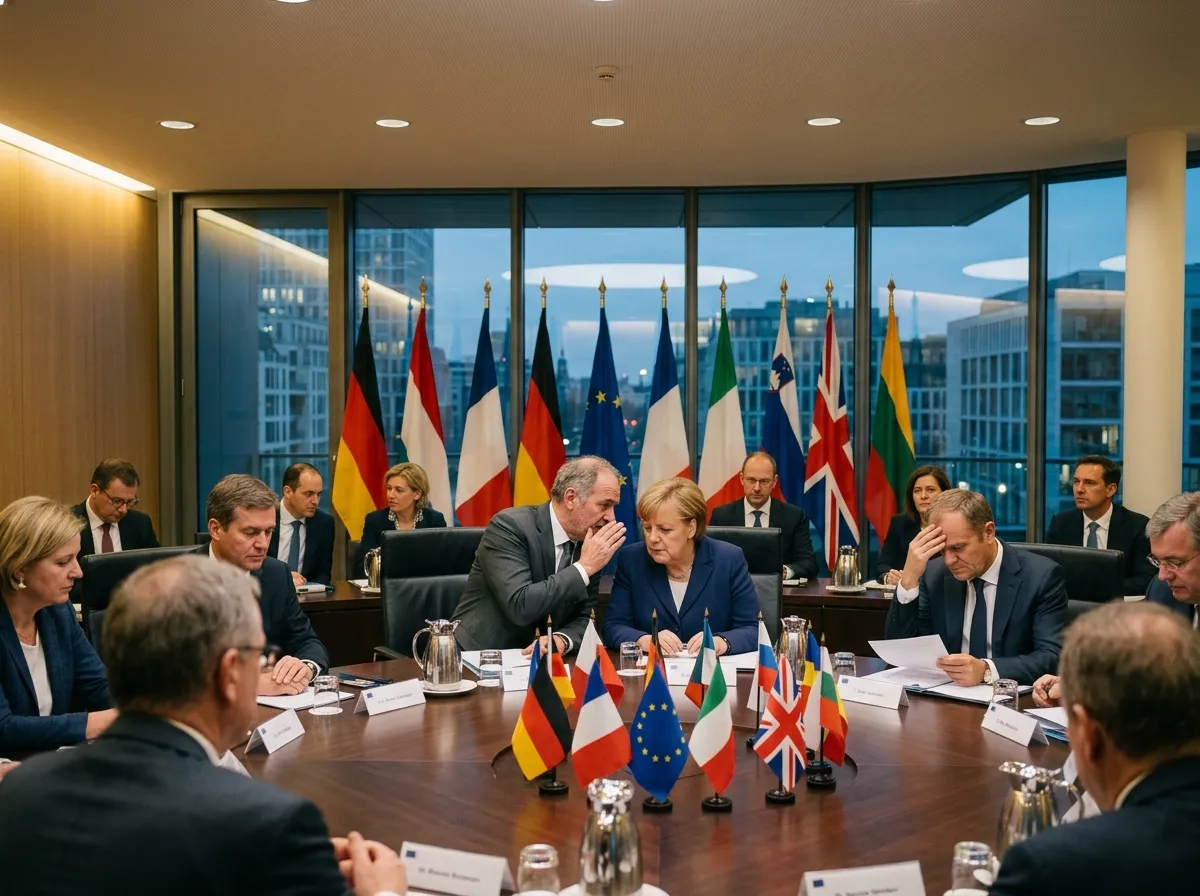
French President Emmanuel Macron told reporters that defending international law and promoting de-escalation was "the best we can do," adding a line that captured European sentiment broadly: "I have not heard anyone here express a willingness to enter this conflict, quite the opposite."
UK Prime Minister Keir Starmer distinguished between supporting the principle of an open Strait and the mechanism of NATO involvement: "that won't be, and it's never envisioned to be, a NATO mission." Luxembourg's Foreign Minister Xavier Bettel made the legal case explicit, stating that "there are no grounds for now to invoke Article 5," NATO's collective defense clause, since no NATO member had been directly attacked.
EU Foreign Policy Chief Kaja Kallas proposed an alternative: expanding the existing EU Aspides naval mission, currently operating in the Red Sea, to include Hormuz patrols. But even that modest proposal was rejected by member states unwilling to expand their military footprint near an active war zone.
The Suez Parallel No One Wants to Acknowledge
The most revealing lens for understanding this standoff isn't the current war. It's the Suez Crisis of 1956, when Britain and France launched a military operation to seize the Suez Canal from Egypt without American support. The Eisenhower administration was furious, not because it disagreed with the strategic goal, but because its allies had acted unilaterally. Washington threatened economic retaliation, the British pound collapsed, and both countries withdrew in humiliation. The lesson burned into European strategic memory: never again start a major military operation without American backing.
Seventy years later, the dynamic has inverted. The United States launched a war without meaningful allied consultation, and now demands that those allies contribute forces to manage the consequences. European leaders are applying the same principle Eisenhower asserted in 1956, but in reverse: you started this alone, so the consequences are yours to manage.
This inversion explains why the European refusal is so total. It is not that allies lack the naval capacity (the UK, France, and Germany all have deployable surface combatants), or that they disagree with keeping Hormuz open (every European economy depends on stable energy flows). The refusal is about precedent. Joining the Hormuz mission would validate a model in which the United States can initiate military action anywhere and then invoke alliance obligations to spread the cost. For European leaders who watched the Iraq War's fallout and who were not consulted before the February 28 strikes, that precedent is unacceptable.
The fracture also reflects a shift that was already visible at the Munich Security Conference in February, where European leaders signaled a new willingness to define security interests independent of Washington. The Iran war has accelerated that trajectory from rhetorical posture to operational reality.
The Economic Cost of Standing Aside
Europe's refusal carries real costs, and not just for the United States. The Strait of Hormuz disruption is hitting European economies directly. Oil above $100 per barrel translates to higher energy costs for manufacturers, higher fuel prices for consumers, and higher inflation readings that constrain the European Central Bank's ability to cut rates.
According to UN Trade and Development, roughly one-third of global fertilizer trade transits the Strait, meaning the blockade is also driving up food production costs worldwide. Fertilizer hub urea prices have climbed from $475 to $680 per metric ton since the conflict began. For import-dependent developing nations, the pain is even sharper: Pakistan receives 99% of its LNG from Gulf states, Bangladesh 72%, and India 53%.
The arithmetic creates a painful paradox for European leaders. Every day they refuse to participate is a day the Strait stays closed, their economies bleed, and the cost of inaction compounds. But every day they consider participation risks legitimizing a war they believe was reckless, setting a precedent they believe is dangerous, and exposing their forces to a conflict with no clear exit strategy. They have chosen the known economic pain over the unknown military risk, and the consistency of that choice across every major European capital suggests it isn't going to change.
What This Changes
The Hormuz standoff will likely resolve in one of two ways. Either the United States clears the Strait alone, confirming European concerns about American unilateralism while also demonstrating that alliance participation is unnecessary, or the conflict winds down through negotiation, rendering the debate moot. In either case, the damage to the transatlantic relationship is already done.
Three specific consequences will outlast this crisis. First, European defense spending, already climbing in response to Russia, will accelerate further as the continent absorbs the lesson that American protection comes with conditions that may be politically impossible to meet. Germany's 2025 pledge of a 100-billion-euro defense fund now looks less like an overreaction and more like a down payment. Second, the concept of Article 5 has been subtly redefined in practice: European leaders have established that wars of choice by one ally do not create obligations for others. Third, Trump's willingness to publicly threaten allies during a shooting war, rather than in peacetime negotiations, has crossed a threshold that makes future cooperation harder even if the current administration changes.
The Western alliance will survive this moment, as it has survived previous crises over Iraq, Libya, and Afghanistan. But each rupture leaves scar tissue, and this one cuts deeper than most because it forces the most fundamental question any alliance must answer: who decides when we fight? Macron's observation that no one in Europe wants to enter the conflict captures the current consensus. The harder question, one that NATO's founding treaty was never designed to answer, is what happens to an alliance when its most powerful member starts a war and its other 31 members say no.
Sources
- Al Jazeera: Trump slams NATO over lack of support in US-Israel war on Iran
- The War Zone: Allies push back on Trump's demand they send warships to Strait of Hormuz
- UNCTAD: Strait of Hormuz disruptions: implications for global trade and development
- Euronews: Trump calls NATO allies 'cowards' over refusal to join Strait of Hormuz security force