Iran's Foreign Minister Abbas Araghchi stood before reporters in Geneva on Tuesday and declared that "the path for a deal has started" with the United States. His American counterparts, special envoy Steve Witkoff and Jared Kushner, offered their own cautiously positive assessment. Both sides described "progress" and an "understanding on the main principles" of what an agreement could look like. If you've followed nuclear diplomacy before, you know that language like this can mean everything or nothing.
The second round of indirect talks, held at the Omani embassy in Switzerland and mediated by Oman's diplomats, produced more substance than the first meeting in Muscat on February 6. But the details that actually matter, including enrichment ceilings, sanctions sequencing, and verification timelines, remain unresolved. Iran has offered to return within two weeks with detailed proposals "to address some of the open gaps in our positions." The question is whether those proposals will narrow the divide or simply restate it in more diplomatic terms.
What Happened in Geneva
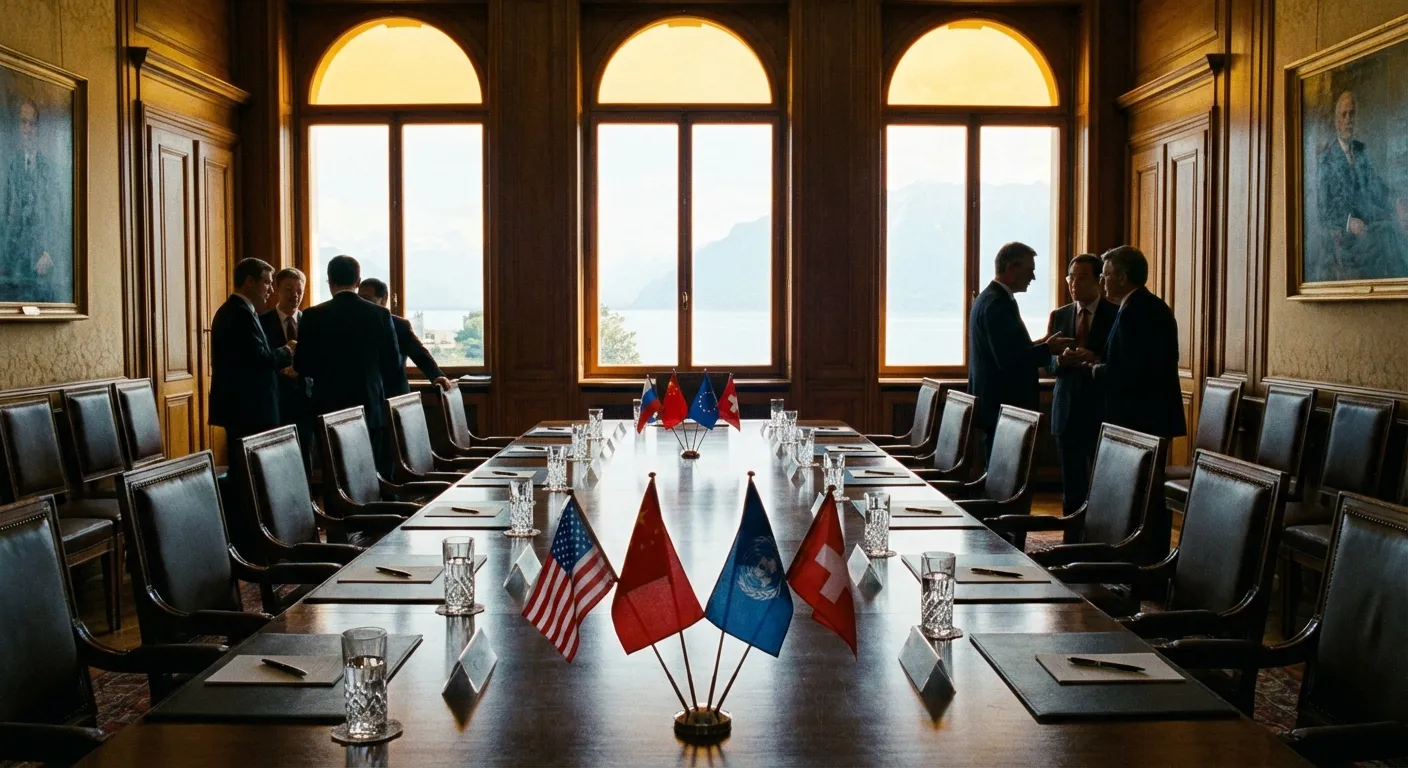
The talks followed the same indirect format as the first round: American and Iranian delegations sat in separate rooms at the Omani embassy while Omani mediators shuttled between them. This physical separation is diplomatically significant. It signals that neither side is ready for face-to-face negotiations, which would imply a level of mutual recognition that both governments want to avoid for domestic political reasons.
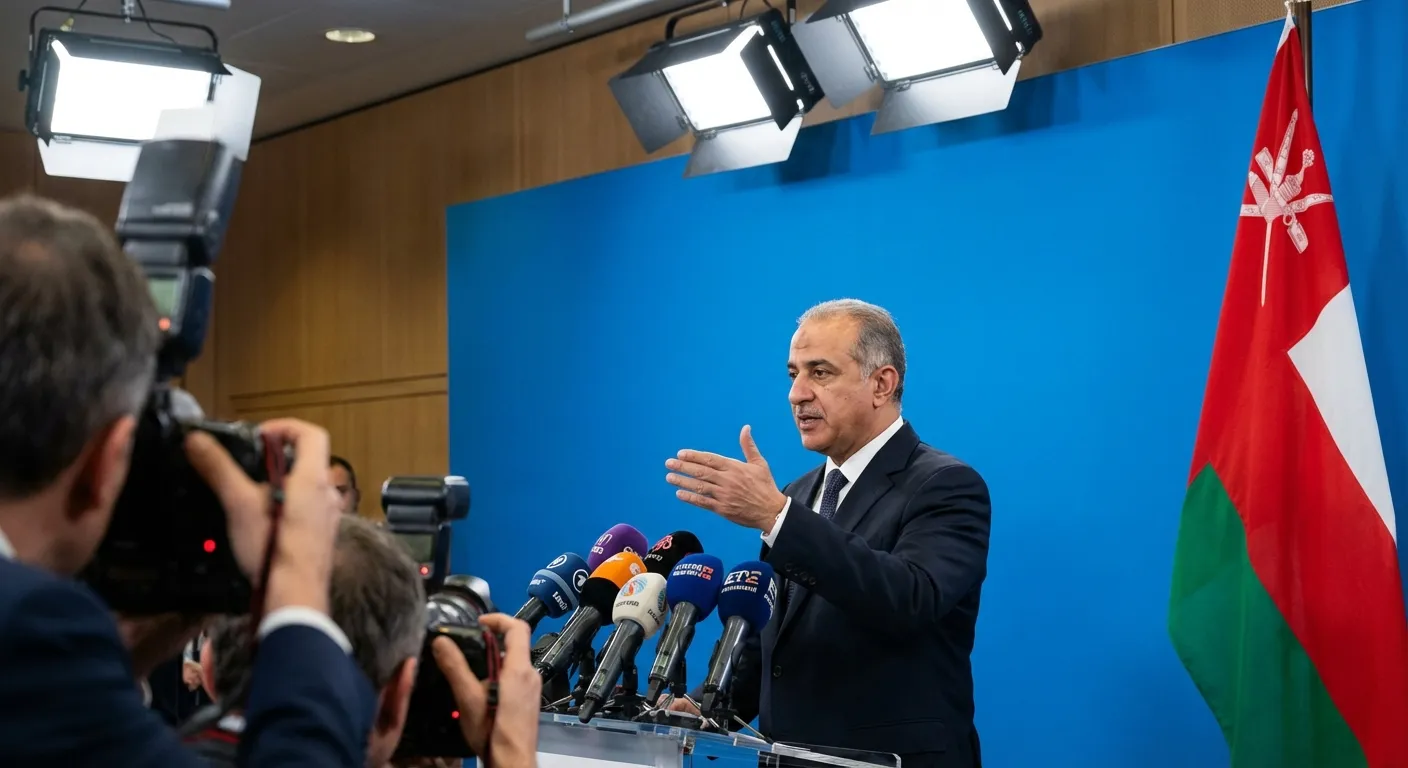
Araghchi told reporters he arrived "with real ideas to achieve a fair and equitable deal" and emphasized that "what is not on the table: submission before threats." Deputy Foreign Minister Takht-Ravanchi added that "the ball is in America's court" regarding sanctions relief. On the American side, the messaging was less specific. President Trump told reporters at the White House that "I think they want to make a deal. I don't think they want the consequences," characterizing Iran as difficult negotiators who could be "more reasonable."
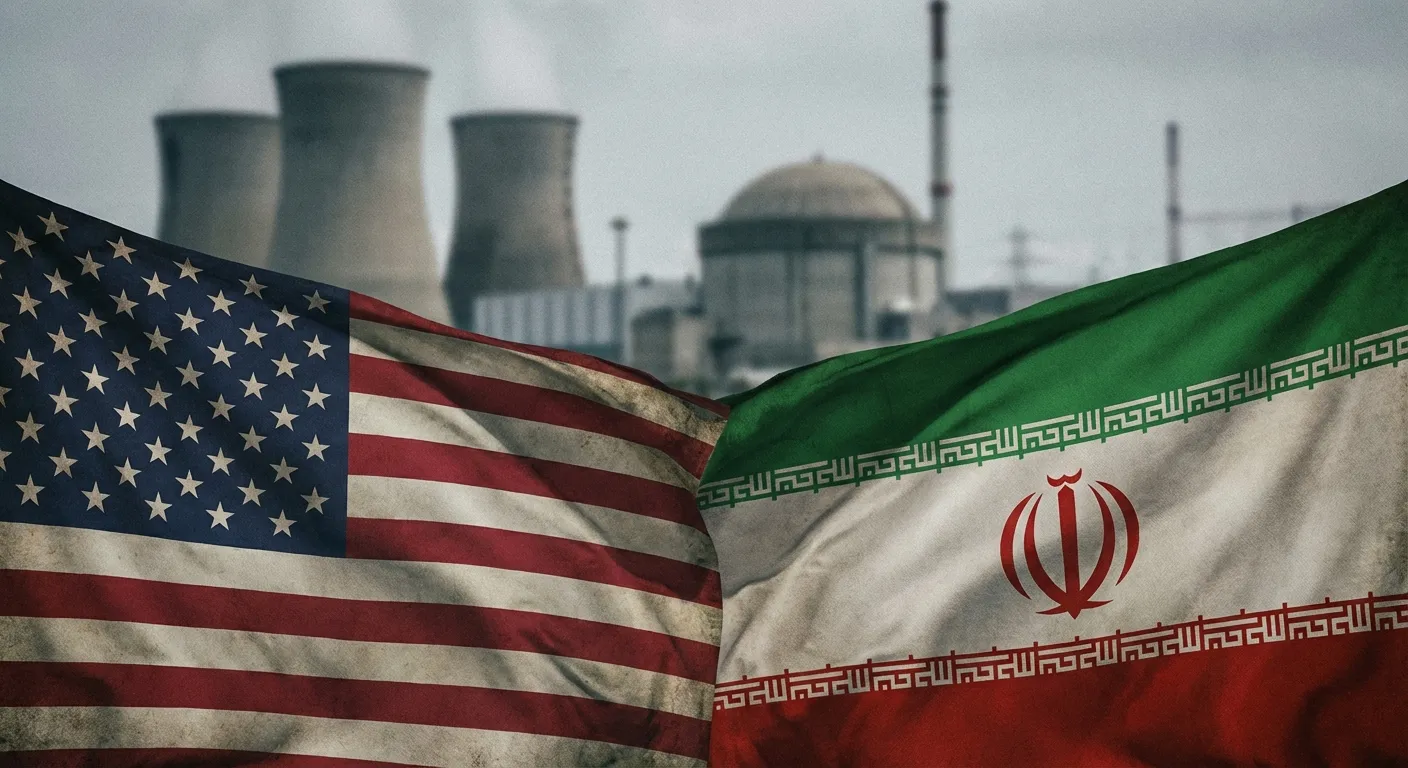
IAEA Director-General Rafael Grossi also met with Araghchi in Geneva, a significant side meeting given the watchdog agency's central role in any verification regime. Iran currently enriches uranium to 60% purity, far beyond the 3.67% ceiling in the 2015 agreement and close to the 90% threshold needed for weapons-grade material. Any deal will need to address this gap, and the IAEA's ability to monitor compliance is the mechanism that gives enrichment limits real meaning.
Why the Military Context Matters More Than the Words
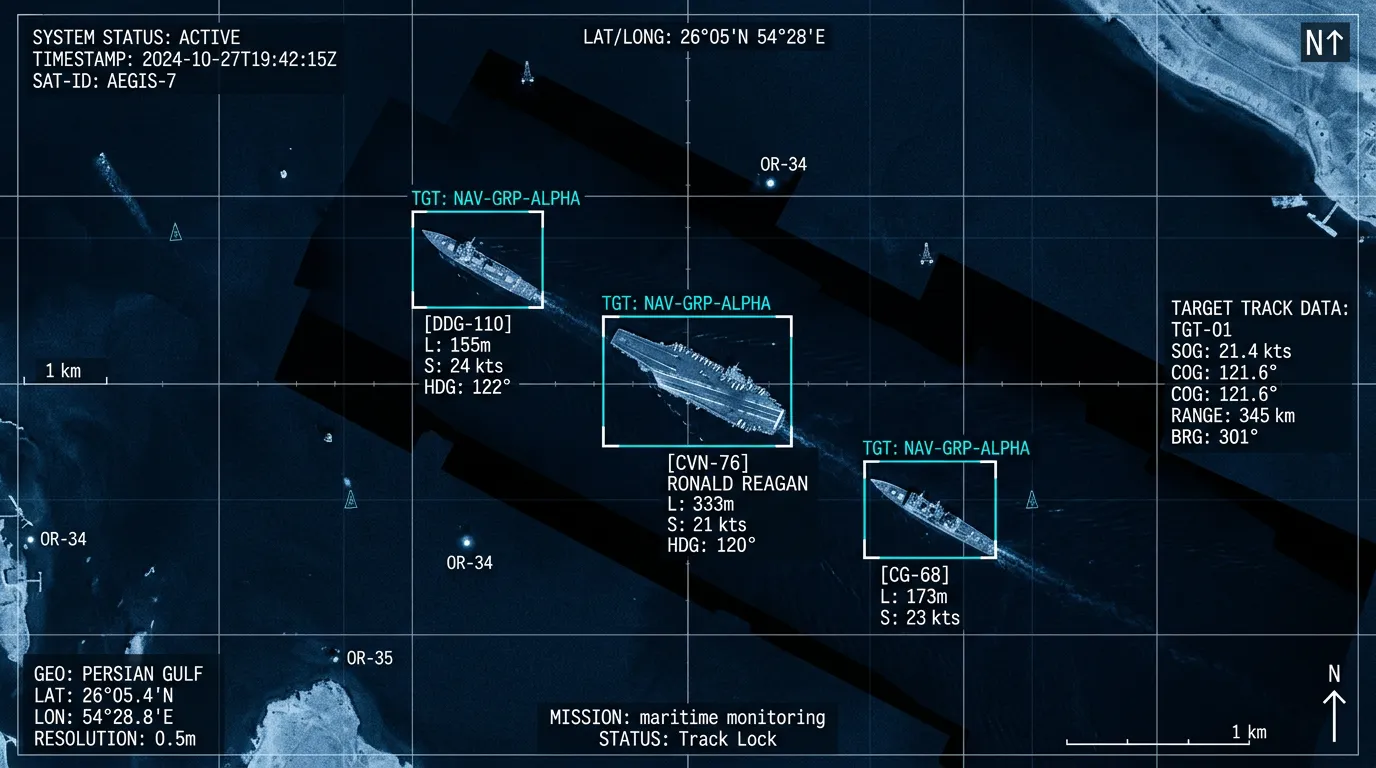
While diplomats exchanged cautious optimism in Geneva, the military picture told a different story. The USS Gerald R. Ford carrier strike group is transiting from the Caribbean to the Middle East, joining the USS Abraham Lincoln, which has been positioned in the region for two weeks. Two carrier groups in the same theater is not routine. It is a signal of readiness for military action.
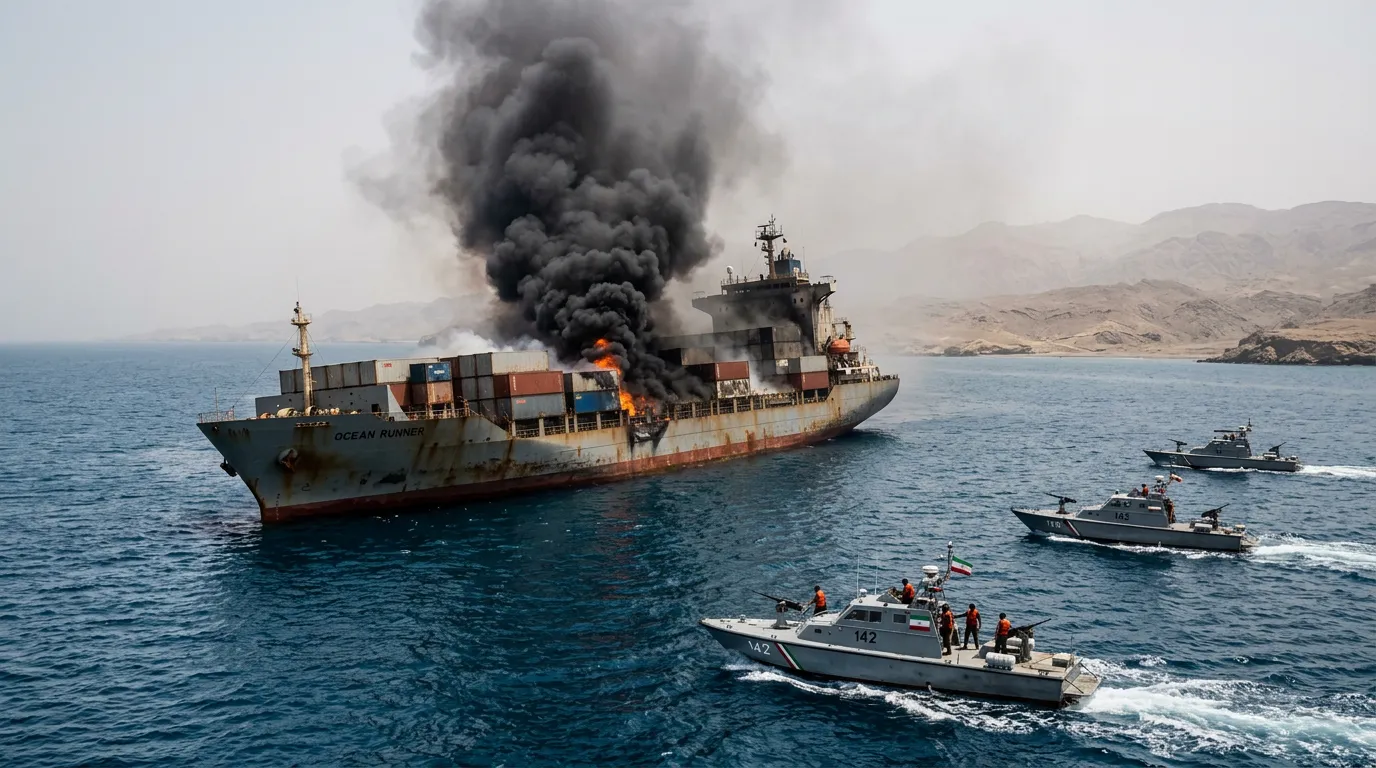
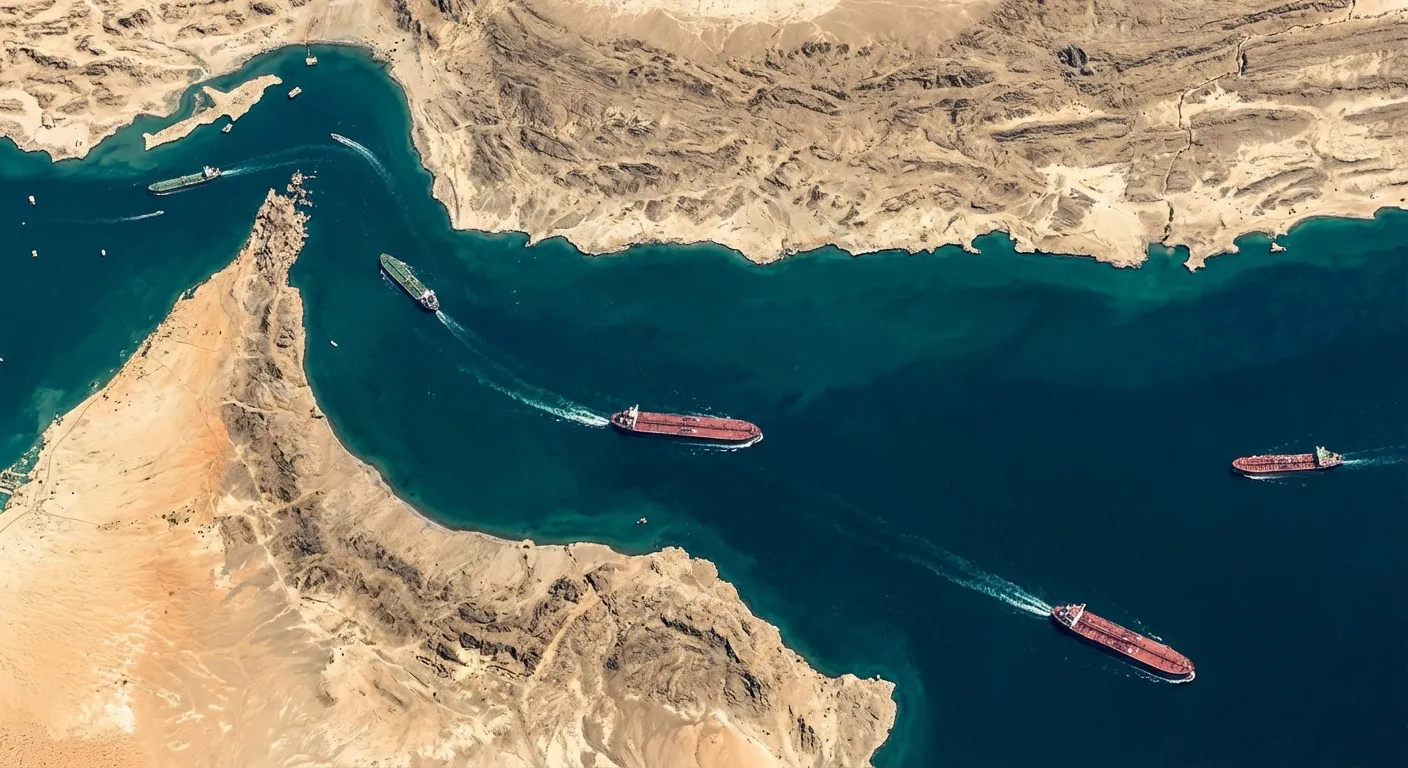
Iran responded in kind. The Revolutionary Guard announced naval exercises in the Strait of Hormuz, the Persian Gulf, and the Gulf of Oman, including a live-fire drill warning for the northern Strait of Hormuz corridor, the narrow waterway through which roughly 20% of the world's oil supply passes daily. Supreme Leader Ayatollah Khamenei, 86, issued his own warning: "The U.S. President says their army is the world's strongest, but the strongest army in the world can sometimes be slapped so hard it cannot get up."
This dual-track approach, negotiations and military escalation running simultaneously, is not contradictory. It is the standard playbook for both sides. The military buildup gives each government leverage at the negotiating table while simultaneously preparing for the possibility that talks fail. The danger is that military posturing has its own momentum, and accidents in the Strait of Hormuz could escalate faster than diplomats can manage.
The JCPOA Shadow: What History Actually Predicts
The most instructive parallel for these talks is the 2013-2015 negotiation that produced the Joint Comprehensive Plan of Action, the deal Trump withdrew from in 2018. That process took over two years from the first backchannel contacts to the final agreement, and it involved six world powers, not just the United States. The current bilateral format is faster but also narrower, which creates a specific structural problem.
The JCPOA worked in part because European, Russian, and Chinese participation gave Iran multiple economic incentives to comply and multiple parties with a stake in enforcement. A bilateral US-Iran deal lacks those stabilizers. If the US and Iran reach an agreement, there is no multilateral enforcement mechanism, no coalition of nations invested in monitoring compliance, and no buffer against the deal collapsing when administrations change. The JCPOA's fatal flaw was its vulnerability to a single election result. A bilateral deal would be even more vulnerable.
There is also the question of what "main principles" means in practice. During the JCPOA negotiations, the parties reached a "framework agreement" in Lausanne in April 2015, four months before the final deal. That framework specified enrichment levels (3.67%), centrifuge limits (5,060 first-generation centrifuges), stockpile caps (300 kg of low-enriched uranium), and sanctions relief sequencing. The current "understanding on main principles" is far vaguer, suggesting the parties have agreed on the general shape of a deal (Iran limits its nuclear program in exchange for sanctions relief) without resolving any of the numerical specifics that make such agreements enforceable.
The historical pattern suggests that agreements of this type require a minimum of 12-18 months from "understanding on principles" to a signed deal, assuming continuous negotiation and political will on both sides. Given the military tensions, domestic political constraints in both countries, and the absence of a multilateral framework, that timeline is optimistic.
The Domestic Constraints on Both Sides
Neither government has a free hand in these negotiations. In Iran, Supreme Leader Khamenei holds ultimate authority over the nuclear program and has publicly rejected surrendering enrichment capability. Araghchi can negotiate, but he cannot agree to anything that Khamenei's office hasn't pre-approved. The protest movement that shook Iran earlier this year, with activists reporting over 7,000 deaths since the January unrest, has weakened the regime domestically without making it more flexible on nuclear issues. If anything, a government facing internal instability is less likely to make concessions that could be framed as weakness.
On the American side, Trump faces a different kind of constraint. He withdrew from the JCPOA in 2018, calling it "the worst deal ever negotiated." Any new agreement he signs will be compared to the deal he tore up, and his domestic critics will ask why the new terms are better. His negotiating team, led by Witkoff and Kushner rather than State Department career diplomats, signals that Trump wants to keep the process within his inner circle rather than delegating to the institutional bureaucracy. That approach offers speed and flexibility but sacrifices the technical depth that nuclear negotiations require.
Three Scenarios to Track
The talks could move in three distinct directions from here, and each has identifiable markers.
The first is a narrow interim deal. Iran agrees to cap enrichment at 20% (still above JCPOA levels but below weapons-grade), permit increased IAEA inspections, and halt further centrifuge development. In exchange, the US unfreezes specific Iranian assets and lifts secondary sanctions on oil exports to select countries. This is the most likely near-term outcome because it gives both sides something to announce without resolving the hardest questions. Watch for whether Iran's detailed proposals in two weeks include specific enrichment numbers. If they do, an interim deal is plausible by mid-2026.
The second is extended negotiations without agreement. The parties continue meeting every few weeks, exchanging proposals and counter-proposals, while the military buildup holds at current levels. This scenario is sustainable for months but not indefinitely, because the economic cost of maintaining two carrier groups in the region and the political cost of talks that produce no results will eventually force a decision point.
The third is breakdown and escalation. One or both sides walks away from talks, the military buildup accelerates, and the risk of a strike on Iranian nuclear facilities rises sharply. The trigger would likely be an IAEA report showing that Iran has crossed a specific enrichment threshold or expelled inspectors. This scenario is the least likely in the immediate term but becomes more probable if the next round of talks fails to produce concrete proposals.
The Outlook
The Geneva talks produced exactly the kind of cautious optimism that sustains diplomatic processes without resolving them. Both sides have incentives to keep talking: Iran wants sanctions relief, and Trump wants a signature foreign policy achievement that eclipses the JCPOA he dismantled. But incentives to negotiate are not the same as incentives to agree, and the specific concessions required on enrichment levels, verification access, and sanctions sequencing remain far apart. The most revealing indicator will come in the next two weeks, when Iran delivers its detailed proposals. If those proposals include specific numbers on enrichment ceilings and inspection access, a narrow interim deal is achievable by summer. If they restate general principles without numerical commitments, the talks are running on diplomatic inertia rather than genuine momentum, and the military buildup in the region will increasingly define the trajectory.
Sources
- Iran FM in Geneva for US talks, as IRGC holds drills in Strait of Hormuz - Al Jazeera, February 2026
- U.S. and Iran to hold a second round of nuclear talks in Geneva - NPR, February 2026
- Iran says progress made in nuclear talks as supreme leader warns Trump - NBC News, February 2026
- US-Iran talks live: Tehran says understanding on main principles reached - Al Jazeera, February 2026