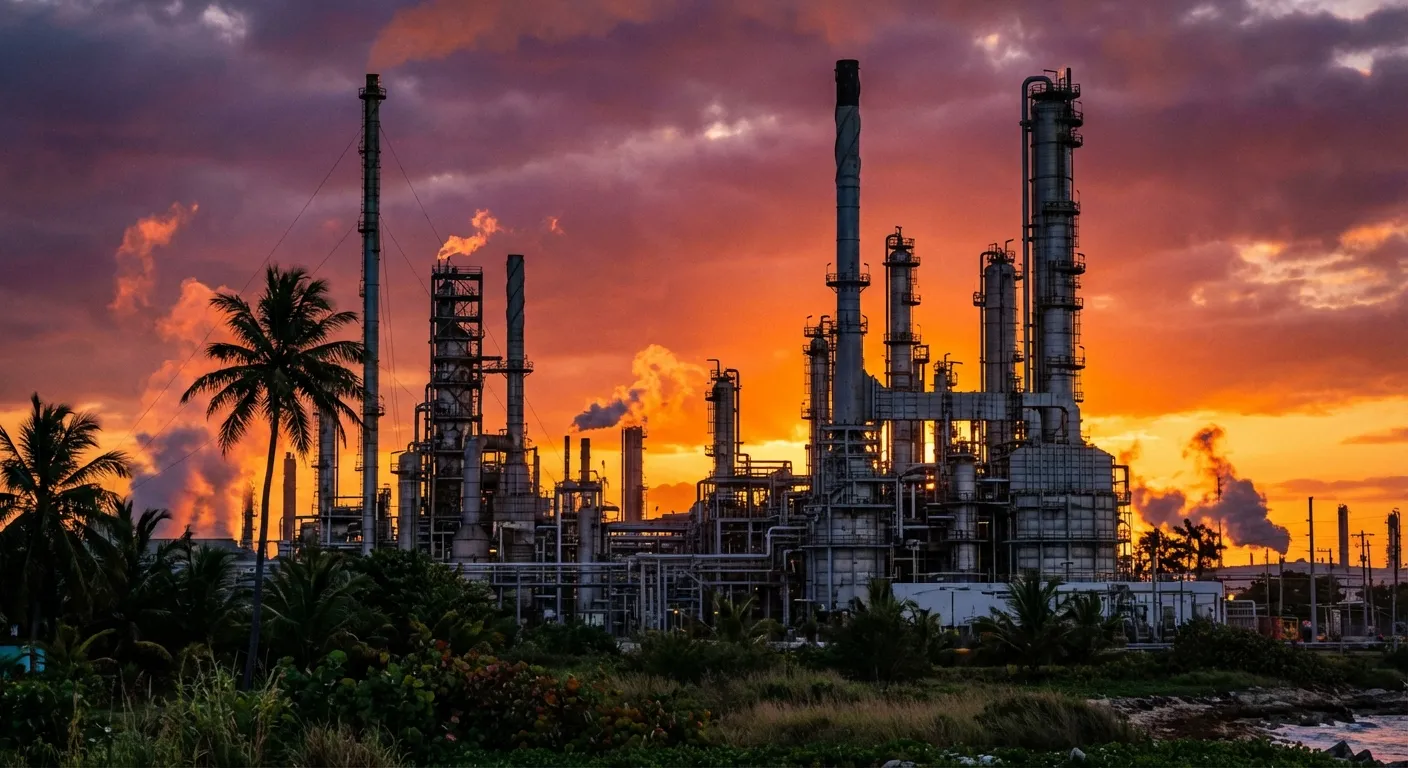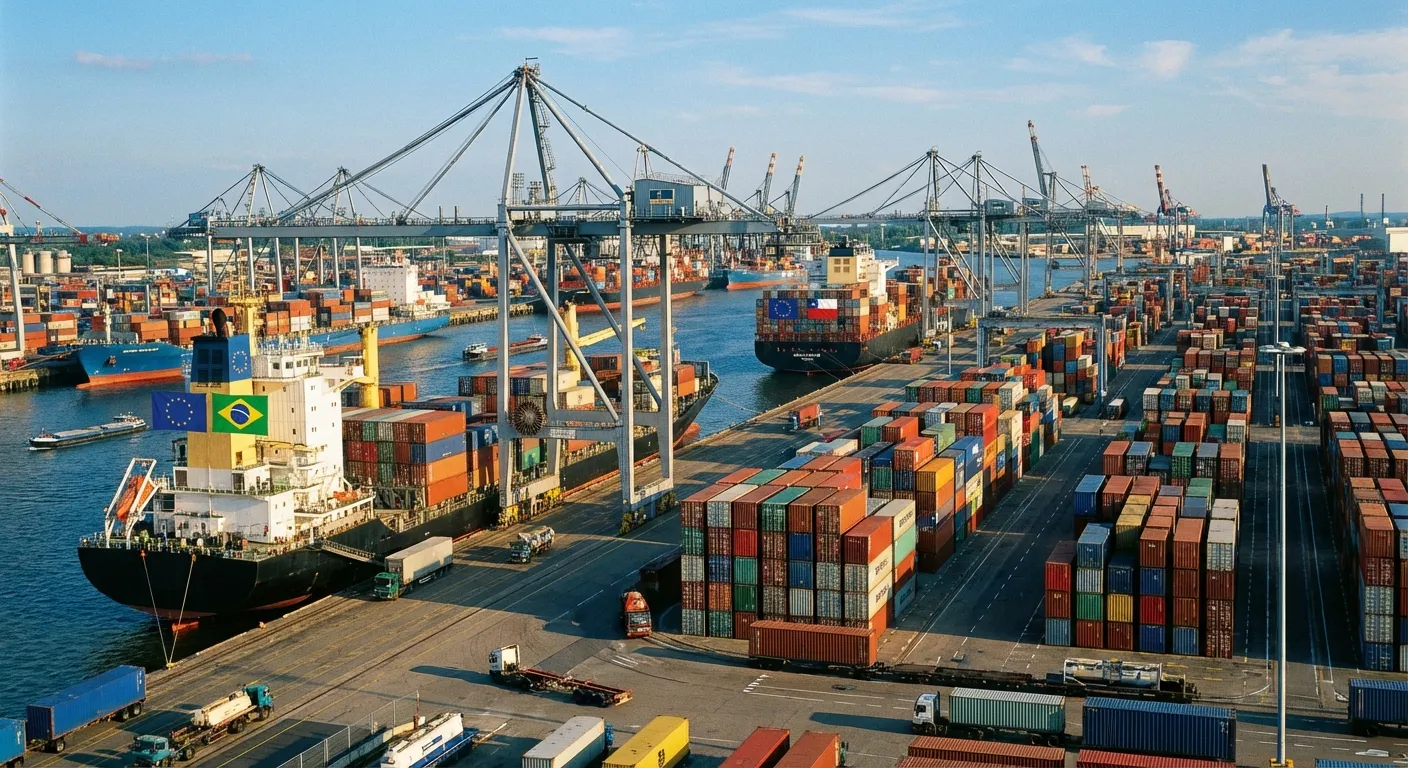
Twenty-five years of negotiations have finally produced a result. Twenty-one of the EU's 27 member countries voted to approve the trade agreement with Mercosur, the South American bloc comprising Brazil, Argentina, Paraguay, and Uruguay. When implemented, it will create what officials are calling "the world's largest free trade area," covering a combined market of over 700 million people.
The timing is notable. As the United States retreats from multilateral trade agreements and imposes tariffs on allies, Europe is moving in the opposite direction. European Commission President Ursula von der Leyen framed the agreement as a statement of values: "We choose fair trade over tariffs, we choose a productive long-term partnership over isolation."
What the Deal Contains
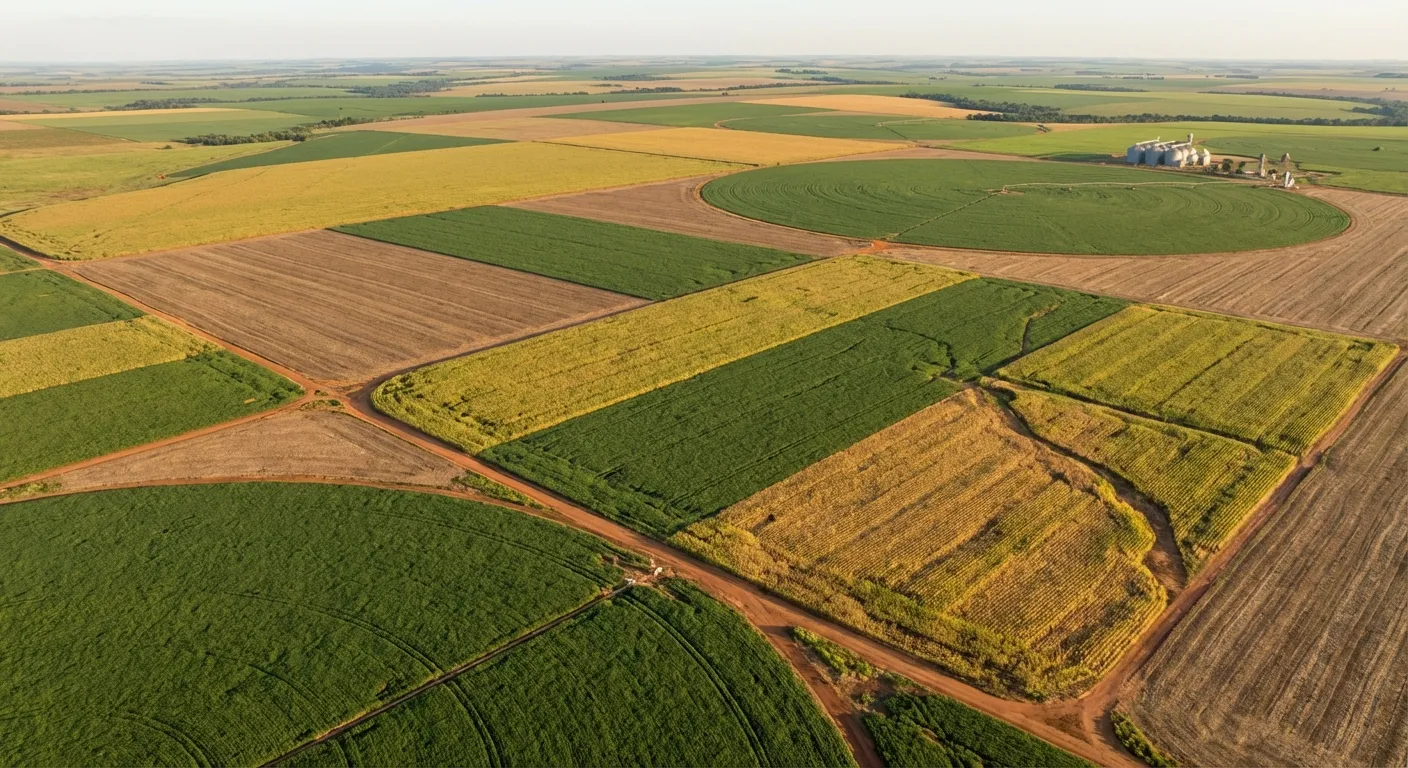
The EU-Mercosur agreement eliminates or reduces tariffs on most goods traded between the two blocs. European manufacturers will gain easier access to South American markets for automobiles, machinery, and pharmaceuticals. South American agricultural producers will get better access to European markets for beef, soybeans, and other commodities.
Beyond tariff reductions, the agreement includes provisions on services, investment, government procurement, and intellectual property. It establishes frameworks for regulatory cooperation and dispute resolution. The goal is not just to reduce trade barriers but to create a more predictable environment for businesses operating across both regions.
The numbers are significant. The EU is Mercosur's largest trading partner, with bilateral trade exceeding €100 billion annually. The agreement is expected to save European businesses approximately €4 billion in tariffs each year and create substantial new export opportunities in growing South American economies.
Why It Took 25 Years
The EU-Mercosur negotiations began in 1999 and stalled repeatedly over the intervening decades. Agricultural interests in France and other European countries resisted competition from South American beef producers. Environmental concerns about Amazon deforestation created additional obstacles. Political changes on both continents disrupted momentum.
A preliminary agreement was reached in 2019, but ratification stalled amid concerns about Brazil's environmental policies under then-President Jair Bolsonaro. Deforestation in the Amazon increased, and European legislators balked at rewarding what they saw as environmental destruction.
The current agreement includes stronger environmental provisions, partly addressing these concerns. Brazil's subsequent election of President Lula da Silva, who has emphasized environmental protection, helped restart the ratification process.
Who Voted Against
Six EU countries declined to approve the deal, reflecting persistent opposition. France led the resistance, with President Macron calling the agreement "not acceptable" in its current form. French farmers have protested vigorously, arguing that South American competition will devastate their livelihoods.
Poland also voted against, citing concerns about agricultural impact. Other opponents included countries with strong farming lobbies worried about competition in beef, poultry, and grain markets.
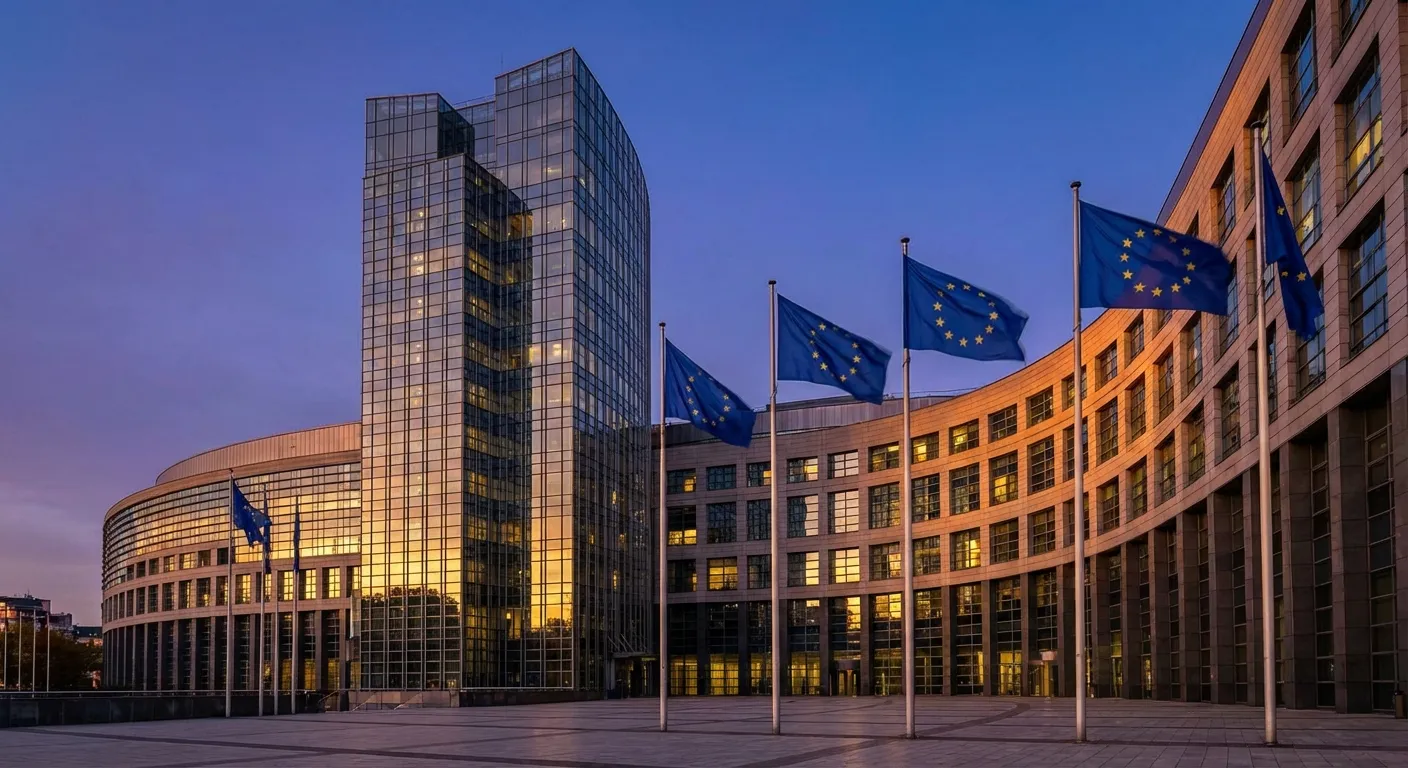
The approval by 21 countries is enough to advance the agreement, but full implementation still requires European Parliament approval. Opponents will have another opportunity to fight the deal, and French agricultural interests are well-represented among European legislators.
The Geopolitical Context
The deal's significance extends beyond economics. At a moment when the United States is withdrawing from international organizations and questioning multilateral frameworks, Europe is demonstrating commitment to trade liberalization and international cooperation.
South America, meanwhile, has been relatively neglected by U.S. foreign policy focused on China, the Middle East, and Europe itself. EU Trade Commissioner Maros Sefcovic, who signed the agreement, emphasized that "farmers' concerns are not an afterthought in our trade policy, they are central" to Europe's approach. The EU-Mercosur agreement positions Europe as an economic partner for a region that might otherwise look increasingly toward China for investment and trade.
This matters strategically, especially as the Davos 2026 discussions highlighted the growing urgency of trade diversification. Brazil and Argentina contain vast natural resources, including rare minerals essential for green energy transition. Agricultural exports from the region will grow in importance as global food demand increases. Having stronger economic ties creates diplomatic leverage that may prove valuable.
Environmental Questions
The deal remains controversial among environmental advocates despite strengthened provisions. Some argue that any agreement increasing trade with South American agricultural exporters will inevitably increase pressure on the Amazon rainforest, regardless of what the legal text says.
Others counter that environmental standards in the agreement actually give the EU leverage to push for better practices. Trade relationships create interdependence, and interdependence creates leverage. An isolated Brazil might face less pressure on environmental issues than one integrated into European supply chains.
The agreement does include one notable enforcement tool: a clause allowing either side to suspend trade preferences if the other party fails to meet its commitments under the Paris Climate Agreement. This is the first major trade deal to tie market access directly to climate compliance. Whether it will be invoked is another matter. The scale of the challenge is concrete: Brazil alone lost approximately 9,000 square kilometers of Amazon rainforest in 2024, an area roughly the size of Puerto Rico, and Mercosur countries collectively account for some of the highest annual deforestation rates in the world. The agreement creates both risks and opportunities on environmental issues. How it plays out will depend on whether that suspension clause is treated as a real tool or a symbolic gesture.
What to Watch
European Parliament ratification is the next major hurdle. French opposition will be vocal, and agricultural interests across the continent will lobby hard. Whether pro-trade majorities hold together remains uncertain.
The European Parliament has also referred the deal to the EU's Court of Justice, adding another layer of legal scrutiny. On the Mercosur side, Argentina's current government has been less enthusiastic about the deal than Brazil's. Domestic politics in both countries will influence how quickly ratification proceeds.
Implementation, once achieved, will be gradual. Tariff reductions phase in over time, giving affected industries years to adjust. The full economic impact won't be visible for a decade or more.
Looking Ahead
The EU-Mercosur agreement represents a significant commitment to trade liberalization at a moment when that commitment has become unfashionable in some quarters. For Europe, it's both an economic opportunity and a strategic statement about the kind of international order it wants to build. For South America, it's a chance to diversify partnerships and reduce dependence on any single major power. After 25 years of negotiation, the deal isn't done, but it's closer to reality than ever before.