US Energy Secretary Chris Wright landed in Caracas on Tuesday for a three-day visit that would have been unthinkable a year ago. He met with interim President Delcy Rodriguez, toured energy infrastructure, and outlined plans that amount to a complete rebuild of Venezuela's oil industry. It was the first visit by a US cabinet member focused on energy to Venezuela in nearly three decades, and the fact that it happened at all tells you how fast the geopolitical landscape in South America has shifted.
"This year, we can drive a dramatic increase in Venezuelan oil production, in Venezuelan natural gas production, and Venezuelan electricity production," Wright told reporters after meeting with Rodriguez. That's not idle optimism. It's the opening statement of a reconstruction effort that the Trump administration has priced at $100 billion and that could reshape energy markets across the Western Hemisphere.
How We Got Here
The backstory requires understanding how completely Venezuela's relationship with Washington has transformed since January. Nicolas Maduro, who had ruled Venezuela since 2013 and resisted multiple US-backed efforts to remove him, was ousted in a January uprising that combined military defections, sustained street protests, and what US officials described as "facilitated regime transition." The specifics of American involvement remain classified, but the Trump administration recognized the transitional government within hours.
Delcy Rodriguez, who served as Maduro's vice president but broke with him during the transition, emerged as interim president. Her government immediately signaled openness to foreign investment, particularly in the energy sector, which had collapsed under Maduro's mismanagement and years of US sanctions.
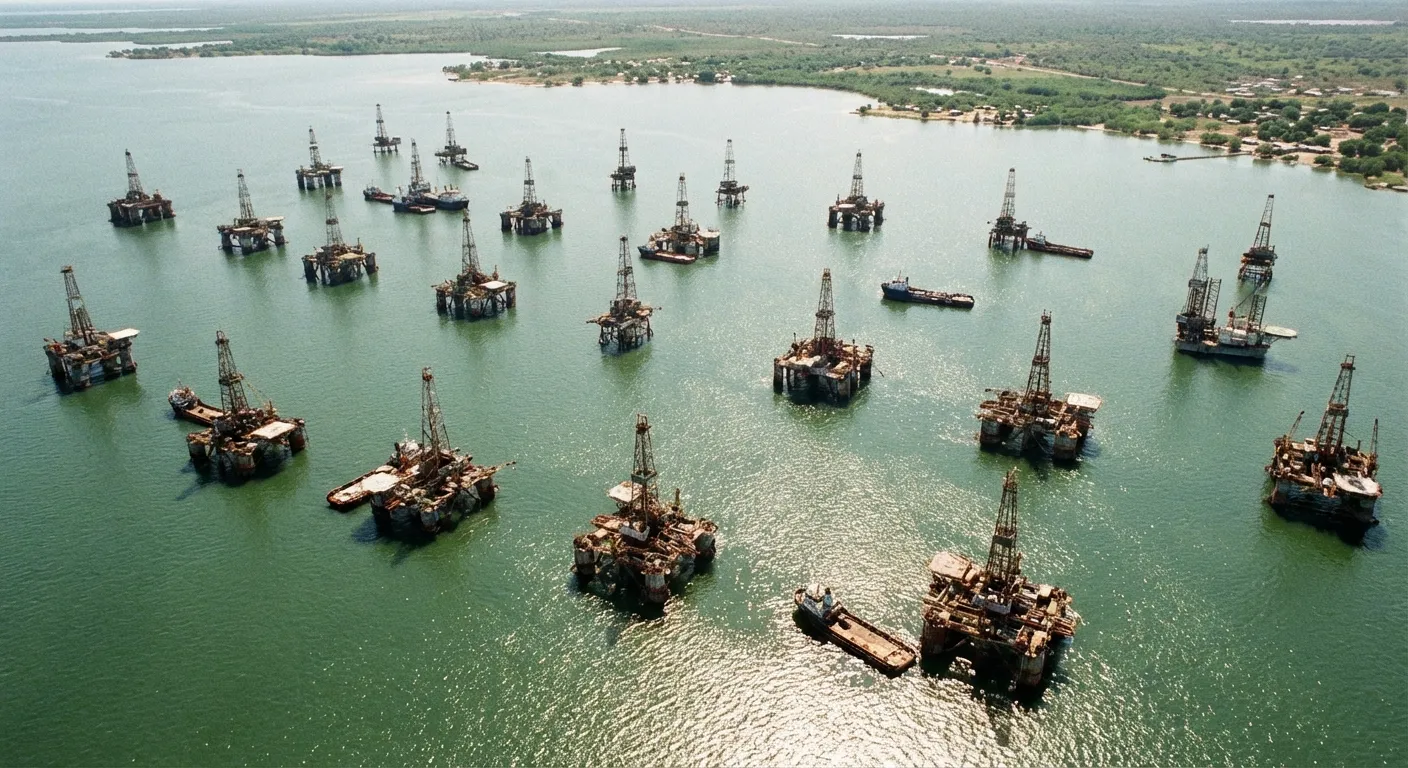
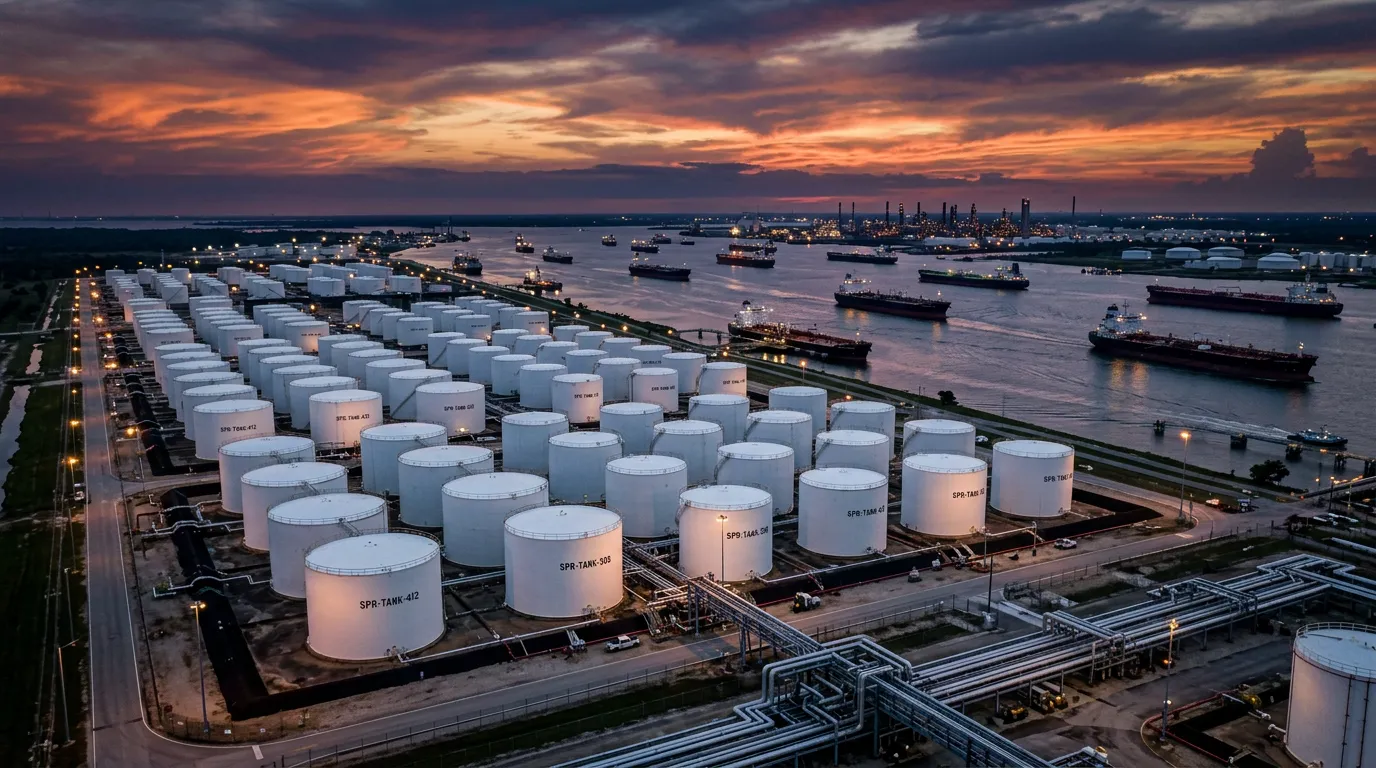
The numbers illustrate the scale of the collapse. Venezuela sits on the world's largest proven oil reserves, roughly 300 billion barrels. At its peak in the late 1990s, the country produced approximately 3.5 million barrels per day. By the time Maduro fell, that figure had cratered to fewer than 800,000, as PDVSA (the state oil company) lost technical expertise, equipment degraded without replacement parts, and sanctions cut off access to international markets and financing.
The Treasury Department issued a general license on Tuesday, the same day Wright arrived, authorizing US companies to explore and produce oil and gas in Venezuela. That license effectively ends the sanctions regime that had been in place since 2017 and opens the door for American energy companies to return to a country most had abandoned.
The $100 Billion Question
The reconstruction plan Wright outlined involves three phases. The first, already underway, focuses on stabilizing existing production by repairing PDVSA's most critical infrastructure: pipelines, processing facilities, and export terminals. The second phase targets bringing production back to 2 million barrels per day within three years through new drilling and foreign investment partnerships. The third phase envisions full modernization of Venezuela's energy sector, including natural gas development and power grid reconstruction.
The $100 billion figure is the Trump administration's estimate for the total investment needed across all three phases. Much of that capital would come from private energy companies, not the US government, but Washington is dangling incentives: favorable regulatory treatment, loan guarantees from the Export-Import Bank, and diplomatic support for companies willing to take the risk.
Chevron, which maintained a limited presence in Venezuela even during the sanctions era through a special Treasury license, is positioned to be the first major American company to expand operations. ExxonMobil, which had its Venezuelan assets seized by the Maduro government in 2007, faces a more complicated legal path but has reportedly been in discussions with the transitional government about returning.
Why It Matters Beyond Oil
The Venezuela energy reset is about more than barrels and balance sheets. For the Trump administration, it serves multiple strategic objectives simultaneously.
First, increased Venezuelan production helps keep global oil prices in check. With OPEC maintaining production cuts and Middle East tensions threatening supply disruptions, additional Western Hemisphere supply provides a buffer that benefits American consumers at the gas pump.
Second, it weakens Russia's and China's influence in Venezuela. Both countries invested heavily in the Maduro government, with China extending over $60 billion in loans backed by oil shipments and Russia providing military equipment and diplomatic cover. A US-aligned Venezuela that redirects its oil exports toward American refineries reduces the leverage both countries built during the Maduro era.
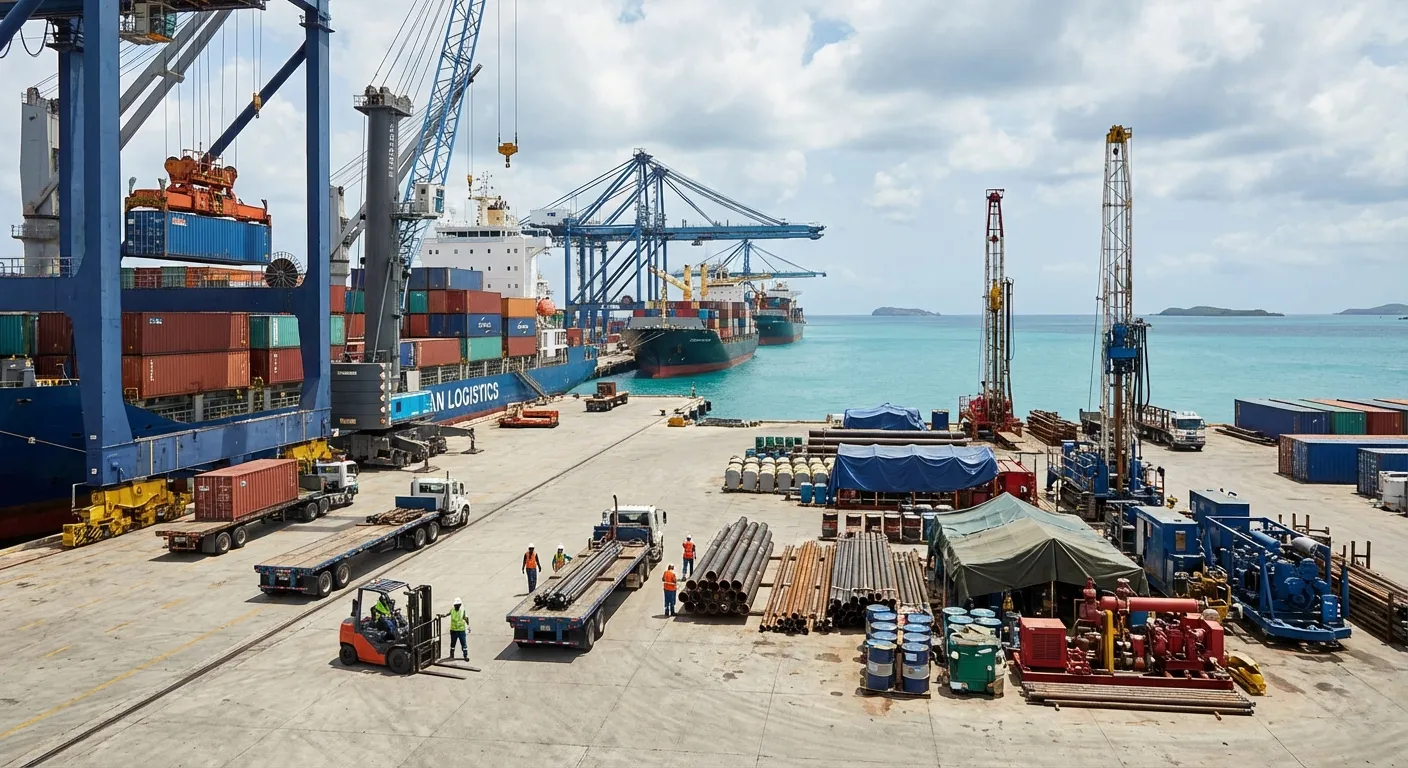
Third, it's a jobs argument. Wright emphasized that rebuilding Venezuela's energy sector would create demand for American oil services companies, equipment manufacturers, and technical consultants. Houston-based firms that lost Venezuelan contracts during the sanctions era are already positioning to return.
But the risks are substantial. Venezuela's political situation remains unstable. The transitional government doesn't have a democratic mandate yet. Labor unrest, lingering Maduro loyalists in the military, and questions about Rodriguez's long-term intentions could all derail reconstruction before it gains momentum. Companies investing billions in infrastructure need political stability that Venezuela hasn't demonstrated in years.
Inside Venezuela, the energy reset is viewed with both hope and wariness. Orlando Ochoa, a Caracas-based economist who has tracked PDVSA's decline for two decades, told Reuters that "Venezuelans want the jobs and electricity that a functioning oil sector would bring, but many are asking who will actually benefit. The last oil boom enriched the political class and left ordinary Venezuelans with blackouts." Maria Corina Machado, the opposition leader who played a central role in the January transition, has publicly called for transparent revenue-sharing mechanisms before foreign investment accelerates, warning that without them, "we risk building a new extraction economy that looks exactly like the old one."
What to Watch
Wright's visit is the opening move, not the final word. The next milestones to track: whether Chevron and other majors announce formal expansion plans in the coming weeks, whether PDVSA can stabilize current production without further declines, and whether the transitional government sets a timeline for elections that international observers deem credible. The energy money flowing into Venezuela will depend on all three. If the political situation holds, this could become the most significant US energy play in Latin America since the shale revolution. If it doesn't, it'll be another chapter in Venezuela's long history of squandered potential.
Sources
- US Energy Secretary Chris Wright touts oil production on Venezuela visit - Al Jazeera, February 2026
- US Energy Secretary Chris Wright visits Venezuela to assess oil industry overhaul - US News, February 2026
- Energy Secretary Chris Wright will discuss oil flow with state-run company in Venezuela - Washington Examiner, February 2026
- US Energy Secretary seeks 'dramatic increase' in Venezuela energy output in historic visit - Energy Connects, February 2026