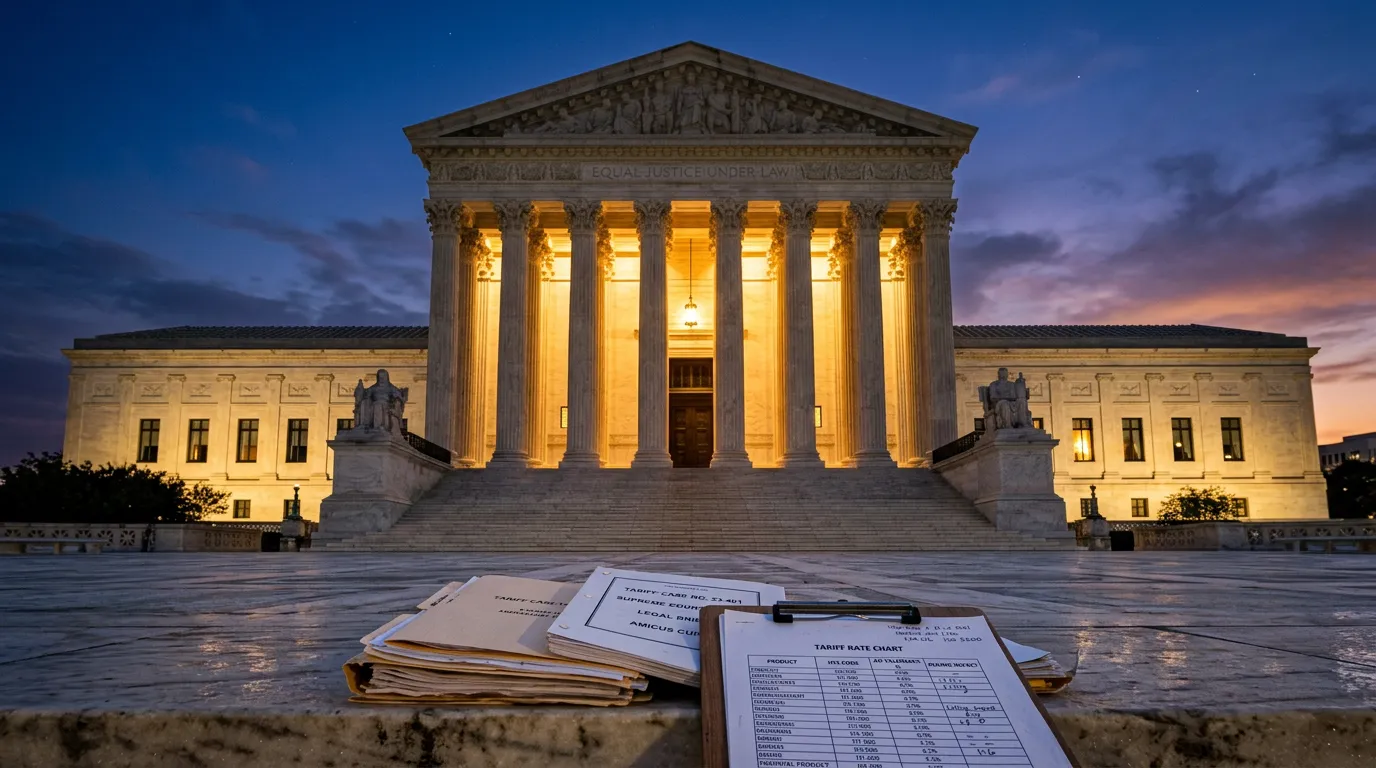
The biggest media deal in a generation ended not with a bang, but with Netflix quietly folding its hand. On Thursday, February 26, the streaming giant confirmed it would not match Paramount Skydance's $31-per-share offer for Warner Bros. Discovery, effectively ending a bidding war that had captivated Wall Street for weeks. Netflix CEO Ted Sarandos put it bluntly: the deal was "no longer financially attractive."
What happens next will reshape how Americans consume entertainment, news, and sports for the next decade. David Ellison, the 43-year-old son of Oracle founder Larry Ellison, now stands to control not just Paramount and its studios but the entirety of Warner Bros. Discovery, including HBO, CNN, Max, TBS, TNT, Discovery, and HGTV. If regulators approve, Ellison will become arguably the most powerful person in media since Rupert Murdoch's peak.
How the Bidding War Unfolded
The saga began in January when Netflix announced a blockbuster agreement to acquire Warner Bros. Discovery's streaming and studio operations for $82.7 billion in total enterprise value, roughly $27.72 per share in equity plus $10 billion in assumed debt. The deal would have given Netflix ownership of HBO's programming library, the Warner Bros. film studio, and the Max streaming platform while leaving WBD's cable networks as a separate entity.
Paramount Skydance, which had completed its own acquisition of Paramount just months earlier under Ellison's leadership, saw an opening. Rather than compete for pieces, Paramount went bigger: it offered to buy the entire company, cable channels and all. WBD's board initially labeled the bid "potentially superior" on February 25, then upgraded it to "superior" the following day after Paramount sweetened the offer to $31 per share.
Netflix had a four-day window to match. It didn't. Sarandos, speaking at a BAFTA event in London before the official announcement, had projected confidence: "If you wanna try and outbid our deal, just make a better deal. Just put a better deal on the table." Paramount called that bluff, and Netflix chose discipline over escalation.

Why Netflix Walked Away
Netflix's retreat reveals something important about the company's strategic calculus. At $27.72 per share, Netflix was buying content, specifically the parts of WBD that fit its streaming-first model. At $31 per share for everything, the math changed. Netflix would have been absorbing linear cable networks, a news division, and billions in additional debt that didn't align with its core business.
There's also a regulatory dimension. Netflix CEO Sarandos met with White House officials on Thursday before the Warner announcement, a visit that raised eyebrows about potential political headwinds. California Attorney General Rob Bonta added to the uncertainty, noting that "Paramount/Warner Bros is not a done deal" and that his office has an open investigation.
For Netflix, walking away may prove to be the smarter long-term play. The company still dominates global streaming with over 300 million subscribers, and it avoided taking on the operational complexity of running CNN, managing cable distribution deals, and navigating the slow decline of linear television. Sometimes the best deal is the one you don't make.
The Ellison Empire Takes Shape
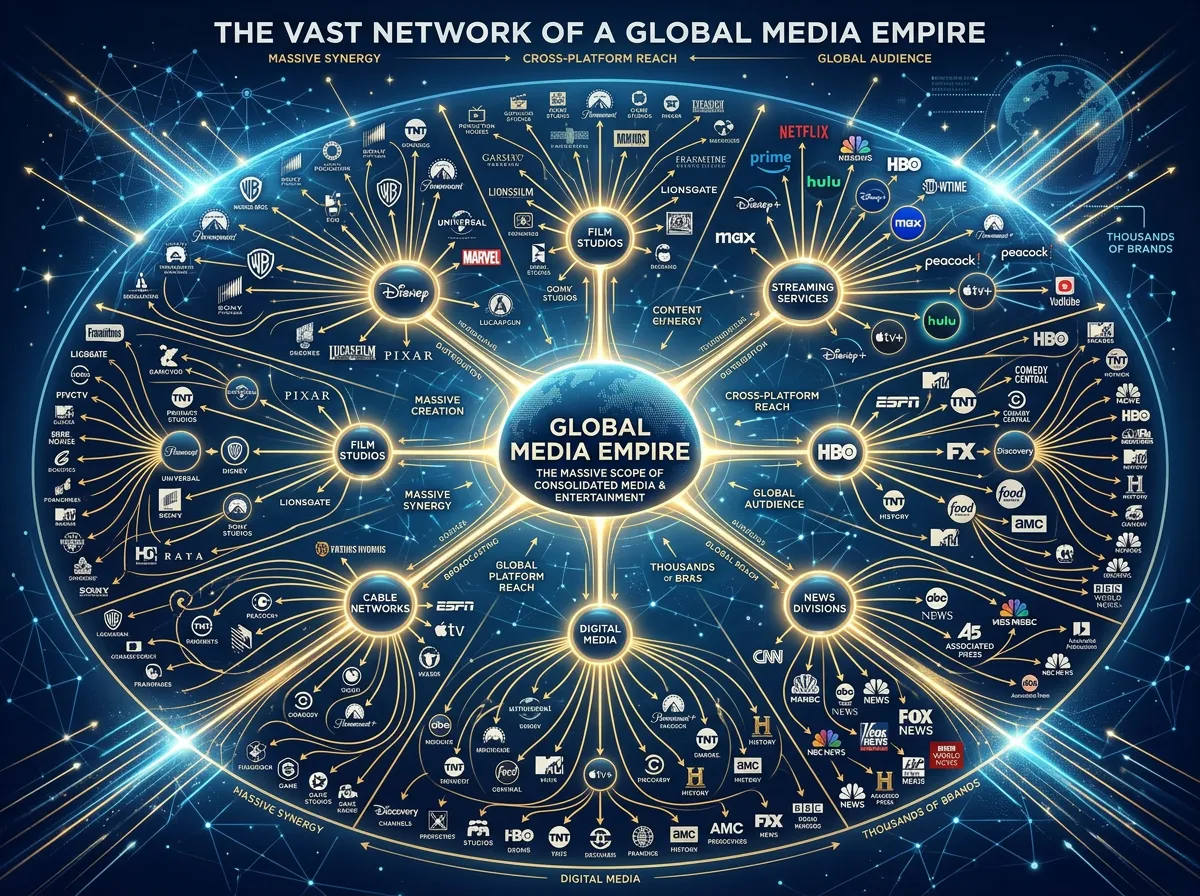
If this deal closes, David Ellison will control a media portfolio that would have seemed impossible even five years ago. The combined Paramount-WBD entity would own three major film studios (Paramount Pictures, Warner Bros., and New Line Cinema), two global streaming platforms (Paramount+ and Max), two broadcast news operations (CBS News and CNN), premium cable's crown jewel (HBO), and a sprawling cable network portfolio.
The political dimension cannot be ignored. FCC Chairman Brendan Carr has already praised changes at CBS News under Paramount-backed leadership, signaling a friendly regulatory environment. The Ellison family's connections to the current administration, Larry Ellison has been a prominent figure in tech circles adjacent to the White House, could smooth the path that a Netflix acquisition might not have enjoyed.
A Historical Parallel That Should Worry Ellison
The media industry has seen mega-mergers before, and the track record is mixed at best. The most instructive parallel is not the often-cited AOL-Time Warner disaster of 2000, but AT&T's $85 billion acquisition of Time Warner in 2018. AT&T believed that combining a distribution network with premium content would create an unbeatable competitive advantage. Instead, the company struggled to integrate vastly different corporate cultures, took on crushing debt, and ultimately spun off WarnerMedia just three years later at a fraction of its purchase price.
Ellison faces a version of the same challenge, only larger. Paramount itself is still in the early stages of integration after the Skydance takeover. Adding Warner Bros. Discovery on top means absorbing a company that was itself the product of a troubled 2022 merger between WarnerMedia and Discovery. That's three major corporate integrations layered on top of each other within five years. The operational complexity is staggering.
The AT&T precedent suggests that owning content and distribution sounds better in a boardroom than it works in practice. AT&T's CEO at the time, John Stankey, had the same vision of a vertically integrated media giant. The vision collapsed under the weight of debt service, culture clashes, and a streaming market that rewarded focused execution over empire-building. Ellison will need to demonstrate that Skydance's lean, tech-adjacent culture can somehow absorb HBO's creative independence, CNN's journalistic mission, and Discovery's reality TV machine without diluting what makes each valuable.
The key difference working in Ellison's favor is timing. AT&T bought at the peak of cord-cutting uncertainty. Ellison is buying when the streaming landscape has matured enough that the winners and losers are clearer. But the debt load, the integration challenge, and the sheer breadth of the combined portfolio should temper the enthusiasm.
What Consumers Should Expect
For the estimated 150 million combined subscribers across Max and Paramount+, the immediate impact will be minimal. Regulatory review will take months, with a projected closing window between September and December 2026. Even after closing, streaming platform mergers take years to fully integrate. Discovery+ still exists as a separate app years after the WBD merger.
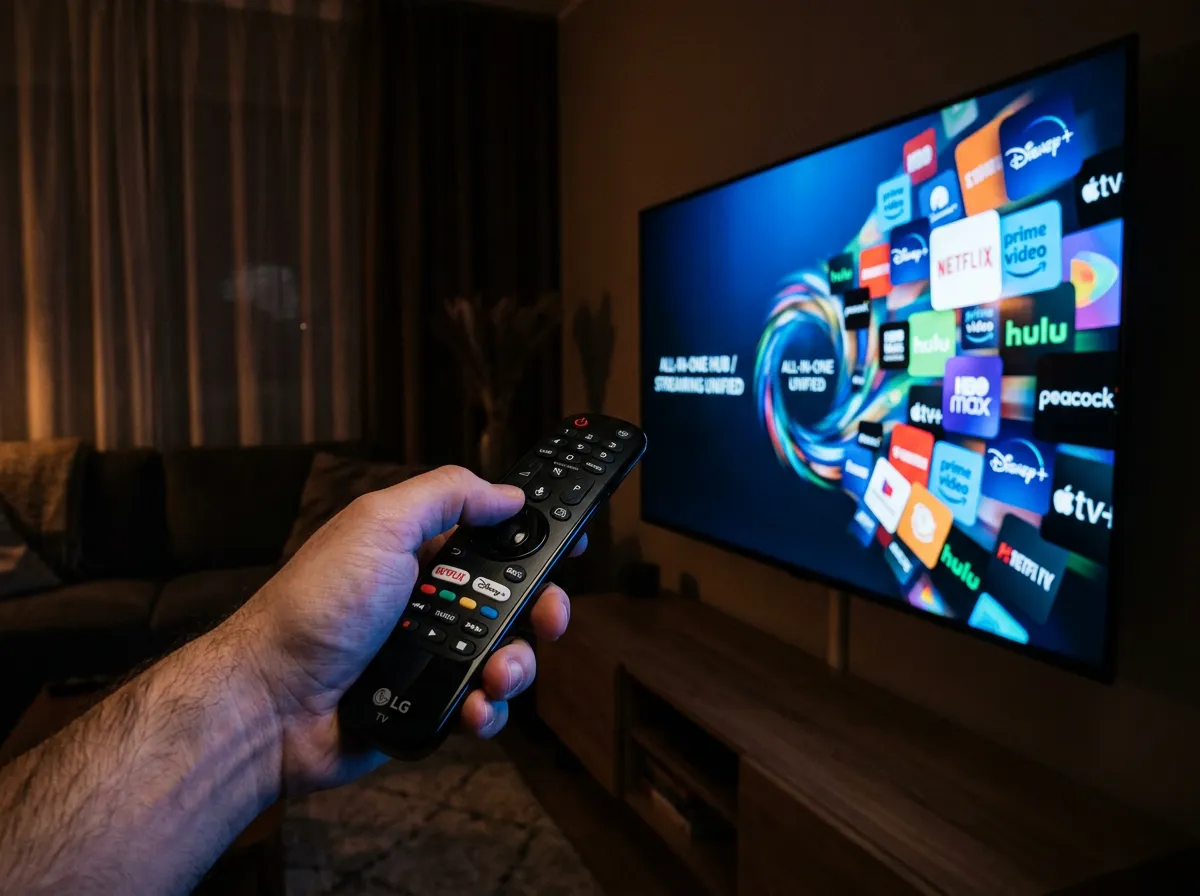
The longer-term question is whether consolidation leads to higher prices. With fewer major streaming competitors, the pressure to undercut on price diminishes. A combined Max-Paramount+ platform would have extraordinary content depth, from HBO prestige dramas to Paramount's film library to CBS sports, and extraordinary pricing power to match.
The Bigger Story
This deal marks the end of a specific era in media. For the past decade, the industry operated on the assumption that streaming would be a many-player market where content libraries were the primary competitive weapon. That assumption drove every major media company to launch its own platform, fragment its content, and burn through billions in losses chasing Netflix's subscriber numbers.
The Paramount-WBD combination signals that the market has reached its consolidation phase. The streaming wars are not ending, but the number of combatants is shrinking. Within a year, the major players could be reduced to Netflix, a combined Paramount-WBD platform, Disney+, and Apple TV+, with Amazon's Prime Video operating in its own ecosystem.
The specific indicator to track is the combined company's first earnings report after closing. If Ellison announces plans to merge Max and Paramount+ into a single platform within 12 months, it signals confidence in the integration. If the platforms remain separate beyond mid-2027, it likely means the operational challenges are proving as difficult as the AT&T precedent suggests. Either way, the era of building media empires by stacking acquisitions is being tested one more time, and this time, the stakes are higher than ever.
Sources
- In reversal, Warner Bros. jilts Netflix for Paramount - NPR
- Netflix backs out of bid for Warner Bros. Discovery, giving studios, HBO, and CNN to Ellison-owned Paramount - TechCrunch
- Netflix ditches deal for Warner Bros. Discovery after Paramount's offer is deemed superior - CNBC
- Netflix shockingly bows out, leaving Paramount as the apparent Warner Bros. winner - CNN Business