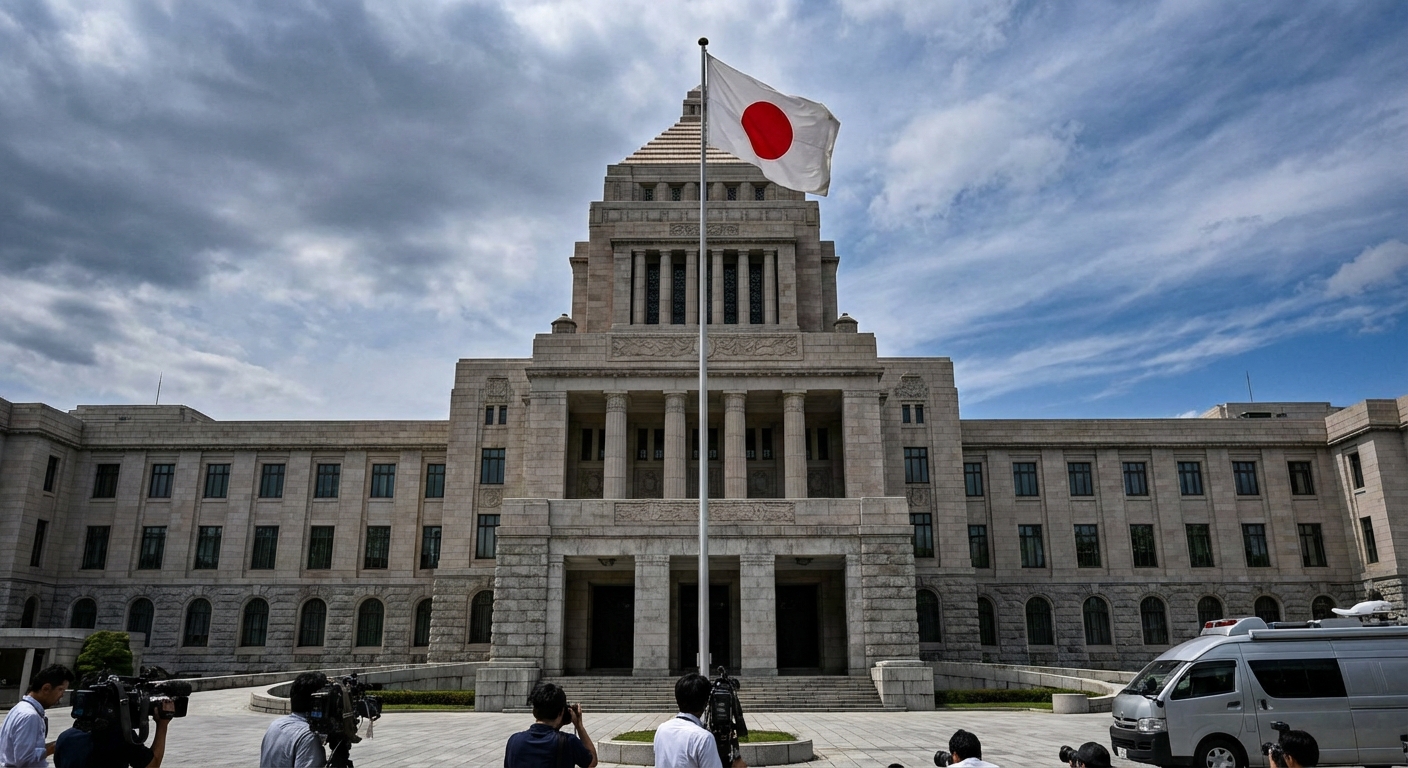
Japan’s Prime Minister Sanae Takaichi is making a bold move. Just three months into her historic tenure as the country’s first female leader, she’s dissolving parliament and calling a snap election for February, a gamble that could either cement her power or cut her premiership short.
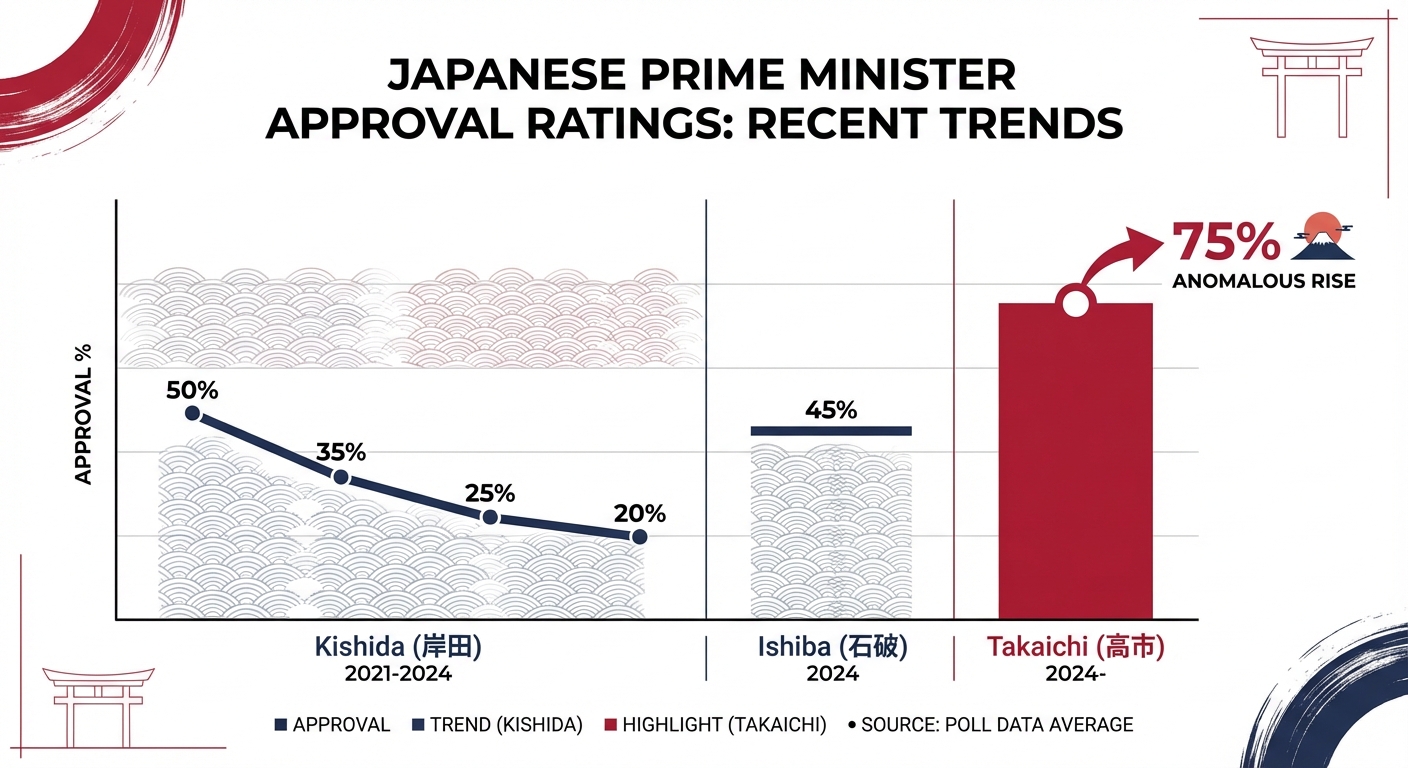
The announcement, confirmed Wednesday by senior Liberal Democratic Party officials, means Japanese voters will head to the polls on February 8, the earliest February election in decades. It’s a high-stakes bet on timing: Takaichi’s approval ratings are hovering at a remarkable 75%, numbers that rarely last in Japanese politics. She’s cashing in her political capital now rather than waiting to see it erode.
What’s Happening
Prime Minister Takaichi will dissolve the Lower House on January 23, the opening day of the regular parliamentary session. Election day is set for February 8, though February 15 remains a backup option. The compressed timeline means campaigns will run through the coldest part of Japanese winter.
The move comes just 100 days after Takaichi became LDP president on October 5 and subsequently prime minister. She inherited a precarious parliamentary situation: the LDP-led coalition holds just 233 seats in the 465-seat Lower House, a razor-thin majority that makes governing difficult. Every major vote becomes a negotiation.
Takaichi’s goal is straightforward. Win a larger majority, stabilize her government, and gain the mandate to pursue her policy agenda for the next four years.
Why It Matters
This election will determine whether Japan gets stable leadership during an unusually turbulent period in Asia. The ongoing China-Japan diplomatic crisis has heightened regional tensions, and Japan faces difficult decisions on defense spending, its alliance with the United States, and its economic relationship with China.
A February election is unusual for Japan. Elections typically happen in summer or fall, when weather is more conducive to voter turnout. Winter elections suppress participation, which historically benefits the ruling party whose supporters tend to be more reliable voters. Takaichi’s team is counting on that dynamic.
The timing also matters for the budget. Japan’s fiscal year begins in April, and passing the ¥122.3 trillion ($769 billion) budget before then requires parliamentary action. An earlier February 8 date gives the government more runway than February 15 would.
The Context You Need
To understand why Takaichi is taking this risk, you need to understand what she inherited.
Former Prime Minister Fumio Kishida resigned last year amid a devastating slush fund scandal that implicated dozens of LDP members. His successor, Shigeru Ishiba, lasted only weeks before losing a parliamentary confidence vote. The LDP was in freefall, and longtime coalition partner Komeito, fed up with the chaos, walked away from the ruling alliance in October after 26 years.
Takaichi stepped into this wreckage and somehow stabilized it. She formed a new coalition with the Japan Innovation Party, purged scandal-tainted members from the party, and projected competence during a period of regional uncertainty. Her approval ratings reflect genuine relief among voters that someone appears to be in charge.
But 75% approval in month three rarely means 75% approval in month twelve. Japanese prime ministers have a pattern of starting strong and fading fast. Kishida began with 60% approval before cratering to 20%. The question Takaichi faces is whether to govern with a weak majority for years or gamble on elections now while her numbers hold.
She’s choosing to gamble.
What the Opposition Says
Constitutional Democratic Party leader Yoshihiko Noda sees an opening. The CDP holds 148 seats and has been courting Komeito, the LDP’s former partner that still controls 24 seats. An alliance between the two would create a formidable opposition bloc.
“We will make this election a referendum on the LDP’s corruption and arrogance,” Noda said in an NHK interview this week. He’s betting that even a popular prime minister can’t fully escape her party’s scandals.
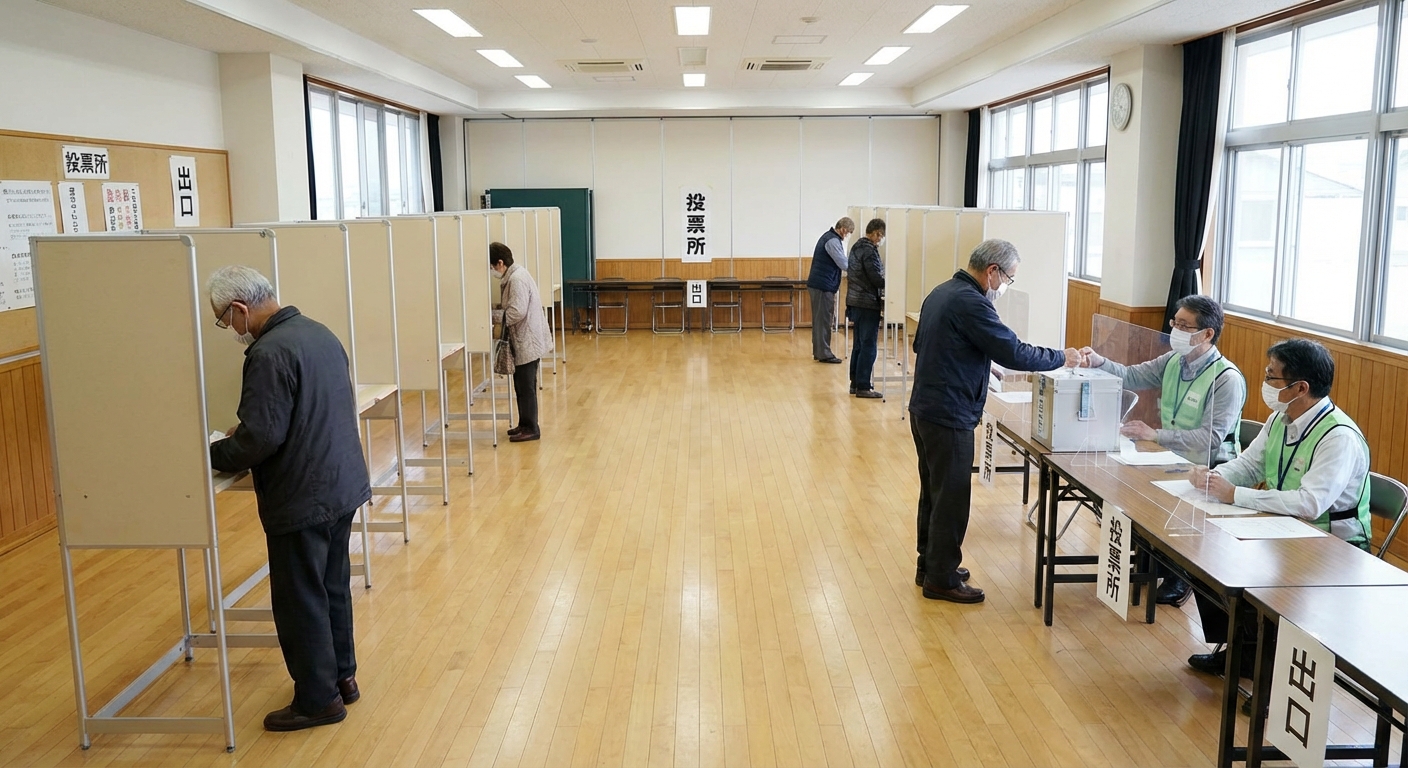
The wild card is voter turnout. If the opposition can mobilize young voters and urban residents who typically skip winter elections, Takaichi’s safe bet becomes considerably riskier. Polling shows the LDP leading, but polls have underestimated opposition strength in recent Japanese elections.
What to Watch
February 8 results: The LDP-JIP coalition needs 233 seats to maintain a majority. Takaichi is hoping for 250 or more, which would give her comfortable governing room. Anything under 233 would be a disaster, potentially ending her premiership before it really begins.
Komeito’s next move: Will the former coalition partner align with the opposition or remain neutral? Their 24 seats could determine who controls parliament.
Turnout numbers: Low turnout (below 50%) likely means LDP wins comfortably. Higher turnout could indicate an opposition surge.
International reaction: Japan’s allies, particularly the United States, are watching closely. A stable Japanese government is central to the Biden administration’s Indo-Pacific strategy, and election uncertainty creates diplomatic complications.
The Bottom Line
Japan’s first female prime minister is betting everything on a February election, hoping to convert sky-high approval ratings into a durable parliamentary majority. It’s a gamble that could define her legacy: either the shrewd move of a leader who seized the moment, or a costly miscalculation that cut short a historic premiership. Japanese voters will deliver their verdict in less than a month.
Sources: CNBC, Bloomberg, Japan Times, Al Jazeera, NHK, France24, Nikkei