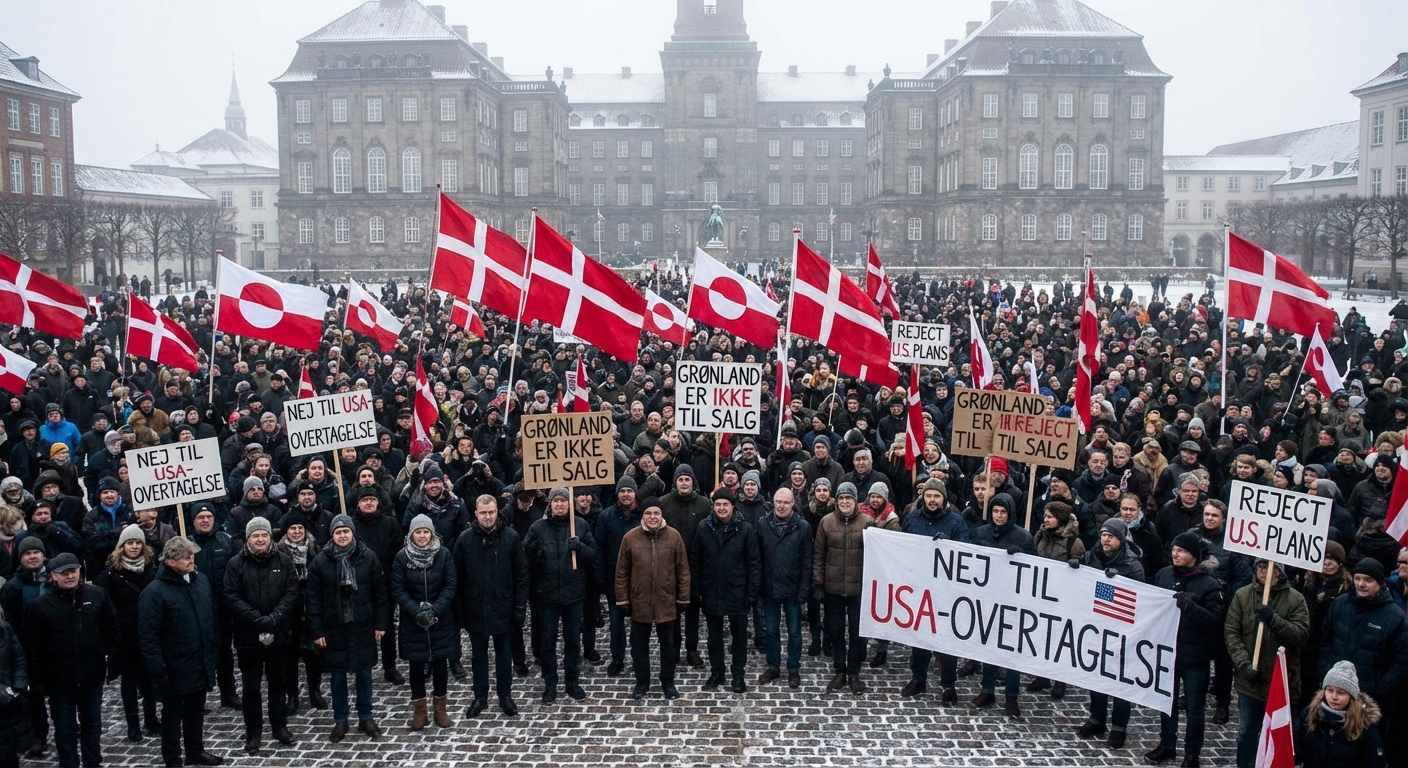
The streets of Copenhagen filled with protesters this weekend, their message unmistakable: Greenland is not for sale. Thousands marched through the Danish capital waving flags and carrying signs rejecting the U.S. push to acquire the Arctic territory. Similar protests took place in Nuuk, Greenland’s capital, where residents made clear their own opposition to becoming American.
The demonstrations represent the most visible public response yet to President Trump’s ongoing campaign to bring Greenland under U.S. control. What started as campaign rhetoric has become active policy, complete with tariff threats against European allies who oppose the move. The protests suggest that policy has badly misjudged how Danes and Greenlanders would respond.
What the Protesters Are Saying
The Copenhagen march drew participants across demographic and political lines. Families pushed strollers alongside university students. Elderly Danes who remember earlier American base negotiations stood with young activists. The common thread was rejection of what many called an insult to Danish sovereignty.
Signs carried messages ranging from polite rejection to pointed mockery. “We are not for sale” appeared frequently, alongside “Greenland belongs to Greenlanders” and various creative responses to the proposal. Danish flags flew alongside Greenlandic flags, a visual representation of the relationship the protesters sought to defend.
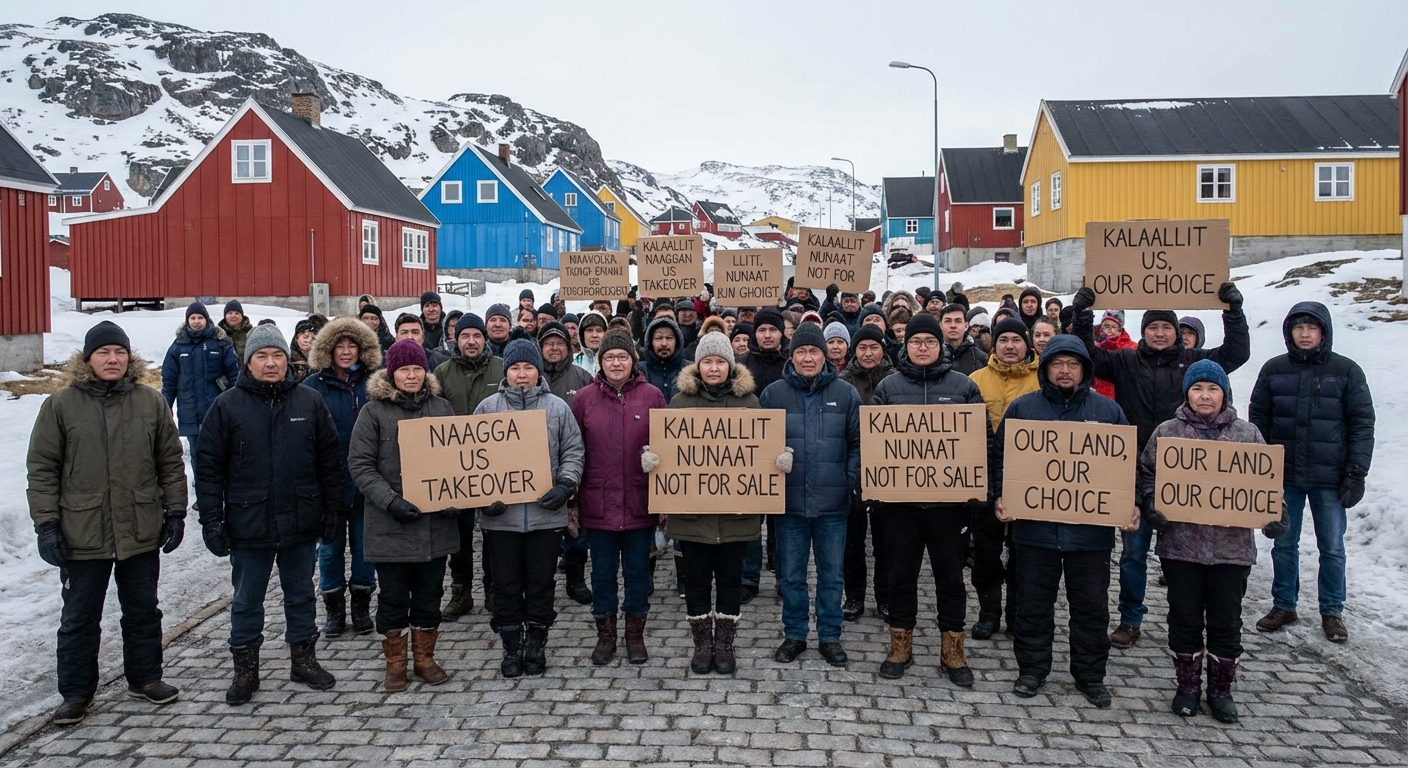
In Nuuk, the protests were smaller but equally pointed. Greenlanders emphasized their territory’s self-governing status within the Danish realm and their own voice in decisions about their future. The message wasn’t just that Denmark shouldn’t sell Greenland but that Greenland itself has no interest in American sovereignty.
The Strategic Calculation That Backfired
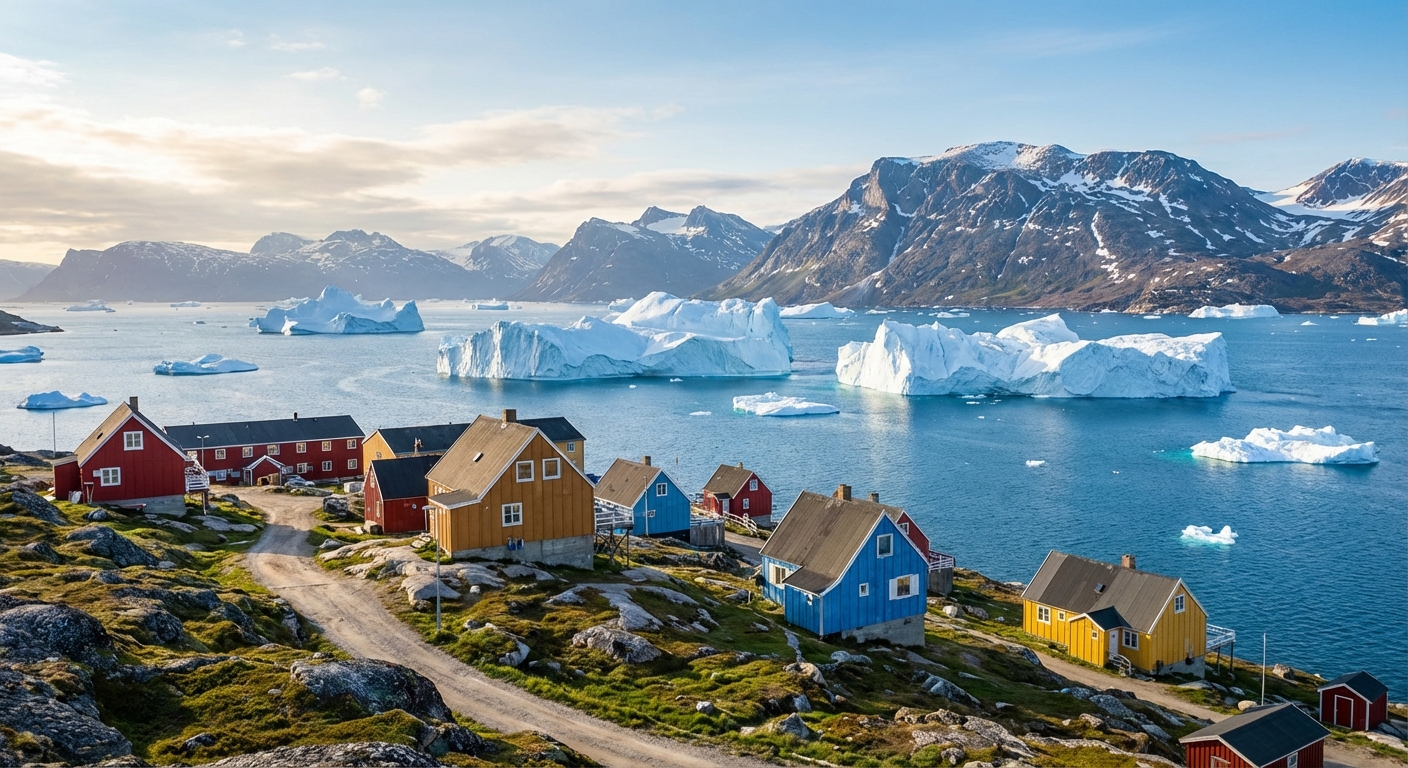
American interest in Greenland isn’t new and isn’t irrational. The territory sits atop valuable mineral deposits, including rare earths essential for electronics and defense technology. Climate change is opening Arctic shipping routes that could reshape global trade. And military planners have long valued Greenland’s strategic position between North America and Europe.
Previous administrations expressed interest quietly and were rebuffed quietly. The current approach, public demands, tariff threats, and treating a NATO ally’s territory as a real estate opportunity, has transformed quiet refusal into public resistance.
The tariff threats announced against eight European countries opposing the Greenland push have deepened the damage. Denmark’s allies now have direct economic stakes in the controversy. What might have remained a bilateral irritant has become a broader Atlantic rupture.
What Denmark Can Actually Do
Denmark’s options are constrained but not nonexistent. The country is a NATO member, which provides some protection against extreme pressure but also creates complications. The alliance depends on American participation, and Denmark has typically sought to maintain good relations with Washington regardless of which party holds power.
Economically, Denmark is well-integrated with the European Union, which provides some collective leverage. EU statements supporting Danish sovereignty have been clear, though the extent of European backing if tariffs actually materialize remains untested.
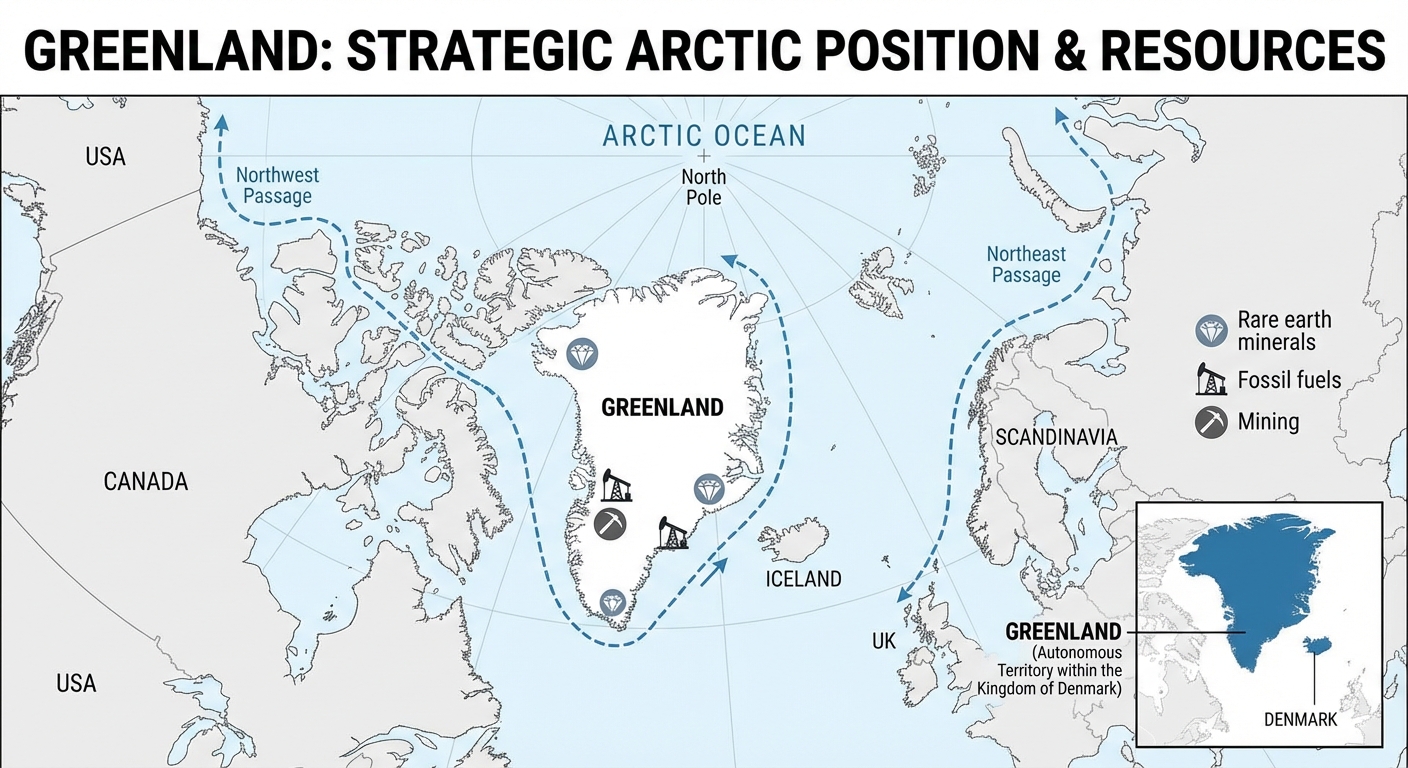
Greenland itself has increasing autonomy under a 2009 self-government agreement. Major decisions about the territory’s future, including its relationship with Denmark, require Greenlandic consent. This makes acquisition without agreement essentially impossible and acquisition through coercion extremely difficult.
The Longer-Term Implications
The Greenland controversy illuminates broader shifts in American foreign policy. The willingness to pressure allies publicly, to use economic leverage against democratic partners, and to treat territorial acquisition as a legitimate goal represents a departure from post-World War II norms.
European leaders are drawing conclusions that extend beyond this specific dispute. If Denmark can be threatened over Greenland, what security guarantees can any European country rely on? The question feeds into existing debates about European strategic autonomy and defense spending.
For Greenland itself, the episode has accelerated discussions about eventual independence. Some Greenlandic politicians argue that becoming a sovereign nation might actually provide better protection against external pressure than the current arrangement. Whether this leads anywhere depends on factors well beyond the current controversy.
What to Watch
The protests are unlikely to change American policy immediately. But they do affect the political environment in Denmark and across Europe. Leaders who accommodate U.S. demands now face visible public opposition. Leaders who resist can point to popular support.
The tariff threats remain the key variable. If implemented, they would create real economic pain and test whether European solidarity holds. If not implemented, they might be seen as bluffs that failed, potentially encouraging resistance elsewhere.
Greenland’s own political dynamics deserve attention. Elections there will likely feature the sovereignty question more prominently than before. How Greenlanders choose to respond to external pressure will ultimately matter more than what happens in Copenhagen or Washington.
The Bottom Line
The weekend protests sent a clear message: neither Denmark nor Greenland welcomes American acquisition, and public pressure won’t change that. The demonstrations exposed how badly the administration misjudged the situation, treating a question of sovereignty and identity as a transaction to be closed through leverage.
What happens next depends on whether Washington recognizes the misjudgment or doubles down. For Denmark and Greenland, the path forward requires maintaining resistance while navigating relationships with an unpredictable partner. For Europe more broadly, the episode offers lessons about relying on American leadership that may inform policy for years to come.
Sources: Democracy Now!, Wikipedia Current Events, European news coverage.