It has been exactly one year since Donald Trump returned to the Oval Office, and the map of American influence looks dramatically different than it did twelve months ago. Alliances that seemed permanent have been tested. New confrontations have emerged. And relationships with both allies and adversaries have been recalibrated in ways that would have seemed unlikely just two years ago.
The second Trump administration hasn’t just adjusted foreign policy, it has attempted to redefine what America’s role in the world should be. Whether you view these changes as necessary corrections or dangerous departures depends largely on your politics. But the changes themselves are undeniable and worth understanding.
The Greenland Gambit
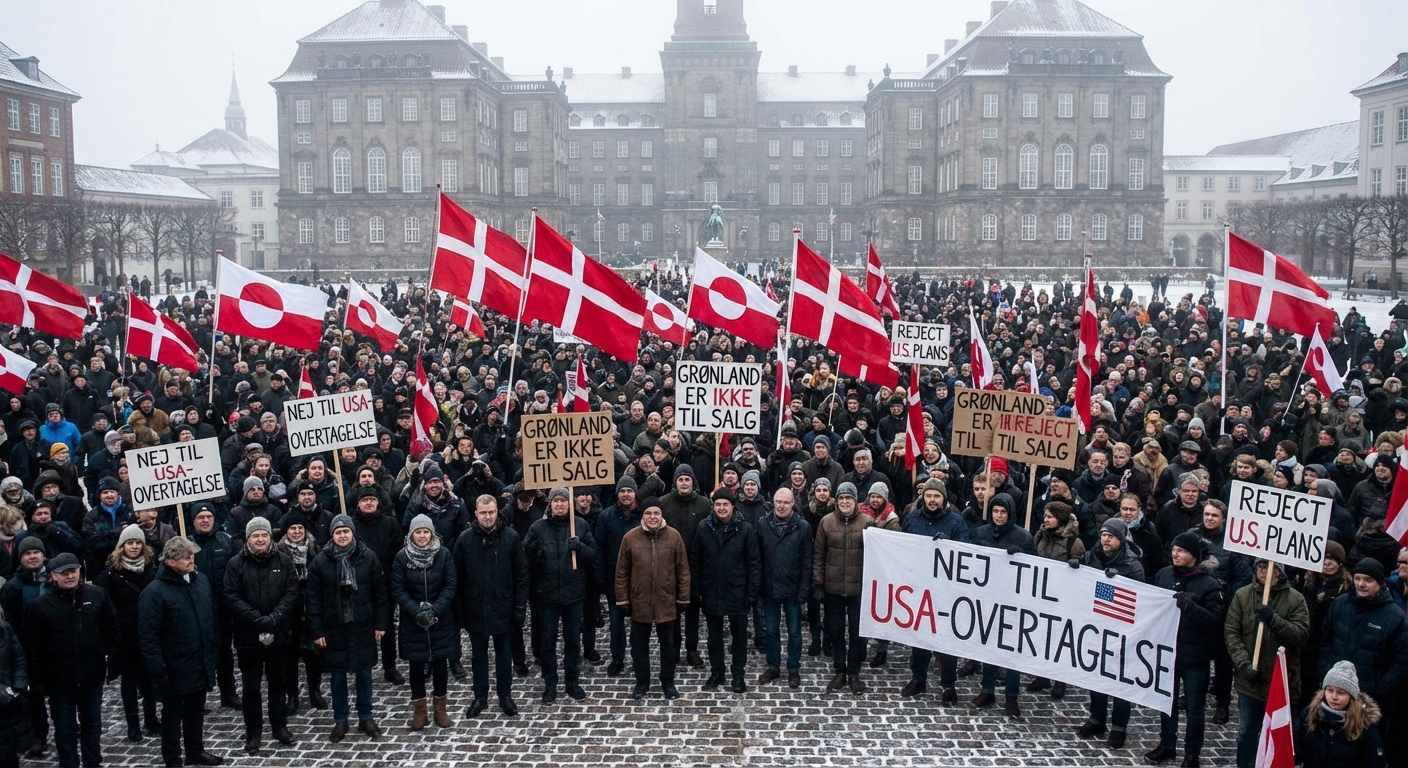
Nothing better illustrates the administration’s unconventional approach than the ongoing push to acquire Greenland. What started as campaign rhetoric has become active policy, complete with diplomatic pressure, tariff threats, and public standoffs with Denmark.
The strategic logic isn’t entirely new. Greenland sits atop critical shipping routes and rare earth mineral deposits that will become increasingly valuable as Arctic ice retreats. Previous administrations expressed interest. But Trump’s approach, treating a NATO ally’s territory as a potential real estate acquisition, has strained transatlantic relationships in ways that extend far beyond the Arctic.
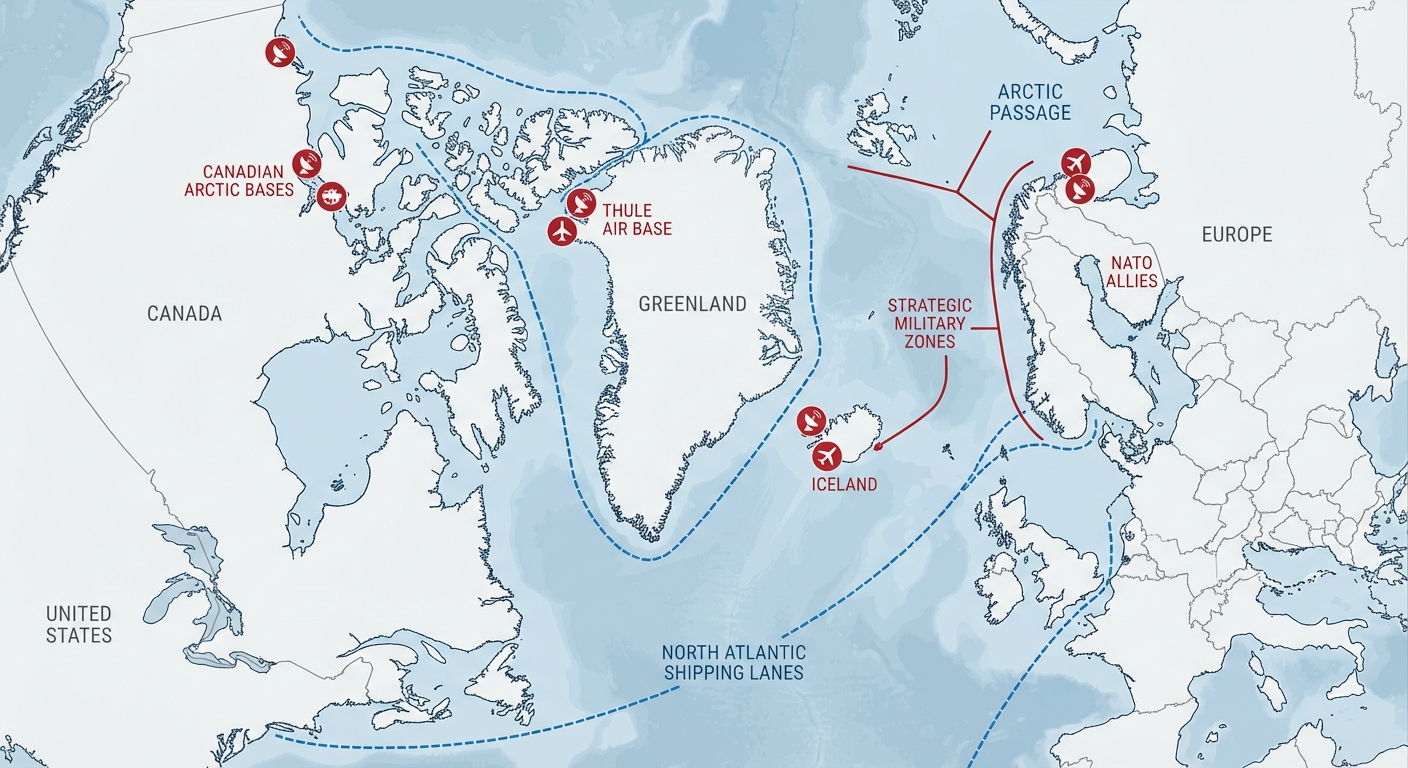
This weekend, thousands protested in Copenhagen and Nuuk against the proposed takeover. Eight European allies now face tariff threats for opposing the push. The Greenland situation has become a symbol of a broader question: what happens when American interests collide with ally sovereignty?
Latin America and the Oil Wars
The Venezuela situation has evolved from diplomatic confrontation to something resembling active intervention. U.S. forces have now seized seven Venezuelan oil tankers in the Caribbean, part of what the administration frames as pressure on the Maduro regime but critics call resource-focused aggression.
The tanker seizures represent a muscular approach to the region that echoes, in some ways, earlier eras of American foreign policy in Latin America. The administration argues that Venezuela’s oil revenues fund an authoritarian government and that disrupting them serves democratic goals. Critics counter that unilateral seizures of sovereign vessels set dangerous precedents.
Meanwhile, the broader relationship with Latin America remains complicated. Immigration enforcement has intensified, creating friction with Mexico and Central American nations. But trade relationships continue, and the administration has pursued some bilateral deals that suggest interest in the region extends beyond confrontation.
The European Relationship
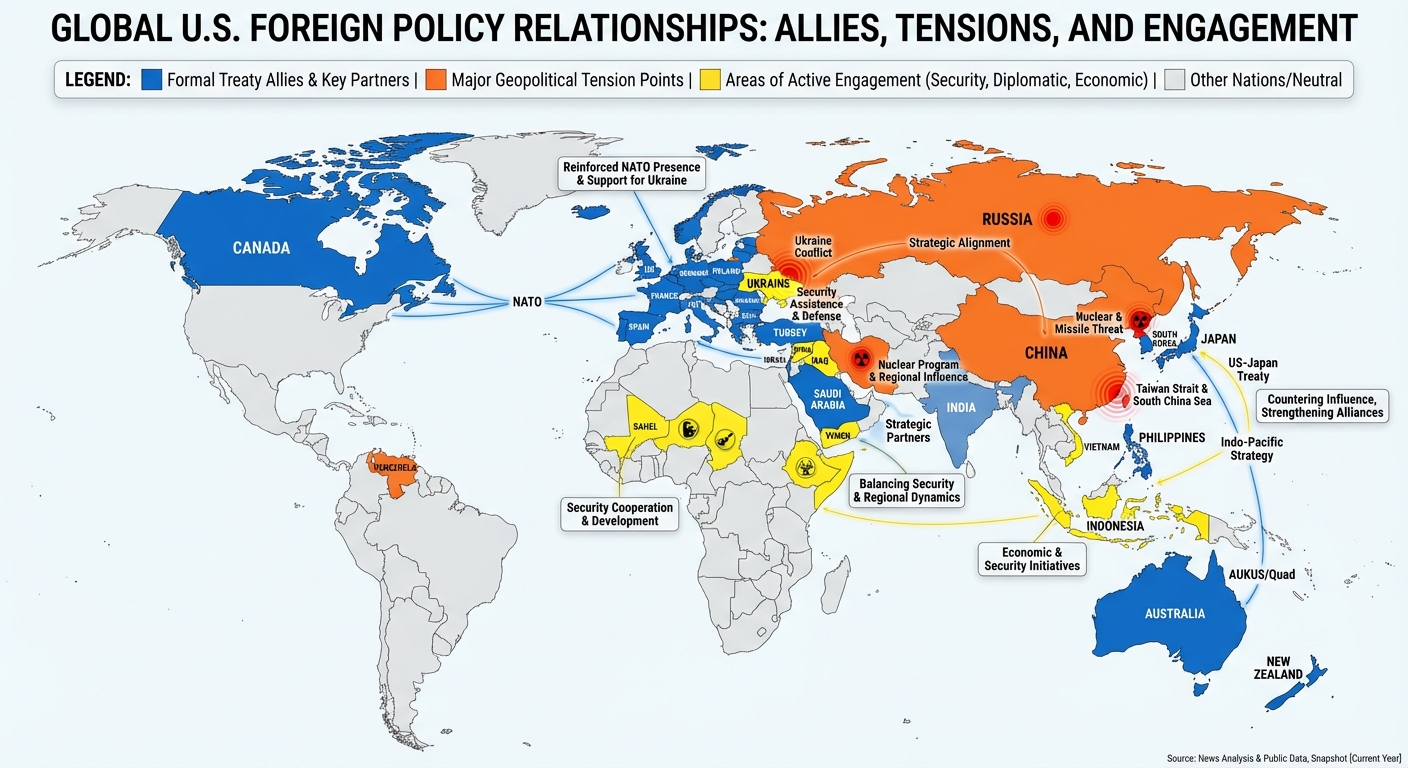
Transatlantic relations have entered unfamiliar territory. NATO remains technically intact, but the spirit of the alliance has shifted. European leaders now openly discuss strategic autonomy in ways they rarely did before, and the Greenland dispute has accelerated conversations about what Europe’s security architecture should look like if American commitment remains uncertain.
Trade tensions haven’t helped. Tariff threats have become a regular diplomatic tool, applied to allies and adversaries alike. The EU has responded with its own measures, creating an environment where economic policy and foreign policy have become difficult to separate.
Yet the picture isn’t uniformly confrontational. Some European leaders have found ways to work with the administration on specific issues, and business ties remain strong despite political tensions. The relationship is more transactional than it has been in decades, but transactions are still occurring.
Asia and the China Question
The administration’s China policy has been perhaps the most consistent element of its foreign approach, building on first-term positions with additional restrictions on technology transfers, expanded tariffs, and continued military presence in the Pacific.
What’s changed is the context. China’s own economic challenges have made some of this pressure more effective than it might otherwise have been. At the same time, other Asian nations have found themselves navigating between great powers with increasing difficulty, forced to balance economic ties to China against security relationships with the United States.
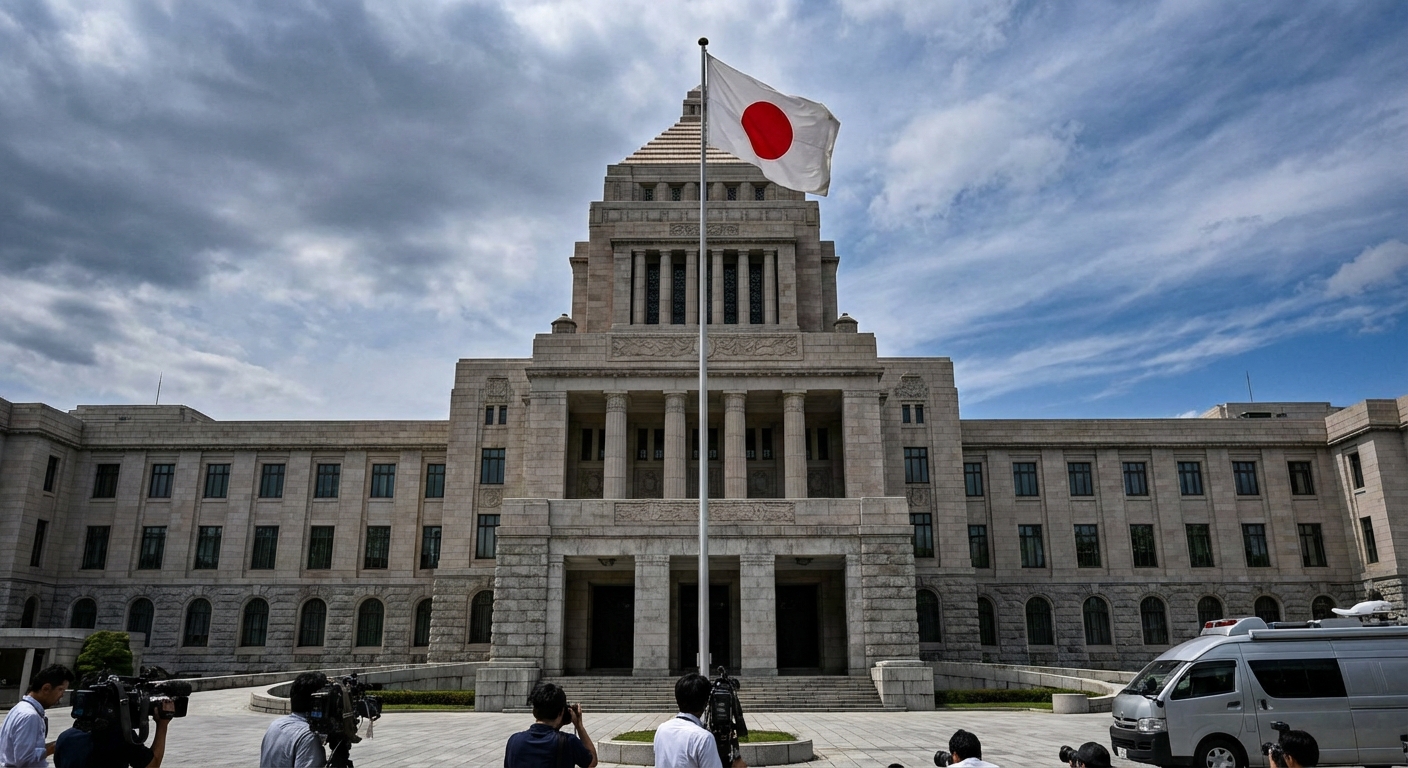
Japan, South Korea, and Australia have all adjusted their positions in various ways over the past year. None has abandoned the American alliance, but all have shown more interest in diversifying their strategic options. The question of Taiwan remains unresolved, with both deterrence and risk running high.
The Middle East Reconfigured
The Middle East remains the world’s most volatile region, and American policy there has evolved in ways both expected and surprising. Support for Israel has intensified, with fewer public disagreements over military operations in Gaza and Lebanon. Relations with Saudi Arabia have warmed around energy and investment issues.
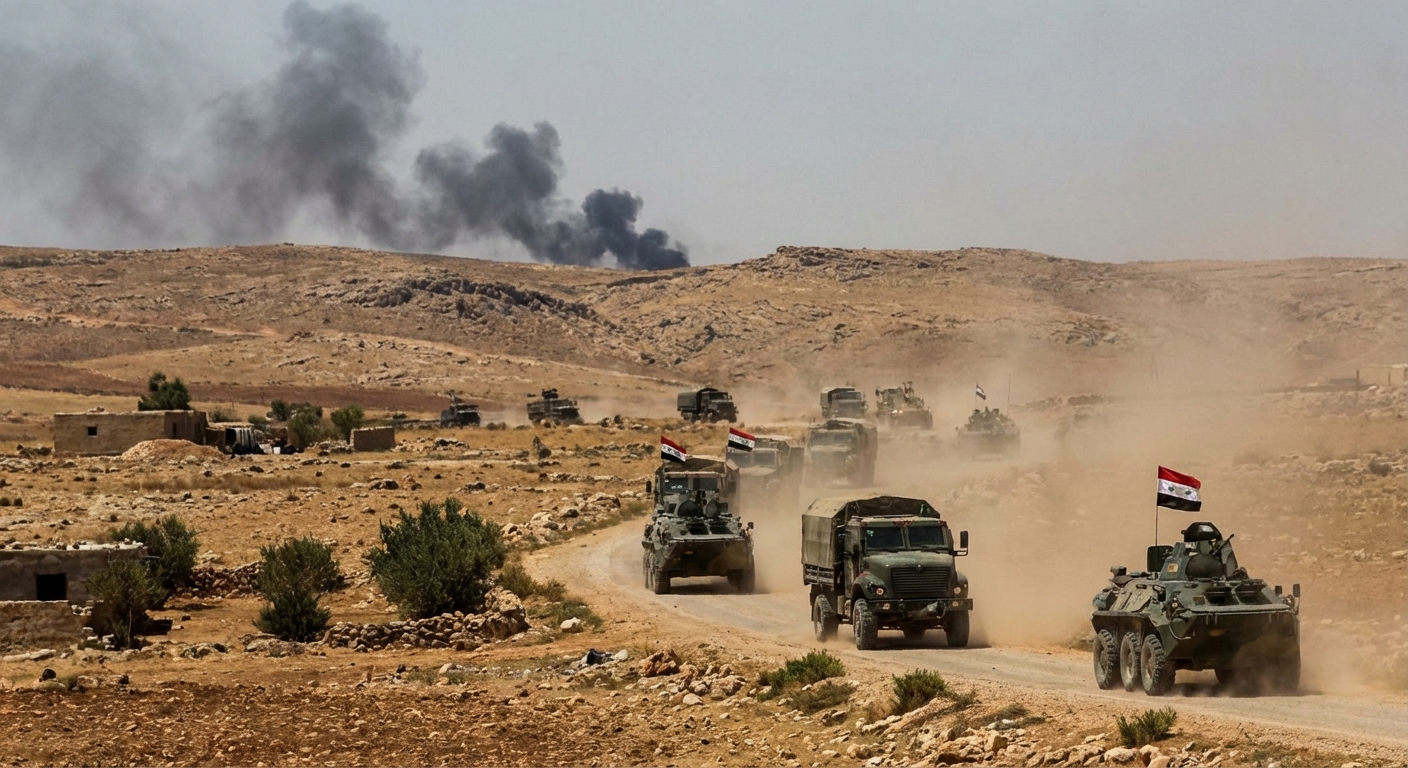
At the same time, the administration has shown less interest in the region’s other conflicts. Syria’s ongoing civil war has received minimal American attention. The question of whether to maintain troop presence in various locations has been answered differently in different places, with some withdrawals and some maintained commitments.
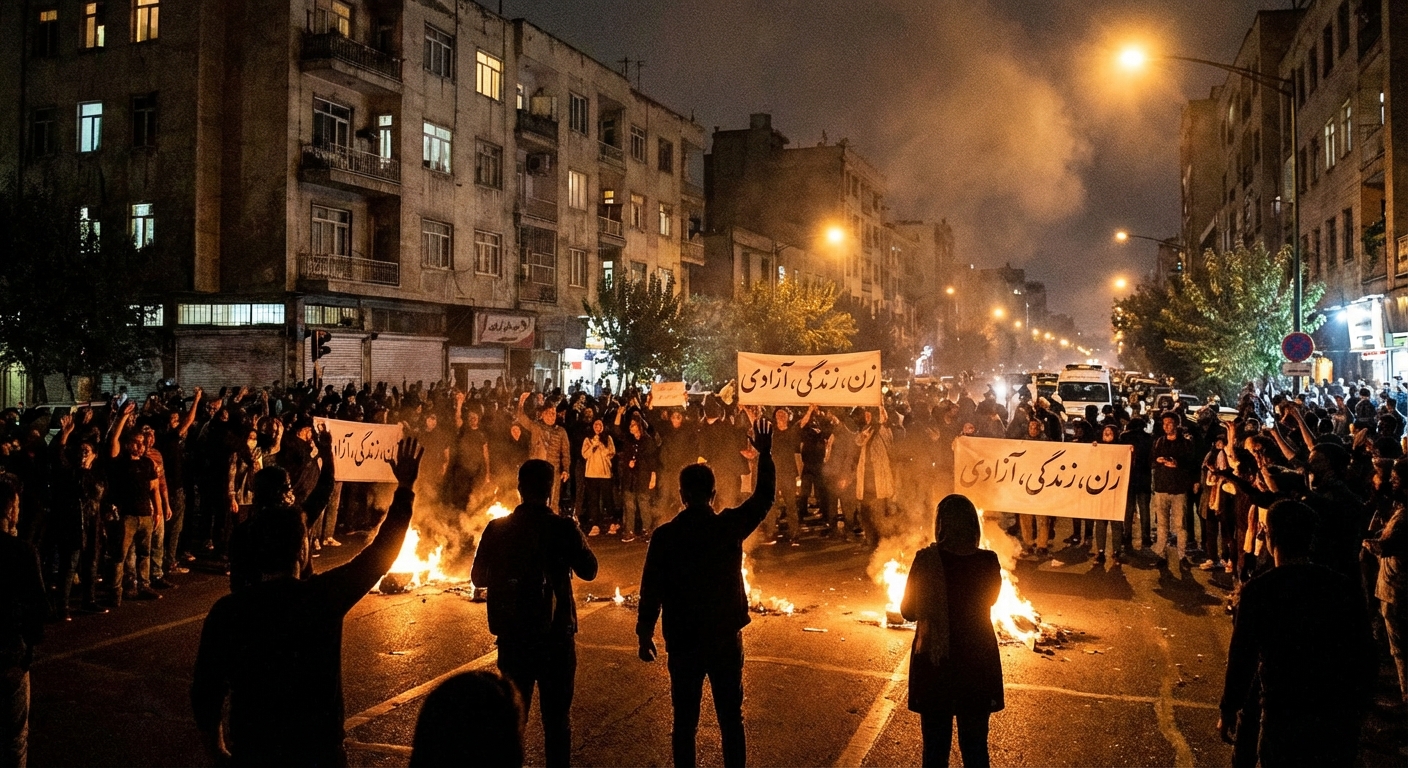
Iran policy has returned to maximum pressure, with sanctions tightened and diplomatic channels narrowed. Whether this produces regime change, nuclear breakout, or continued stalemate remains to be seen. The Abraham Accords, a genuine first-term achievement, have survived but not dramatically expanded.
The Bottom Line
One year in, Trump’s second term has produced a foreign policy that is recognizably different from any recent predecessor’s. Whether you call it “America First” or something else, the approach prioritizes bilateral deals over multilateral frameworks, uses economic leverage freely, and shows less concern for traditional alliance maintenance than administrations of either party typically have.
The results are mixed by any honest assessment. Some adversaries have been put on notice. Some allies have been alienated. Some problems have been addressed directly while others have been ignored or worsened. The world hasn’t collapsed, but neither has it become obviously safer or more stable.
What happens in year two will depend partly on how other nations respond to American assertiveness and partly on whether the administration’s approach produces the outcomes it promises. For now, the only certainty is that the rules of American foreign policy have been rewritten, and everyone, allies and adversaries alike, is still learning the new playbook.
Sources: PBS NewsHour, Democracy Now!, Wikipedia Current Events, CNBC Davos coverage.