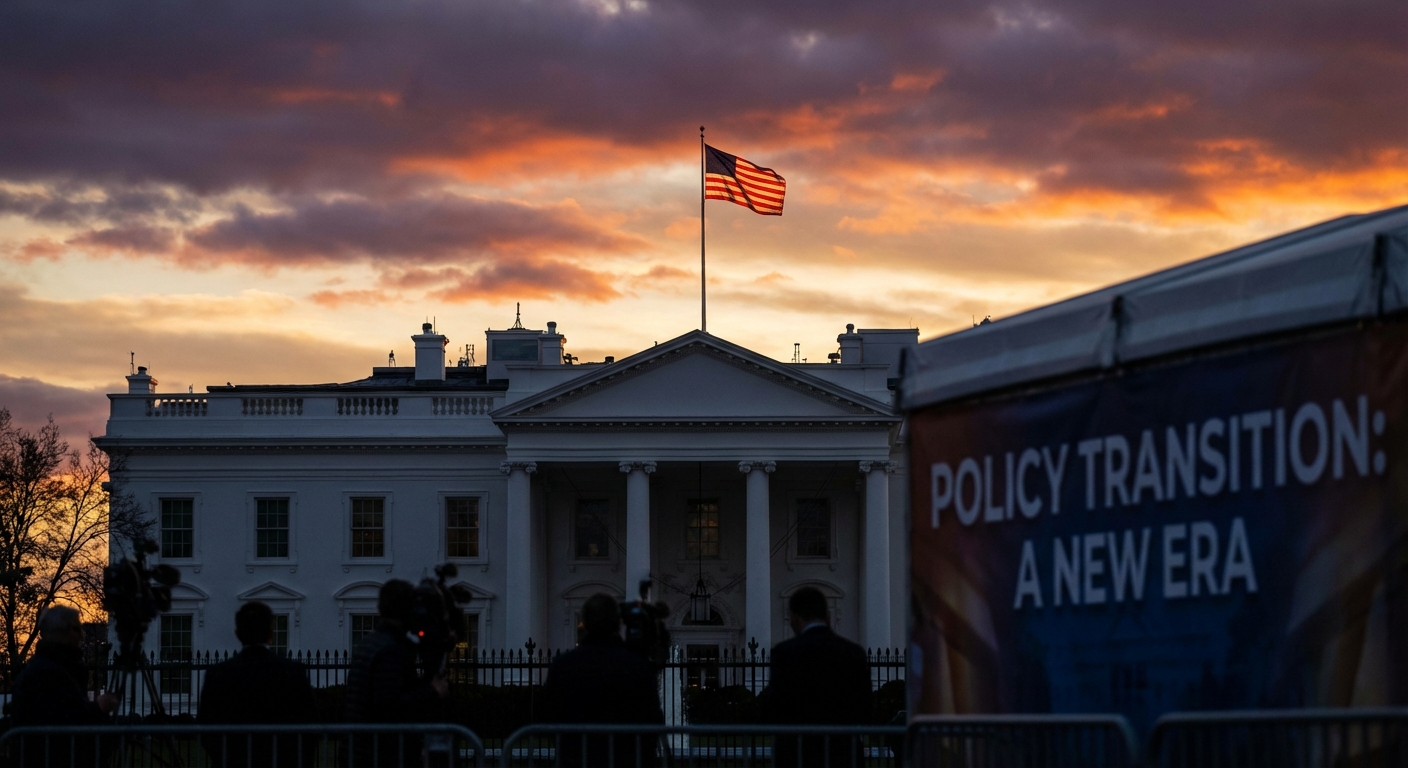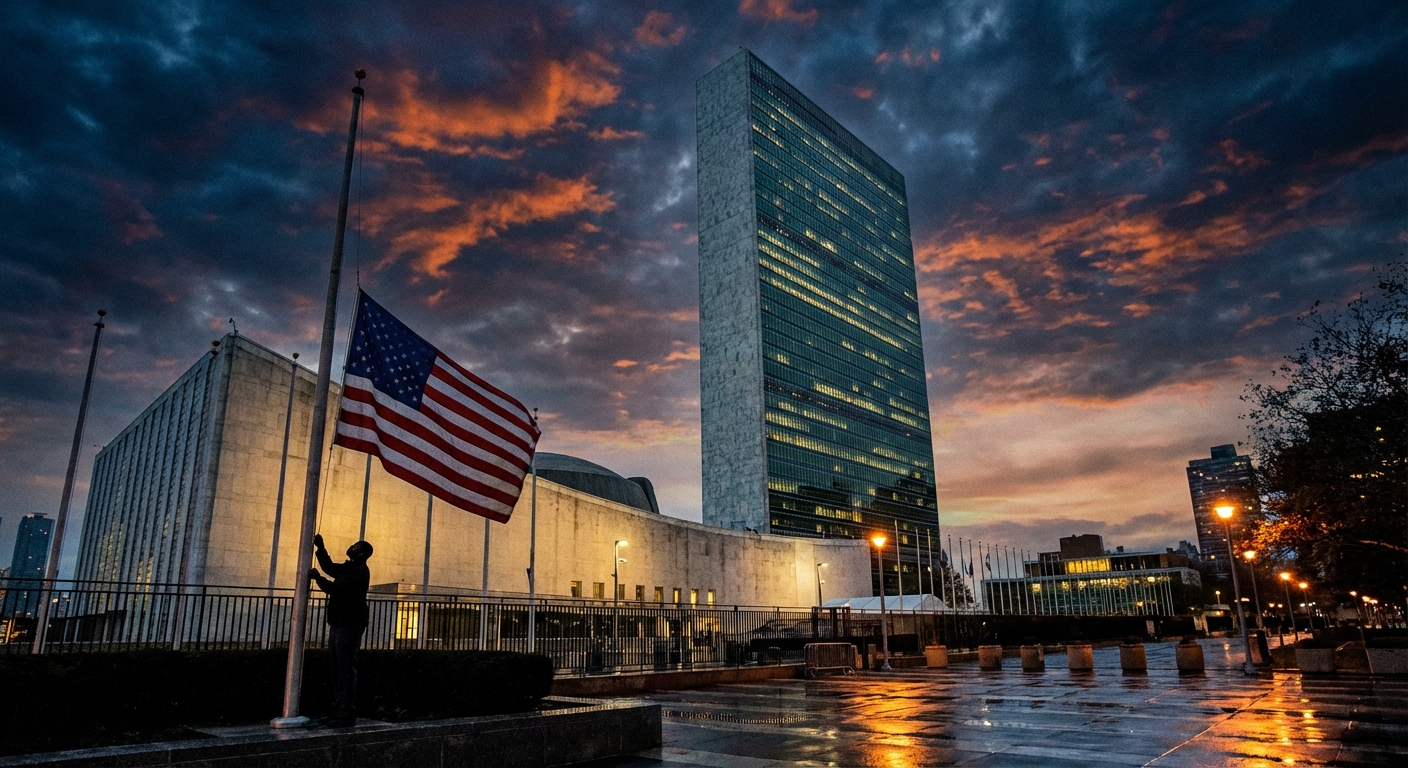
President Donald Trump signed a presidential memorandum on Wednesday directing the United States to withdraw from 66 international organizations, marking the most sweeping retreat from global institutions in American history. The list includes 31 United Nations entities and 35 non-UN organizations that the administration says no longer serve American interests. For anyone trying to understand what this actually means, beyond the headlines about American isolationism, the details matter enormously. Some of these withdrawals are largely symbolic. Others will reshape global health, climate policy, and America’s role in the world for years to come.
The immediate reaction from international partners ranged from alarm to resignation. European leaders condemned the move as abandoning decades of American leadership. China described it as an opportunity. For ordinary Americans, the practical effects will vary wildly depending on which organizations we’re talking about. The World Health Organization departure, set to take effect on January 22, has very different implications than leaving the International Olive Council.
What’s Actually on the List
The memorandum follows a State Department review ordered earlier this year, and the organizations targeted fall into several categories. Understanding which groups matter most helps cut through the noise about this being either the end of American global leadership or a sensible trimming of wasteful commitments.
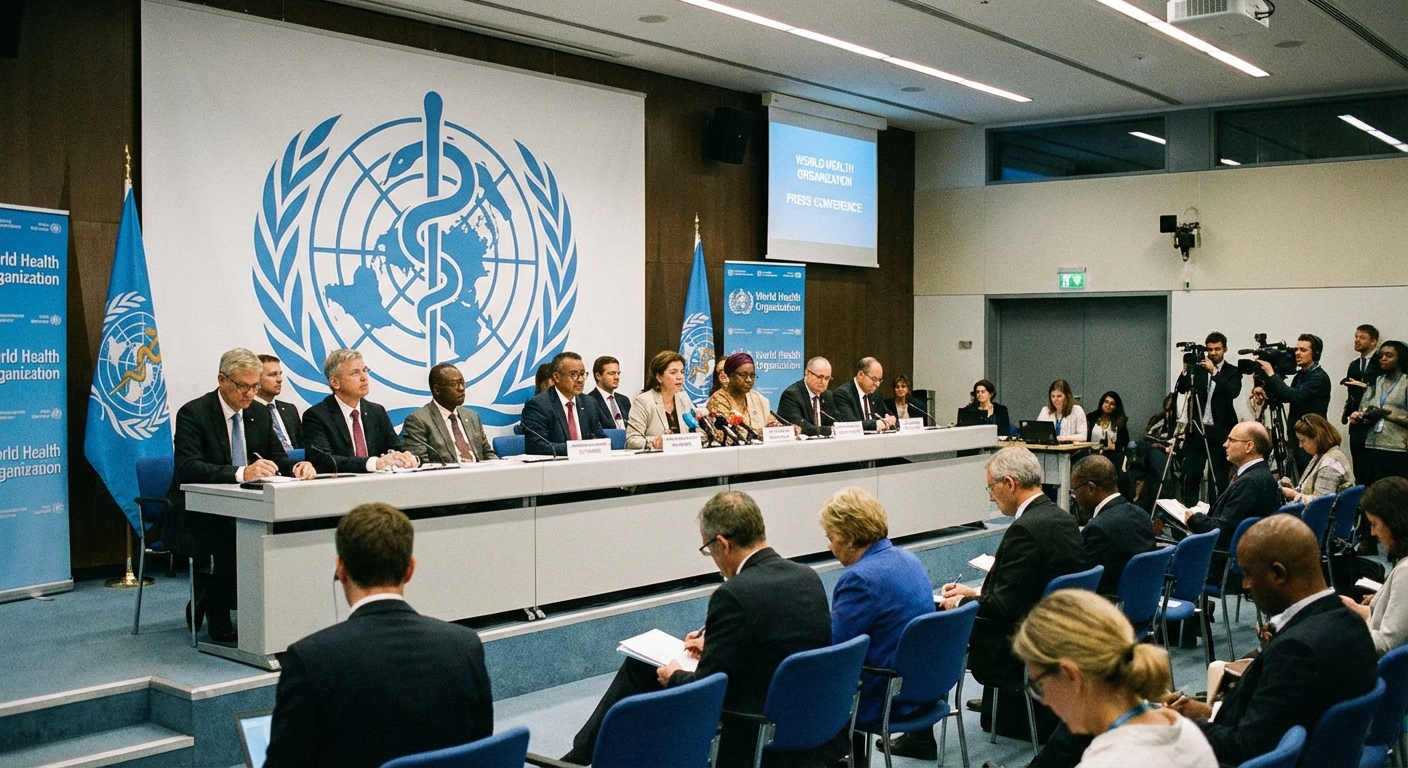
The highest-profile departure is from the World Health Organization, which the US has now left twice under Trump administrations. Between 2024 and 2025, the United States contributed $261 million in funding to the WHO, approximately 18 percent of the agency’s budget. The WHO coordinates global responses to disease outbreaks, sets international health standards, and runs vaccination campaigns in developing countries. Critics argue it’s become too deferential to China; supporters note it’s the only organization capable of coordinating global pandemic response.
Other significant UN departures include the UN Human Rights Council, UNESCO (the cultural and educational agency), and UNRWA (the agency for Palestinian refugees). The administration had already suspended support to these bodies earlier in 2025. The new memorandum makes those suspensions permanent and adds dozens more organizations to the list.
The non-UN organizations range from genuinely consequential bodies like the International Criminal Court (which the US never fully joined anyway) to obscure technical groups that most Americans have never heard of. Some, like the International Coffee Organization, exist primarily to coordinate commodity markets. Others, like the Organization for Economic Cooperation and Development, produce influential economic research and coordinate tax policies among wealthy nations.
Why the Administration Says It’s Necessary
The White House framed the withdrawals as eliminating “wasteful” participation in groups that either oppose American interests or provide no meaningful benefit. The accompanying presidential memo cited concerns about organizations that the administration believes have become vehicles for anti-American sentiment, impose regulatory burdens on US businesses, or simply duplicate functions that could be handled bilaterally.
There’s a legitimate policy debate underneath the political rhetoric. International organizations do vary enormously in their effectiveness and relevance. Some have evolved missions that differ significantly from their founding purposes. The UN Human Rights Council, for example, includes member states with questionable human rights records, leading critics to question its credibility. Budget contributions to international bodies do consume resources that could theoretically be spent elsewhere.
The administration’s supporters argue that withdrawal pressure can force reforms. When the US previously threatened WHO departure during Trump’s first term, it prompted internal reviews and some structural changes. Defenders of this approach contend that American leverage is greatest when the US demonstrates willingness to walk away.
However, many foreign policy experts across the political spectrum have expressed concern about the scope and permanence of these withdrawals. Unlike the first Trump administration’s departures, which President Biden largely reversed, this memorandum includes provisions making rejoining more procedurally difficult. The intent appears to be creating lasting structural changes rather than negotiating leverage.
What Actually Changes
The practical effects depend entirely on which organization we’re discussing. The WHO withdrawal is genuinely consequential for global health infrastructure. When the next pandemic emerges, and epidemiologists consider it a matter of when rather than if, the coordination mechanisms will be weaker. American scientists will have less access to early warning data. Vaccination campaigns in developing countries, which help prevent diseases from spreading globally, will be underfunded.
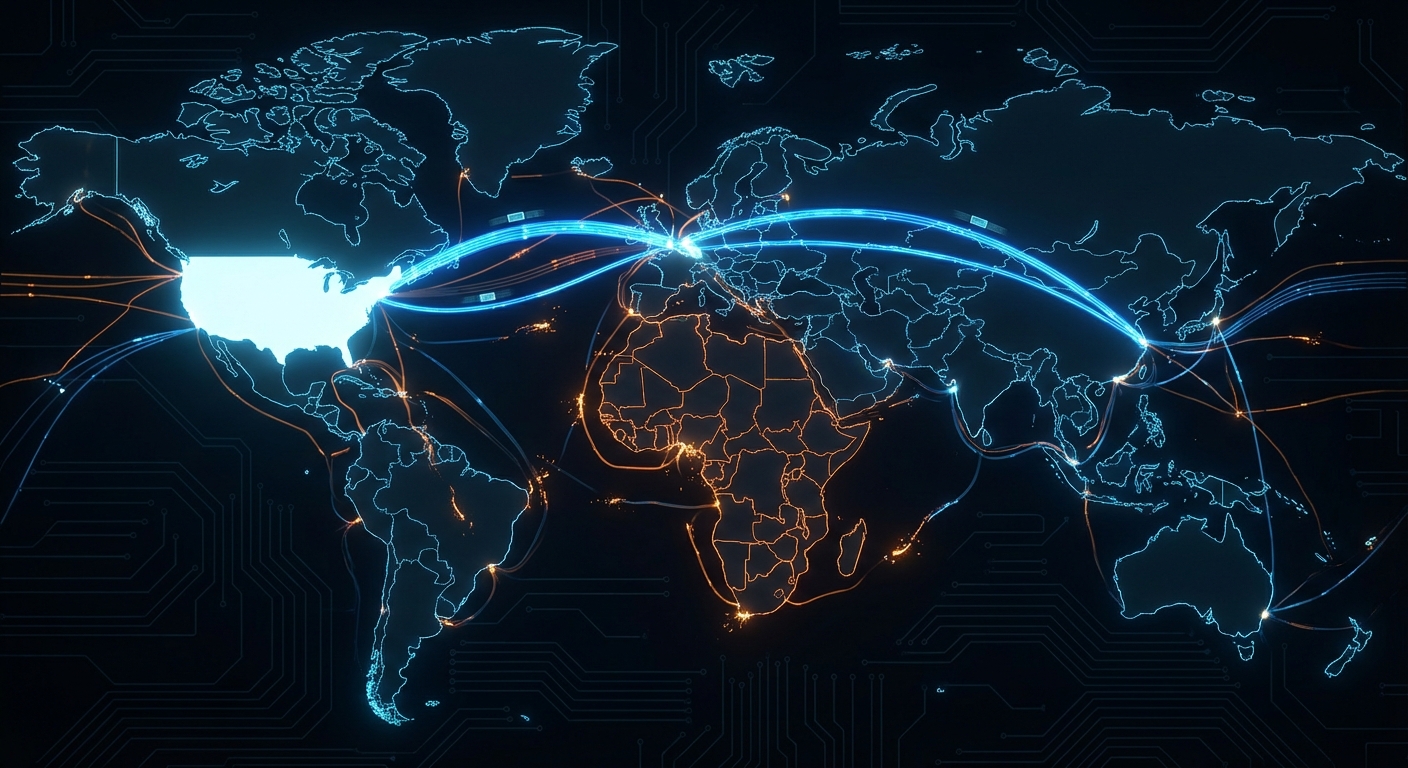
For climate policy, the implications compound existing tensions. The US was already not participating meaningfully in international climate agreements. Additional withdrawals from environmental bodies further signal that international coordination on emissions will happen without American leadership, leaving China and the European Union to set the agenda.
Human rights organizations will lose both funding and the legitimacy that American participation provided. Whatever the flaws of bodies like the UN Human Rights Council, American absence doesn’t improve them. It simply removes American influence over their direction while allowing critics to claim the US doesn’t value human rights enough to participate.
Some withdrawals matter less than the headlines suggest. Technical standards organizations will continue functioning with or without American participation, though US companies may have less influence over standards that affect their products. Commodity coordination groups are nice to have but hardly essential.
The Geopolitical Implications
China’s response to the announcement was instructive. Beijing officially criticized the withdrawals as damaging to international cooperation while privately welcoming the vacuum. Chinese officials have spent years building influence within international organizations, and American departure accelerates their timeline. The UN, WHO, and related bodies won’t disappear. They’ll continue operating with reduced budgets and increased Chinese influence.
European allies face an uncomfortable choice. They can try to fill the funding gaps left by American withdrawal, which means paying more for organizations they didn’t design. Or they can accept reduced capabilities in global institutions at exactly the moment when coordination on issues like pandemic preparedness and climate change seems most urgent. The European Union announced emergency consultations but hasn’t yet committed to increased funding.
For countries caught between American and Chinese influence, the signal is clear: betting on American institutional commitment is risky. This affects everything from trade negotiations to security arrangements. Partners who aligned with the US in international forums now find themselves exposed.
The Bottom Line
The 66-organization withdrawal represents a genuine inflection point in American foreign policy, not because any single departure is catastrophic but because the cumulative effect reshapes how the world works. International organizations are imperfect, sometimes frustratingly so. But they exist because coordination problems are real, and some issues genuinely require global responses.
What happens next depends largely on whether this withdrawal is permanent or becomes another policy that reverses with the next administration. If permanent, expect accelerated Chinese influence in global governance, weakened pandemic preparedness, and a fragmentation of international cooperation into competing regional blocs. If reversed, expect significant costs rebuilding credibility with partners who’ve learned that American commitments can evaporate every four years.
Watch for how US allies respond in the coming weeks. Emergency meetings in Brussels and coordinated statements will indicate whether Europe tries to fill the gap or accepts diminished global institutions. Watch for which organizations China moves to influence first. And watch for the first crisis, likely in global health, where the absence of American leadership produces visibly worse outcomes. That moment will determine whether this policy endures or becomes another reversible experiment in American foreign policy.
Sources: NPR, Al Jazeera, Fox News, White House, Chatham House.