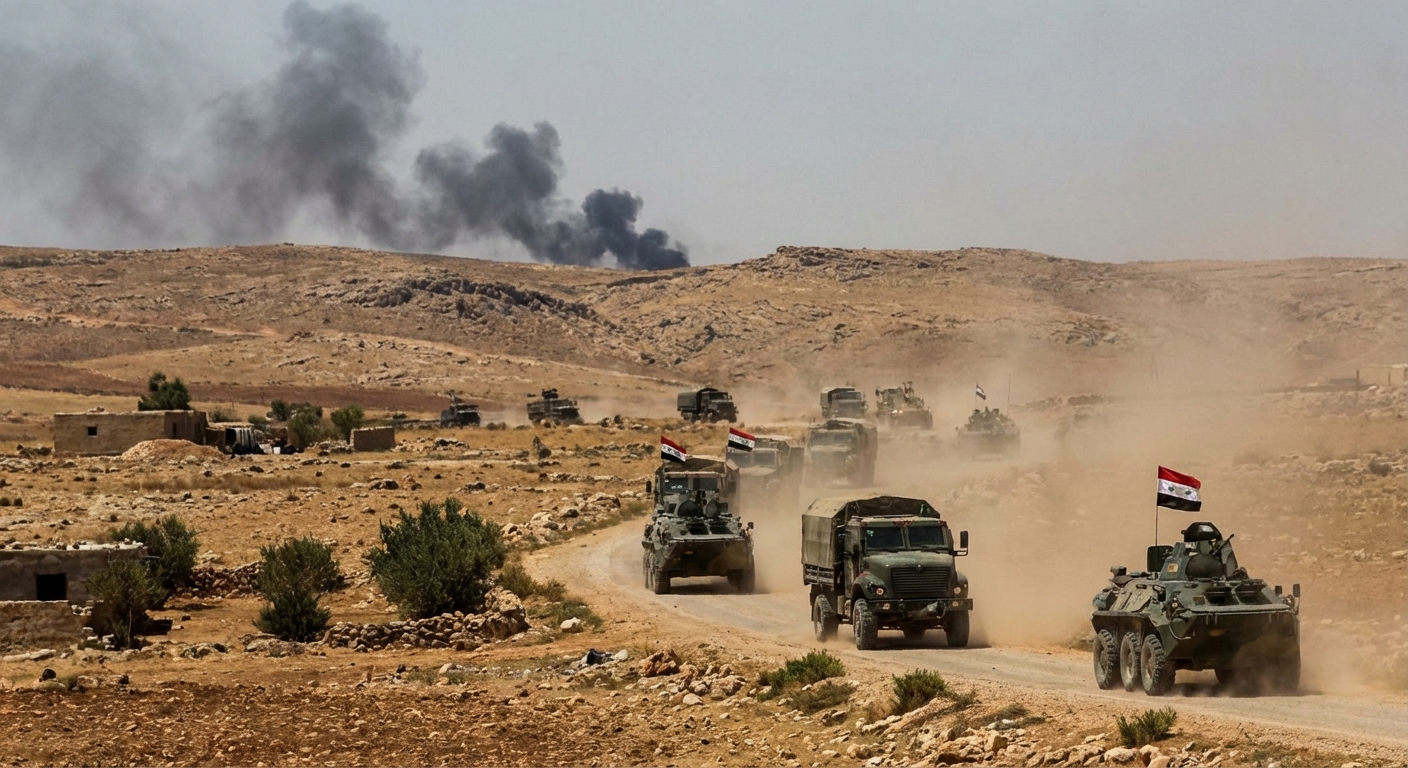
The ceasefire in northern Syria lasted barely a day. Heavy fighting has resumed around Kobani, the Kurdish-held city that became a symbol of resistance against ISIS a decade ago. Syrian government forces have captured the towns of Ayn Issa and Sarrin, pushing toward Kobani itself as Kurdish fighters regroup and retreat.
Both the Syrian Arab Army and the Syrian Democratic Forces (SDF) announced a ceasefire just yesterday. Today, artillery shells are falling again and ground forces are advancing. The collapse illustrates how fragile any peace in Syria’s fractured conflict zone remains.
What’s Happening on the Ground
Syrian government forces, backed by Russian air support, have been pushing into territory held by the SDF since late last year. The offensive accelerated after the collapse of the Assad-era government and its replacement by a new administration seeking to consolidate control over all Syrian territory.
The SDF, dominated by Kurdish militias, controls much of northeastern Syria. These forces were America’s primary ground partners in the fight against ISIS. They now face a Syrian military that views their territory as properly under Damascus’s control and has the military capability to enforce that view.
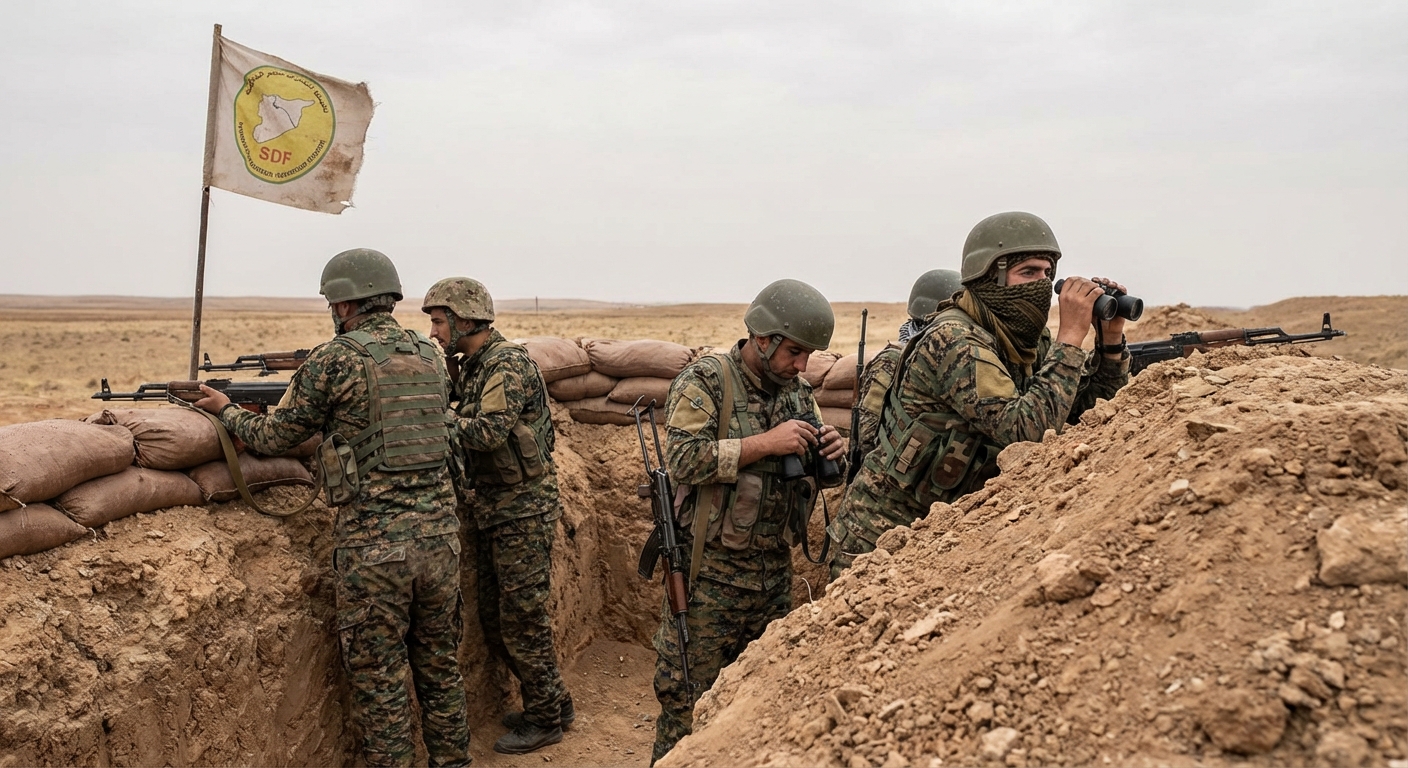
Kobani holds particular significance. In 2014 and 2015, Kurdish fighters, with American air support, defended the city against an ISIS siege that the world watched in real time. The successful defense became a turning point in the war against ISIS and cemented Kurdish forces as essential American partners.
Now those same forces face a different threat. The Syrian military has more conventional capabilities than ISIS ever did, including armor, artillery, and air power. Without American military support, the SDF’s defensive position is substantially weaker.
Why the Ceasefire Failed
Ceasefires in Syria have a poor track record. The fundamental problem is that the parties have incompatible objectives. The Syrian government wants to restore control over all Syrian territory. The SDF wants to maintain autonomous governance in the northeast. These goals cannot both be achieved, and no ceasefire changes that.
The specific trigger for renewed fighting remains unclear. Both sides accuse the other of violations. Government forces claim the SDF launched attacks that violated the truce. Kurdish officials say government forces never stopped advancing despite the announced ceasefire.
The truth is probably that neither side had any real intention of holding to the ceasefire beyond a brief operational pause. The announcement may have been intended more for international audiences than as a genuine commitment to peace.
The International Dimension
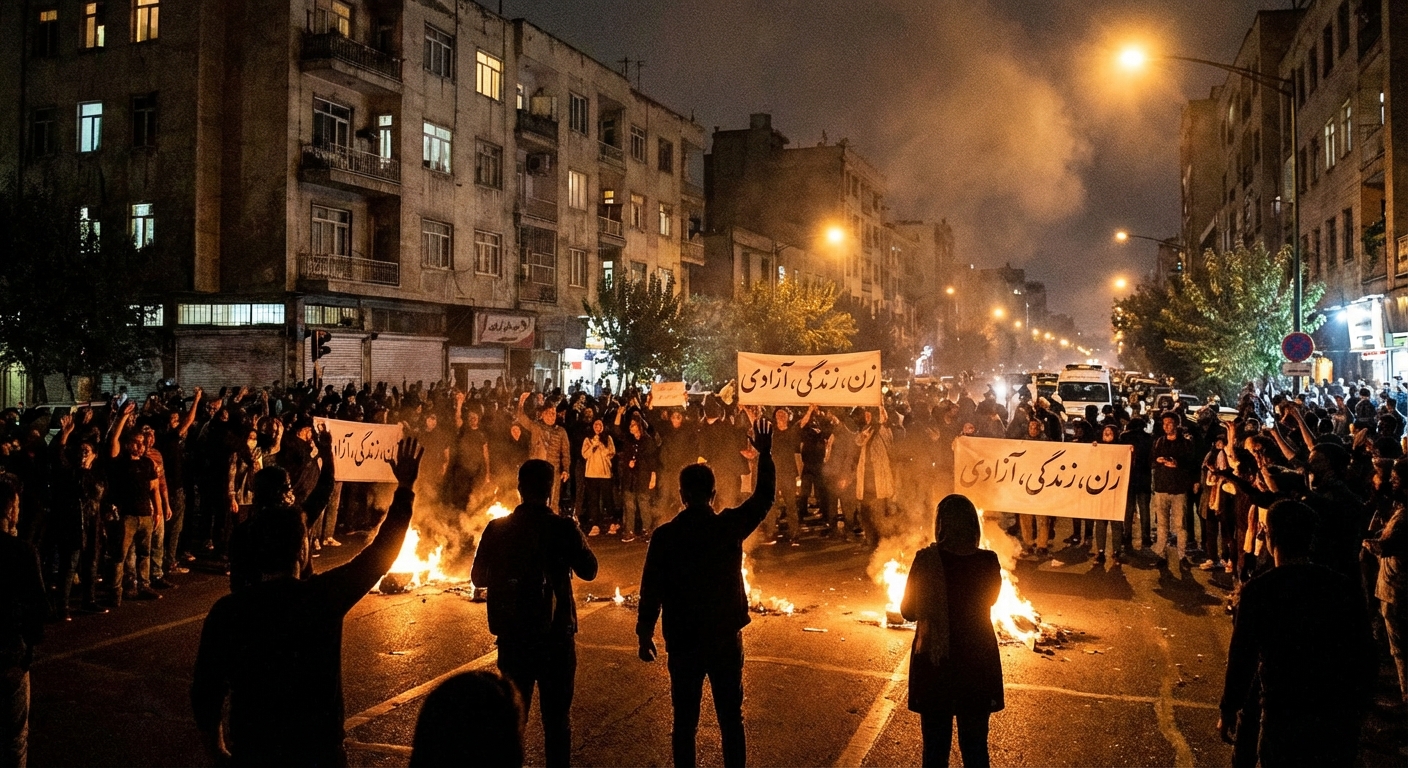
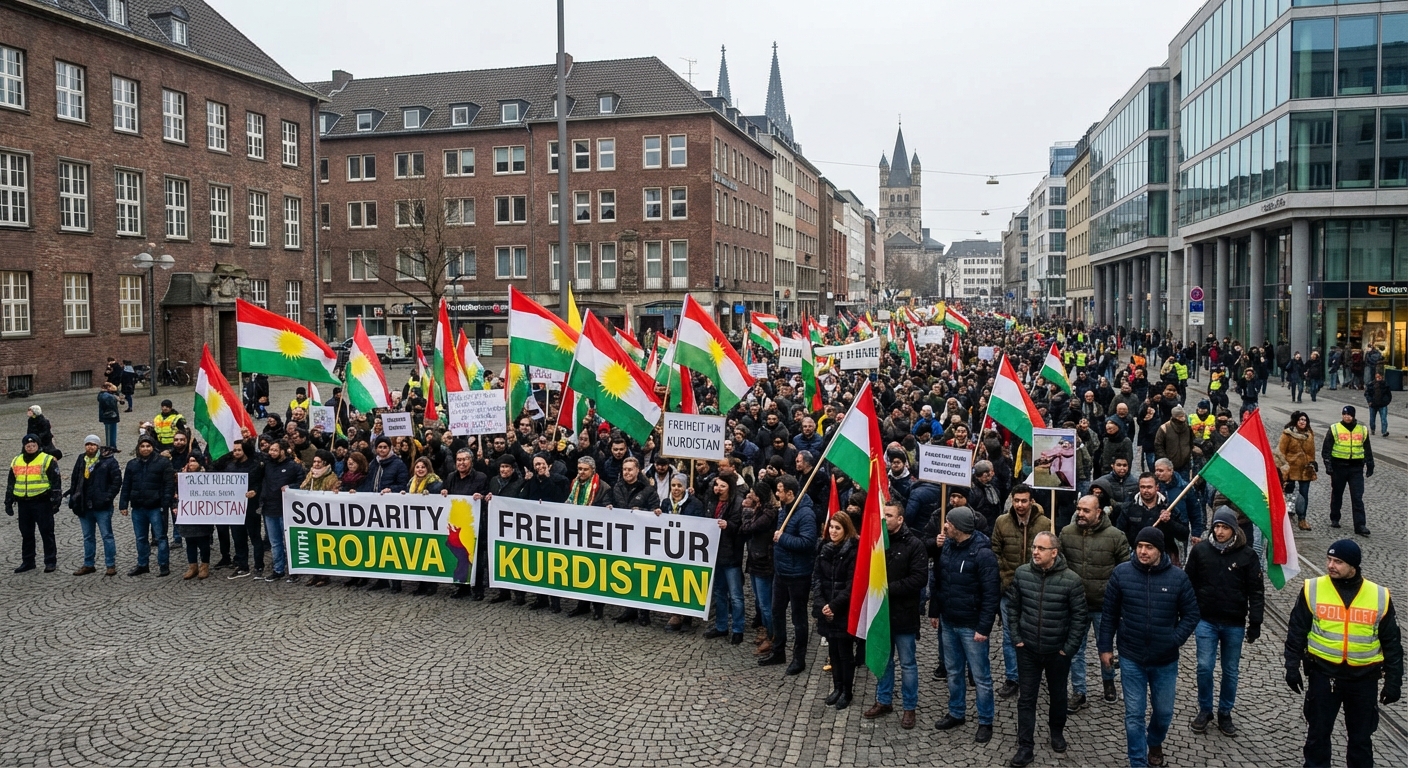
The fighting has drawn protests across Europe, particularly in Germany, where large Kurdish diaspora communities have mobilized. Thousands marched in Bremen, Dortmund, and Frankfurt in support of Kurdish forces. The protests reflect genuine concern about the fate of a population that has faced persecution repeatedly throughout the region’s history.
American policy remains ambiguous. The U.S. still maintains a small troop presence in northeastern Syria, officially focused on preventing ISIS resurgence. But the administration has shown little interest in protecting Kurdish forces from Syrian government advances. The troops’ presence deters some actions but doesn’t constitute the active support that characterized earlier phases of the conflict.
Russia backs the Syrian government and has provided air power supporting the current offensive. Turkey, which views Kurdish forces as terrorists, has quietly supported efforts to weaken them. The international configuration leaves the SDF with few powerful friends and multiple adversaries.
What’s at Stake
Beyond the immediate military situation, the offensive raises questions about the future of Kurdish autonomy in Syria. The SDF-controlled northeast has operated semi-independently for nearly a decade, developing its own governance structures, educational systems, and security forces.
If Syrian government control is restored, that autonomy likely ends. Kurdish language education, which expanded significantly under SDF control, might be restricted. Political organizations could face suppression. The specific form of democratic governance the region developed, with its emphasis on women’s participation and multiethnic representation, might be replaced by more conventional authoritarian structures.
There’s also the ISIS question. The SDF holds thousands of ISIS prisoners in detention facilities across the northeast. If those facilities fall into chaos during military operations, or if government forces lack the capacity to maintain them, some of the world’s most dangerous prisoners could escape.
What to Watch
The military situation will develop rapidly. If Syrian forces take Kobani, the symbolism will be significant, and the practical consequences for Kurdish civilians could be severe. If Kurdish forces hold or counterattack successfully, that changes the trajectory.
International response matters, particularly from the United States. American troops remain in the region. What they do, or don’t do, as fighting approaches their positions will signal American commitment to former partners.
Turkey’s position could also shift. Ankara has long wanted to weaken Kurdish forces but has also worried about Syrian government strength on its border. The balance of those concerns affects whether Turkey actively or passively supports the current offensive.
The Bottom Line
Syria’s brief ceasefire has collapsed, and fighting around Kobani shows no sign of stopping. For Kurdish forces who once fought alongside the United States against ISIS, the situation has become desperate. For civilians in the region, the return of active combat means displacement, destruction, and uncertainty. The ceasefire may have been announced, but peace in Syria remains as distant as ever.
Sources: Democracy Now!, Wikipedia Current Events, Reuters, ongoing Syria conflict coverage.