President Trump spoke with Vladimir Putin by phone today, then met with Ukrainian President Volodymyr Zelenskyy at Mar-a-Lago, compressing months of typical diplomatic process into a single day. Trump described the Putin call as “good and very productive,” while the Kremlin confirmed the conversation took place. What was actually discussed remains unclear.
The diplomatic blitz comes as Trump’s administration pushes aggressively for a negotiated end to the war in Ukraine, now approaching its fourth year. Trump has repeatedly expressed confidence that he can broker a deal that Russia’s invasion of its neighbor was supposed to prevent. Whether today’s conversations moved that goal closer is the question everyone is asking.
For Zelenskyy, the meeting carries enormous stakes. Ukraine’s military situation has stabilized but not improved, and Western support, while substantial, faces political headwinds. A negotiated settlement may be inevitable, but the terms could determine Ukraine’s future as an independent nation.
What We Know About the Calls
Details are scarce. Trump told reporters the Putin conversation was “productive” and focused on ending the war. He provided no specifics about what was discussed or whether any proposals were exchanged. The Kremlin confirmed the call but offered similarly vague characterizations.
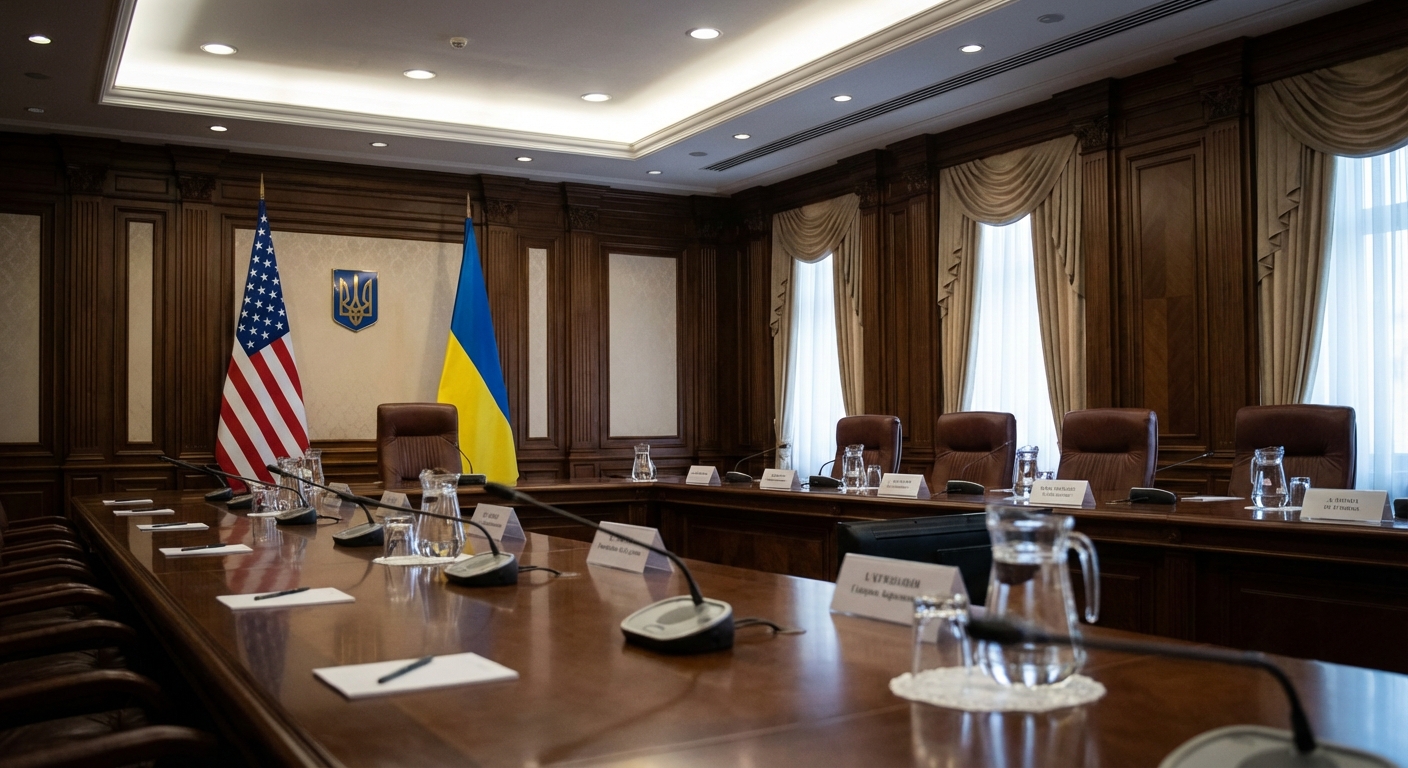
The Zelenskyy meeting, held shortly after the Putin call, lasted several hours. Zelenskyy arrived at Mar-a-Lago with a delegation of advisors, suggesting substantive negotiations rather than a photo opportunity. Neither leader made public statements following the meeting.
The sequencing was notable. By speaking with Putin first, Trump could carry Russian positions into his Zelenskyy meeting. Whether this represents skilled diplomacy or concerning alignment depends on one’s perspective of Trump’s intentions toward Ukraine.
Russia launched a drone attack on Ukraine overnight, even as diplomatic contacts were underway. The attack killed several civilians and struck critical infrastructure. Moscow’s willingness to continue military operations while exploring talks suggests it sees negotiations and warfare as parallel tracks rather than alternatives.
The Stakes for Ukraine
Zelenskyy faces an impossible position. Ukraine cannot win outright against a larger adversary willing to absorb enormous casualties. But accepting a deal that ratifies Russian territorial gains would validate invasion and leave Ukraine vulnerable to future aggression.
Western support has been crucial to Ukraine’s survival but comes with no guarantee of permanence. European nations have committed to long-term assistance, but American support could shift with political winds. A negotiated settlement now, while Ukraine still has leverage, might be preferable to continued fighting with uncertain backing.
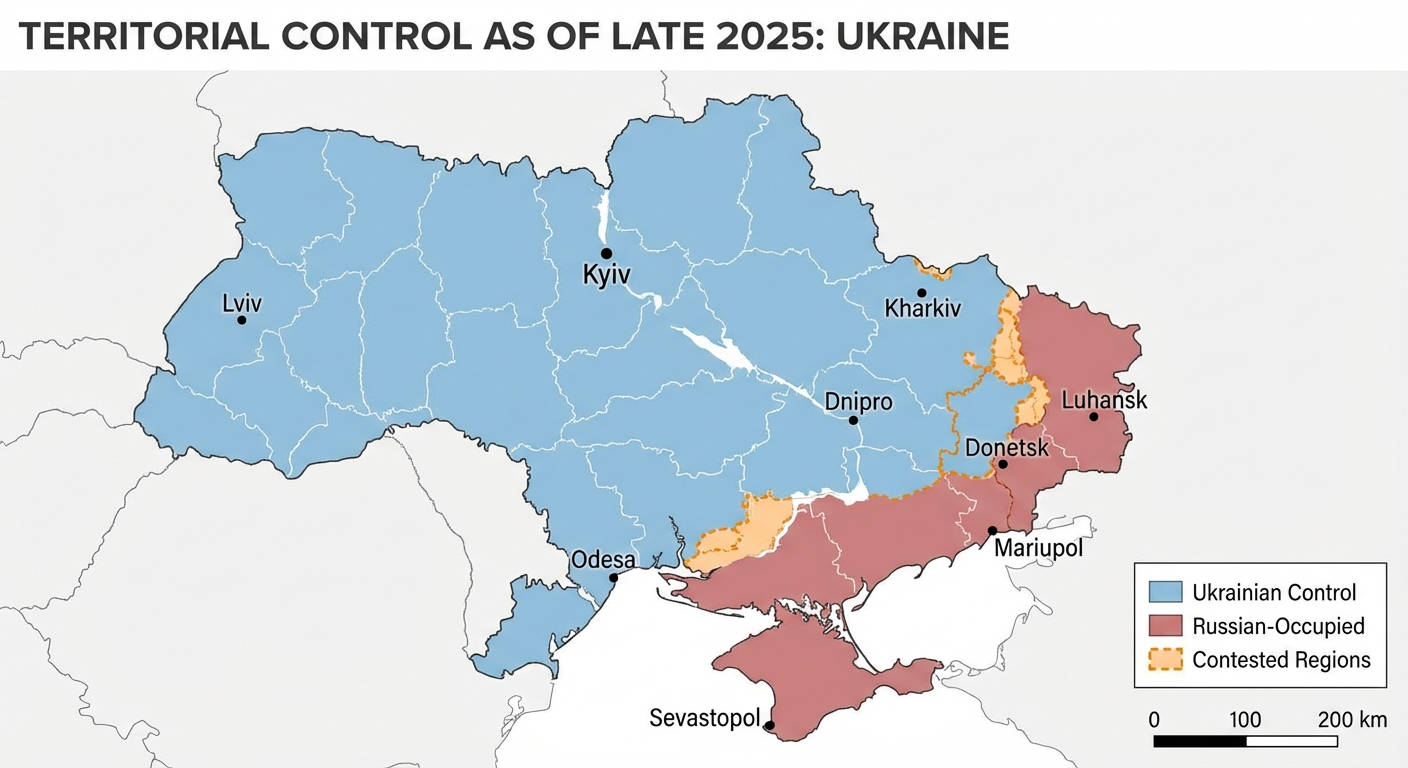
The question is what any deal would look like. Russia has demanded recognition of its territorial annexations, Ukrainian “neutrality” (meaning no NATO membership), and limits on Ukraine’s military. Ukraine has refused to cede territory and insists on security guarantees that would deter future Russian aggression.
Trump’s Role
Trump has promised to end the war quickly, a commitment he made during his campaign. His approach appears to involve direct engagement with both sides and pressure on both to make concessions. Whether this can produce results that previous diplomacy failed to achieve remains to be tested.
Critics worry that Trump’s eagerness for a deal could lead him to pressure Ukraine into unfavorable terms. His past statements praising Putin and questioning the value of supporting Ukraine have not reassured those who want to see Russian aggression firmly resisted.
Supporters argue that only Trump’s willingness to engage Putin directly gives diplomacy a chance. Previous Western approaches, they contend, failed because they excluded Russia from serious negotiation. However uncomfortable, talking to adversaries is how wars end.
What Happens Next
The coming weeks will reveal whether today’s conversations represent genuine progress or diplomatic theater. If terms are being seriously discussed, the outlines should emerge soon. If not, the war continues with no clear path to resolution.
Winter favors defenders, giving Ukraine time before any Russian offensive. But time also allows Russia to consolidate its positions and adapt to sanctions. The window for negotiations may be narrower than it appears.
For civilians in Ukraine, another winter of war means continued hardship. Infrastructure damage has left millions without reliable heat and electricity. A negotiated end to fighting, even an imperfect one, would save lives.
The Bottom Line
Trump’s diplomatic blitz, calling Putin and meeting Zelenskyy in the same day, signals serious engagement with ending the Ukraine war. Whether it produces results depends on whether the parties can find terms all sides can accept.
The fundamental obstacles remain. Russia wants to keep what it took. Ukraine wants its territory back and security guarantees. Finding a middle ground that both can live with, and that doesn’t simply set up the next war, is the challenge.
Today’s conversations are a step, but only that. The war continues until an agreement is reached, and reaching one requires compromises that neither side has yet shown willingness to make.