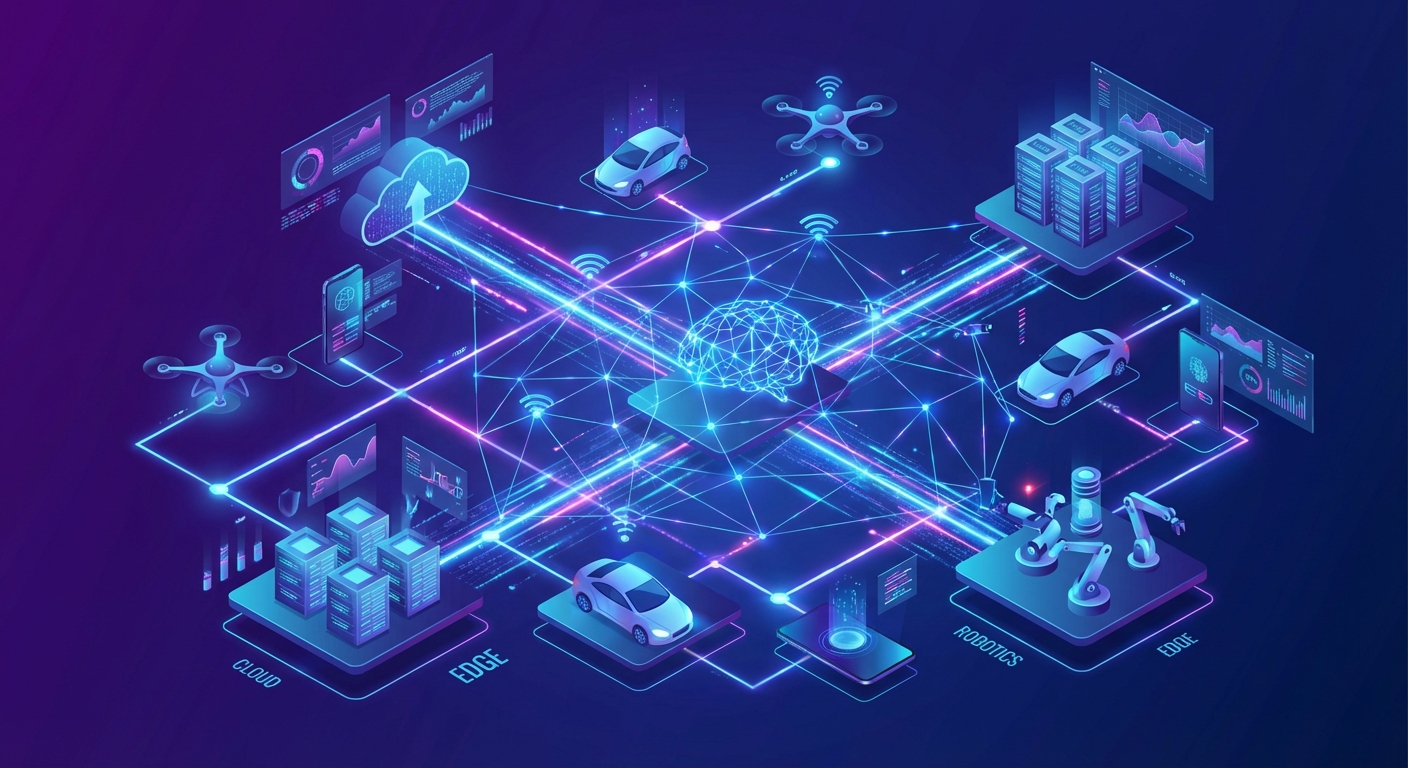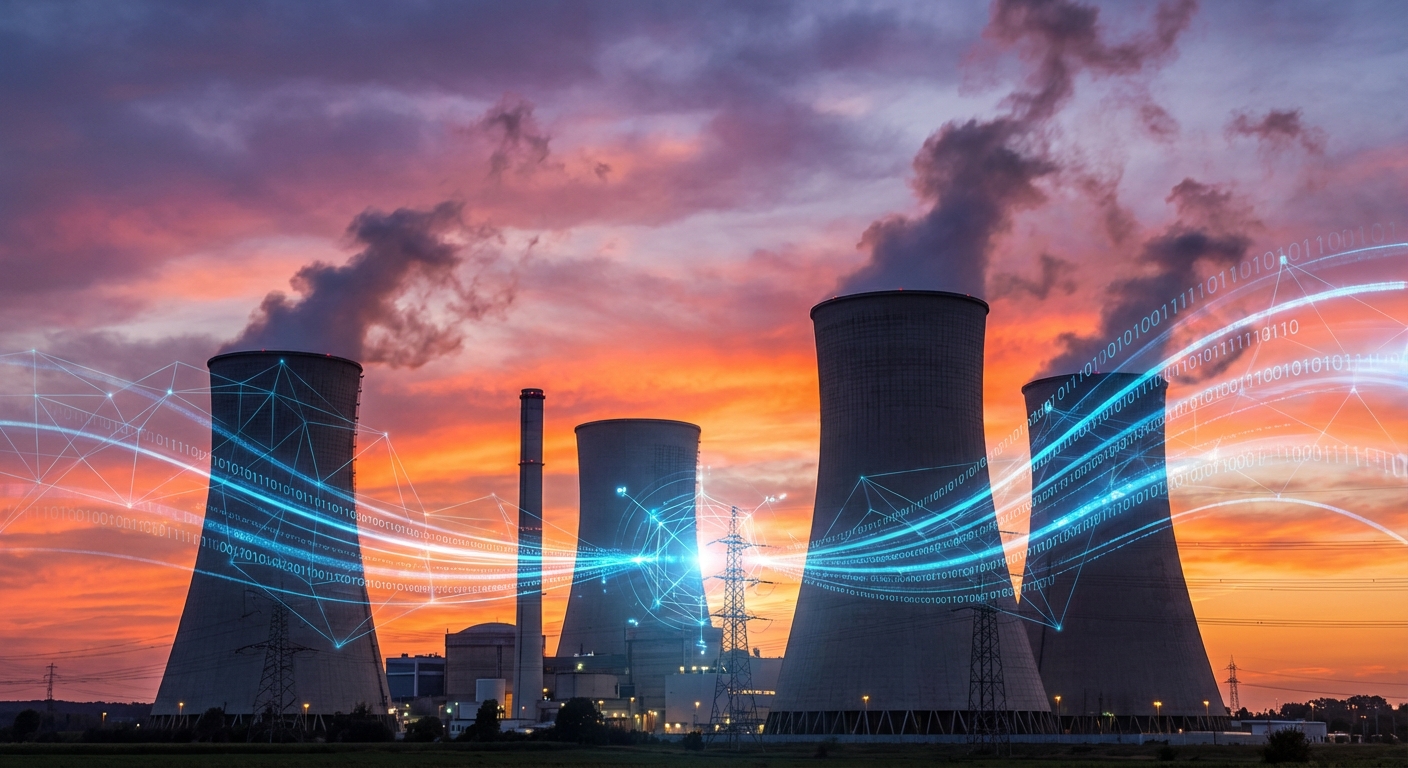
Meta just made the biggest corporate nuclear power bet in history. On Thursday, the company announced deals with three nuclear energy companies that could deliver more than 6 gigawatts of power to its AI data centers over the next decade. That’s enough electricity to power roughly 5 million homes, and it signals something important: the AI revolution has an energy problem, and Big Tech is getting creative about solving it.
The deals involve TerraPower (backed by Bill Gates), Oklo (backed by OpenAI’s Sam Altman), and Vistra, one of the largest power producers in the United States. Together, they represent a fundamental shift in how tech companies think about their energy needs. When you’re training AI models that require entire power plants worth of electricity, traditional renewable energy sources alone can’t keep up with demand.
What Meta Just Bought
The scale of these deals is staggering. Meta will purchase more than 2.1 gigawatts of power from two existing Vistra nuclear plants in Ohio, with additional capacity coming from expansions at those facilities and a third Vistra plant in Pennsylvania. The company’s agreement with Oklo will help develop a 1.2 gigawatt power campus in Pike County, Ohio, specifically designed to support Meta’s data centers in the region.
The TerraPower partnership takes the longest view, providing funding for two nuclear projects that could begin generating power by 2032. These aren’t your grandfather’s nuclear plants. TerraPower is developing advanced reactor designs that promise to be safer, more efficient, and more flexible than traditional nuclear facilities. The technology represents a generational leap in nuclear engineering, and Meta is essentially becoming an early investor in the industry’s future.
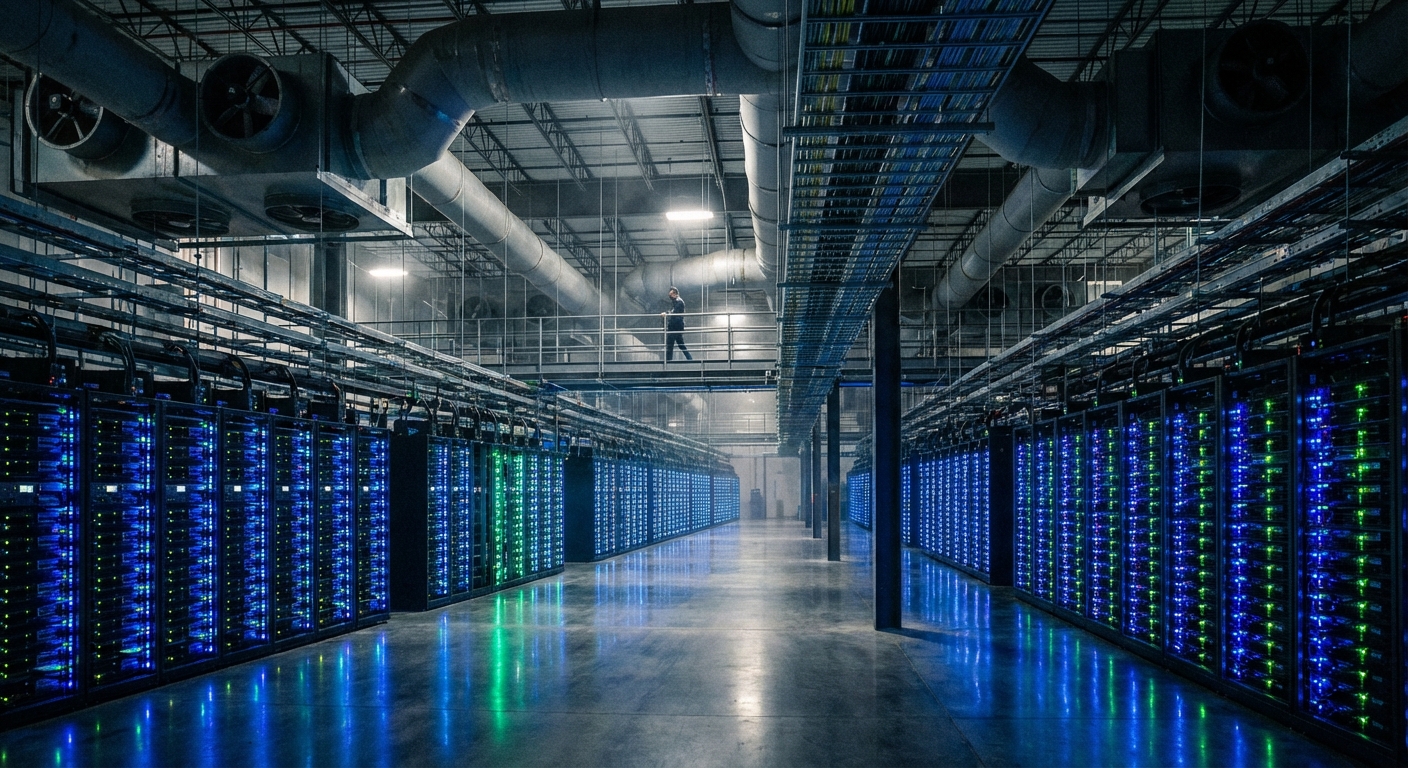
Meta expects its Prometheus AI data center in New Albany, Ohio, to come online sometime this year. The facility is designed to train and run the company’s most advanced AI models, including systems that power everything from content moderation to the company’s emerging AI agent platforms. Projects of this scale demand reliable, 24/7 power that solar and wind simply can’t guarantee without massive battery storage that doesn’t yet exist at the required scale.
Why Nuclear, Why Now
The timing isn’t coincidental. AI training runs have become so computationally intensive that they’re straining power grids in ways that would have seemed absurd five years ago. OpenAI’s GPT-5 training reportedly required power equivalent to a small city. Google, Microsoft, and Amazon have all been quietly locking in energy contracts as they race to build the infrastructure for their own AI ambitions. Meta’s nuclear deals represent the most aggressive public move yet.
“It’s clear that nuclear energy has to be a big part of meeting the demand for power from AI,” TerraPower CEO Chris Levesque said in a statement. That’s not corporate boilerplate. It’s an acknowledgment that the entire tech industry is bumping up against a fundamental constraint: you can’t run artificial intelligence without real electricity, and there’s only so much of it to go around.
Nuclear power offers something that renewables currently can’t: consistent baseload power that runs 24 hours a day, regardless of weather conditions. A data center can’t pause model training because clouds rolled in over the solar farm. Wind turbines don’t spin on calm days. Nuclear plants produce power continuously, with capacity factors (the percentage of time they’re actually generating at full capacity) that typically exceed 90 percent. Solar and wind hover around 25-35 percent.
The math becomes even more compelling when you factor in land use. A nuclear plant producing 1 gigawatt of power occupies roughly one square mile. Generating the same output from solar would require 75 square miles of panels. For wind, you’d need an area larger than Manhattan. When you’re trying to add 6 gigawatts of capacity, those differences matter.
The Broader Tech Pattern
Meta isn’t alone in its nuclear ambitions. The company announced in June that it reached a 20-year deal with Constellation Energy to secure power from a nuclear plant in Clinton, Illinois. Microsoft has signed agreements to restart a dormant reactor at Three Mile Island, the site of America’s most famous nuclear accident. Google has explored small modular reactor technology. Amazon Web Services has been quietly building relationships with nuclear operators.
The pattern suggests that debates about whether AI represents a bubble may be missing the point. Whatever happens to AI valuations, the companies building this technology are making decade-long infrastructure bets that assume enormous sustained demand. You don’t sign contracts for nuclear power that won’t come online until 2032 if you think the AI boom is a passing fad.
The nuclear investments also reveal something about the competitive dynamics of the AI industry. Companies are racing not just to build better models, but to secure the physical infrastructure that makes those models possible. Whoever locks in reliable, affordable power gains a structural advantage. Training the next generation of AI systems will require facilities that simply don’t exist yet, and the companies positioning themselves now may define the industry’s leaders for the next decade.
What It Means for Energy Markets
Meta’s deals could have ripple effects far beyond Silicon Valley. The company is essentially creating a new customer base for an industry that’s struggled to build new capacity for decades. Nuclear power has faced decades of regulatory hurdles, public skepticism after accidents like Fukushima, and competition from cheap natural gas. Big Tech’s sudden interest represents a potential lifeline.
Oklo and TerraPower both develop advanced reactor designs that have yet to be commercially deployed at scale. Meta’s contracts provide the financial certainty these companies need to move from engineering prototypes to actual power plants. Sam Altman’s involvement with Oklo isn’t coincidental. The OpenAI CEO recognized years ago that AI’s energy needs would eventually become a bottleneck, and he’s been positioning himself on both sides of the equation.
The environmental implications are complicated. Nuclear power produces essentially zero carbon emissions during operation, making it attractive for companies that have made climate commitments. But nuclear waste remains a contentious issue, and the industry’s safety record, while strong statistically, carries baggage from high-profile disasters. Meta hasn’t addressed how it plans to handle these concerns, beyond noting that advanced reactor designs incorporate improved safety features.
The Bottom Line
Meta’s nuclear deals signal that the AI industry has entered a new phase where energy access becomes as strategically important as computing talent or training data. The company is betting that demand for AI infrastructure will remain strong enough to justify investments that won’t pay off for years, and that nuclear power represents the most practical path to meeting that demand.
For the nuclear industry, Big Tech’s interest offers an unexpected opportunity to build new capacity after decades of stagnation. For everyone else, it’s a reminder that the AI revolution happening in software depends on very physical infrastructure in the real world. The companies that figure out how to power their ambitions will shape what artificial intelligence can actually accomplish.
Watch for similar announcements from other tech giants in the coming months. The race to secure AI’s energy supply has only just begun.
Sources: CNBC, Bloomberg, Tom’s Hardware, CBS News.