SK Hynix announced Tuesday it will invest 19 trillion won ($12.9 billion) to build a new advanced chip packaging facility in South Korea, its largest single investment ever. The move signals that even the world’s leading AI memory supplier is racing to keep up with demand that shows no signs of slowing.
The announcement comes as memory, once treated as a commoditized component, has become a critical bottleneck for AI infrastructure. Data centers cannot bring new AI accelerators online without the high-bandwidth memory chips that SK Hynix dominates, and current production simply cannot keep pace with orders.
What’s Being Built
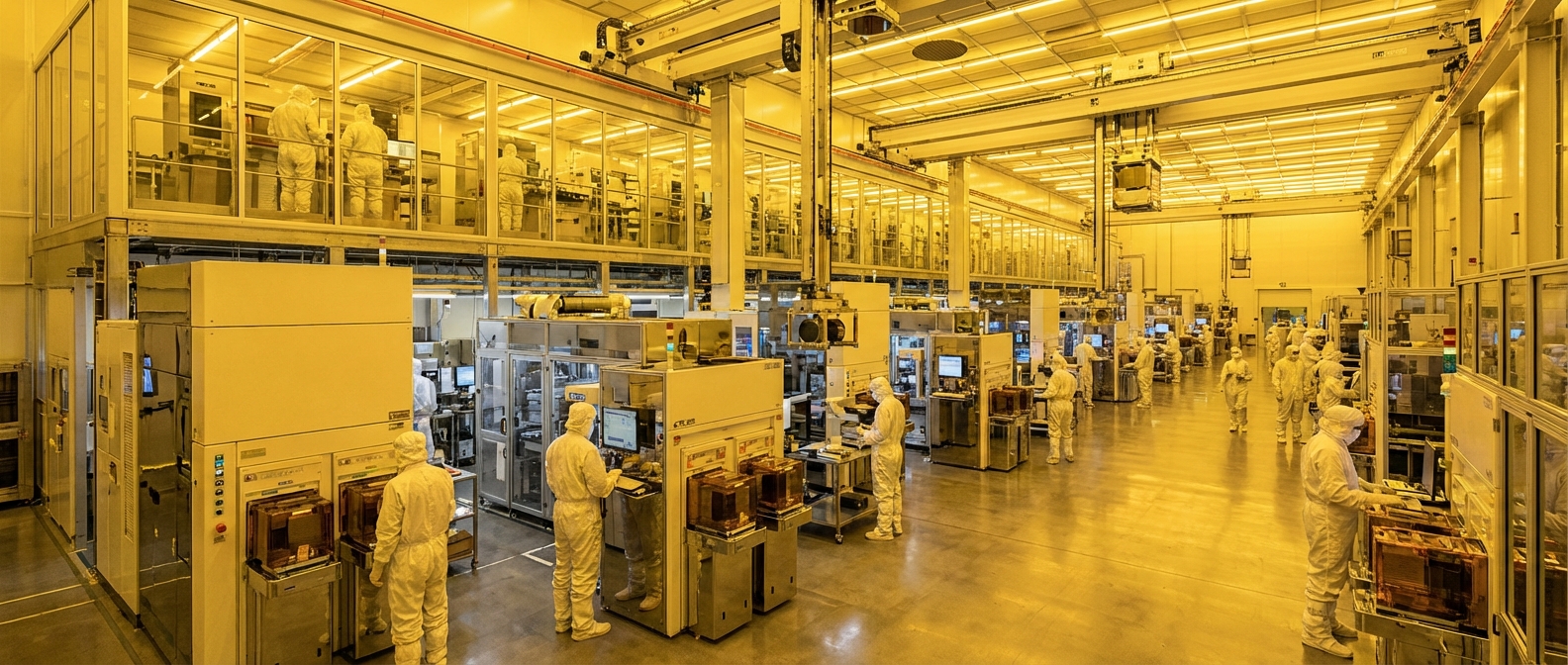
The new facility, dubbed P&T7, will be located in Cheongju, South Korea, expanding SK Hynix’s existing footprint in the city. Construction begins in April with completion targeted for late 2027.
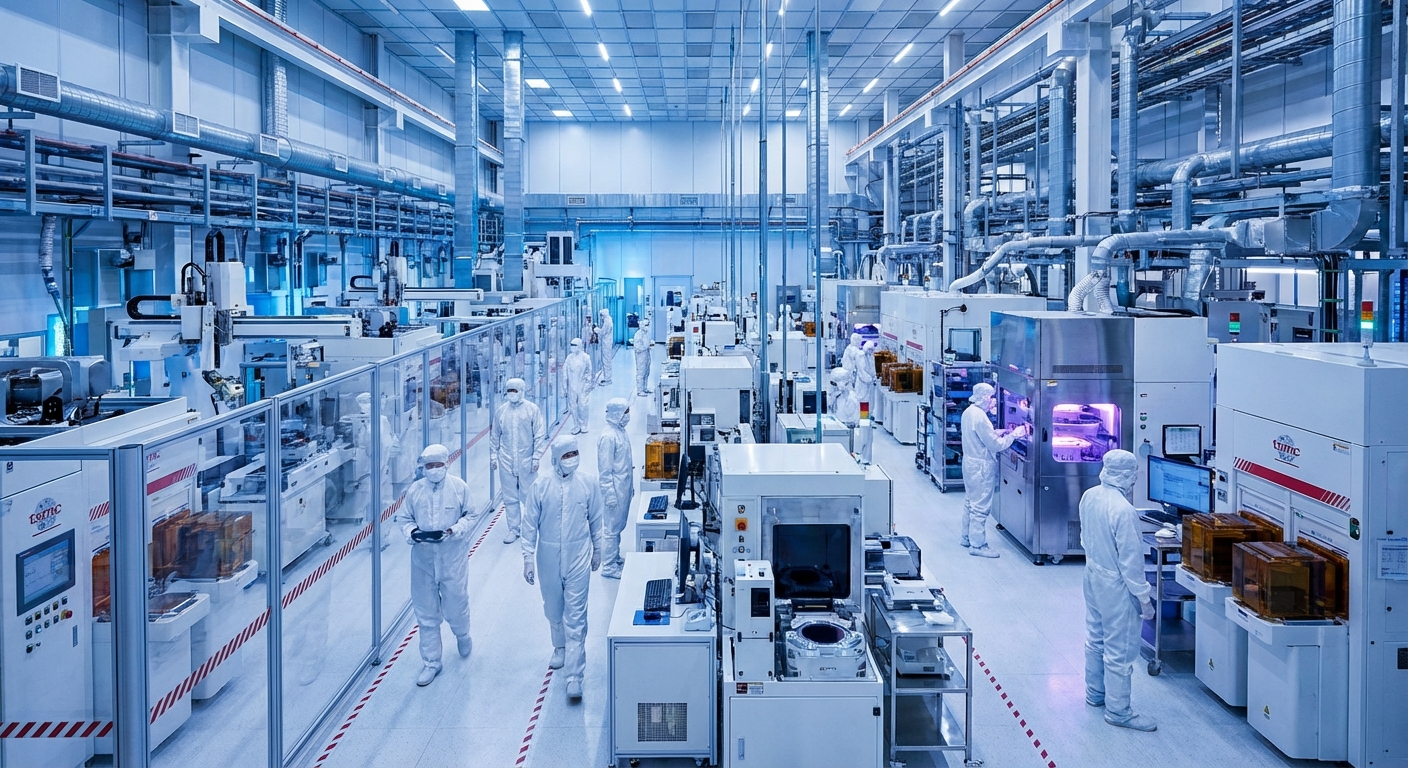
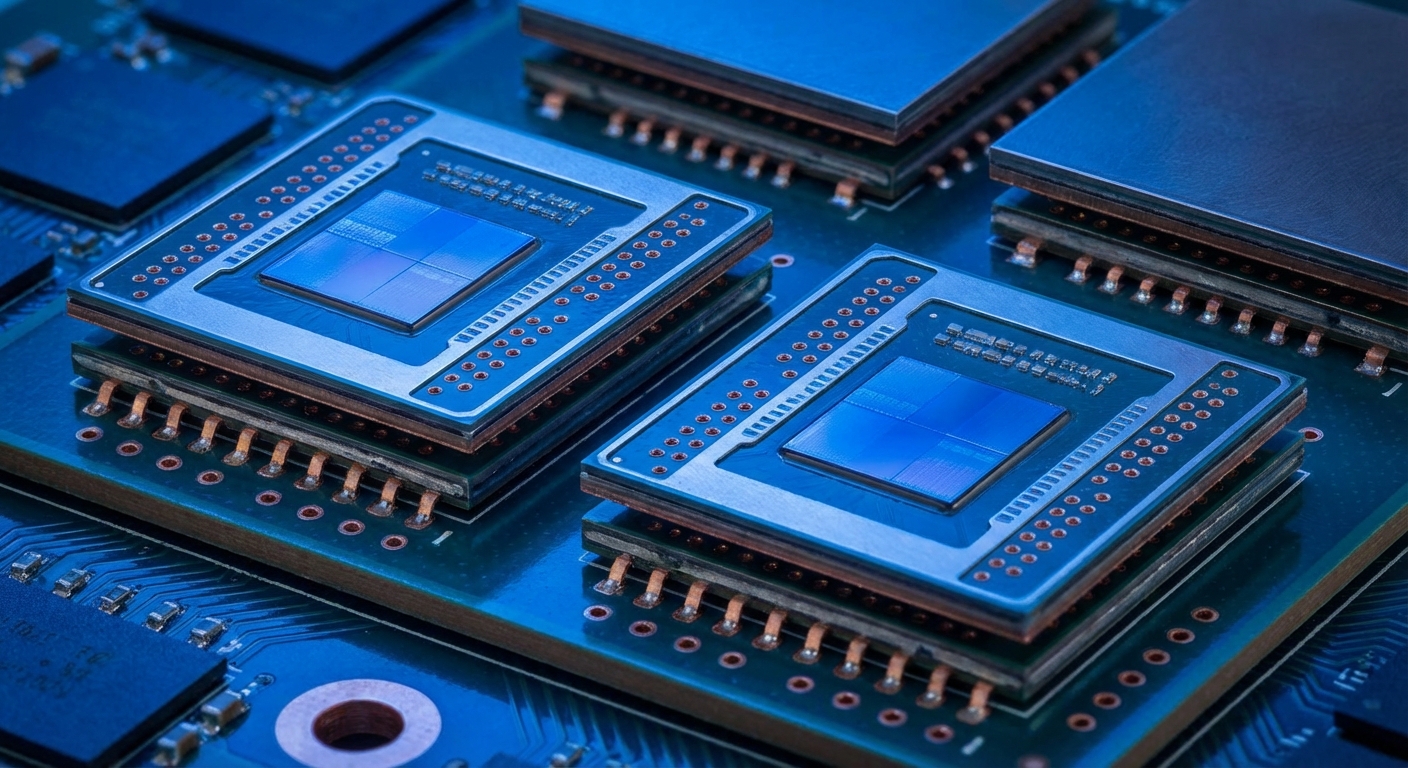
The plant focuses on advanced packaging rather than chip fabrication. Advanced packaging involves stacking multiple memory chips into single high-density units that deliver better performance and energy efficiency than traditional memory modules. This packaging technology is essential for producing high-bandwidth memory (HBM), the specialized chips that Nvidia’s AI accelerators depend on.
SK Hynix projects the global HBM market will grow at a compound annual rate of 33% from 2025 to 2030, according to data from market research firm Yole Group. The company says it needs to secure production capacity now to meet that demand curve.
Why Memory Is Now a Bottleneck
The AI boom has inverted the traditional semiconductor hierarchy. For decades, processors grabbed headlines while memory was an afterthought, a cheap commodity that barely mattered to system performance. That dynamic has flipped.
Modern AI training and inference require moving enormous amounts of data at speeds that conventional memory cannot deliver. HBM solves this by stacking memory chips vertically and connecting them with thousands of tiny wires, creating bandwidth that’s orders of magnitude higher than standard RAM.
The catch is that HBM production is far more complex and capacity-constrained than regular memory. SK Hynix controls 61% of the HBM market, with Samsung at 19% and Micron at 20%, according to Macquarie Equity Research. When SK Hynix cannot produce enough chips, data center buildouts slow down regardless of how many processors are available.
This explains why Nvidia, the dominant AI chip company, remains dependent on its memory suppliers. Nvidia designs the processors, but without HBM from SK Hynix, those processors sit in warehouses.
The Bigger Picture
SK Hynix’s investment reflects a broader scramble across the semiconductor industry to build out AI-related capacity. Taiwan Semiconductor Manufacturing Co. reported quarterly revenue that topped expectations last week, reinforcing that AI chip demand continues accelerating into 2026.
The new Cheongju facility joins SK Hynix’s existing advanced packaging operations in Icheon, South Korea, and a facility in West Lafayette, Indiana. The geographic diversification matters as companies seek to reduce concentration risk, though the bulk of advanced memory production remains in Asia.
For consumers and businesses, the practical implication is that AI hardware constraints are not going away soon. Even with $13 billion investments, new capacity takes years to come online. The HBM shortage that has limited AI deployment throughout 2025 will likely persist through at least 2027.
What to Watch
The completion timeline matters. If SK Hynix hits its late 2027 target, additional capacity should start easing supply constraints in 2028. Any construction delays could extend the current shortage further.
Watch also for announcements from Samsung and Micron. Both competitors face pressure to match SK Hynix’s investment or risk losing market share in what has become the most strategically important segment of the memory industry.
The broader question is whether demand growth outpaces even these massive capacity additions. If AI deployment continues accelerating, today’s shortage could simply become tomorrow’s slightly smaller shortage.
Sources: Bloomberg, CNBC, Korea Herald, Reuters, Macquarie Equity Research.