If you followed tech news in 2025, you couldn’t escape the agent hype. Every major AI company announced agent frameworks. Every enterprise software vendor promised agent integration. Every conference featured panels on how agents would transform work. McKinsey predicted agentic commerce would generate up to $5 trillion annually by 2030.
Now we’re in 2026, and the question has changed. It’s no longer “What can agents do?” but “What are they actually doing?” The answer, so far, is less transformative than the promises suggested but potentially more interesting than the skeptics assumed.
What Agents Actually Are
An AI agent, in the current industry definition, is software that can take actions on your behalf, not just answer questions. Where a chatbot tells you how to book a flight, an agent books the flight. Where a traditional AI assistant summarizes your emails, an agent triages them, responds to routine messages, and flags what needs your attention.
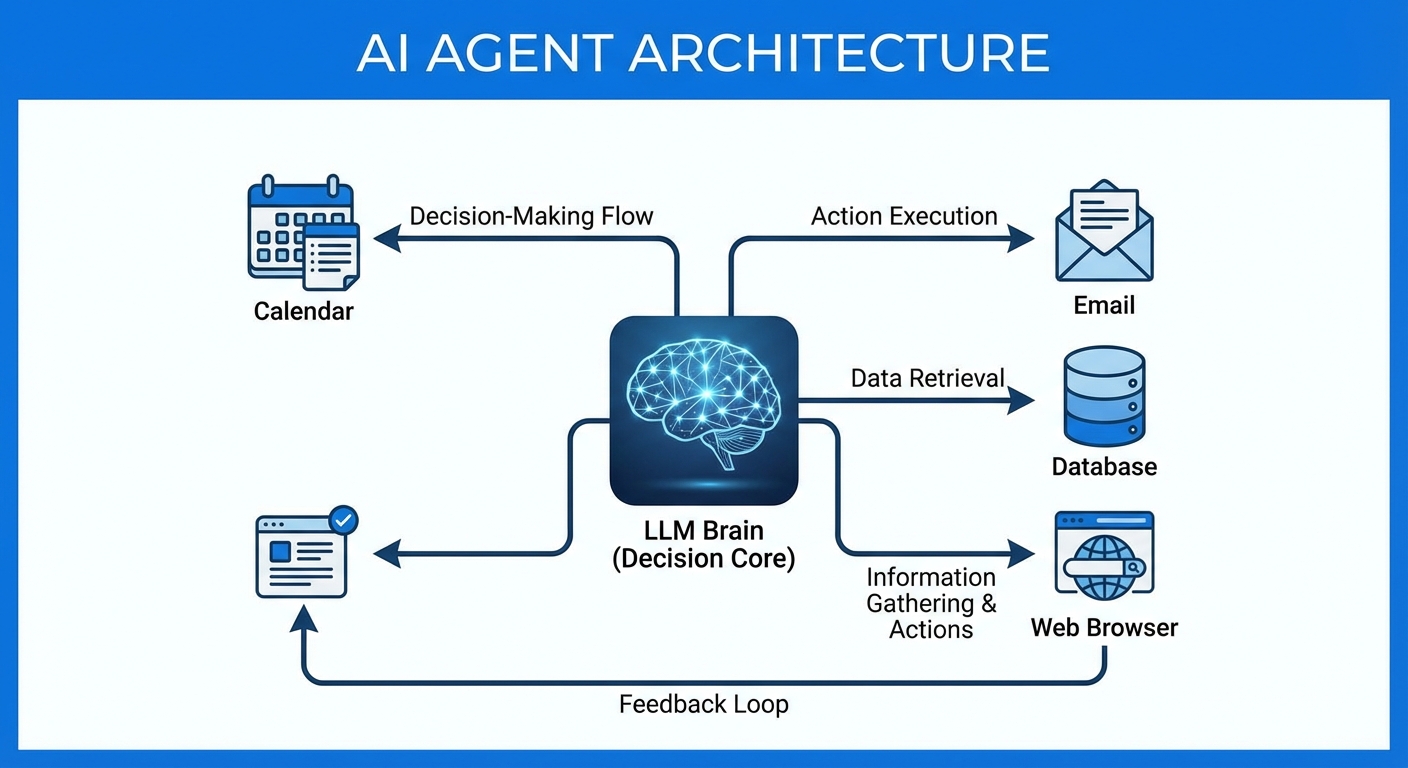
The technology combines large language models with the ability to use tools, access APIs, browse the web, or control software interfaces. The model decides what to do, the tools execute the actions, and the results feed back into further decision-making. It’s AI that does things, not just AI that says things.
That’s the theory. The practice has been more complicated. Building agents that reliably do what you want, without doing what you don’t want, turns out to be harder than the initial demonstrations suggested.
Where Agents Have Actually Landed
The most successful agent deployments so far have been narrowly scoped. Customer service agents that handle specific types of requests. Code assistants that can make simple changes across repositories. Research agents that gather information from multiple sources and summarize findings.
These aren’t the autonomous general-purpose assistants that some predicted. They’re more like very smart automation, capable of handling tasks that follow recognizable patterns but requiring human oversight for anything unusual. Companies using them report productivity gains, but the gains come from handling volume, not from replacing human judgment.
The enterprise market has been particularly interested. Salesforce, Microsoft, Google, and dozens of smaller vendors have shipped agent products aimed at business workflows. Adoption has been real but cautious. Companies are piloting agents in contained environments before committing to broader rollouts.
The consumer side has been slower. Personal AI assistants with agent capabilities exist, but most users haven’t fundamentally changed how they interact with their devices. The gap between “could do this for you” and “you trust it to do this for you” remains significant.
The Trust Problem
The core challenge isn’t capability but reliability. An agent that correctly handles 95% of requests sounds impressive until you calculate what happens with the other 5%. If an agent processes a thousand customer emails and sends fifty inappropriate responses, the productivity gain might not be worth the reputational cost.
This reliability problem explains why agent adoption has been more measured than the hype suggested. Businesses can tolerate AI that occasionally gives wrong answers when humans review the output. They’re more cautious about AI that takes wrong actions autonomously.

The technical response has been building in more guardrails, confirmation steps, and human-in-the-loop requirements. This makes agents safer but also less autonomous. The result is technology that’s genuinely useful but doesn’t match the “set it and forget it” vision that dominated early marketing.
The Infrastructure Reality
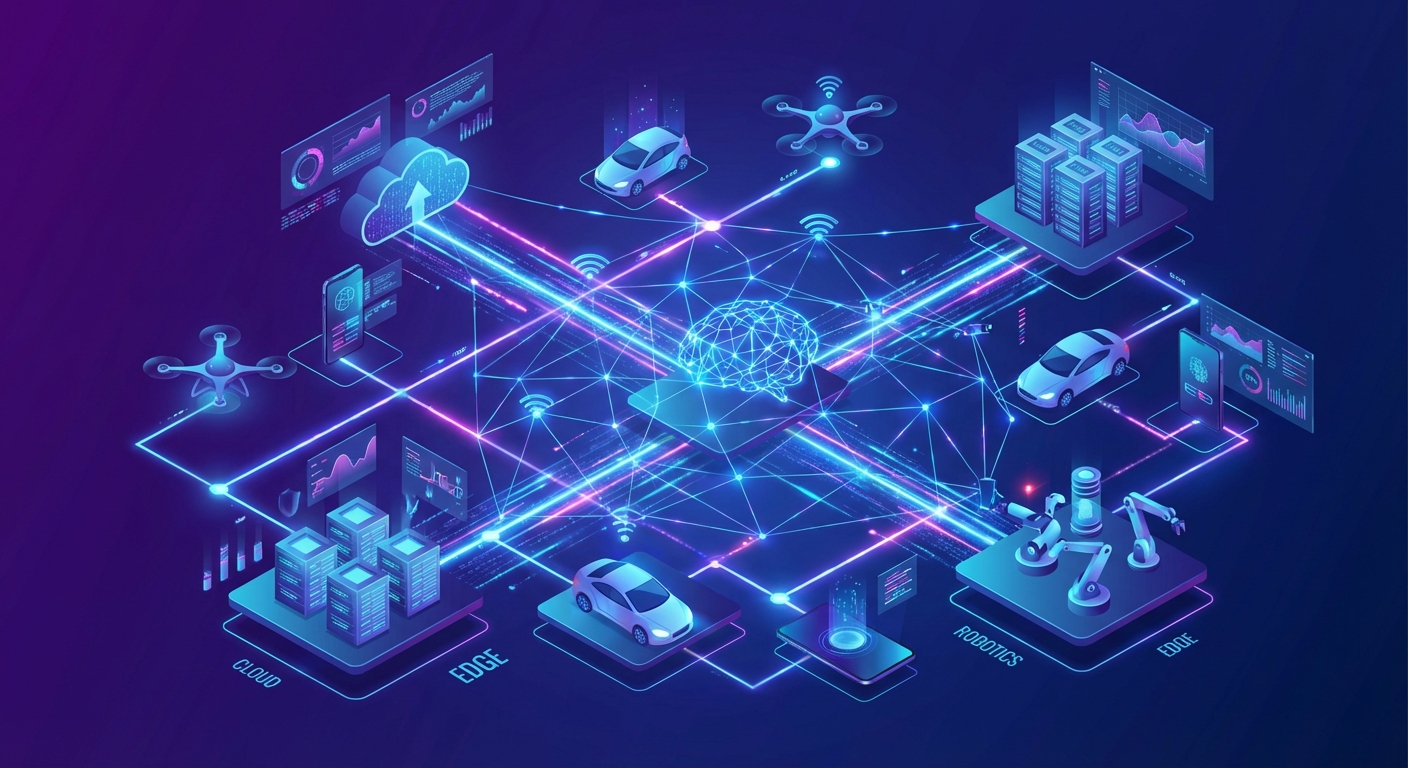
Behind the agent hype, something more fundamental is happening. The AI industry is entering what some analysts call its infrastructure era. The competition isn’t just about better models but about who controls the physical backbone of AI: chips, data centers, and power.
xAI’s $20 billion Mississippi data center, Meta’s nuclear power plans, TSMC’s continued dominance in chip manufacturing, these are the stories that will determine which companies can actually deliver on agent promises. Building agents is one thing. Running them at scale, reliably and affordably, requires infrastructure that few companies possess.
This reality has tempered some of the startup enthusiasm. Building an impressive agent demo is within reach of small teams. Building agent infrastructure that enterprises can depend on requires resources that only large players can marshal.
What to Watch
The agent market is entering a prove-it-or-lose-it phase. Gartner has already moved generative AI into its “trough of disillusionment” and predicts agents will follow in 2026. That’s not necessarily bad news. Technologies that emerge from disillusionment troughs with real use cases often become genuinely transformative. Those that don’t get remembered as hype cycles.
Several factors will determine which way agents go. First, whether reliability improves enough to enable broader autonomy. Second, whether the economics work out, whether agent automation saves enough to justify the infrastructure costs. Third, whether users actually want autonomous AI handling their tasks or prefer to stay in control.
The Bottom Line
AI agents are real technology with real applications, but they’re not yet the autonomous assistants that 2025’s hype suggested. The current state is more modest: useful automation for specific tasks, productivity tools that augment rather than replace human workers, and infrastructure buildout that will matter more than most users realize.
The question for 2026 isn’t whether agents will exist but whether they’ll prove valuable enough to justify continued investment. Early signs are mixed. Some deployments are showing genuine returns. Others are being quietly shelved. The industry that promised agents would change everything now has to demonstrate that they can change something.
Sources: IBM Business Trends 2026, MIT Sloan Management Review, MIT Technology Review, Capgemini Tech Trends, Yahoo Finance CES coverage.