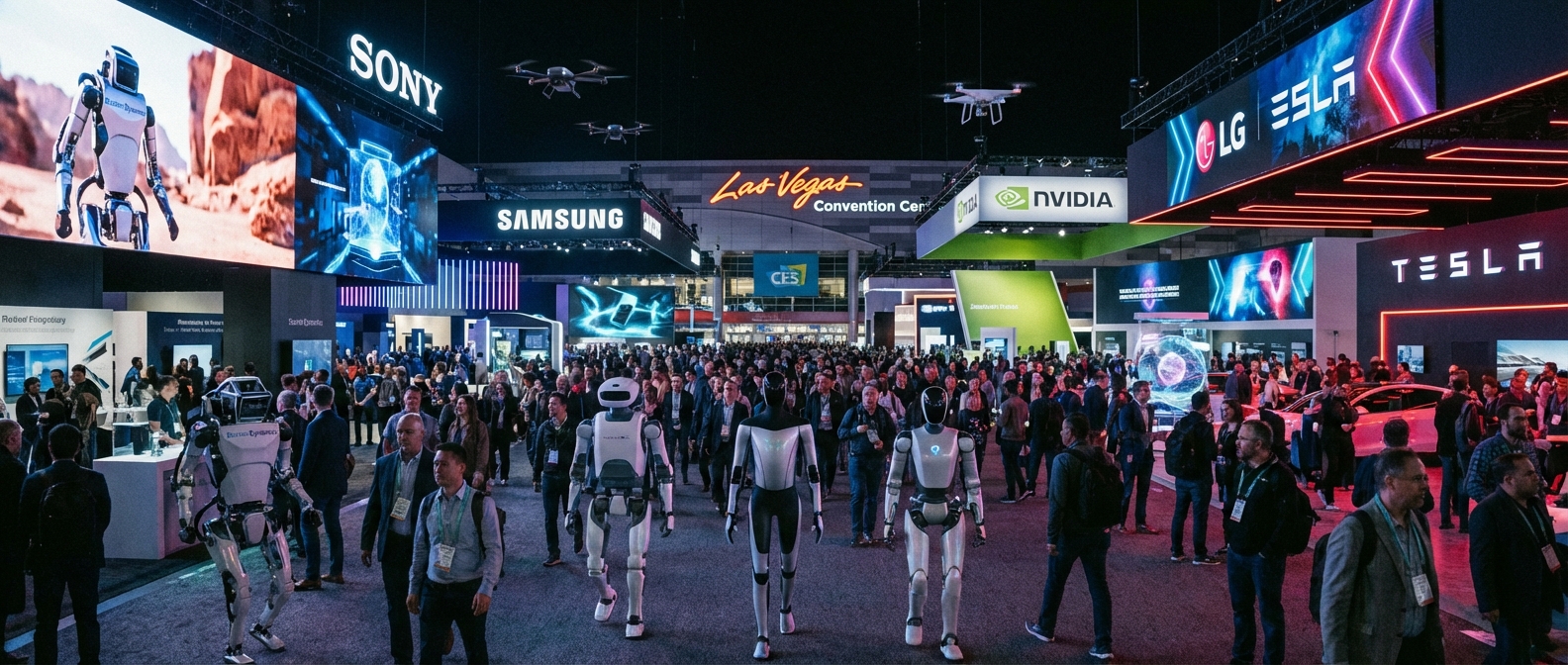
Crowds at CES 2026 in Las Vegas this week were greeted by something genuinely new: robots that seem to have crossed the threshold from impressive demos to products people might actually buy. Thousands of them filled the exhibition halls, from household assistants to industrial machines, alongside AI companions, health longevity devices, and the usual parade of smart gadgets. After years of CES feeling like a trade show of incrementally better televisions and increasingly questionable smart home products, 2026 might be the year the industry’s promises started aligning with reality.
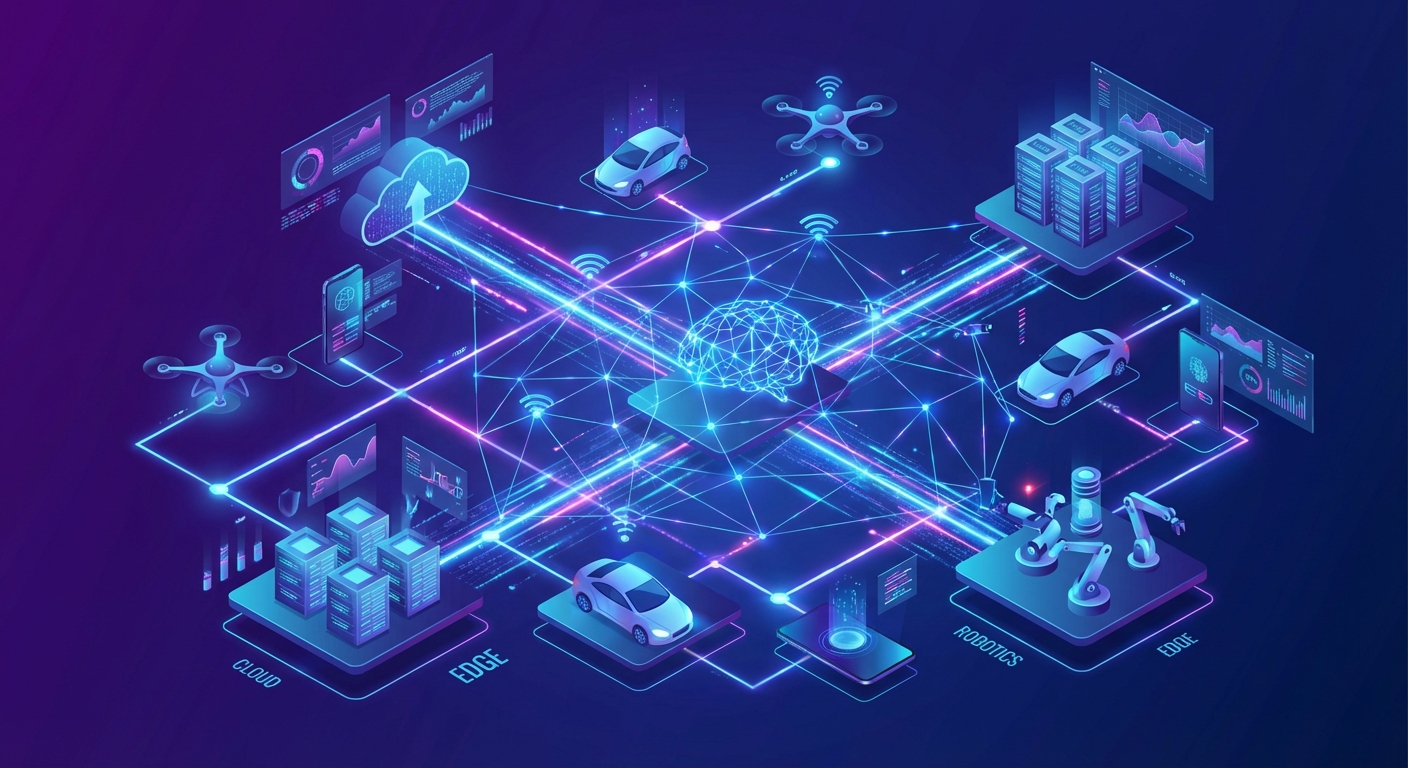
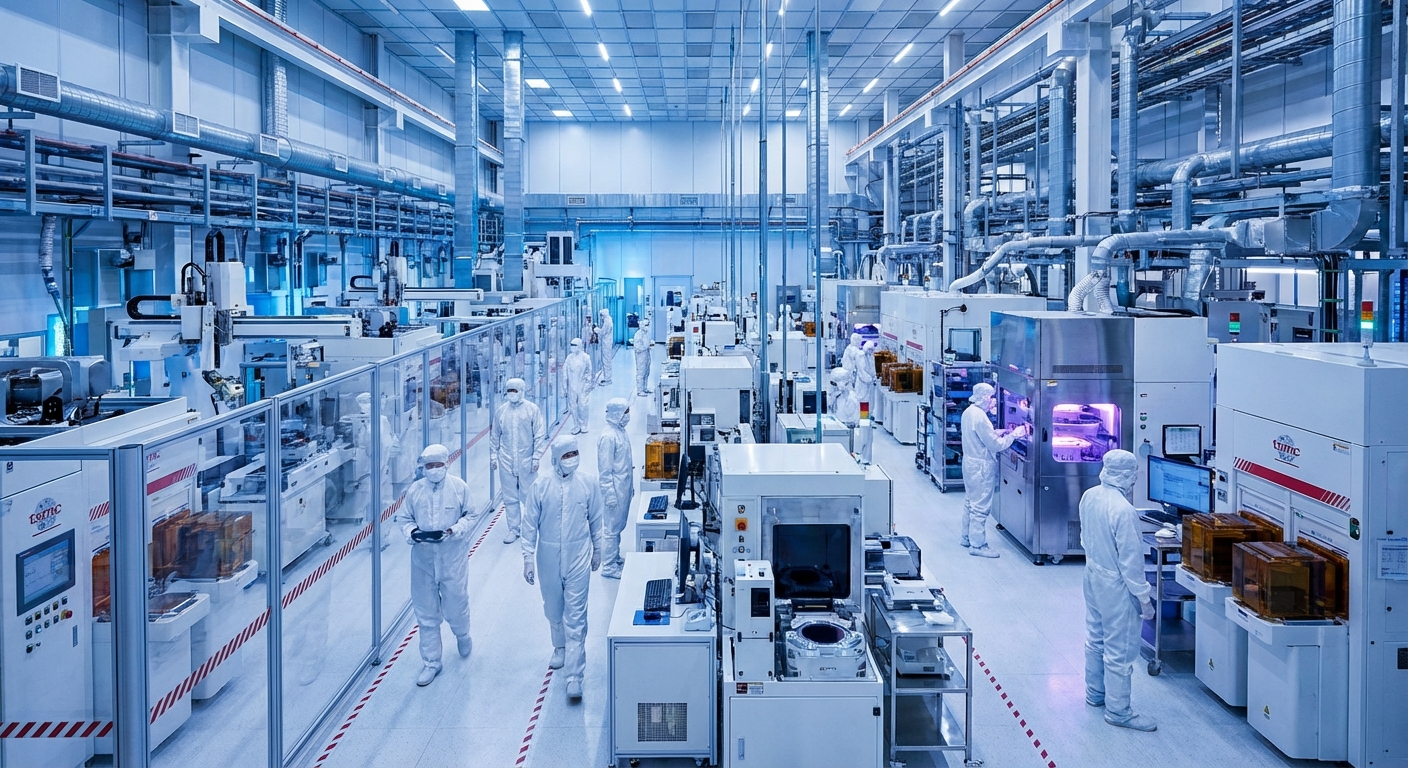
The headline moment came early when Siemens CEO Roland Busch and NVIDIA CEO Jensen Huang announced an expanded partnership they’re calling the foundation of a new AI-driven industrial revolution. That’s corporate hyperbole, but the underlying technology deserves attention. The two companies are combining NVIDIA’s AI chips with Siemens’ industrial automation expertise to create what they call “industrial digital twins,” virtual replicas of factories that can optimize production before a single physical change is made. It’s the kind of development that won’t make consumer headlines but could fundamentally change how things get manufactured.
The Robot Moment
Jensen Huang declared from the CES stage that “the ChatGPT moment for robotics is here,” and while tech executives say dramatic things at product launches, the evidence suggests he might be right. NVIDIA unveiled a suite of open models for robotic applications, including updates to its Cosmos platform for physical AI, Isaac GR00T for humanoid robots, and Clara for biomedical applications. The difference from previous years is that these aren’t just research projects. Companies are shipping products built on these platforms.
The robots on display ranged from genuinely useful to still finding their purpose. Home assistance robots that can navigate real living spaces, avoid obstacles, and perform simple tasks like fetching items or monitoring elderly family members have reached the point where early adopters might actually want them. Industrial robots capable of handling variable tasks rather than repetitive motions represent a significant capability upgrade over traditional automation.
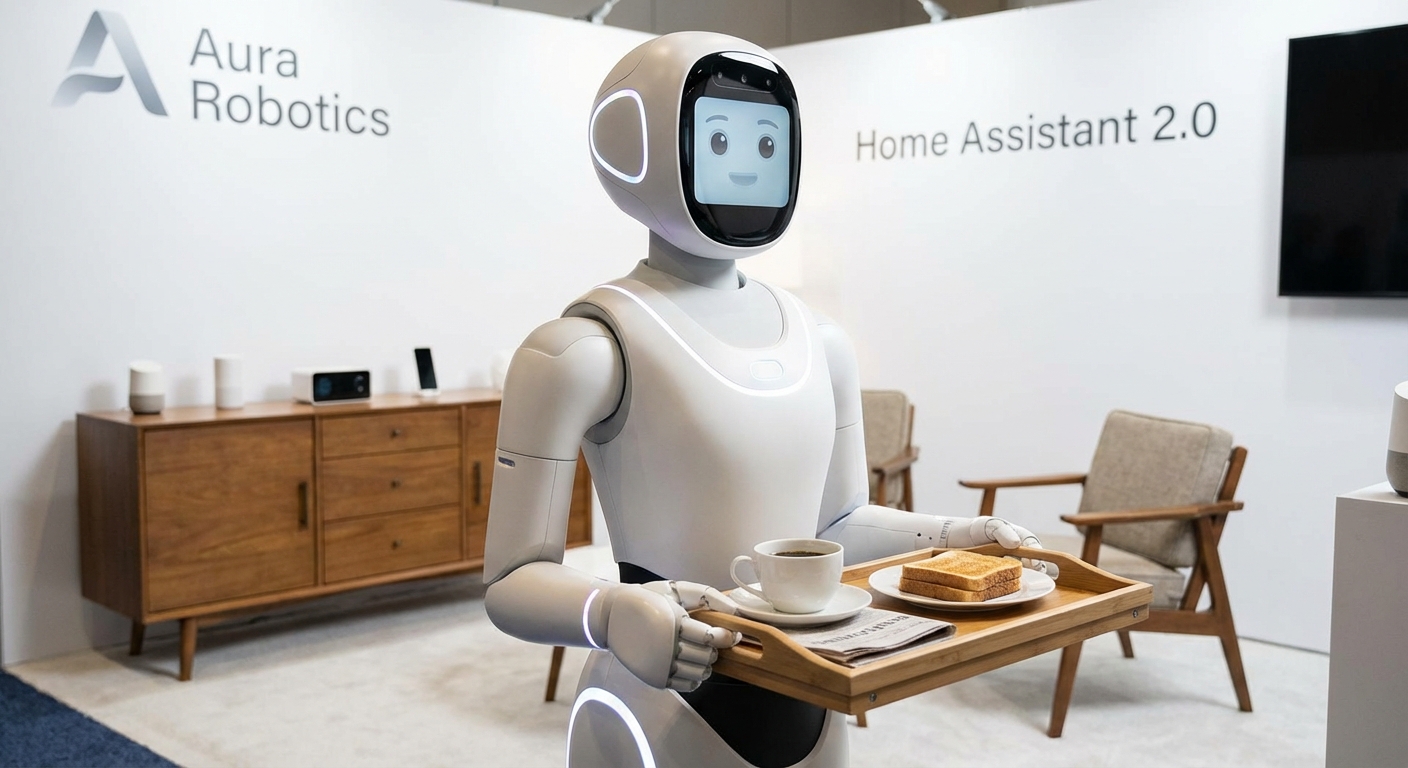
The question isn’t whether robots will enter daily life but how quickly and in what forms. Autonomous vehicles have already normalized the idea of machines making real-time decisions in physical space. Waymo’s robotaxis now operate in San Francisco and Los Angeles, with expansion planned to Washington, New York, and London in 2026. The same underlying technologies, computer vision, sensor fusion, and AI decision-making, are enabling robots that work in less structured environments than roads.
What CES made clear is that the robot industry has matured past the “impressive demo” phase into something approaching product-market fit. The units on display weren’t lab prototypes but production versions with pricing and availability announcements. Consumer adoption will still take years, but the technology gap between what’s possible and what’s practical has narrowed considerably.
AI Gets Physical
Beyond robots specifically, the broader theme of CES 2026 was AI moving from software into the physical world. This manifests in several ways, some more meaningful than others. The meaningful developments involve AI that can understand and interact with three-dimensional space, what researchers call “world models.”
Yann LeCun, the legendary AI researcher who left Meta to start his own company, has been building world models with backing reportedly seeking a $5 billion valuation. Fei-Fei Li, another AI pioneer, launched World Labs’ first commercial world model called Marble at CES. These systems learn how objects interact in physical space, enabling applications from better robotics to improved AR/VR to more realistic gaming environments.
The less meaningful developments are the predictable “AI inside” labeling now appearing on everything from refrigerators to toothbrushes. Some of these integrations are useful; many are marketing. A washing machine that genuinely optimizes water and energy usage through sensor data and machine learning provides real value. A coffee maker that uses “AI” to remember your preferred settings is just a database with better branding.
Attendees learned to ask what specific AI capabilities a product offers rather than accepting the label at face value. The companies with genuine integrations were happy to explain; the ones with marketing-driven AI claims often couldn’t articulate what their AI actually does differently from previous technology.
Health and Longevity Tech
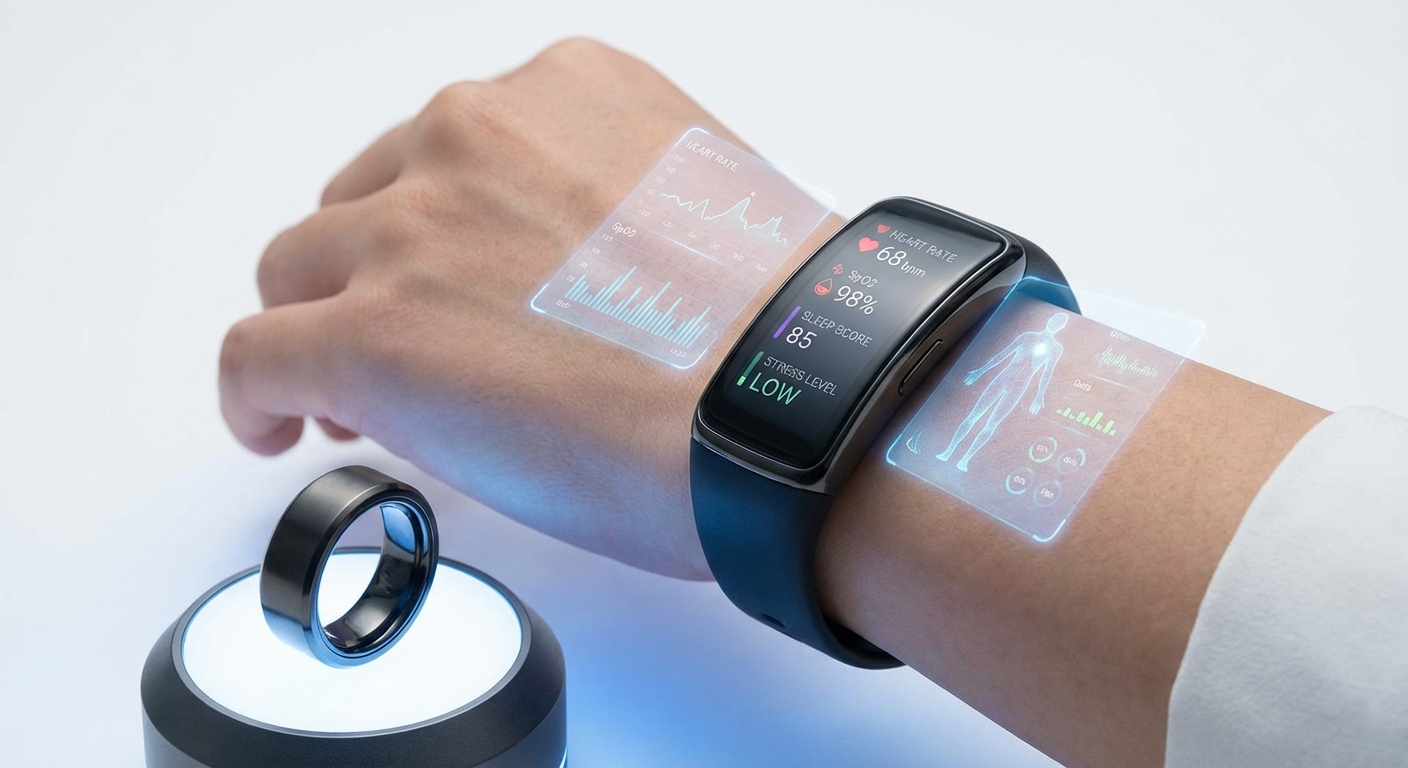
Health technology at CES 2026 reflected the growing mainstreaming of longevity science. Wearables have evolved beyond step counting into continuous health monitoring that approaches medical-grade data collection. Several companies demonstrated devices claiming to track biological age markers, not just activity metrics.
The most significant health tech announcements involved AI-assisted diagnostics. Systems that can analyze medical images, predict health risks from wearable data, or personalize treatment recommendations based on individual biomarkers are moving from research settings into consumer products. The FDA’s evolving framework for AI medical devices has created a pathway for these products to reach market, though regulatory approval remains a significant hurdle.
Longevity-focused supplements and devices also had a significant presence, though these require more skepticism. The science of aging intervention is advancing rapidly, but the gap between peer-reviewed research and consumer products remains wide. Several exhibitors made claims about reversing biological aging that outpace the supporting evidence. As with AI labeling, informed attendees learned to ask for specific mechanisms and clinical data.
The intersection of AI and health tech seems genuinely promising. Machine learning excels at pattern recognition in complex data sets, and human health generates extraordinarily complex data. Early applications in radiology, pathology, and predictive diagnostics have shown real improvements over human-only analysis. The challenge is ensuring these systems improve outcomes rather than just generating more data points for people to worry about.
What Actually Matters
Cutting through the spectacle, a few developments from CES 2026 seem likely to affect how we live and work. The NVIDIA-Siemens partnership represents a genuine capability shift in manufacturing. If factories can simulate and optimize operations digitally before physical implementation, the economics of production change significantly. This matters for supply chains, employment patterns, and what products become economically viable to manufacture.
The robotics advances matter because they indicate an approaching inflection point. Household robots have been “five years away” for decades. The demonstrations this week suggest that timeline might finally be accurate. Companies showed not just what robots could theoretically do but what they’re preparing to ship and at what prices. When major manufacturers commit to production schedules, the technology is no longer speculative.
AI’s physical-world expansion matters because it addresses a limitation of current systems. Large language models are powerful but disconnected from physical reality. AI that understands how the world works, not just how text describes it, enables entirely new applications. The companies investing billions in world models are betting that this capability is the next frontier after language mastery.
The Bottom Line
CES 2026 presented a technology landscape in transition. The robots, AI systems, and health devices on display represent genuine advances over previous years, not just incremental improvements. Whether these advances translate into products that improve daily life depends on execution, pricing, and how quickly the supporting infrastructure develops.
For consumers, the signal through the noise is that robotics and physical AI are approaching practical readiness. The products aren’t quite ready for mainstream adoption, but they’re close enough that watching this space makes sense. Health tech requires more caution; the gap between marketing claims and validated benefits remains significant.
For the industry, CES 2026 suggests the next wave of technological change is shifting from software to the physical world. The companies that mastered language AI are now racing to master physical AI. The implications for manufacturing, transportation, and daily life could be as significant as the smartphone revolution. Whether that happens in two years or ten remains unclear, but the direction is now unmistakable.
Sources: ABC News, Deloitte Tech Trends 2026, NVIDIA Blog, industry announcements from CES 2026.