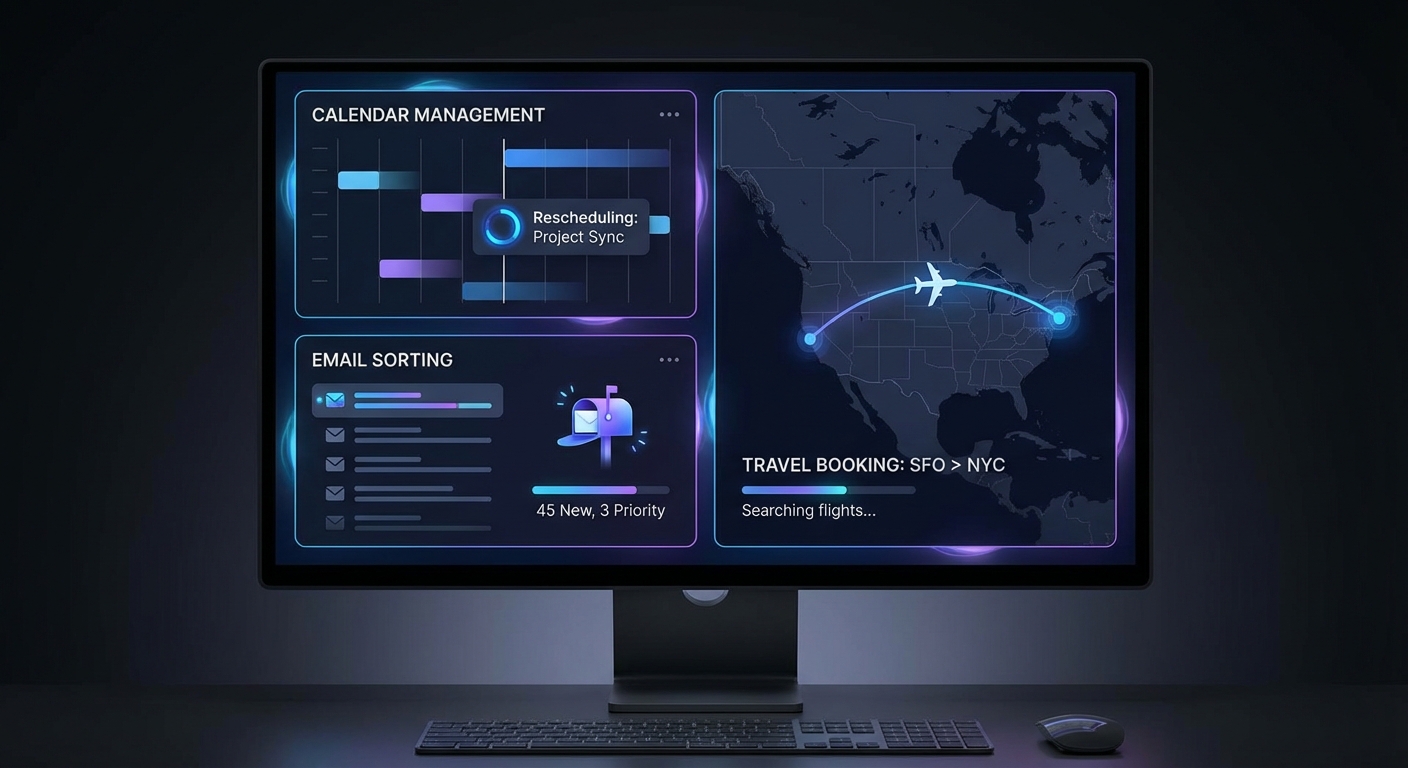
Last month, OpenAI released what it called the most significant update since ChatGPT launched in late 2022: AI agents that can use your computer on your behalf. Not just answer questions or generate text, but actually navigate websites, fill out forms, send emails, and complete multi-step tasks while you do something else. Microsoft, Google, and Anthropic announced similar capabilities within weeks. The AI agent era has officially begun, and it’s going to change how we think about productivity.
This matters because chatbots, for all their impressive capabilities, still require you to sit there and type prompts. They can help you draft an email, but you still have to copy, paste, and send it. They can plan a trip, but you still have to book it. AI agents eliminate that friction. Tell them what you want done, and they do it, using the same apps and websites you would use yourself.
What’s Actually New
The technical breakthrough behind AI agents isn’t a single innovation but a convergence of several developments. Large language models have become capable enough to understand complex, multi-step instructions. Computer vision has advanced to where AI can reliably read and navigate graphical interfaces. And perhaps most importantly, the infrastructure for secure computer access has matured to the point where companies feel comfortable deploying these systems.
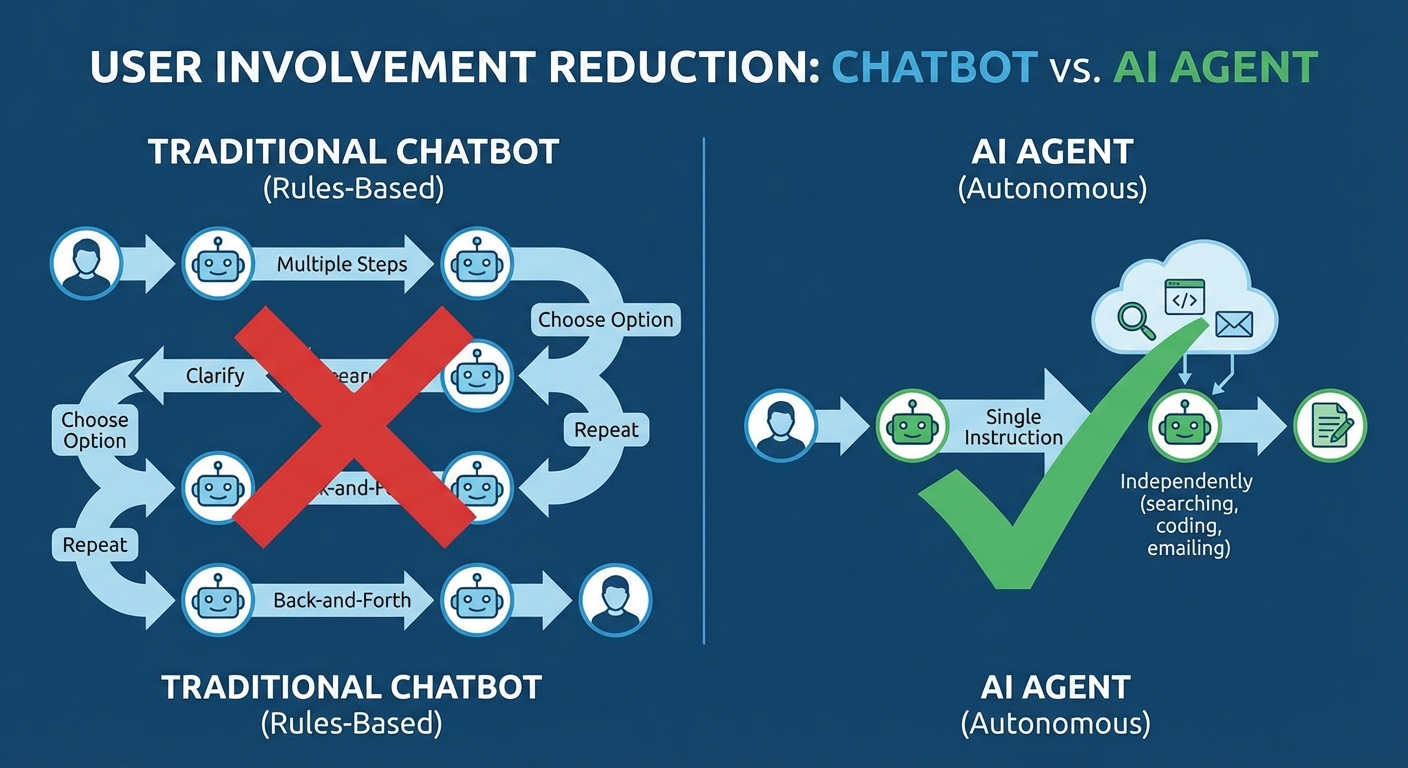
What makes these agents different from the automation tools that have existed for years? Traditional automation requires explicit programming: if this happens, do that. Robotic process automation (RPA) tools have been doing this for decades in enterprise settings. But they’re brittle. Change a button’s position on a website and the automation breaks. AI agents are adaptive. They can figure out how to complete a task even when the interface changes, because they understand what they’re trying to accomplish rather than just following a script.
The other major difference is natural language control. You don’t need to learn a programming language or build complex workflows. You just explain what you want in plain English, and the agent figures out the steps. This democratizes automation in a way that RPA tools never could.
What They Can Actually Do
The current generation of AI agents excels at tasks that are tedious but well-defined. Booking travel is a perfect example: you can tell an agent where you want to go, when, and your preferences, and it will search multiple sites, compare options, and book the best choice. Expense reports, scheduling meetings across multiple calendars, online shopping comparisons, data entry from documents into spreadsheets. These are all within current capabilities.
Software development has seen particularly aggressive adoption. AI agents can now take a feature description, write the code, test it, debug issues, and submit a pull request for human review. This doesn’t replace developers, but it changes what they spend their time on. The grunt work gets automated; the interesting problems remain human domain.
Customer service is another area seeing rapid transformation. AI agents can handle increasingly complex support requests, accessing customer records, processing returns, issuing refunds, and escalating only genuinely difficult cases to human agents. Early deployments report handling 60-70% of inquiries without human intervention, up from maybe 30% with previous chatbot technology.
The Privacy and Security Questions
Here’s where it gets complicated. For an AI agent to book your flights or manage your email, it needs access to your accounts. That means passwords, or more commonly, OAuth tokens that grant access to specific applications. Who controls that access? Where is it stored? What happens if the agent makes a mistake?
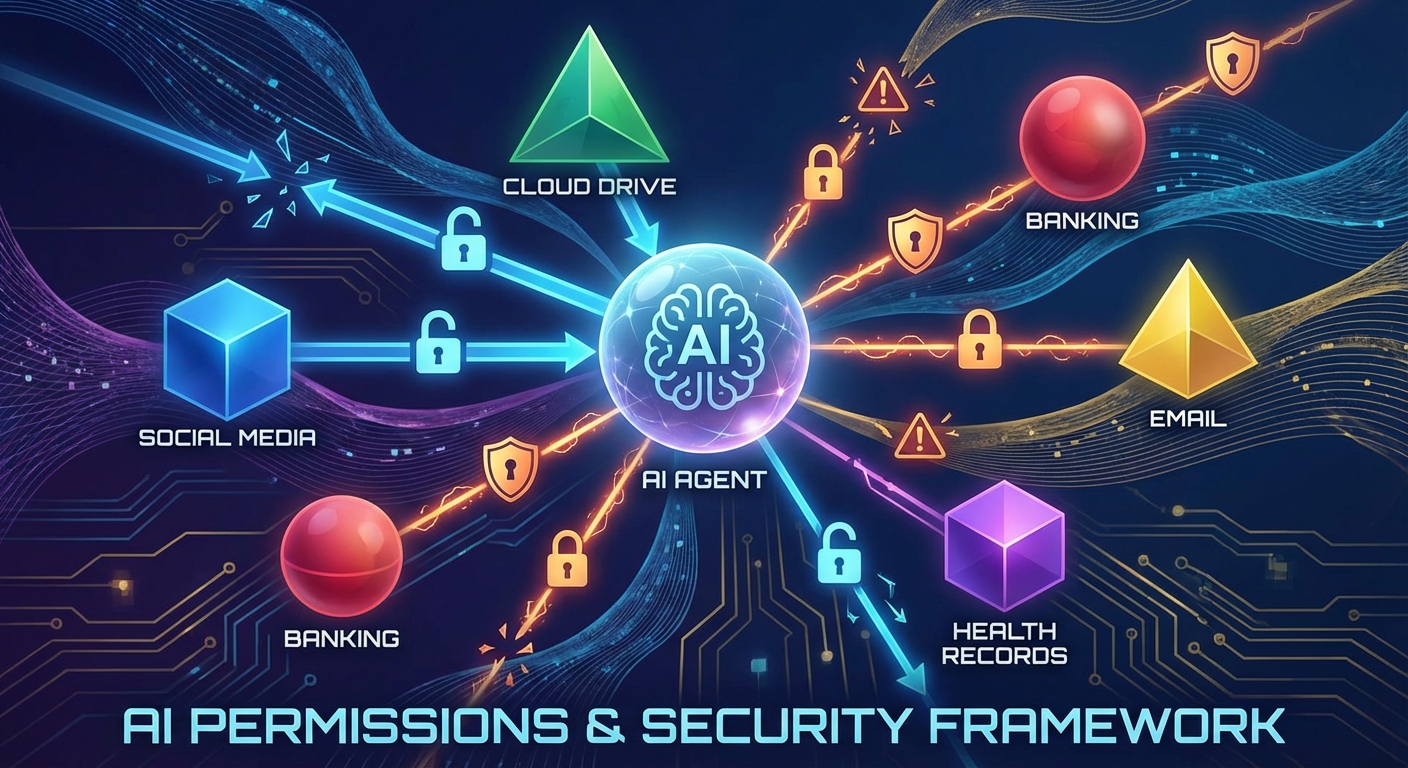
The major tech companies have taken different approaches. OpenAI’s agents run primarily in a sandboxed browser environment, limiting what they can access. Anthropic has emphasized explicit permission requests before each sensitive action. Google’s approach integrates with its existing account security infrastructure but raises questions about data concentration.
Security researchers have already identified potential attack vectors. Prompt injection attacks, where malicious content tricks an AI into taking unintended actions, become more dangerous when the AI can actually do things. A carefully crafted email could theoretically manipulate an AI agent into forwarding sensitive information or authorizing transactions. The companies are aware of these risks and have implemented mitigations, but the attack surface is genuinely larger than with passive chatbots.
Privacy advocates also point out that these systems require extensive monitoring to function. The AI needs to see your screen, read your messages, and understand your context to be helpful. Even if that data isn’t stored long-term, it’s being processed by servers you don’t control. For users who were already uncomfortable with targeted advertising, AI agents represent a significant escalation.
What This Means for Work
The productivity implications are significant enough that major consulting firms have already published reports on AI agent adoption. McKinsey estimates that 30% of hours worked across the US economy involve tasks that AI agents could theoretically handle. That doesn’t mean 30% of jobs disappear. Most jobs involve a mix of automatable and non-automatable tasks, but this suggests substantial restructuring of how work gets done.
The near-term impact is likely concentrated in administrative and support roles. Executive assistants, data entry clerks, junior analysts, and customer service representatives are all doing tasks that AI agents can now handle. The historical pattern suggests these roles won’t vanish immediately but will consolidate. Companies that employed ten people in a function might need three, with AI handling the rest.
Knowledge workers in professional services face a different challenge. Lawyers, accountants, consultants, and similar professionals spend significant time on routine tasks: document review, standard analyses, report formatting. AI agents can accelerate this work dramatically, which changes the economics of these services. Junior professionals traditionally learned by doing this routine work; if AI handles it instead, the training pipeline changes.
The Bottom Line
AI agents represent the biggest shift in human-computer interaction since the smartphone. The gap between “AI can help you do this” and “AI can do this for you” turns out to be enormous. We’re crossing that gap right now, and the implications will unfold over years.
For individuals, the question is how quickly to adopt. Early adopters will gain productivity advantages but also face the bugs and security uncertainties of new technology. Waiting means less risk but also missing out as others get more done with the same time.
For businesses, the calculus involves workforce planning. AI agents won’t replace everyone overnight, but they will change which tasks humans need to do. Companies that figure out the human-AI collaboration model first will have significant advantages.
Watch for the first major security incident involving AI agents. It’s coming, and the response will shape regulation. Watch for which industries adopt fastest and what happens to their employment patterns. And watch for the backlash: whenever automation accelerates, there’s pushback, and AI agents are advancing faster than most technologies have before.
Sources: OpenAI Blog, Microsoft AI Blog, Anthropic Research, McKinsey Global Institute, tech industry earnings calls and announcements.