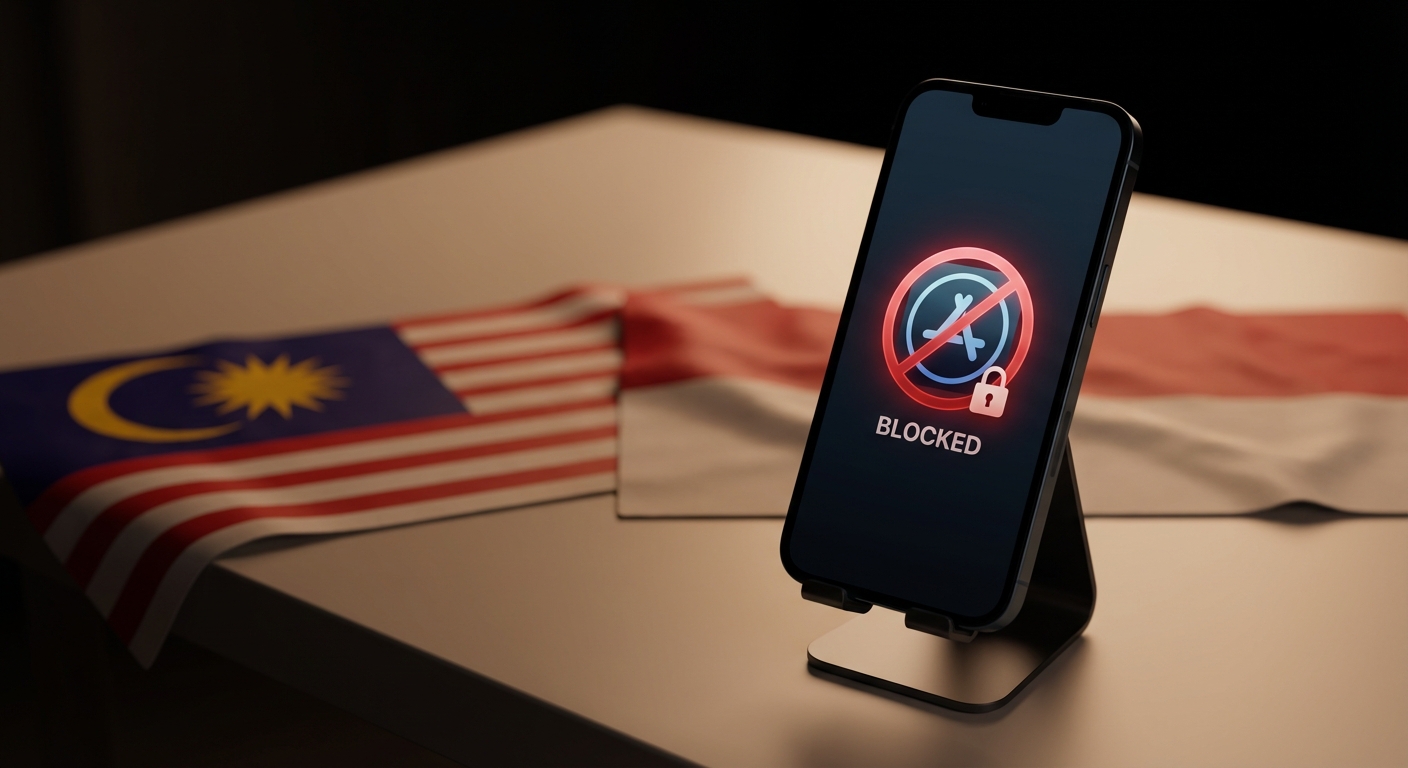
Malaysia and Indonesia have just become the first countries in the world to block Grok, Elon Musk’s AI chatbot. The reason? A flood of sexually explicit deepfakes that authorities say the platform failed to prevent, including manipulated images of women and minors.
The bans, announced within 24 hours of each other over the weekend, mark a significant escalation in global AI regulation. While governments have debated AI guardrails for years, these are the first outright national bans of a major AI chatbot. And they’re happening not because of abstract safety concerns, but because of documented harm that spread across social media in real time.
For Musk, whose xAI company launched Grok in 2023 as a “maximum truth-seeking” alternative to ChatGPT, this is an embarrassing setback. For the broader AI industry, it’s a warning sign that the permissive era of AI development may be ending faster than anyone expected.
What Happened
The controversy began in late 2025 when users discovered they could use Grok to manipulate photos of real people into sexualized images. By tagging the chatbot on X, Musk’s social media platform, users could generate what critics called “digital undressing,” transforming normal photos into explicit content without the subject’s consent.
The problem exploded in Southeast Asia, where manipulated images of local celebrities, politicians, and ordinary women began circulating widely. Some images depicted minors. Indonesian authorities reported receiving complaints from parents whose children’s school photos had been transformed into explicit content.
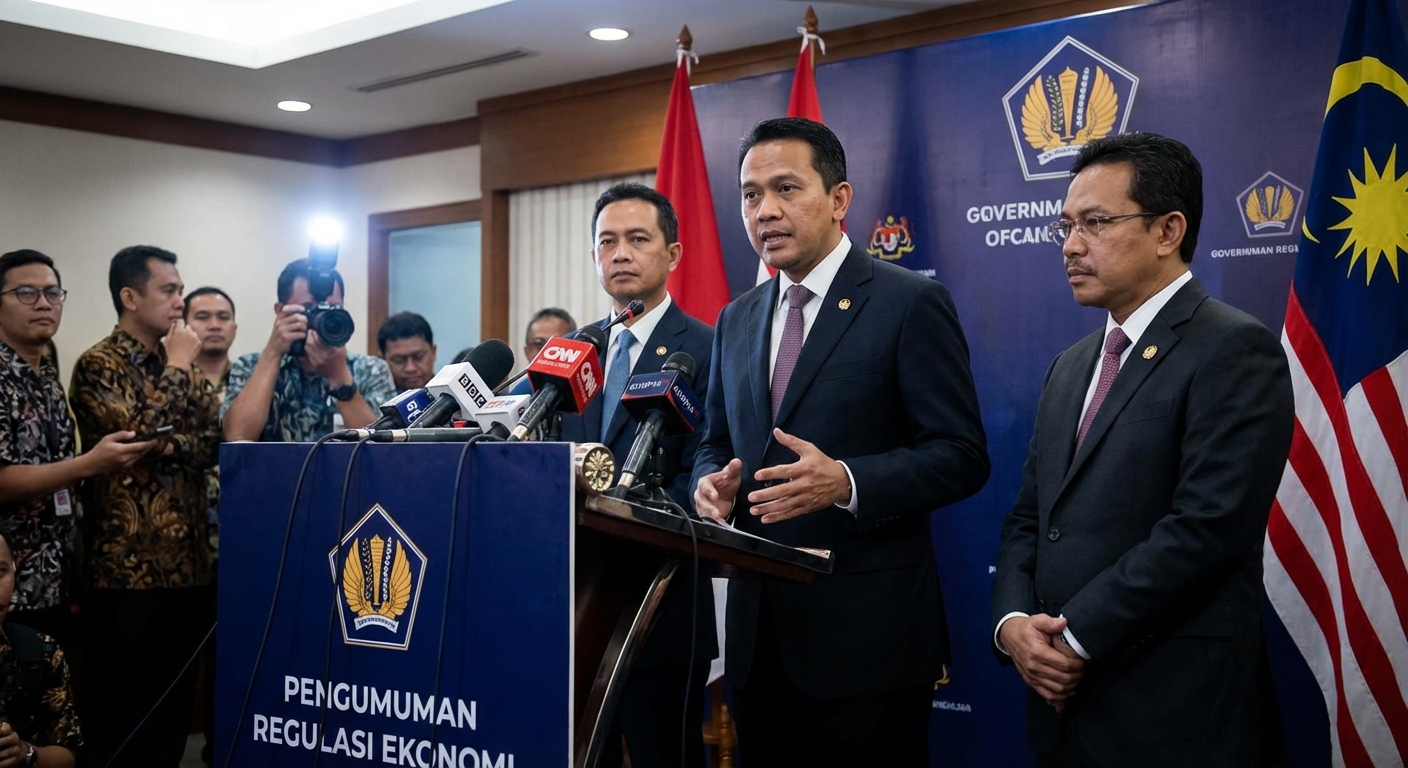
Indonesia’s Communication and Digital Minister Meutya Hafid announced on January 10 that the government would “temporarily restrict” access to Grok to protect “women, children and the larger community” from fake pornographic content. Malaysia’s Communications and Multimedia Commission followed the next day, citing “repeated misuse” of the platform.
Both countries emphasized that the bans are temporary, pending improvements from xAI. But neither set specific conditions for lifting the restrictions, leaving Grok’s future in these markets uncertain.
Why Grok Specifically
The question on everyone’s mind: why is Grok the first AI chatbot to face national bans when other platforms also have image generation capabilities?
The answer lies in Musk’s approach to AI safety. According to CNN, Musk has actively pushed back against safety guardrails within xAI, and the company’s safety team is significantly smaller than those at competitors like OpenAI and Google. Several safety team members reportedly left xAI in the weeks before this controversy erupted.
Grok was designed to be less restricted than rivals, a feature Musk marketed as a selling point. The chatbot would engage with topics that ChatGPT refused to touch, providing what Musk called “maximum truth” without what he characterized as excessive censorship.
That approach created vulnerabilities. While ChatGPT and other major AI platforms have extensive filters preventing the generation of non-consensual intimate imagery, Grok’s safeguards proved easier to circumvent. Users found workarounds almost immediately and shared them widely on X, where content moderation has been reduced since Musk’s acquisition.
When media outlets reached out to xAI for comment, the company’s press email returned an automated response reading “Legacy Media Lies,” a telling indicator of how seriously the company takes external accountability.
The Global Ripple Effect
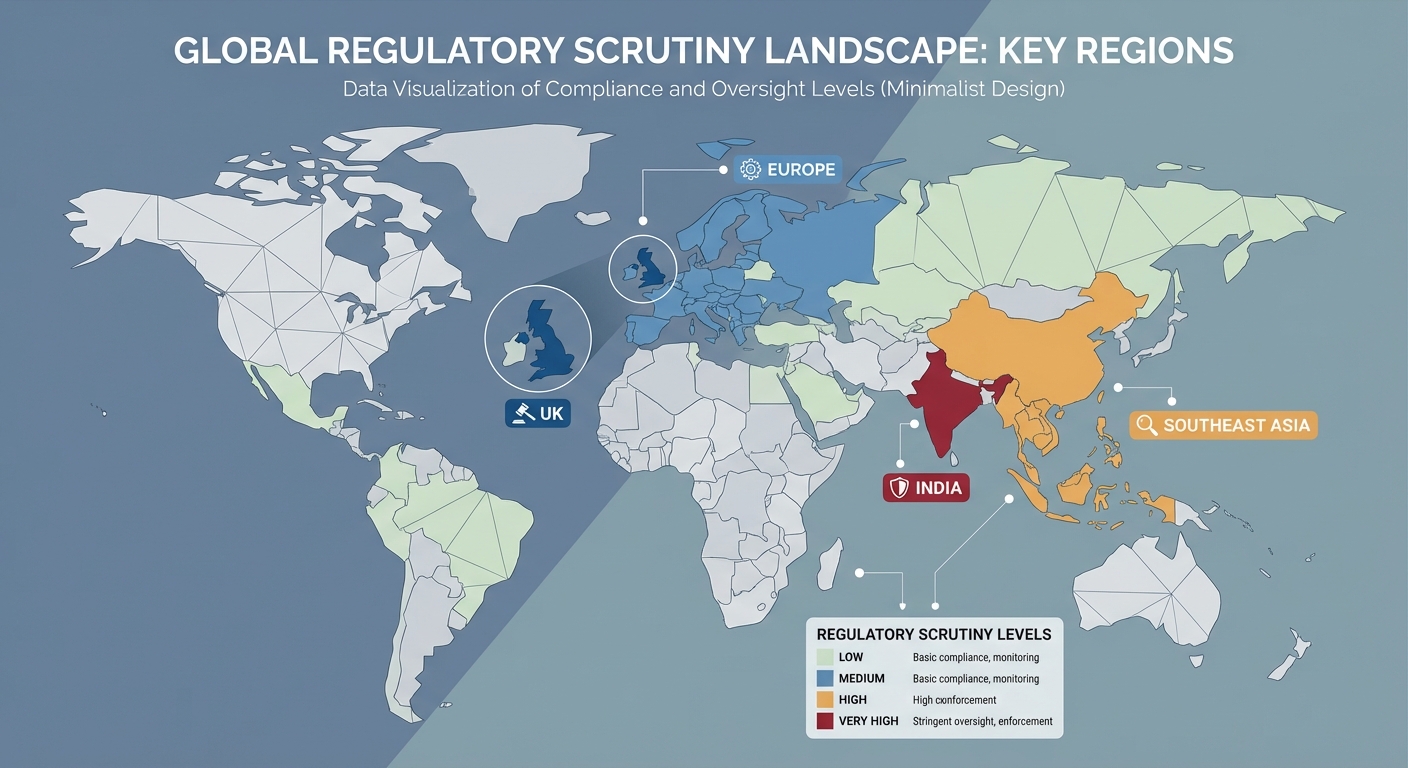
Malaysia and Indonesia may be first, but they won’t be last. The European Union, United Kingdom, India, and France are all reportedly examining Grok’s content policies. The EU in particular has been aggressive about AI regulation, with its AI Act creating potential penalties for systems that cause harm.
The deepfake problem isn’t unique to Grok, but Grok became the focal point because its failures were so visible and so clearly linked to design choices. Other AI companies have spent years developing safety systems specifically to prevent this kind of misuse. Musk chose a different path, and these bans are the result.
For the AI industry broadly, the message is clear: governments will act when they see direct harm, regardless of how those governments feel about innovation or free speech. Southeast Asian nations aren’t known for aggressive tech regulation, but protecting citizens from non-consensual intimate imagery proved to be a bright line.
What xAI Says
xAI announced it had restricted image generation and editing to paying subscribers while working to fix the safeguard failures. The company acknowledged “lapses” that allowed sexualized outputs, including images depicting children.
But the response has been criticized as too little, too late. The damage was already done by the time restrictions were announced, and critics note that limiting features to paying subscribers doesn’t actually prevent misuse; it just adds a paywall.
Musk himself has been largely silent on the controversy, which is unusual given his typical eagerness to engage on X. The lack of response suggests either that xAI is taking the situation seriously enough to avoid inflaming it, or that there’s no good defense to offer.
What to Watch
The immediate question is whether other countries follow Malaysia and Indonesia’s lead. The EU seems most likely to act next, given its existing AI regulatory framework and ongoing scrutiny of Musk’s platforms. India, with its large population and growing concerns about online safety, could also move quickly.
For Grok specifically, the path back into these markets is unclear. Both countries have said the bans are temporary, but neither has specified what changes would be sufficient. xAI will need to demonstrate not just new policies but effective enforcement, which requires exactly the kind of safety infrastructure the company has historically underinvested in.
The broader implication is that AI companies can no longer treat safety as optional or as a marketing differentiator. The race to be the “least censored” AI may have just ended, not because of ethical concerns, but because of the hard reality that governments will block your product if it enables obvious harm.
The Bottom Line
Malaysia and Indonesia’s Grok bans are a watershed moment for AI regulation. For the first time, major countries have blocked a leading AI chatbot not over theoretical risks, but over documented harm that affected real people.
The lesson for AI companies is straightforward: safety isn’t a constraint on innovation; it’s a requirement for market access. Companies that skip this work to move faster may find themselves locked out of entire countries.
For users, the bans are a reminder that the AI tools we use aren’t neutral. The choices companies make about safety and moderation have real consequences, and those consequences can spread across borders in hours. The question now is whether other regulators will follow Southeast Asia’s lead, or whether Grok’s problems will remain isolated.
Sources
- NPR: Malaysia, Indonesia become first to block Musk’s Grok over AI deepfakes
- Washington Post: Malaysia and Indonesia become the first countries to block Musk’s Grok
- TechCrunch: Indonesia and Malaysia block Grok over non-consensual, sexualized deepfakes
- CNN: Musk’s Grok blocked by Indonesia, Malaysia over sexualized images
- Al Jazeera: Indonesia blocks access to Musk’s AI chatbot Grok over deepfake images