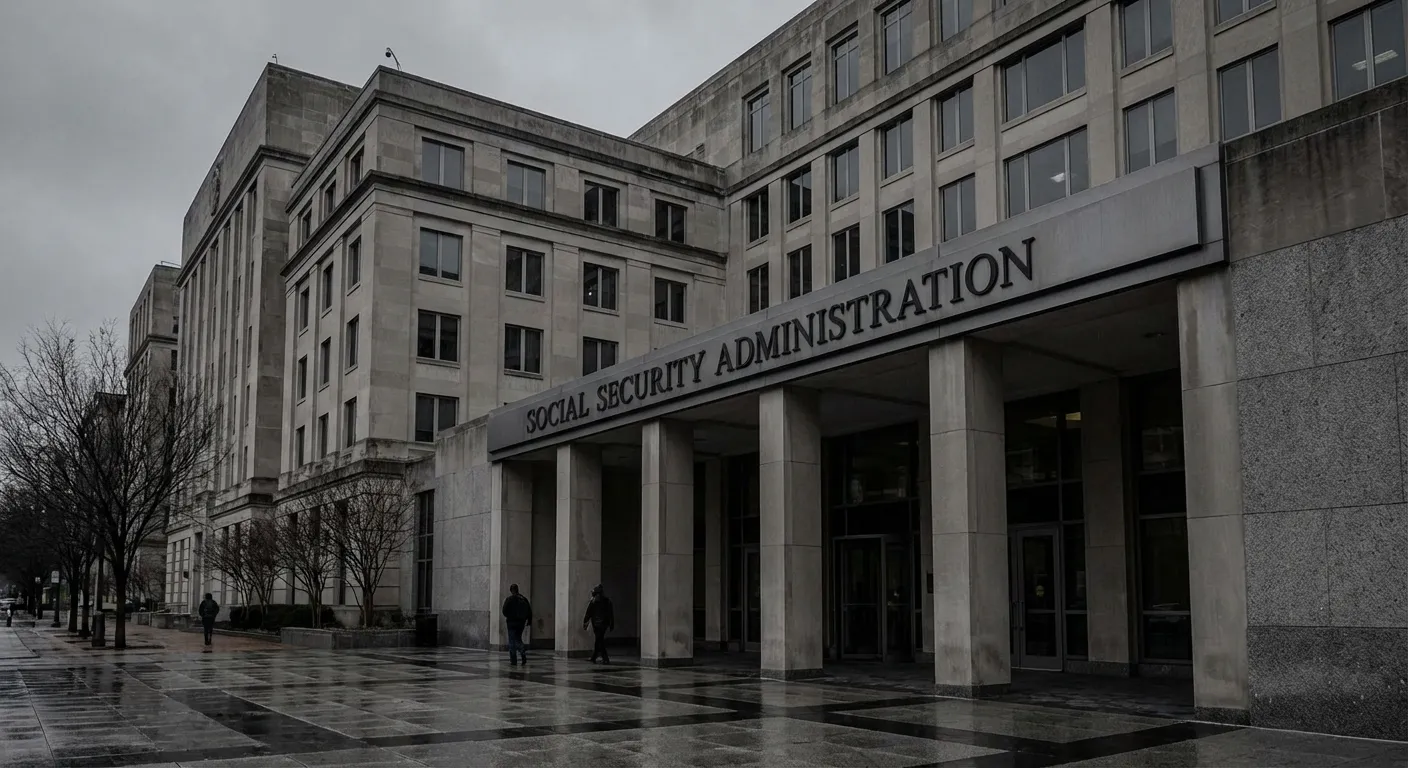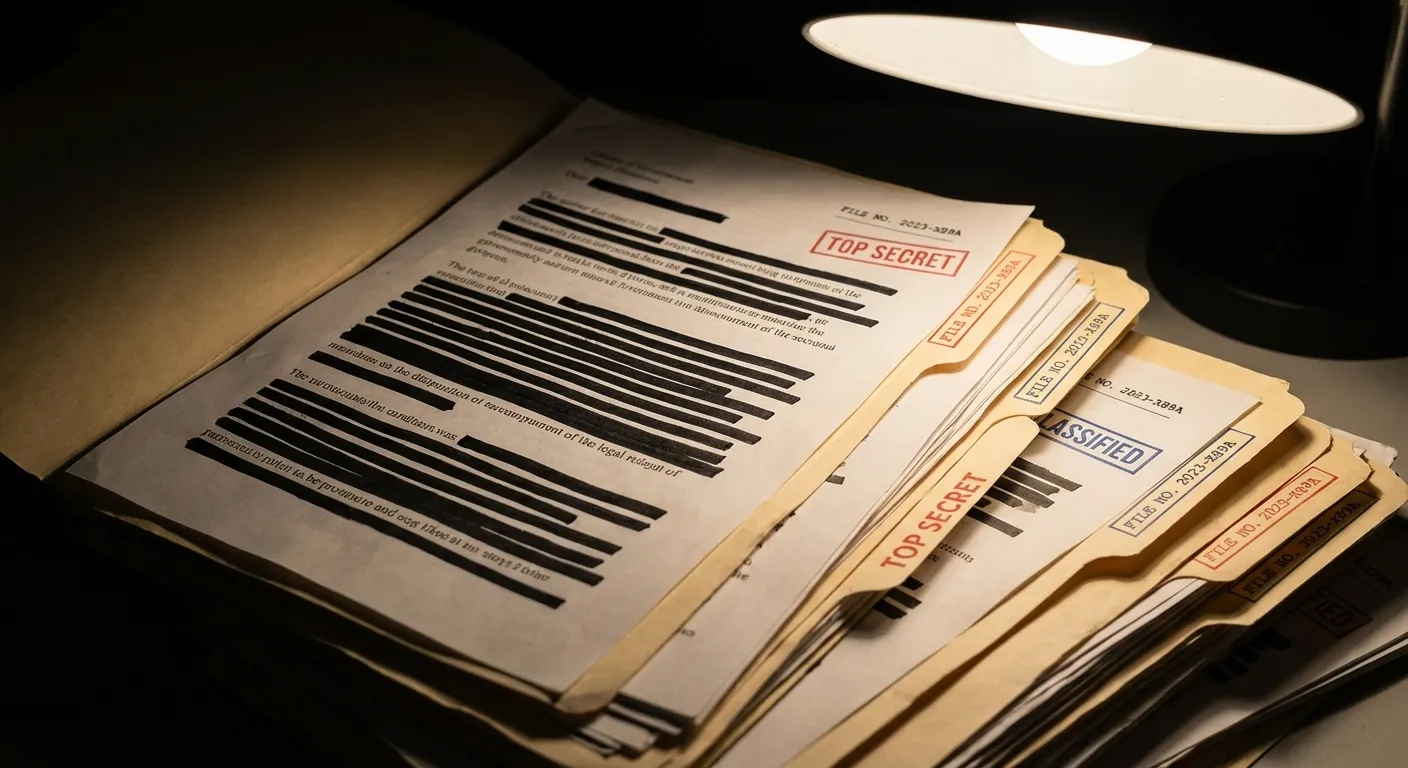
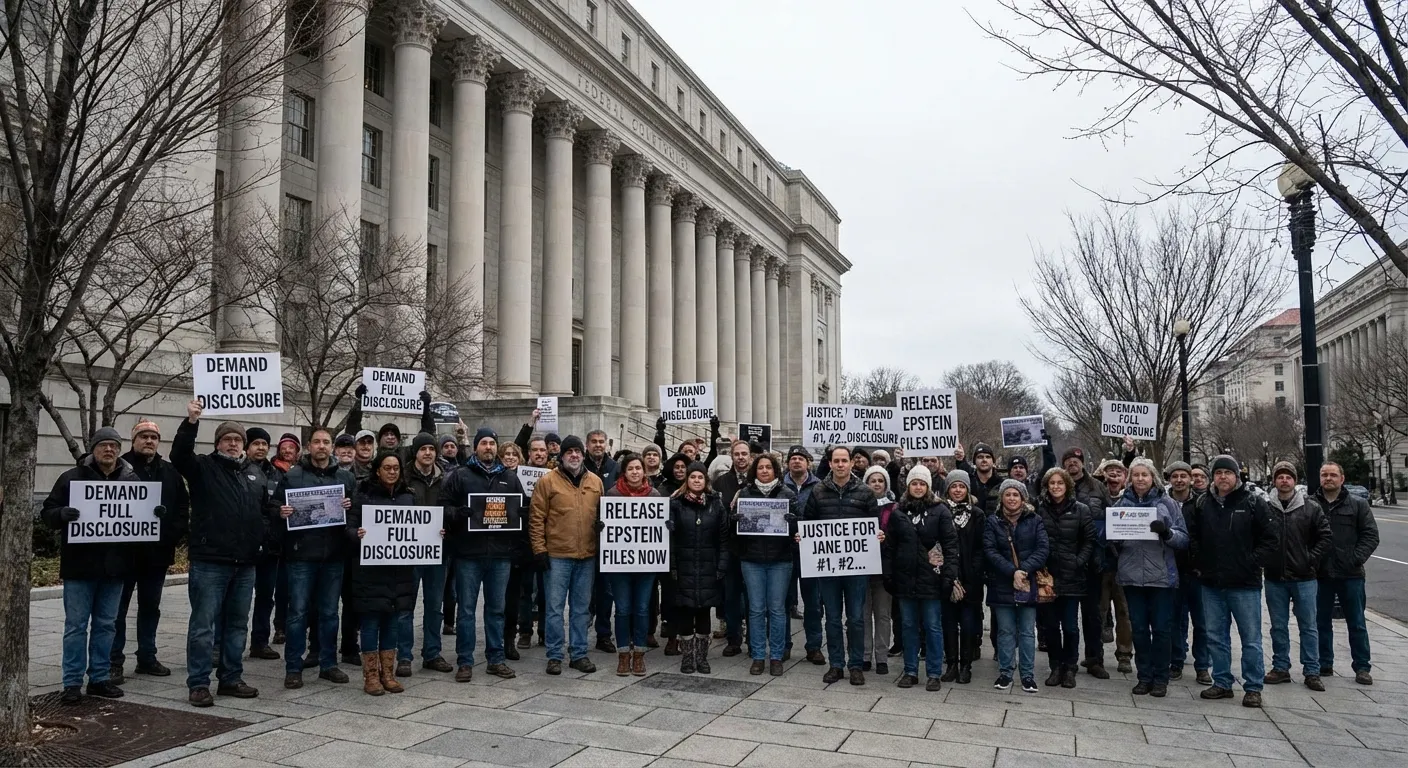
The Justice Department released more than 11,000 documents this week related to Jeffrey Epstein's sex trafficking operation, a disclosure that victims, lawmakers, and the public had demanded for years. The files total nearly 30,000 pages. They include FBI interview transcripts, victim statements, flight logs, and internal agency communications. And more than 1,200 names are covered by black redaction bars, turning what was supposed to be a transparency milestone into something closer to a confirmation of how much remains deliberately hidden.
The release follows the Epstein Files Transparency Act, which Congress passed with rare bipartisan agreement. But the DOJ's compliance has drawn immediate criticism from both sides of the political spectrum. What emerged from the readable portions is a picture of a vast network that operated with remarkable openness, enabled by wealth, connections, and institutional failures at every level of law enforcement.
Thirty Thousand Pages of Partial Truth
The documents reveal the scope of Epstein's operation across properties in New York, Palm Beach, New Mexico, and the U.S. Virgin Islands. Victim after victim described the same recruitment pattern: young women, often from disadvantaged backgrounds, brought into Epstein's orbit through promises of mentorship or employment, then subjected to escalating abuse. The consistency of their accounts across years of FBI interviews underscores how systematic the operation was.
Several internal emails reference "co-conspirators," with prosecutors identifying ten potential collaborators beyond Ghislaine Maxwell, who was convicted in 2021 on sex trafficking charges. The names of these ten individuals remain redacted. Flight logs show Epstein's private jets carrying passengers to his various properties, but the identities of those passengers, beyond previously known figures, are mostly blacked out. The logs suggest a considerably larger network of visitors than has been publicly acknowledged.
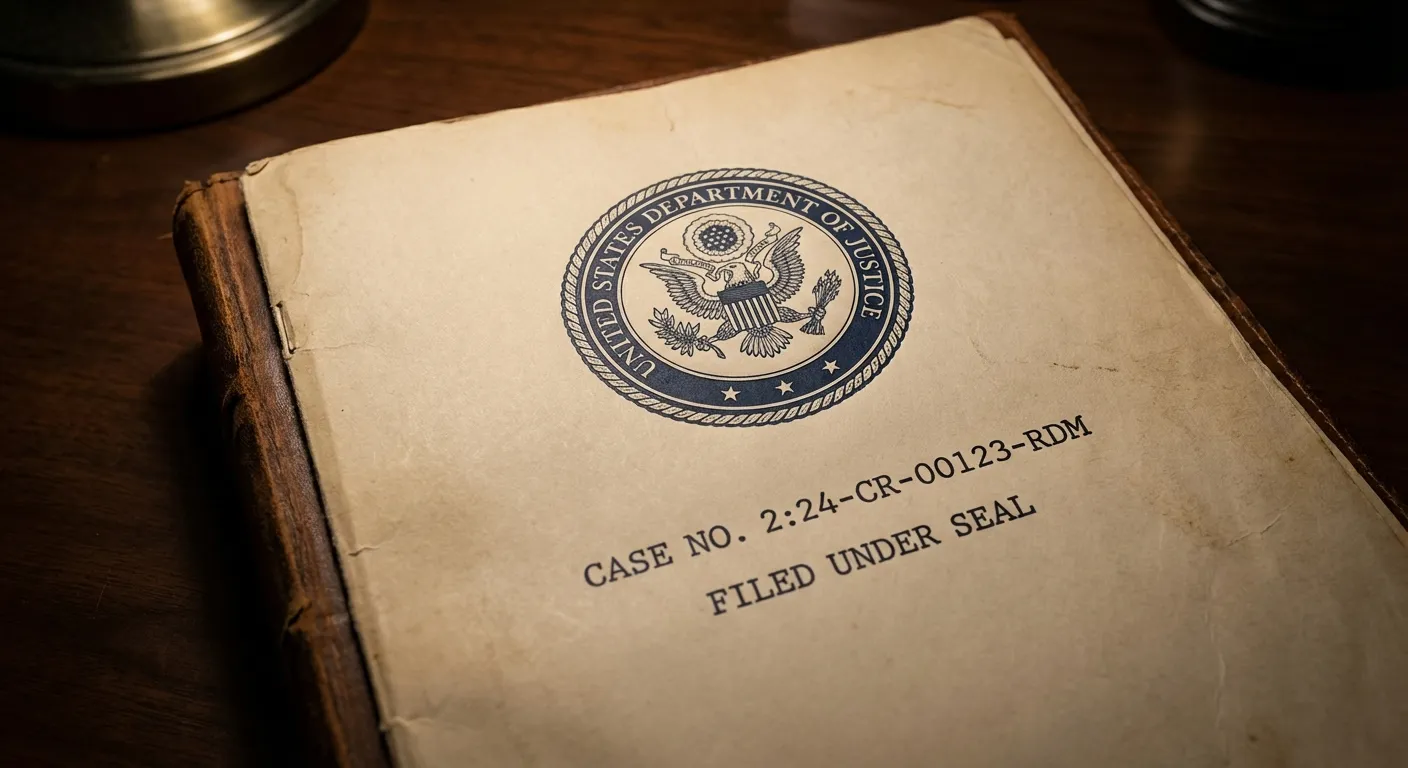
The documents also reveal how much law enforcement knew before Epstein's 2019 arrest. Victims had been reporting abuse for years. Multiple agencies had documented complaints. The question of why meaningful action took so long runs through the entire file set, though no single document provides a clear answer.
The Redaction Controversy
Deputy Attorney General Todd Blanche defended the extensive redactions, saying the DOJ adopted a "broad approach" to protecting victims. Every woman who appeared in photographs with Epstein had her face blacked out. Names of anyone who might be a victim were removed. The stated intent was to prevent re-traumatization.
Brad Edwards, an attorney who has represented Epstein victims for more than two decades, challenged that framing. The redaction framework, Edwards argued, created dangerous confusion by lumping participants and victims into the same category. By treating everyone who interacted with Epstein as a potential victim, the DOJ may have shielded people who were participants rather than prey. The blanket approach made it impossible for the public to assess who knew what, and when.
Some lawmakers have demanded access to unredacted versions in classified settings. Senator Chuck Grassley called the redaction scope "inconsistent with congressional intent" and noted that the Transparency Act was designed to produce disclosure, not a new category of concealment. Others, including several victims' advocates, argue that some redactions genuinely protect vulnerable people and that the line between participant and victim was often blurred within Epstein's operation.
What the Files Cannot Answer
The fundamental questions about Epstein remain unresolved after this release. How did he accumulate his fortune? His financial dealings remain opaque, with no clear legitimate source for his wealth documented anywhere in the files. Who protected him for so long? The documents show institutional failures but do not explain why repeated warnings were ignored at the FBI, the Palm Beach County State Attorney's Office, and the Southern District of New York.
Most significantly, who else participated in his crimes? Maxwell was convicted, but she was clearly not the only enabler. The ten co-conspirators referenced in the documents remain unnamed. Whether any will ever face prosecution is a question that hangs over the entire release.
Austin Sarat, professor of law and political science at Amherst College, argued that the DOJ's incomplete compliance with the Transparency Act undermines the rule of law and the congressional intent behind the legislation. "Every redaction represents a choice," Sarat wrote in a Justia Verdict analysis. "And when 1,200 choices all point in the same direction, that direction looks less like victim protection and more like institutional protection."
The Bigger Pattern
The Epstein case has become a symbol of how wealth and connections can buy impunity in the American legal system. It also fits a broader pattern of government document releases that promise transparency but deliver it selectively. The JFK assassination files, first ordered released by Congress in 1992, were still being partially withheld more than three decades later, with agencies citing national security for redactions that critics argued protected institutional reputations rather than genuine secrets. The Pentagon Papers, leaked rather than released, demonstrated what happens when the public sees unredacted material: the gap between official narrative and reality was enormous. The Epstein files follow the more cautious template, where the government controls both the release and the redactions, ensuring that disclosure occurs on institutional terms.
The 2008 plea deal that allowed Epstein to serve 13 months in a county jail with work release privileges was scandalous at the time and looks worse with each subsequent revelation. Alexander Acosta, the U.S. Attorney who approved that deal before becoming Trump's Labor Secretary, resigned in 2019 after public scrutiny of the arrangement intensified.
Epstein's death in a Manhattan jail cell in August 2019, ruled a suicide, foreclosed the possibility of a trial that might have exposed his network under oath. The documents released this week are what remains: a partial record, filtered through redaction, of an operation that multiple institutions failed to stop for decades. At a time when the administration is also reshaping its relationship with international oversight bodies, the handling of the Epstein files adds another dimension to ongoing debates about transparency and institutional accountability.
The Impact
The Epstein files release is both a milestone and a disappointment. After years of anticipation, the documents are public, but their heavily redacted state means the full picture remains locked behind black bars. For victims who spent years cooperating with investigators and awaiting accountability, the partial disclosure adds frustration to trauma. For the justice system, the case remains an ongoing embarrassment, a multi-decade failure spanning administrations, agencies, and jurisdictions. The files confirm what many suspected: the Epstein operation was vast, long-running, and enabled by failures at every institutional checkpoint that should have stopped it. What they do not reveal is who else was responsible, and whether anyone beyond Maxwell will ever be held to account.
Sources
- DOJ releases additional Epstein files as it removes others - NPR, December 2025
- DOJ releases huge set of Epstein files with many mentions of Trump - CBS News, December 2025
- Why It Matters That the Justice Department Ignored the Law About the Epstein Files - Justia Verdict, December 2025
- What's revealed in the latest Epstein files release and what's redacted - PBS News, December 2025