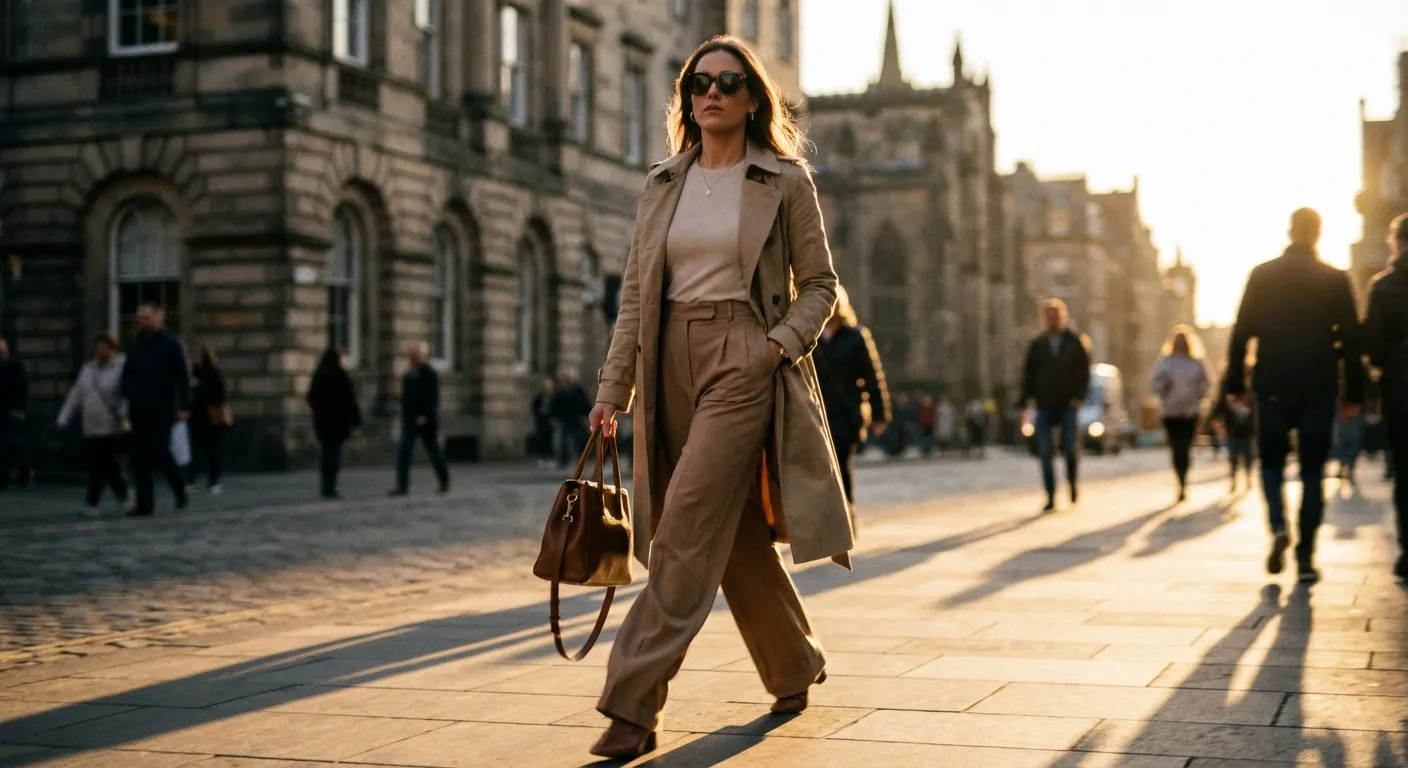
It started with a woman named Jools Sheridan walking through central London in a floor-length coat, filmed by a friend in slow motion, soundtracked to a thumping remix of Donna Summer's "I Feel Love." The video, posted on January 18, collected 4 million views in 48 hours. Within a week, the hashtag #RunwayFreedomWalk had crossed 500 million views in the UK alone and was spreading to TikTok accounts across Europe, Latin America, and the United States.
The premise is simple: women film themselves walking through public spaces with intentional, exaggerated confidence, like a fashion runway model striding through everyday streets. But the trend has resonated so widely because it taps into something more complicated than a good walk. At its core, the Runway Freedom Walk is about who feels entitled to take up space in public and what happens when women visibly refuse to make themselves smaller.
More Than a Strut
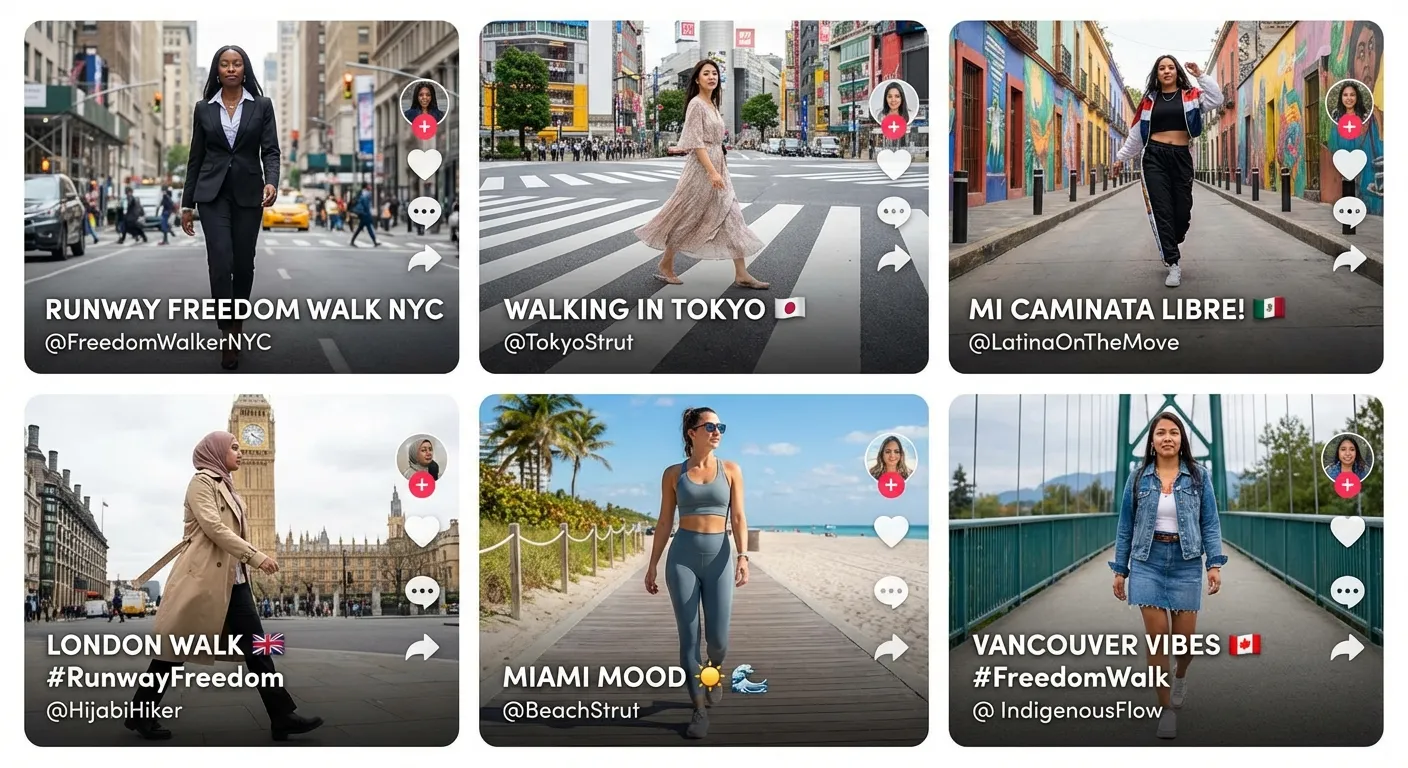
The mechanics of the trend follow a recognizable TikTok formula. The videos are typically 15 to 30 seconds long, shot in slow motion, with a carefully chosen soundtrack. Participants dress in whatever makes them feel powerful, from business suits to streetwear to traditional cultural clothing. The walk itself is deliberate: chin up, shoulders back, stride wide, zero apology for existing.
What elevates it beyond a standard fashion trend is the context. Many of the most viral videos include brief captions or follow-up posts explaining why the walk feels meaningful. A recurring theme is the experience of being told, implicitly or explicitly, to take up less space. Women describe being catcalled, followed, harassed, or simply conditioned to walk quickly with their eyes down. The Runway Freedom Walk inverts that posture entirely.
Dr. Kaitlyn Regehr, a media researcher at University College London who studies viral trends, told the BBC that the Runway Freedom Walk resonates because it "makes visible a negotiation that women do every day in public space, just flipped on its head." Instead of navigating around people, crossing the street to avoid groups, or minimizing physical presence, participants are doing the opposite, and filming it as proof.
Why This Trend, Why Now
Viral trends rarely emerge in a vacuum, and the Runway Freedom Walk is no exception. It arrived during a period of heightened conversation about women's safety in public spaces, particularly in the UK. The murder of Sarah Everard in 2021 catalyzed a national reckoning that hasn't fully subsided, and the Home Office's most recent annual survey, published in November 2025, found that 44% of women in England and Wales reported feeling unsafe walking alone after dark.
The trend also reflects a broader shift in how Gen Z and younger millennials use TikTok. The platform has evolved beyond pure entertainment into a space for cultural expression that blurs the line between personal statement and collective movement. The Freedom Walk isn't organized in any traditional sense. There's no central account, no manifesto, no official challenge. It spread because individual creators saw something that articulated a feeling they already had and decided to participate.
Timing played a role too. January and February are historically strong months for TikTok trends, as users return from holiday breaks and engagement surges. The trend's visual appeal, particularly its cinematic slow-motion format and fashion-forward aesthetics, made it algorithm-friendly. TikTok's recommendation engine rewards visually striking, easily replicable content, and the Freedom Walk delivers on both counts.
The Backlash and the Conversation
No trend with 500 million views escapes criticism. Some commentators have dismissed the Freedom Walk as performative, arguing that filming yourself walking confidently doesn't address the structural issues that make public spaces unsafe for women. Others have pointed out that the trend skews toward conventionally attractive, fashion-conscious participants, raising questions about whose freedom is being celebrated.
Jools Sheridan, the creator whose original video sparked the movement, addressed some of these critiques in a follow-up post that has been viewed 12 million times. "I know a walk doesn't fix anything structural," she said. "But I spent 30 years making myself small in public, and I'm done. If that resonates with other women, good." The comment section, with over 40,000 replies, became its own conversation about gender, public space, and what counts as meaningful action.
The trend has also attracted brand attention, though participants have generally been protective of its grassroots character. A widely shared post from a London creator read: "This isn't your marketing moment. This is ours."
From Trend to Cultural Marker
Whether the Runway Freedom Walk has staying power or fades like most TikTok trends is an open question. What's already clear is that it has touched a nerve that goes beyond entertainment. The trend has been covered by the BBC, The Guardian, Vogue, and outlets across Europe. Academic researchers are already studying it. And in several UK cities, including Manchester, Birmingham, and Edinburgh, participants have organized in-person group walks, turning a digital trend into something that functions more like a cultural movement than a fleeting internet moment.
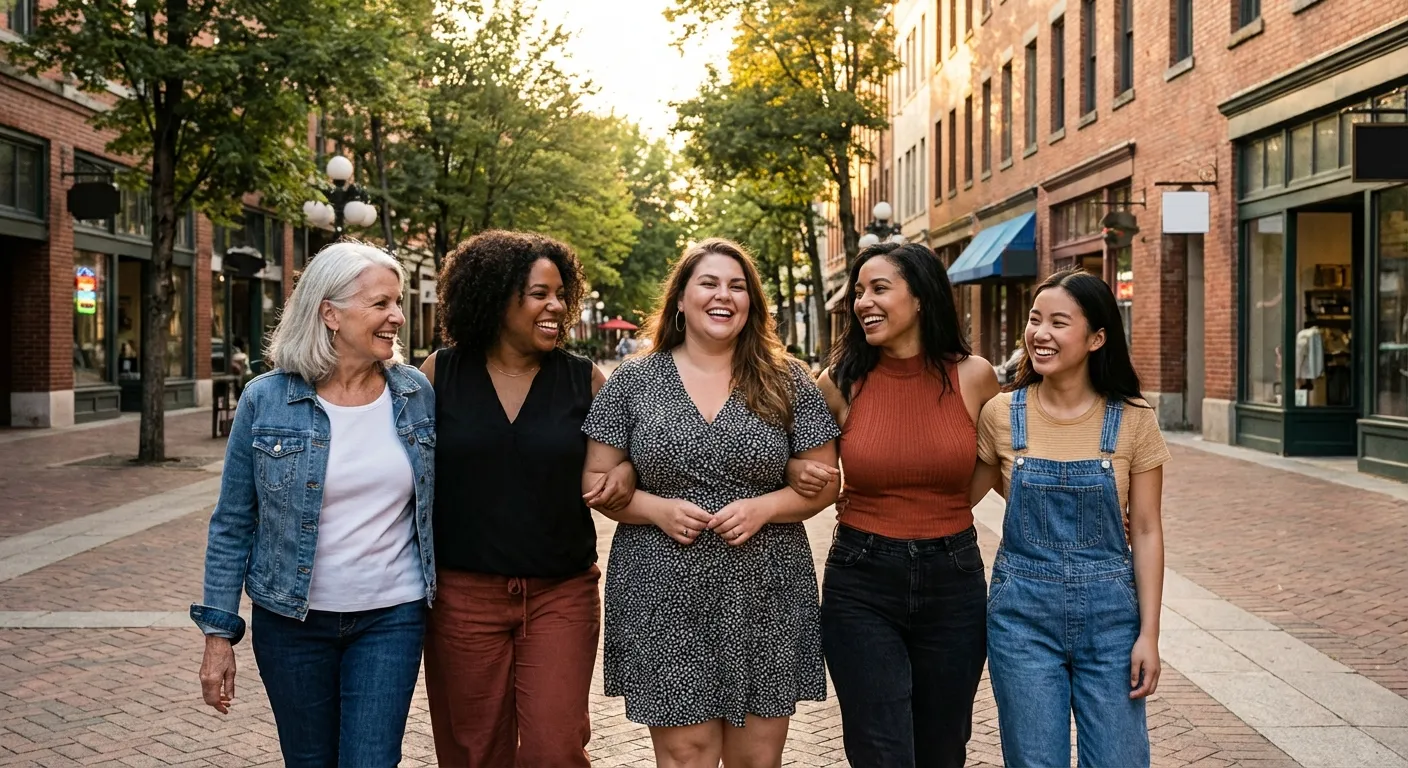
The trend's longevity will likely depend on whether it continues to evolve. Early signs suggest it might. Variations have emerged: mothers walking with daughters, older women reclaiming the format, participants in hijabs, wheelchair users, and groups from marginalized communities all adding their own interpretations. Each variation expands the definition of what "freedom" means in the context of public space.
The Conversation
The Runway Freedom Walk is a TikTok trend, but it's also a data point in a longer story about how digital platforms turn personal expression into collective identity. The women participating aren't delusional about what a walk can accomplish. They're making a statement about how they want to move through the world, and half a billion views suggest they're not alone in wanting to make it.
Sources
- TikTok Trend Sweeps UK 2026: The Runway Freedom Walk Cultural Phenomenon - SS Studios, February 2026
- TikTok takes the runway: fashion trends you can't ignore in 2026 - IOL, February 2026
- Experiences of harassment in England and Wales - ONS, December 2023
- Safe Spaces Now: Reclaiming women's public space - UN Women UK