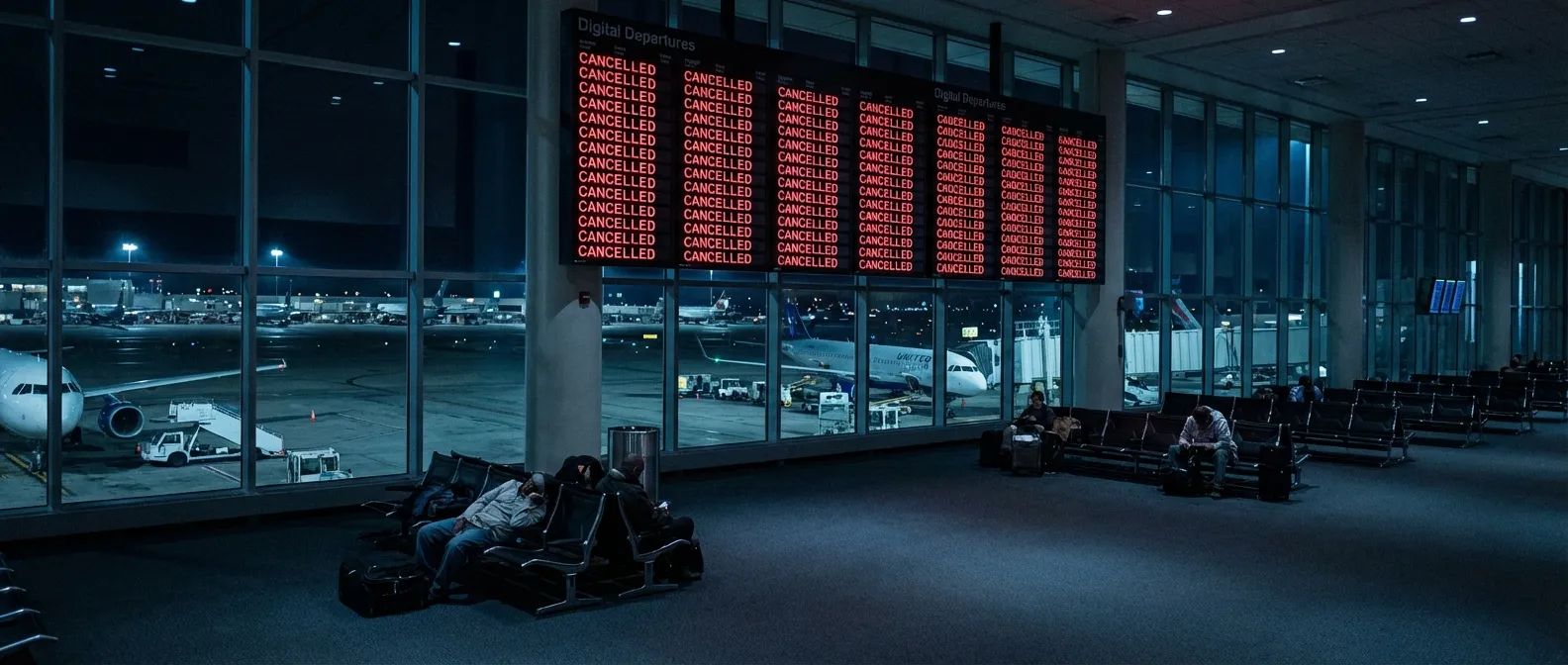
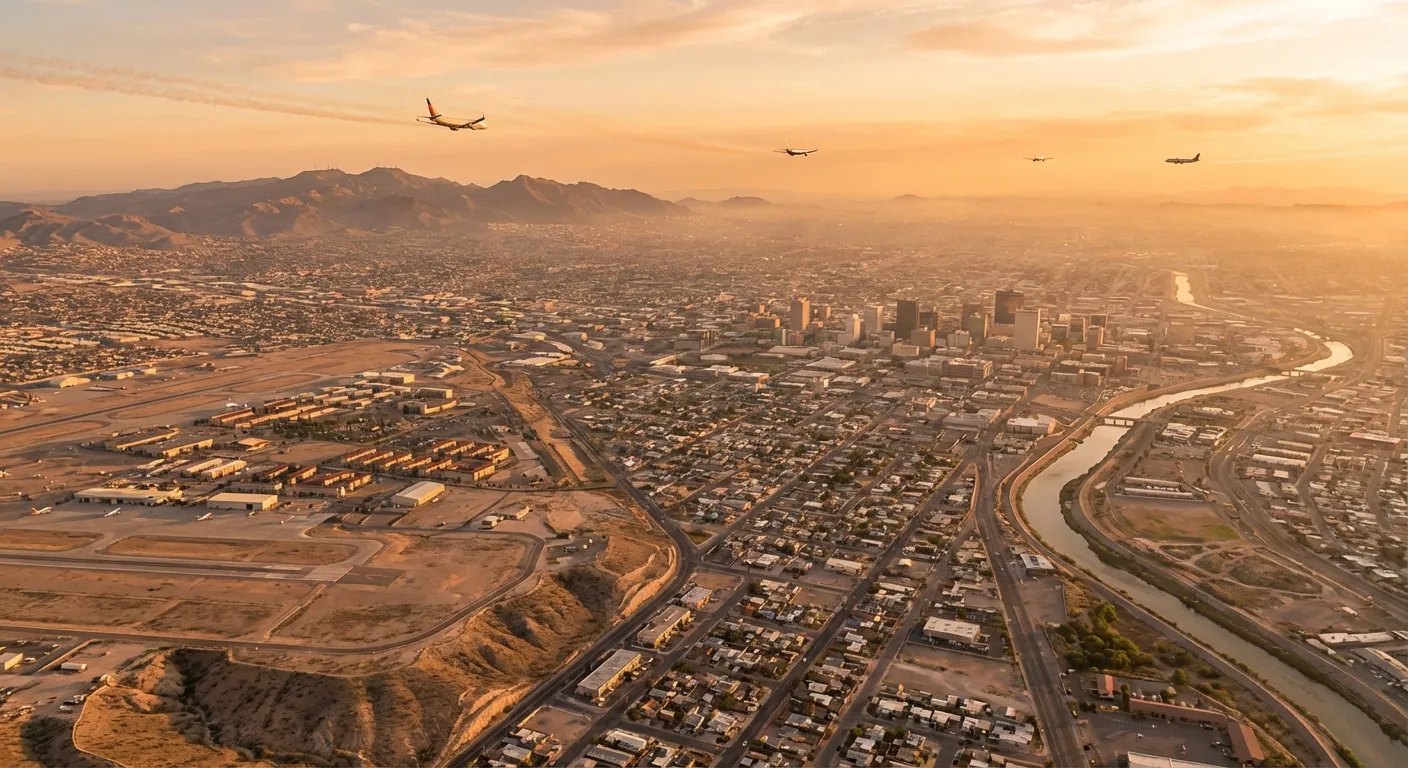
At 11:30 p.m. Mountain Time on Monday night, the Federal Aviation Administration shut down all air traffic over El Paso, Texas. No advance warning went to the city. No notice went to the airport, the mayor's office, or any of El Paso's elected representatives. The closure was announced for ten days, then lifted roughly eight hours later on Tuesday morning. In the span of a single overnight shift, a Pentagon weapons test, an agency turf war, and a mylar party balloon collided in a sequence of events that would be difficult to believe if multiple federal officials hadn't confirmed the details.
The episode is a small story in terms of its immediate impact. Nobody was hurt. Flights resumed. But as a window into how federal agencies coordinate (or fail to coordinate) on basic questions of airspace safety and military operations along the southern border, the El Paso closure is worth understanding.
What Actually Happened
The chain of events started earlier in the week, when the Pentagon authorized Customs and Border Protection to use a counter-drone laser system near Fort Bliss, the Army installation adjacent to El Paso. The laser was intended to neutralize drones believed to be operated by Mexican drug cartels for surveillance and smuggling. The deployment was part of a broader border security initiative that has expanded military technology along the US-Mexico border since early 2025.
CBP used the laser to shoot down what agents believed was a cartel drone. According to sources who spoke to NPR and CBS News, the flying object turned out to be a mylar party balloon. The kind you buy at a grocery store for a birthday party.
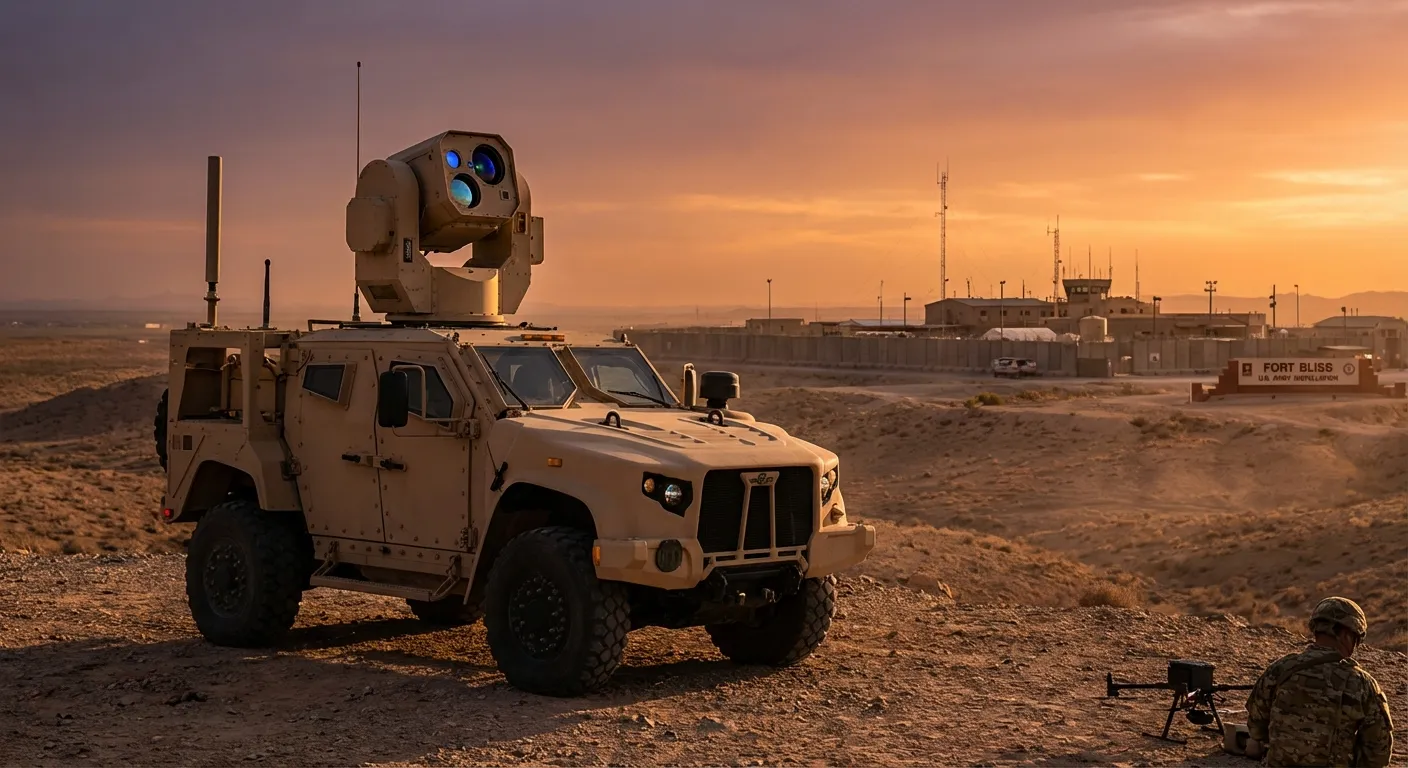
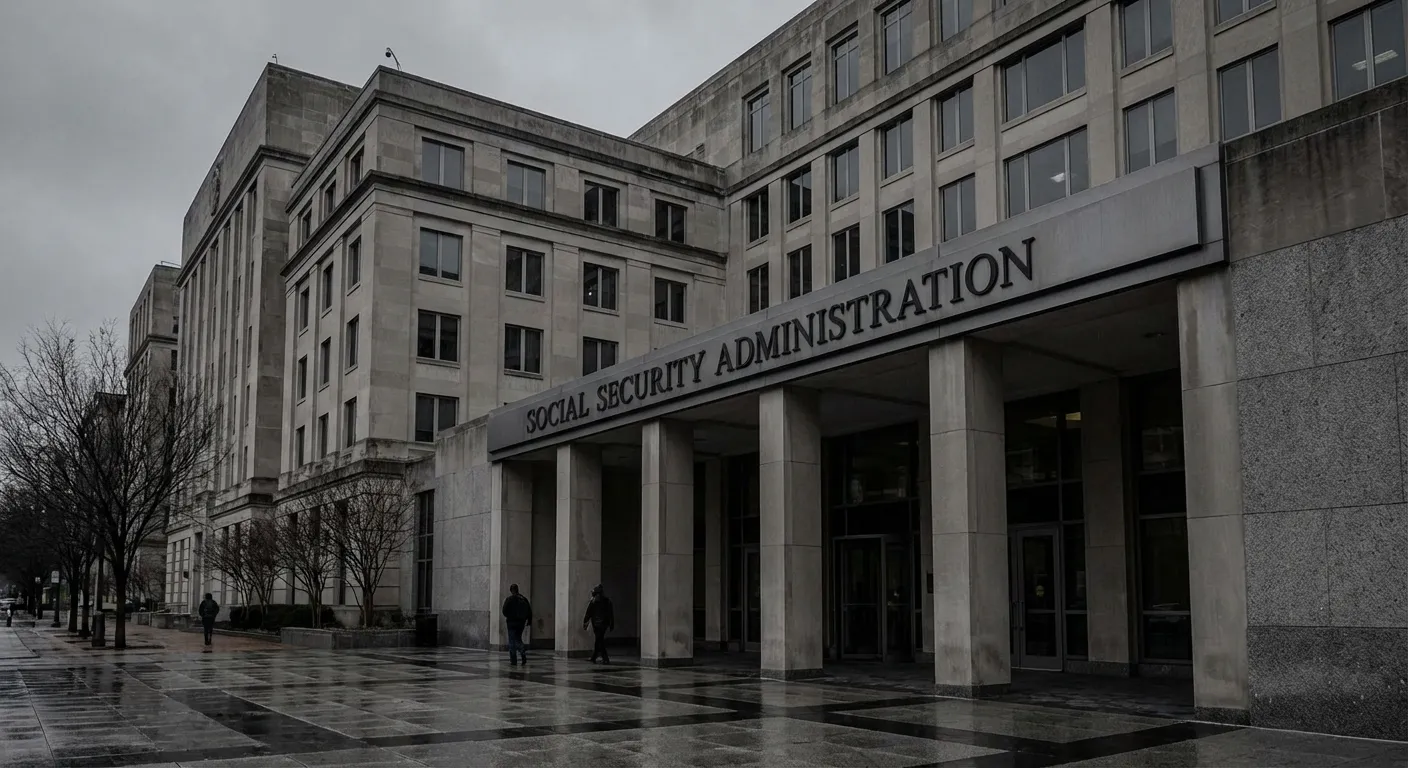
The problem was that the Pentagon had deployed the laser system near Fort Bliss without coordinating with the FAA. FAA Administrator Bryan Bedford learned about the active laser system and, concerned about the safety of commercial aircraft operating in the area, made the decision to close El Paso's airspace. Bedford did not alert the White House, the Pentagon, or the Department of Homeland Security before issuing the closure order.
So the Pentagon didn't tell the FAA about the laser. Then the FAA didn't tell the Pentagon (or anyone else) about the airspace closure. Two federal agencies, operating in the same geographic area, on overlapping security missions, managed to blindside each other in the space of a few hours.
The Fallout in El Paso
El Paso Mayor Oscar Leeser didn't learn about the closure until it was already in effect. He called it "completely unacceptable" and demanded an explanation from both the FAA and the Department of Defense. El Paso International Airport, which handles roughly 3.5 million passengers annually, scrambled to reroute flights and accommodate stranded travelers overnight.
The ten-day timeline announced initially caused particular alarm. A ten-day airspace closure over a major American city is extraordinary, the kind of action typically reserved for active military operations or natural disasters. When the closure was lifted after just eight hours, the abrupt reversal only deepened confusion about what had actually triggered it and whether anyone was in charge of the decision.
Texas Governor Greg Abbott issued a statement demanding "full transparency" from the Biden-era FAA holdover, a framing that immediately politicized the incident. Republican members of Congress from Texas called for Bedford's resignation, while Democrats pointed to the Pentagon's uncoordinated weapons deployment as the more fundamental problem.
The Bigger Problem
The El Paso incident exposes a coordination gap that extends well beyond one night of cancelled flights. The Pentagon has significantly expanded its technological footprint along the southern border under the current administration, deploying surveillance systems, drone countermeasures, and electronic warfare capabilities that were previously reserved for overseas theaters. These deployments interact with civilian infrastructure, including commercial airspace, in ways that require careful coordination between military and civilian agencies.
That coordination clearly failed in El Paso. The Pentagon assumed it could test a weapons system near a major airport without looping in the agency that controls American airspace. The FAA, upon discovering the situation, responded by shutting everything down without consulting anyone else. The result was a cascading series of unilateral decisions that left a city of 700,000 people without air travel and without explanation.
Former FAA official Michael Huerta, who served as administrator from 2013 to 2018, told the Texas Tribune that the episode reflects "a systemic gap in how military border operations interface with civilian aviation. This isn't about one bad decision. It's about two agencies that don't have adequate protocols for an environment where military activity near civilian airspace is becoming routine."
What It Tells Us
The El Paso airspace closure will likely be remembered, if it's remembered at all, as a bizarre footnote: the night the Pentagon shot down a party balloon with a laser and the FAA shut down a city's airport in response. But the underlying dysfunction is serious. As military operations expand along the border, the opportunities for exactly this kind of uncoordinated collision between agencies will multiply. Senator Ted Cruz, who chairs the Senate Commerce Committee (which has jurisdiction over the FAA), has called for a formal hearing, and Representative Veronica Escobar of El Paso has requested that the Government Accountability Office open a review of interagency protocols governing military activity near civilian airspace. Whether those inquiries produce binding changes or simply generate testimony that fades from attention will determine if the El Paso episode becomes a turning point or just another example of the problem it exposed.
Sources
- El Paso mayor slams FAA over airspace closure - Axios, February 2026
- The airspace around El Paso is open again. Why did it close? - NPR, February 2026
- Airspace closure followed spat over drone-related tests and party balloon shoot-down - CBS News, February 2026
- Drone use at center of El Paso airspace shutdown - Texas Tribune, February 2026