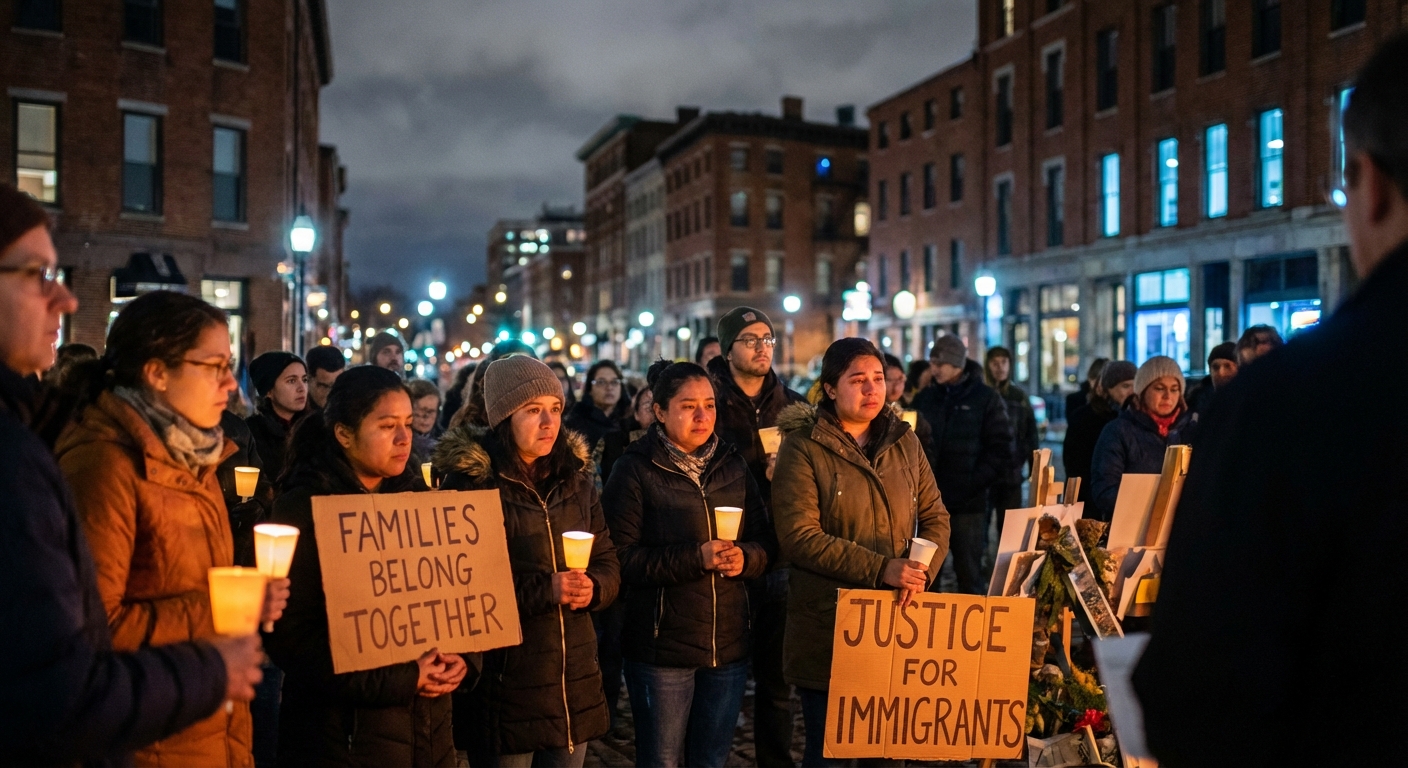
The nation is grappling with the aftermath of a fatal shooting by an Immigration and Customs Enforcement agent in Minneapolis that has exposed sharp divisions over immigration enforcement in America. Renee Good, a 37-year-old mother of three, was shot in the head on Wednesday morning while sitting in her SUV during what authorities described as an immigration enforcement operation. Her death has triggered protests in cities across the country, a war of words between local and federal officials, and prompted Minnesota Governor Tim Walz to declare Friday, January 9, a “Day of Unity” in her memory.
The incident comes as the Trump administration has dramatically escalated immigration enforcement operations, deploying more than 2,000 officers to the Minneapolis area in what the Department of Homeland Security calls its largest such operation ever. For supporters, the expanded enforcement represents a restoration of border security and rule of law. For critics, Good’s death represents the deadly consequences of what they view as aggressive tactics targeting immigrant communities. The truth of what happened Wednesday morning remains disputed, with video evidence at the center of a growing controversy.
What Happened
Renee Good was shot in a residential neighborhood south of downtown Minneapolis around 7:30 a.m. Wednesday during an ICE operation targeting a family member. According to initial federal accounts, Good was behind the wheel of her SUV when she attempted to flee, and the agent fired in self-defense after the vehicle became a threat. This version of events was repeated by Homeland Security Secretary Kristi Noem, who stated that deadly force is legally justified “when faced with a deadly weapon” and characterized a vehicle being used to harm someone as such a weapon.
Minneapolis Mayor Jacob Frey has directly challenged that account. After reviewing video footage of the incident, Frey said the self-defense narrative is “bull****.” Speaking at a press conference, Frey accused ICE of “trying to spin this as an action of self-defense” and described what he saw as “an agent recklessly using power that resulted in somebody dying.” The mayor called for a full investigation but made clear he believes the federal account does not match the evidence.
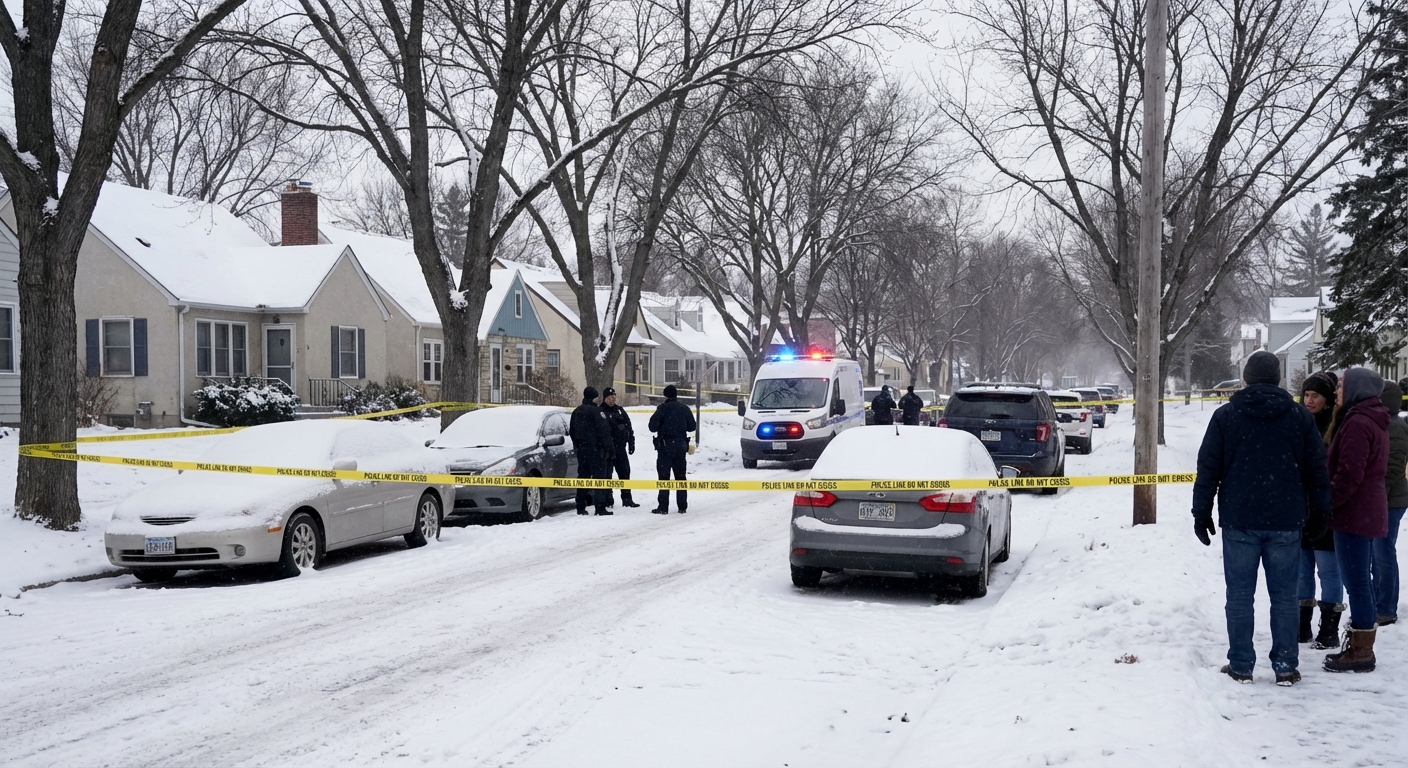
President Trump and administration officials have stood firmly behind the agent involved. The president characterized the shooting as legitimate self-defense and praised ongoing immigration enforcement efforts. The Department of Homeland Security released a statement defending the operation while expressing condolences to Good’s family. No charges have been filed against the agent, whose identity was confirmed Thursday by Minnesota Public Radio but has not been officially released by federal authorities.
Good leaves behind three children. Family members and community advocates have described her as a beloved mother who was not the target of the immigration operation. The circumstances that led her to be at the scene, and whether she was aware an enforcement action was underway, remain unclear. Her death has become a symbol for those who argue that immigration enforcement has become too aggressive, while administration supporters point to the dangers officers face in the field.
Protests Spread Nationwide
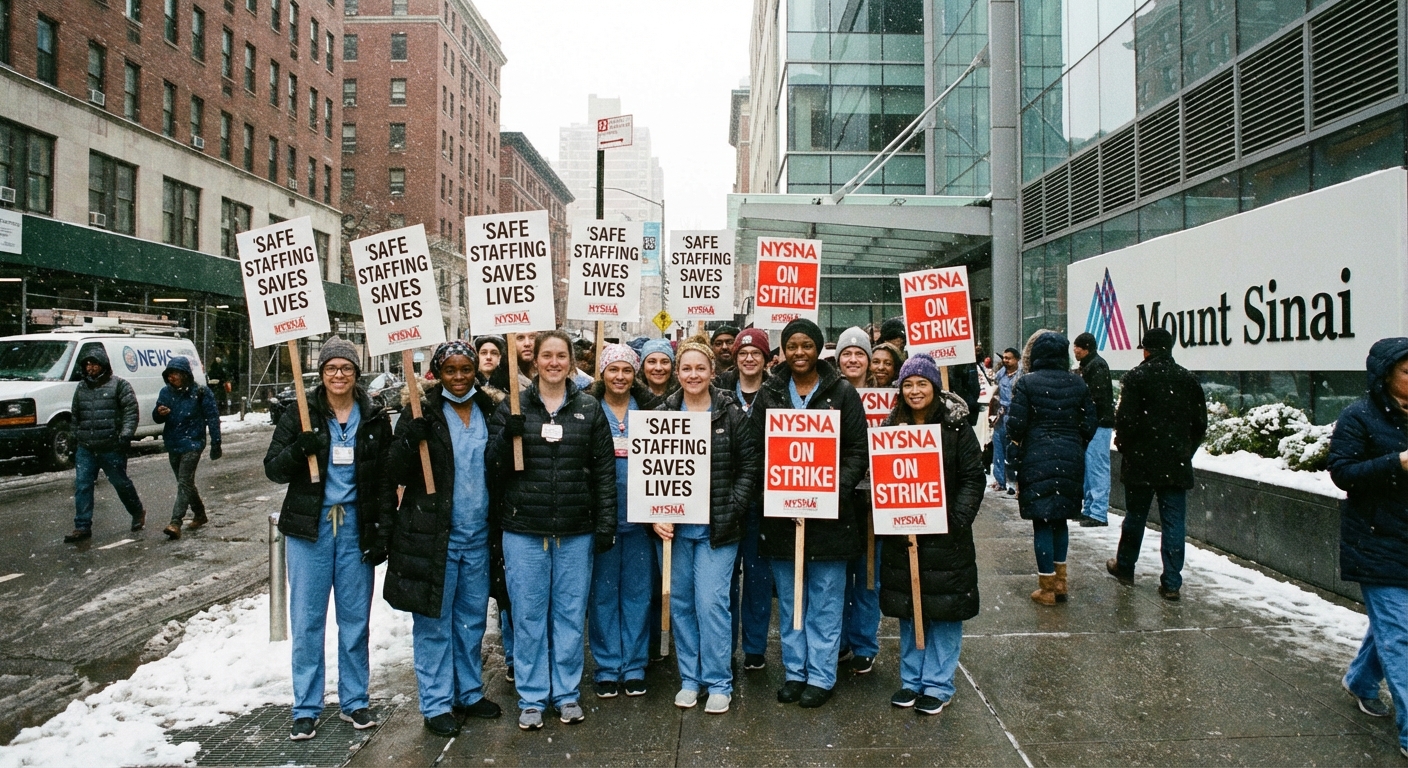
What began as local mourning in Minneapolis quickly expanded into a national moment. By Wednesday evening, demonstrations had emerged in New York City, Chicago, Portland, and other major cities. Protesters gathered outside federal buildings, ICE facilities, and in public squares to demand accountability for Good’s death and an end to what they characterize as militarized immigration enforcement.
In Minneapolis, protesters clashed with federal officers outside the Whipple Building, a federal office complex. The Department of Homeland Security reported that 11 protesters were arrested Thursday during demonstrations that officials said blocked access to federal facilities. Protest organizers described peaceful civil disobedience that was met with an aggressive response. The conflicting accounts echo the broader dispute over Good’s shooting itself, with each side offering fundamentally different characterizations of events.
Portland, Oregon, saw additional violence when a Border Patrol agent shot two people Thursday evening during a separate incident. Both victims were hospitalized with non-life-threatening injuries. Details remain sparse, but the shooting further inflamed tensions. Hundreds gathered at vigils across Portland, with three separate events at Terry Schunk Plaza, Pioneer Courthouse Square, and outside an ICE facility in South Portland drawing large crowds united in grief and anger.
Governor Walz announced Friday as a Day of Unity and called on Minnesotans and people nationwide to observe a moment of silence at 10 a.m. in Good’s memory. The proclamation walks a careful line, acknowledging the community’s pain while stopping short of condemning federal officers or calling for specific policy changes. Walz has called for a thorough investigation but has not endorsed the sharper criticism voiced by Mayor Frey.
The Larger Context
Good’s death occurs against the backdrop of the most aggressive immigration enforcement in decades. The Trump administration has made good on campaign promises to dramatically increase deportations and interior enforcement. The deployment of over 2,000 officers to the Minneapolis area represents a significant escalation from previous enforcement patterns, which focused primarily on border regions and individuals with serious criminal records.
Supporters of the administration’s approach argue that years of lax enforcement created a crisis requiring strong action. They point to illegal border crossings, crimes committed by undocumented immigrants, and the rule of law as justification for expanded operations. From this perspective, officers conducting enforcement face genuine dangers and deserve the benefit of the doubt when split-second decisions result in tragic outcomes.
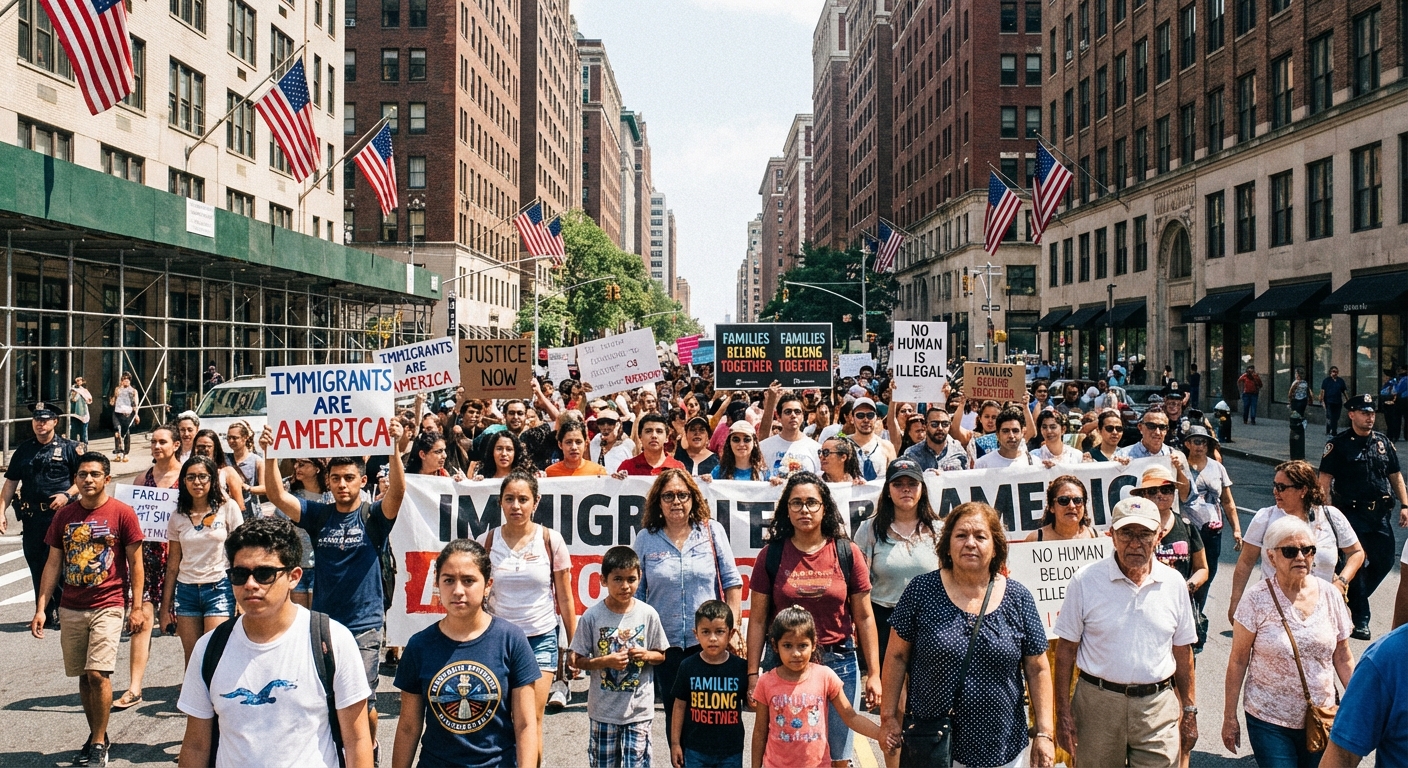
Critics counter that the current approach treats immigrant communities as hostile territory and that aggressive tactics inevitably produce tragic results like Good’s death. They note that Good was not the target of the operation and argue that enforcement actions in residential neighborhoods create dangerous situations for everyone present. The video evidence Mayor Frey references, if it shows what he describes, could be damaging to the administration’s self-defense narrative.
Immigration policy debates rarely produce consensus, but individual incidents can shift public opinion and political momentum. The images from Minneapolis, a mother killed in her car in front of family, carry emotional weight that abstract policy arguments lack. Whether Good’s death becomes a turning point in the immigration debate or fades from national attention depends on factors including the investigation’s outcome, additional video releases, and whether similar incidents occur during ongoing enforcement operations.
What Happens Next
The investigation into Good’s death will proceed along multiple tracks. The FBI and Department of Justice’s Civil Rights Division typically review shootings by federal law enforcement officers. Minnesota state authorities may conduct their own investigation, as indicated by Governor Walz. Local prosecutors theoretically have jurisdiction but rarely charge federal officers in the line of duty. The practical likelihood of criminal charges against the agent remains low regardless of what the video shows, based on historical patterns in similar cases.
Congressional Democrats have called for hearings and demanded that DHS produce the video footage Mayor Frey referenced. Republican leadership has so far declined to schedule such hearings, calling the investigation premature. The administration shows no indication of scaling back enforcement operations in response to the incident. Additional protests are planned for the weekend in multiple cities.
For families in communities targeted by enforcement operations, Good’s death represents their worst fears made real. For officers conducting those operations, it represents the dangerous situations they face daily. Neither reality negates the other, but finding common ground between them seems increasingly impossible in the current political environment. The polarization evident in reactions to Good’s death reflects deeper divisions over immigration, law enforcement, and what kind of country America wants to be.
The Bottom Line
Renee Good’s death has become the latest flashpoint in America’s unresolved immigration debate. The conflicting accounts of what happened, with video evidence apparently supporting critics of the official narrative, ensure this story will not fade quickly. Governor Walz’s Day of Unity represents an attempt to channel grief into something constructive, but unity on immigration policy remains elusive.
Watch for the video footage to become public, either through official release or leaks. Watch for the investigation’s findings, which could take weeks or months. Watch for whether additional incidents occur during ongoing enforcement operations, which would either vindicate critics’ warnings about aggressive tactics or demonstrate that Good’s death was an isolated tragedy. And watch for how this incident affects the broader political debate over immigration policy, including potential Congressional action and the 2026 midterm elections.
Sources: NPR, Washington Post, PBS, Al Jazeera, CNN, MPR News, Fox 9.