The Defense Department has spent more than a year testing a device that some investigators believe could finally explain Havana Syndrome, the mysterious ailments that have affected over 1,000 American diplomats, spies, and military personnel worldwide. The device was purchased for millions of dollars in an undercover operation and contains Russian components.
The revelation, first reported by CNN, marks the most significant physical evidence to emerge in the years-long investigation into what the government officially calls “anomalous health incidents.” While debate continues over whether the device is actually responsible for the symptoms victims have reported, its existence represents a major development in a case that has frustrated investigators since 2016.
What We Know About the Device
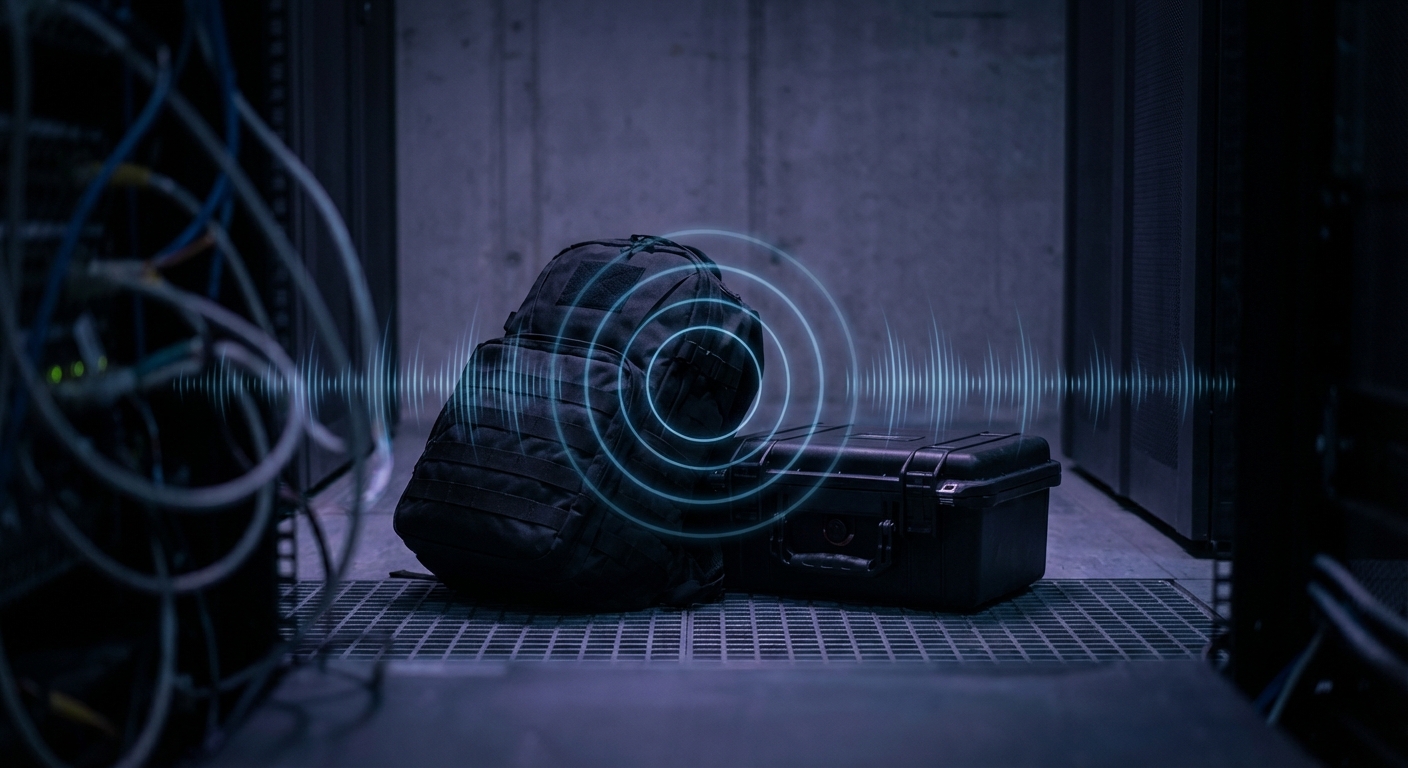
The device emits pulsed radio waves, the exact type of energy that some officials and researchers have long suspected could cause Havana Syndrome symptoms. It is portable enough to fit in a backpack, addressing one of the central mysteries: how something powerful enough to cause the reported injuries could be made small enough to deploy covertly.
Homeland Security Investigations (HSI) purchased the device in the final days of the Biden administration using Defense Department funding. Officials paid “eight figures” for it, suggesting both its perceived value and the covert circumstances of the acquisition.
While not entirely Russian in origin, the device contains Russian components. This detail matters because intelligence officials and journalists have pointed toward Russia’s GRU military intelligence service as the most likely culprit behind Havana Syndrome incidents, though Moscow has consistently denied involvement.
The Ongoing Debate
The device’s existence does not settle the Havana Syndrome debate. There remains significant skepticism within parts of the U.S. government about whether any weapon is responsible for the reported symptoms, or whether the cases have other explanations including psychosomatic responses, environmental factors, or unrelated medical conditions.
In 2023, the intelligence community stated publicly that it could not link any Havana Syndrome cases to a foreign adversary. However, a 2022 intelligence panel had concluded that some episodes could “plausibly” have been caused by “pulsed electromagnetic energy” from an external source.
The gap between those assessments reflects the fundamental challenge: proving that a specific device caused specific injuries in specific incidents, often in locations where evidence collection was limited or impossible.
Testing continues, and officials describe ongoing debate and, in some quarters, skepticism about the device’s connection to actual incidents.
Why Victims See This Differently
For the more than 1,000 people who believe they were targeted by some kind of weapon, the device’s acquisition feels like vindication. Many victims have reported debilitating symptoms including severe headaches, vertigo, cognitive difficulties, and effects consistent with head trauma despite no visible injuries. Some have been forced into early retirement.
These victims have long maintained that classified intelligence exists definitively linking Russia to their injuries. They have watched with frustration as official assessments stopped short of that conclusion.
The device’s purchase suggests that at least some investigators take the directed-energy theory seriously enough to spend millions acquiring potential evidence. Whether testing ultimately supports or undermines that theory remains to be seen.
The Bigger Questions
If the device proves capable of causing the symptoms victims describe, it would represent confirmation that a foreign power has deployed a weapon against American personnel, an act of aggression that would demand a response.
If testing shows the device cannot cause such injuries, or cannot be definitively linked to actual incidents, the mystery continues. Some victims would remain convinced of Russian responsibility while official assessments remain inconclusive.
Either outcome carries significant implications for U.S.-Russia relations, intelligence community credibility, and the treatment of Havana Syndrome victims seeking recognition and compensation for their injuries.
What to Watch
The Pentagon has not announced any timeline for completing its testing or releasing findings. Given the device was acquired in late 2024 and testing has continued for over a year, some form of conclusion may be approaching.
Watch for any congressional hearings on the matter. Several lawmakers have pressed for more transparency about Havana Syndrome investigations, and the device’s existence could prompt new oversight efforts.
The question of Russian responsibility remains the core issue. A device containing Russian components is suggestive but not proof. Connecting it to specific incidents, specific perpetrators, and a specific authorization chain would be necessary to definitively answer who attacked American personnel and why.
Sources: CNN, Newsweek, Israel Hayom, Pentagon statements.