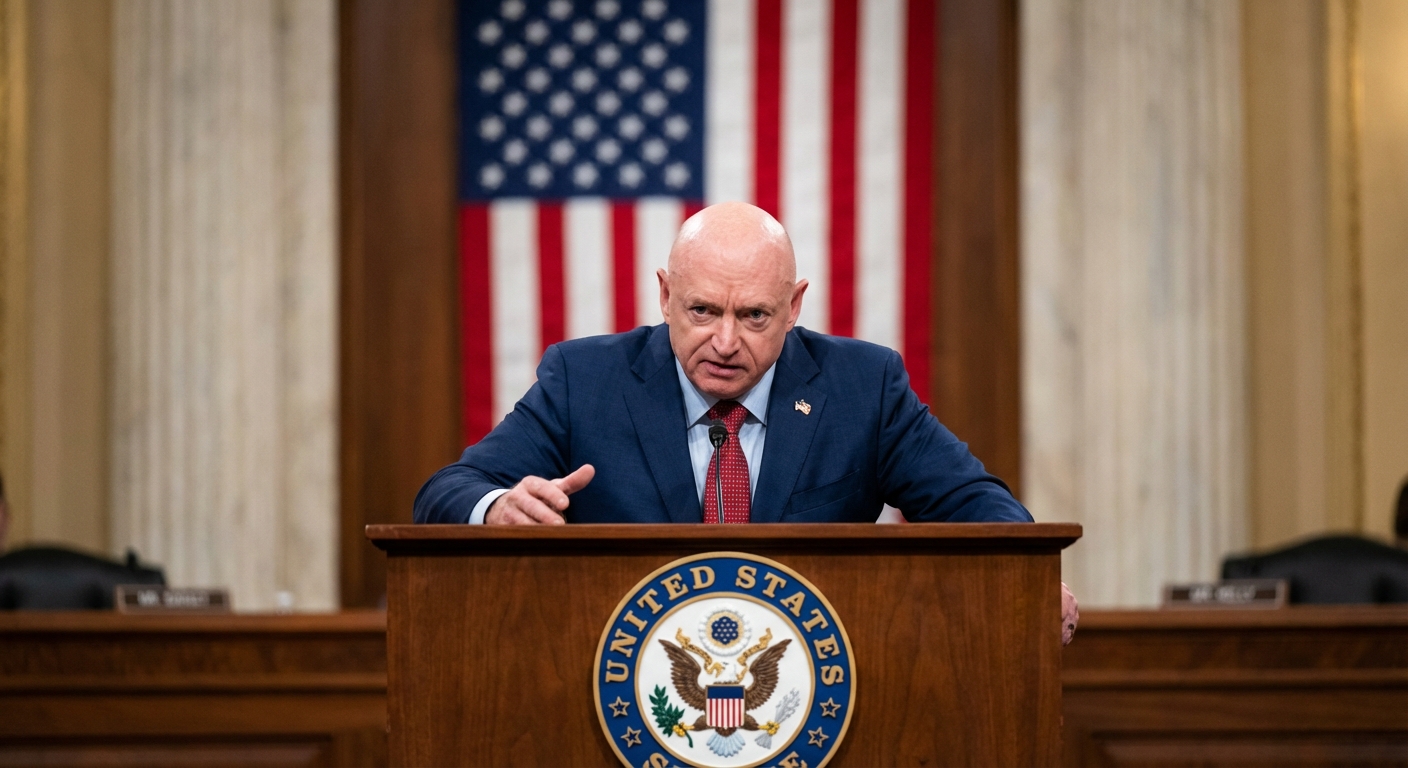
The CDC announced sweeping changes to the childhood vaccine schedule this week that have left pediatricians alarmed and parents confused. The number of vaccines recommended for all children dropped from 17 to 11, with six shots moved to categories requiring either high-risk status or individual discussions with doctors. The changes, modeled on Denmark’s minimalist vaccination approach, represent the largest overhaul of U.S. immunization policy in decades.
What makes this moment different from typical CDC guideline updates is how the changes came about. Rather than following the usual process of scientific review, public comment, and expert consultation, the new schedule was ordered by presidential memorandum. The Advisory Committee on Immunization Practices, the expert panel that normally shapes vaccine recommendations, wasn’t consulted. And the American Academy of Pediatrics, which represents 67,000 pediatricians, immediately announced it would continue recommending the previous schedule.
What Actually Changed
The CDC will continue recommending vaccines against 11 diseases for all children: measles, mumps, rubella, polio, pertussis, tetanus, diphtheria, Haemophilus influenzae type B (Hib), pneumococcal disease, human papillomavirus (HPV), and chickenpox. These remain the core of childhood immunization, and most children will still receive them on roughly the same timeline as before.
Six vaccines moved to “high-risk groups” or “shared clinical decision-making” categories. This includes vaccines protecting against respiratory syncytial virus (RSV), hepatitis A, hepatitis B, rotavirus, COVID-19, influenza, and meningococcal disease. The distinction matters: vaccines recommended for all children are typically administered automatically during well-child visits. Vaccines requiring shared decision-making add an extra conversation and potentially an extra appointment.
The HPV vaccine also saw a significant change. The CDC previously recommended two or three doses depending on the age of the first shot. The new guidance recommends only one dose. This represents a departure from the evidence supporting multiple doses for maximum protection, though some studies suggest a single dose may provide meaningful immunity for certain populations.

The Denmark Model
The new schedule explicitly aims to align U.S. recommendations with Denmark’s approach to childhood vaccination. Denmark protects children against 10 diseases compared to the 18 the U.S. covered previously. The Scandinavian country doesn’t include flu, COVID, RSV, chickenpox, hepatitis A, rotavirus, or meningitis vaccines in its standard childhood schedule.
This comparison sounds straightforward, but vaccine experts argue it misses crucial context. “In general, you want to design your vaccine program so that it is tailored to the population you are responsible for,” a Danish scientist told Science magazine. “You can’t just say ‘we want to be like them,’ because it doesn’t address the population you are dealing with.”
Denmark differs from the United States in ways that matter enormously for infectious disease. It has universal healthcare that ensures consistent access to medical care for all children. Its population is smaller and more homogeneous. Its healthcare system can identify and quickly treat diseases that vaccines might have prevented. Danish vaccine experts themselves have cautioned against other countries using their schedule as a template without accounting for these differences.
Even within Scandinavia, Denmark represents an outlier. Sweden, Norway, and Finland all recommend vaccines against more diseases than Denmark does. The choice of Denmark as a model reflects a specific policy preference rather than European consensus. Stanford infectious disease researcher Dr. Yvonne Maldonado noted that Denmark is “unusually minimalist” even among countries with similar healthcare systems.
Pediatricians Are Pushing Back
The American Academy of Pediatrics announced it would not adopt the new CDC recommendations. Dr. Sean O’Leary, chair of the AAP Committee on Infectious Diseases, delivered a blunt assessment at a press briefing: “Parents should trust their pediatrician, trust the professional societies like the American Academy of Pediatrics, the American Academy of Family Physicians. But for now, unfortunately, we have to ignore everything about vaccines that is coming from our federal government.”
That statement represents an extraordinary break between professional medical organizations and federal health authorities. The CDC has historically served as the authoritative voice on vaccination, with pediatricians following its guidance as the standard of care. The AAP’s rejection creates a situation where parents may receive different recommendations depending on whether their doctor follows federal or professional guidelines.
The process concerns extend beyond pediatricians. Senator Bill Cassidy, a Republican physician who chairs the Senate health committee, wrote that “changing the pediatric vaccine schedule based on no scientific input on safety risks and little transparency will cause unnecessary fear for patients and doctors, and will make America sicker.” When a Republican senator criticizes a Republican administration’s health policy as insufficiently evidence-based, something unusual is happening.
Robert Califf, a former FDA commissioner, questioned the transparency of the changes: “This doesn’t appear to be a very transparent process.” The Advisory Committee on Immunization Practices, which typically reviews evidence and makes recommendations that the CDC then adopts, was bypassed entirely. The normal vaccine guideline process involves public meetings, published evidence reviews, and opportunities for expert input. None of that occurred here.
What This Means for Parents
The practical effects will vary depending on where families live and who their pediatrician is. Insurance coverage for the affected vaccines should remain intact under Affordable Care Act requirements, which mandate coverage for CDC-recommended vaccines including those in the shared decision-making category. Parents who want their children vaccinated against hepatitis B, rotavirus, or flu should still be able to get those shots without out-of-pocket costs.
The challenge is logistical. Vaccines that were previously administered automatically during routine visits now require explicit conversations and potentially separate appointments. Pediatricians warn that adding barriers, even conversational ones, tends to reduce vaccination rates. Children in families with less time, fewer resources, or limited access to healthcare are most likely to miss vaccines that are no longer administered by default.
Dr. Ruth Carrico, an infectious disease epidemiologist, noted that shared clinical decision-making “introduces one more barrier that prevents a child from getting a lifesaving vaccine.” The concern isn’t that parents will consciously reject vaccines, but that the additional steps will lead to vaccines being delayed or forgotten amid the chaos of raising young children.
The Bottom Line
The CDC vaccine schedule changes represent a significant shift in how the federal government approaches childhood immunization. Whether this shift improves public health, as proponents claim, or increases disease risk, as critics warn, will take years to determine through actual health outcomes.
What’s clear now is that parents face a more complicated landscape. The CDC and leading pediatric organizations now give different recommendations. The evidence-based process that previously produced unified guidance has been bypassed. Parents who trusted that following their pediatrician’s advice meant following CDC guidance can no longer assume the two will match.
Most pediatricians plan to continue recommending the previous schedule regardless of CDC changes. Parents concerned about the shift should talk with their children’s doctors about which vaccines the practice recommends and why. The vaccines moved to shared decision-making categories still protect against real diseases that still circulate in the United States. Nothing about those diseases changed this week. Only the government’s guidance about preventing them did.