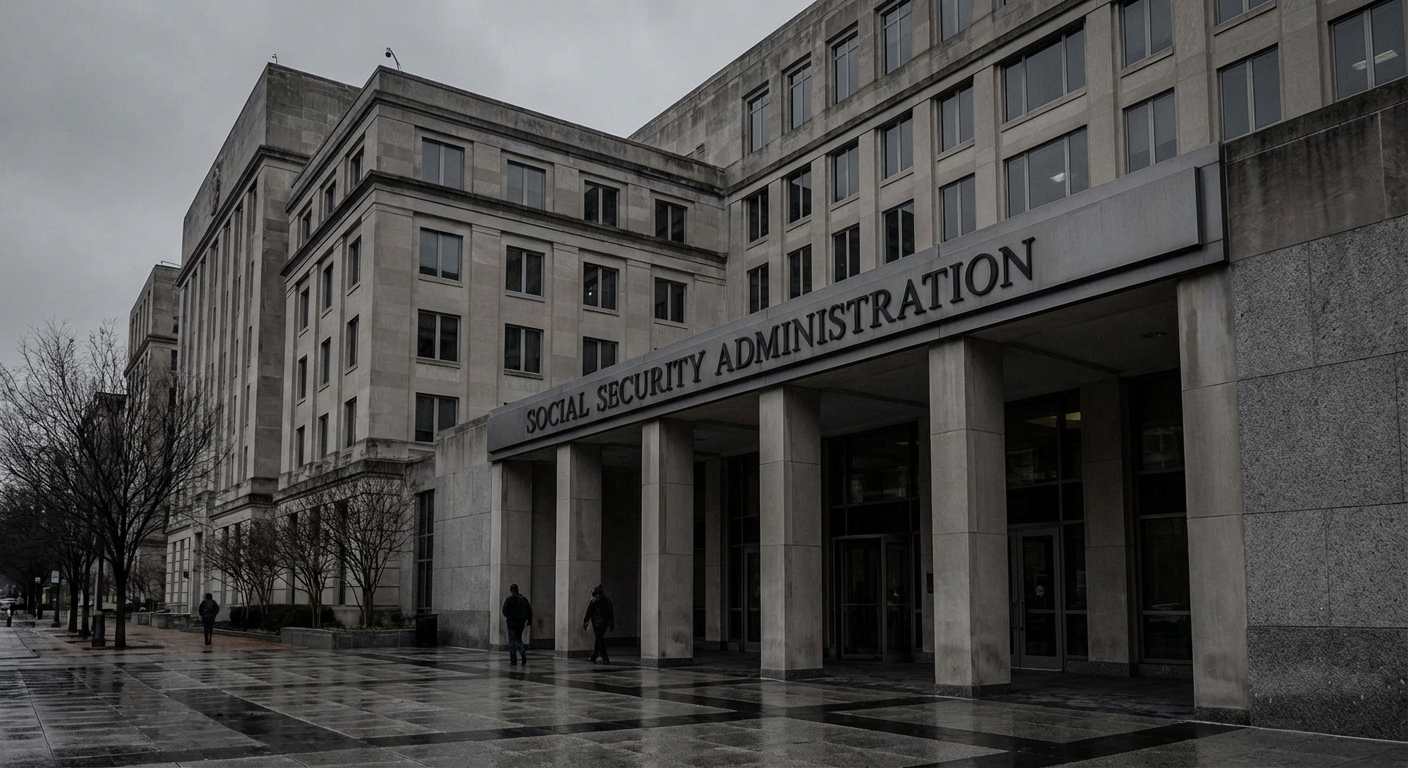
The Trump administration has acknowledged in a court filing what many suspected: employees of the Department of Government Efficiency, the cost-cutting initiative led by Elon Musk, have accessed and shared Social Security Administration data. The filing also reveals something more troubling: a “secret deal” between a DOGE employee and an unidentified political advocacy group.
The revelations come from a Justice Department filing responding to lawsuits challenging DOGE’s access to federal systems. What was presented as an efficiency initiative focused on eliminating waste now faces serious questions about data privacy, conflicts of interest, and whether proper safeguards exist for some of America’s most sensitive personal information.
What the Filing Actually Says
The DOJ filing confirms that DOGE employees accessed Social Security databases containing personal information on hundreds of millions of Americans. The stated purpose was identifying fraud and inefficiency in benefit programs. But the filing acknowledges that data was “shared,” raising questions about with whom and why.
More concerning is the reference to a secret arrangement between a DOGE employee and a political advocacy group. The filing doesn’t name the group or fully describe the arrangement, but the implication is troubling: someone with access to federal databases may have been coordinating with outside political actors.

The Social Security Administration holds data on essentially every American adult: names, addresses, birth dates, income histories, benefit records, and bank account information for direct deposits. This is precisely the kind of data that, if mishandled, enables identity theft, fraud, and other harms at massive scale.
The Legal Questions
DOGE’s authority to access federal databases has been contested since the initiative launched. Traditional government reorganization efforts operate through established legal frameworks with congressional oversight. DOGE has operated more informally, with employees drawn from the private sector and unclear accountability structures.
Several lawsuits challenge whether DOGE employees have appropriate security clearances, whether they’ve followed proper procedures for handling sensitive data, and whether the entire operation exceeds executive authority. The DOJ filing was a response to one such lawsuit seeking to limit DOGE’s access.
The administration argues that DOGE has authority to access information necessary for its efficiency mission and that appropriate safeguards are in place. Critics argue that the safeguards are clearly inadequate if data is being shared and secret deals with political groups are occurring.
The Conflict of Interest Problem
Beyond the data access questions, DOGE raises fundamental conflict of interest issues. Elon Musk, who leads the initiative, runs companies with extensive government contracts and regulatory relationships. SpaceX launches satellites for federal agencies. Tesla receives various government incentives. His other ventures have regulatory exposure across multiple agencies.
An operation led by Musk reviewing government efficiency could theoretically identify spending that benefits competitors or regulatory costs that burden his companies. The potential for self-interested recommendations, even unconscious ones, is substantial.
The “secret deal” with a political advocacy group compounds these concerns. If DOGE employees are coordinating with outside groups while accessing sensitive federal data, the potential for misuse extends beyond business conflicts into political territory. Data on Americans’ benefits, income, and personal circumstances could be valuable for political targeting.
What Happens Next
Congressional Democrats have demanded investigations into DOGE’s operations, with limited success given Republican control of both chambers. The lawsuits challenging DOGE will continue through the courts, with potential for injunctions limiting access while cases proceed.
The administration has shown no signs of backing down. DOGE continues to announce spending cuts and efficiency findings, with Musk regularly posting about the initiative on social media. Whether the data access revelations change this calculation remains to be seen.
Public response will matter. Social Security enjoys broad support across political lines. If Americans become concerned that their personal information is being mishandled by a politically connected operation, that concern could translate into political pressure that neither party can ignore.
The Bigger Picture
DOGE represents an experiment in government reorganization that bypasses traditional structures. The argument for this approach is that traditional structures are themselves part of the inefficiency problem, resistant to change and protective of bureaucratic interests.
The argument against is that those structures exist for reasons. Proper security clearances, conflict of interest rules, data handling protocols, and congressional oversight are meant to prevent exactly the kinds of problems the court filing describes. Moving fast and breaking things works differently when the things being broken are safeguards for hundreds of millions of Americans’ personal data.
The Bottom Line
The DOJ filing confirms that DOGE has accessed Social Security data and that concerning arrangements exist between DOGE employees and outside political groups. Whether this represents a scandal that changes the initiative’s trajectory or a controversy that fades depends on whether consequences follow. The data access can’t be undone, but the rules governing future access remain in dispute.
Sources: Democracy Now!, Justice Department court filings, ongoing DOGE legal challenge coverage.