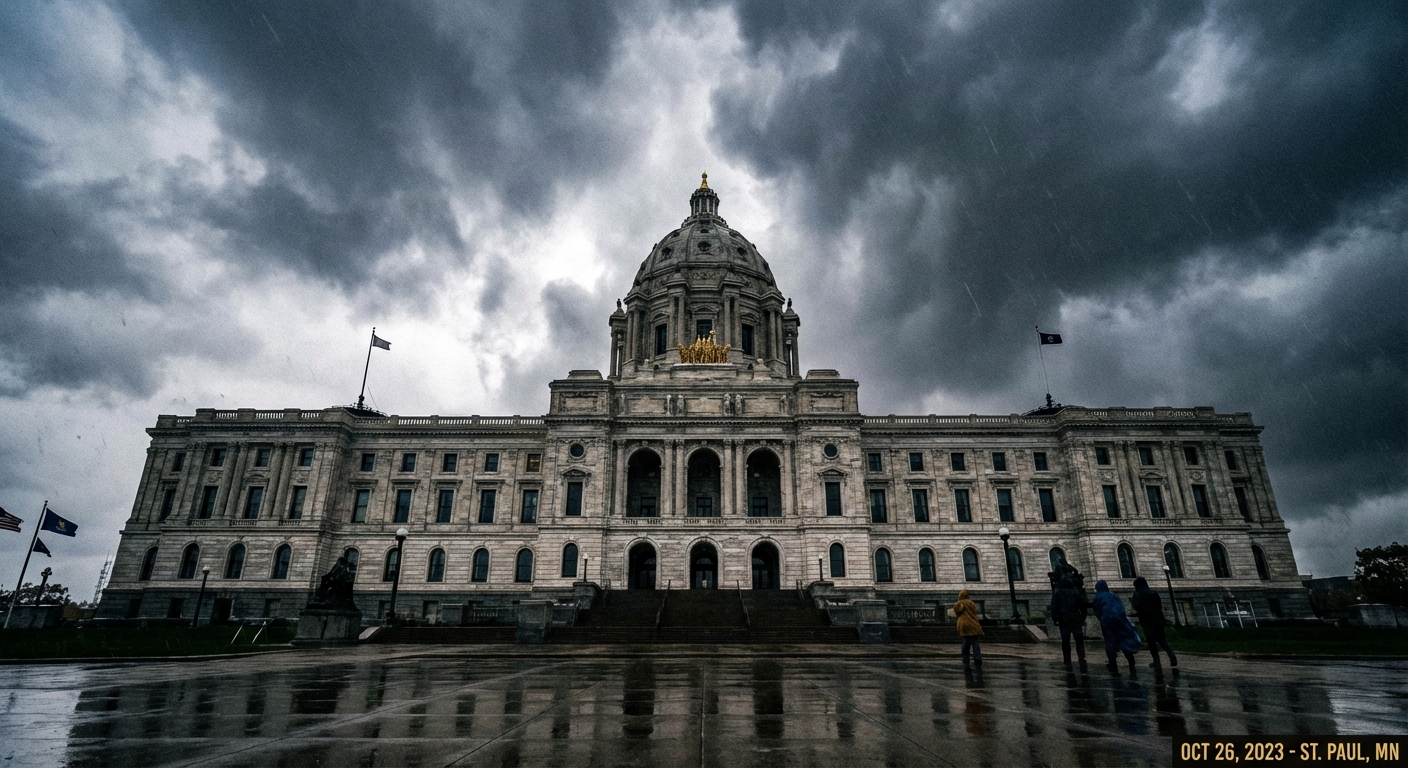
Federal prosecutors have taken an extraordinary step in the ongoing battle over immigration enforcement, issuing subpoenas to five Democratic officials in Minnesota: Governor Tim Walz, Minneapolis Mayor Jacob Frey, St. Paul Mayor Kaohly Her, state Attorney General Keith Ellison, and Hennepin County Attorney Mary Moriarty.
The Justice Department is investigating whether these officials obstructed Immigration and Customs Enforcement operations by limiting local cooperation with federal agents. It’s a significant escalation that turns policy disagreements into potential criminal matters and signals how the administration intends to handle resistance to its immigration priorities.
What the Investigation Involves
The subpoenas seek documents and communications related to local policies on immigration enforcement cooperation. At issue is whether Minnesota officials crossed from policy disagreement into active obstruction, and if so, what legal consequences might follow.
Minnesota has adopted so-called “sanctuary” policies that limit how local law enforcement interacts with ICE. Police generally don’t ask about immigration status during routine encounters, and local jails don’t automatically honor ICE detainer requests to hold individuals beyond their release dates. These policies exist in various forms across many Democratic-led jurisdictions.
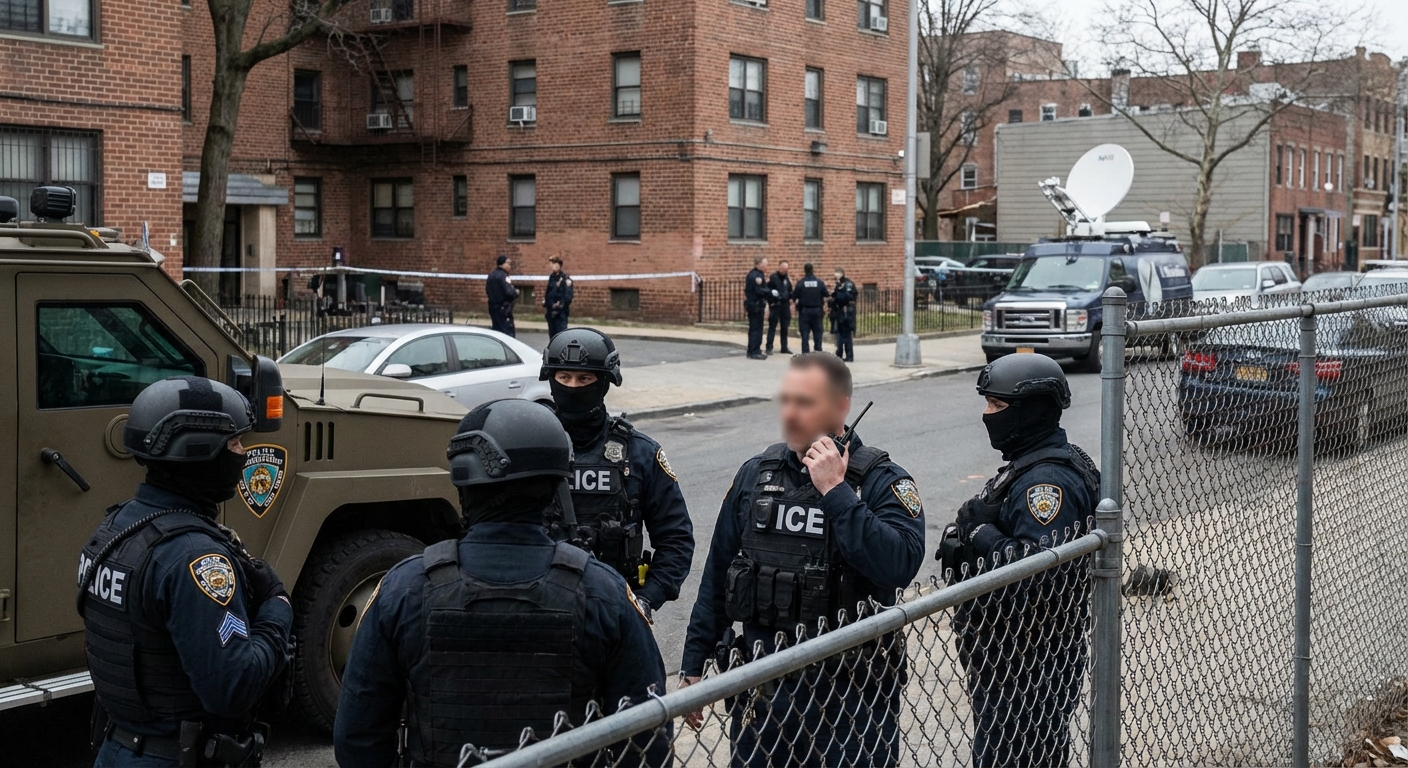
The question is whether these policies constitute illegal obstruction or legitimate exercises of local authority. Federal law generally doesn’t require local cooperation with immigration enforcement, but it does prohibit active interference. Where exactly the line falls has been disputed for years.
Why This Matters Beyond Minnesota
The Minnesota subpoenas aren’t happening in isolation. They’re part of a broader pattern of federal pressure on jurisdictions that limit immigration enforcement cooperation. But subpoenaing a sitting governor and major city mayors takes that pressure to a new level.
If prosecutors pursue charges, it would represent an unprecedented use of federal criminal law against elected officials over immigration policy disagreements. Even without charges, the investigation itself sends a message to other Democratic officials considering similar policies: resistance has consequences.
Governor Walz, notably, was the Democratic vice presidential nominee in 2024. Targeting him specifically has political dimensions that go beyond immigration enforcement. Some supporters see the investigation as politically motivated retaliation. Supporters of the administration see it as appropriate accountability for officials who refused to follow federal law.
The Legal Questions
Several legal issues remain unsettled. First, what exactly constitutes “obstruction” of federal immigration enforcement versus legitimate policy choices about local resource allocation? Local governments have historically had discretion over how they use their own law enforcement resources.
Second, do governors and mayors have immunity from prosecution for official acts? This question has broader implications given recent Supreme Court rulings about executive immunity and could complicate any attempt to bring charges.
Third, even if officials did technically violate federal law, would prosecution be appropriate? Federal prosecutors have discretion, and bringing cases against elected officials over policy disagreements raises concerns about the politicization of law enforcement.
The Political Context
This investigation occurs against the backdrop of intensified immigration enforcement nationwide. ICE operations have increased dramatically since January 2025. Arrests are up. Deportations are up. And conflicts between federal agents and local officials have become regular news.
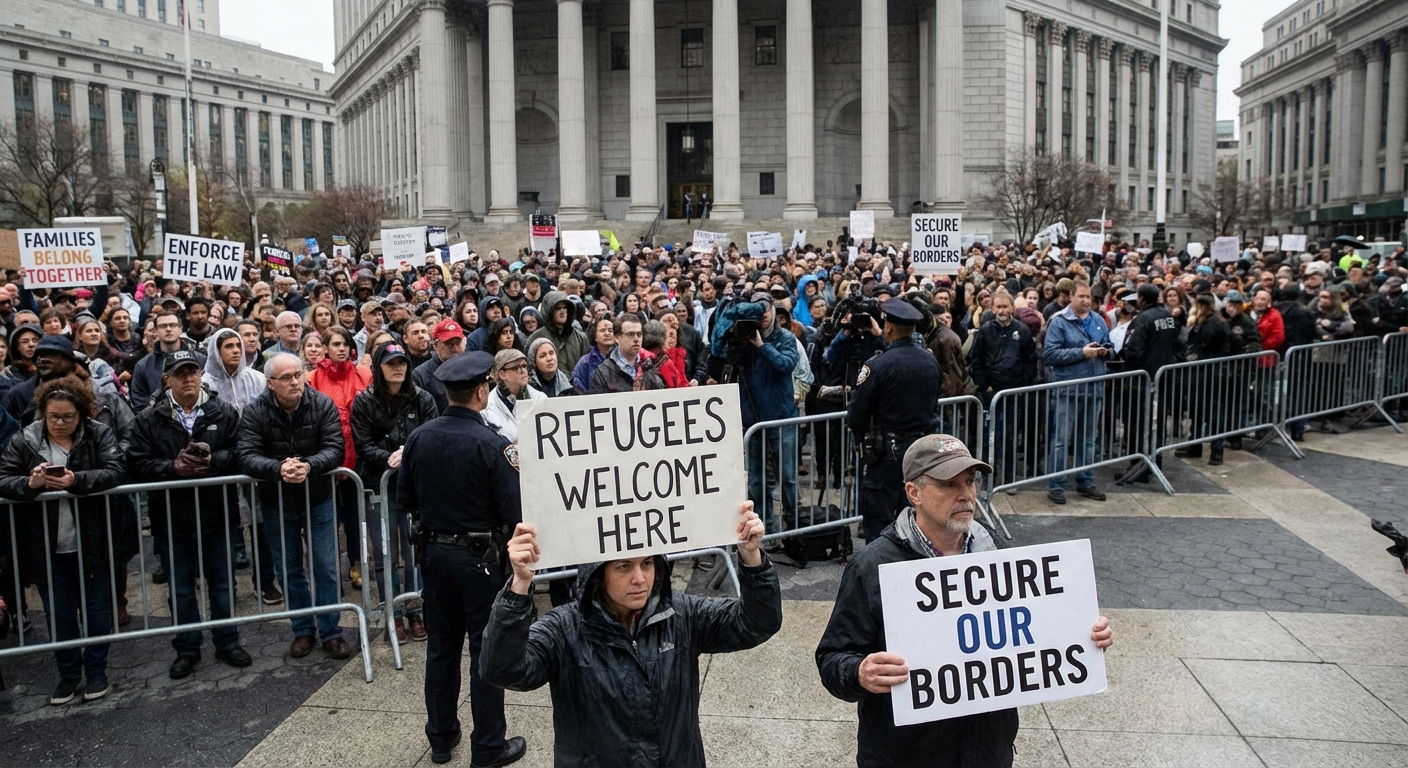
The administration has made clear that immigration enforcement is a top priority and that it views local resistance as a serious problem. Officials who limit cooperation aren’t just making different policy choices in this view; they’re actively enabling illegal immigration and should face consequences.
Democrats counter that aggressive enforcement tactics harm communities, separate families, and violate constitutional protections. They argue that local officials have both the right and the responsibility to protect their residents, regardless of immigration status.
The Minnesota investigation is unlikely to resolve these fundamental disagreements. But it may determine how they play out going forward, whether through political battles, legal challenges, or criminal proceedings.
What to Watch
The investigation will likely take months to unfold. Subpoenas will produce documents. Officials will be interviewed. Prosecutors will decide whether evidence supports charges. Each step will be scrutinized for both legal merit and political motivation.
Meanwhile, other jurisdictions are watching. If Minnesota officials face prosecution, similar policies elsewhere might be reconsidered. If the investigation produces no charges, it might be seen as confirming that sanctuary policies remain legal despite federal pressure.
The broader question of federal versus local authority over immigration isn’t going away. This investigation is one battle in what promises to be a long war.
The Bottom Line
The DOJ’s subpoenas to Minnesota officials mark a new phase in the immigration enforcement conflict. Whether this leads to prosecutions, political theater, or somewhere in between remains to be seen. What’s clear is that the administration is willing to use criminal investigation as a tool against resistant officials, and that willingness changes the calculus for Democratic leaders across the country.
Sources: Democracy Now!, PBS NewsHour, ongoing news coverage of immigration enforcement.