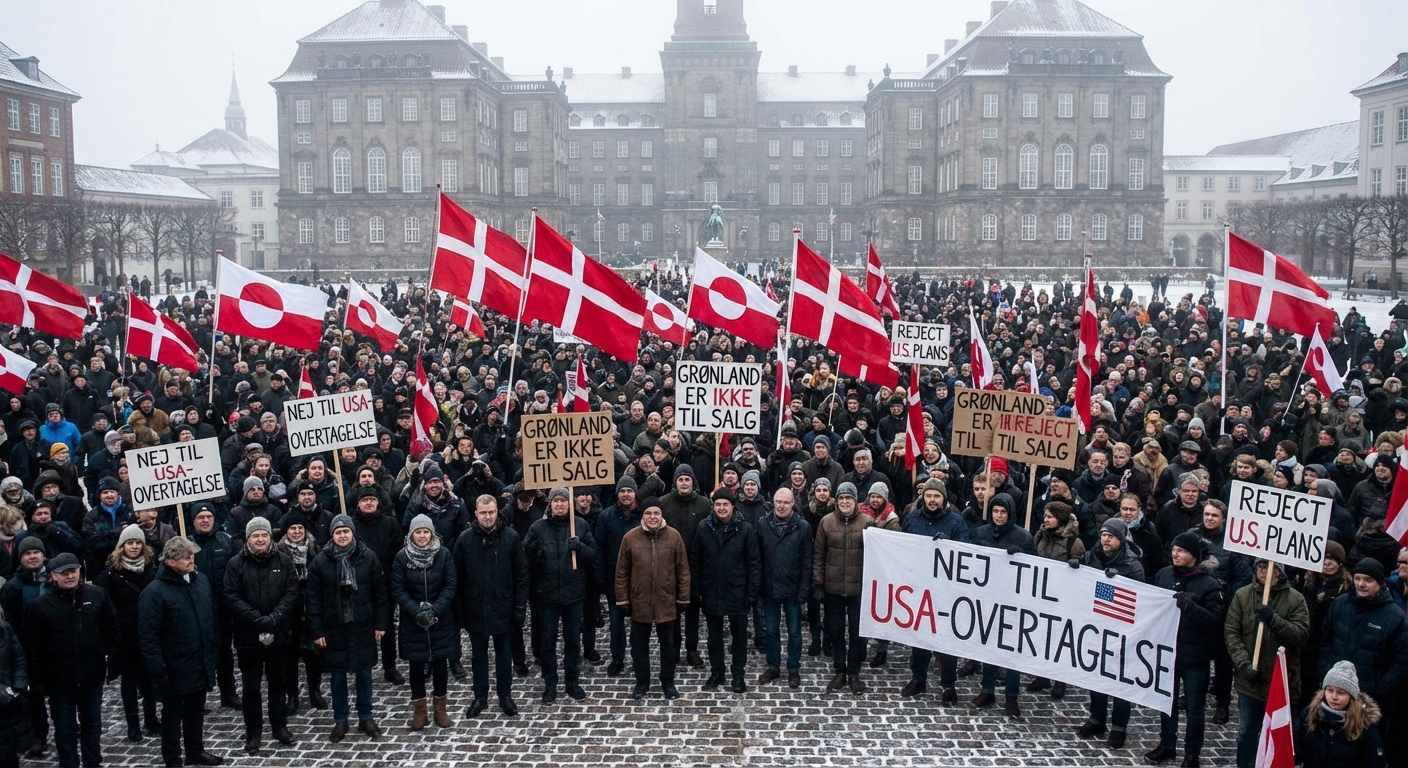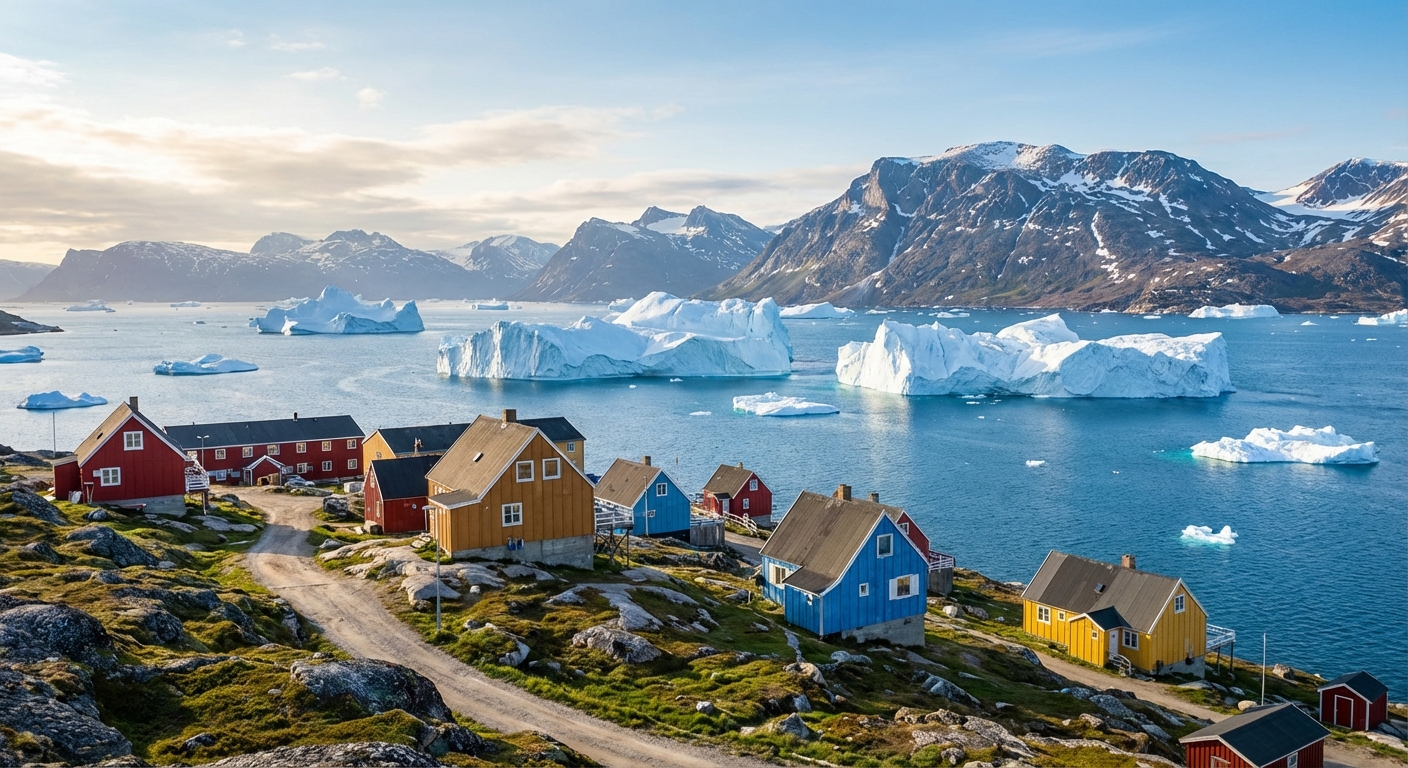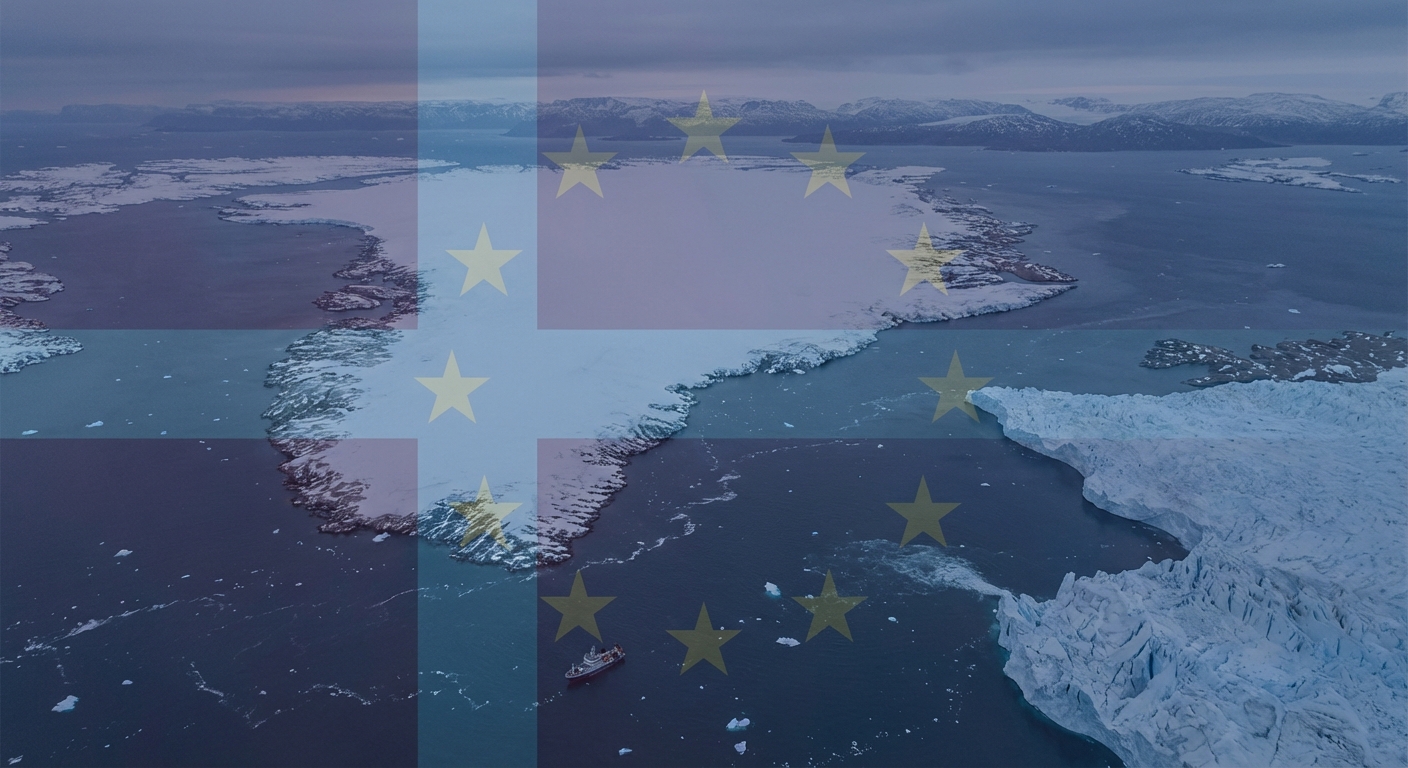
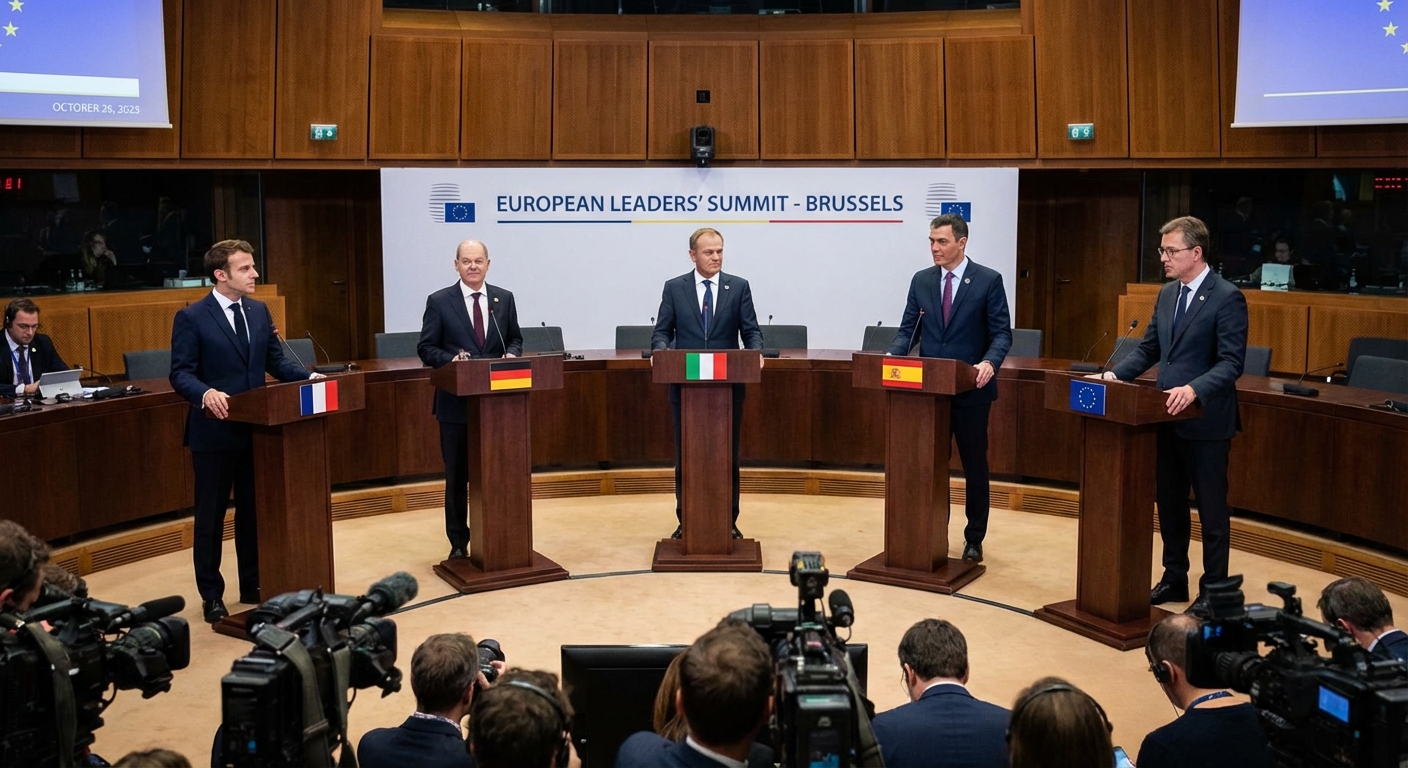
Six European leaders issued a joint statement this week defending Greenland’s sovereignty, an unusual diplomatic intervention prompted by President Trump’s renewed interest in acquiring the Arctic territory. The leaders of France, Germany, Italy, Poland, Spain, and the United Kingdom joined Danish Prime Minister Mette Frederiksen in what amounts to a unified European rebuke of American territorial ambitions. The statement marks a significant moment in transatlantic relations and raises questions about the future of Arctic geopolitics.
Trump first floated the idea of purchasing Greenland during his first term in 2019, a proposal that was widely dismissed as bizarre at the time. His return to the topic in recent weeks, combined with more aggressive rhetoric about American strategic interests in the Arctic, has transformed what seemed like an odd fixation into a genuine diplomatic concern. European leaders are no longer treating it as a joke.
The coordinated response suggests that allies are taking Trump’s statements more seriously this time around, whether because they believe acquisition attempts are more likely or because they see the rhetoric itself as damaging to alliance relationships.
What Trump Has Said and Why It Matters
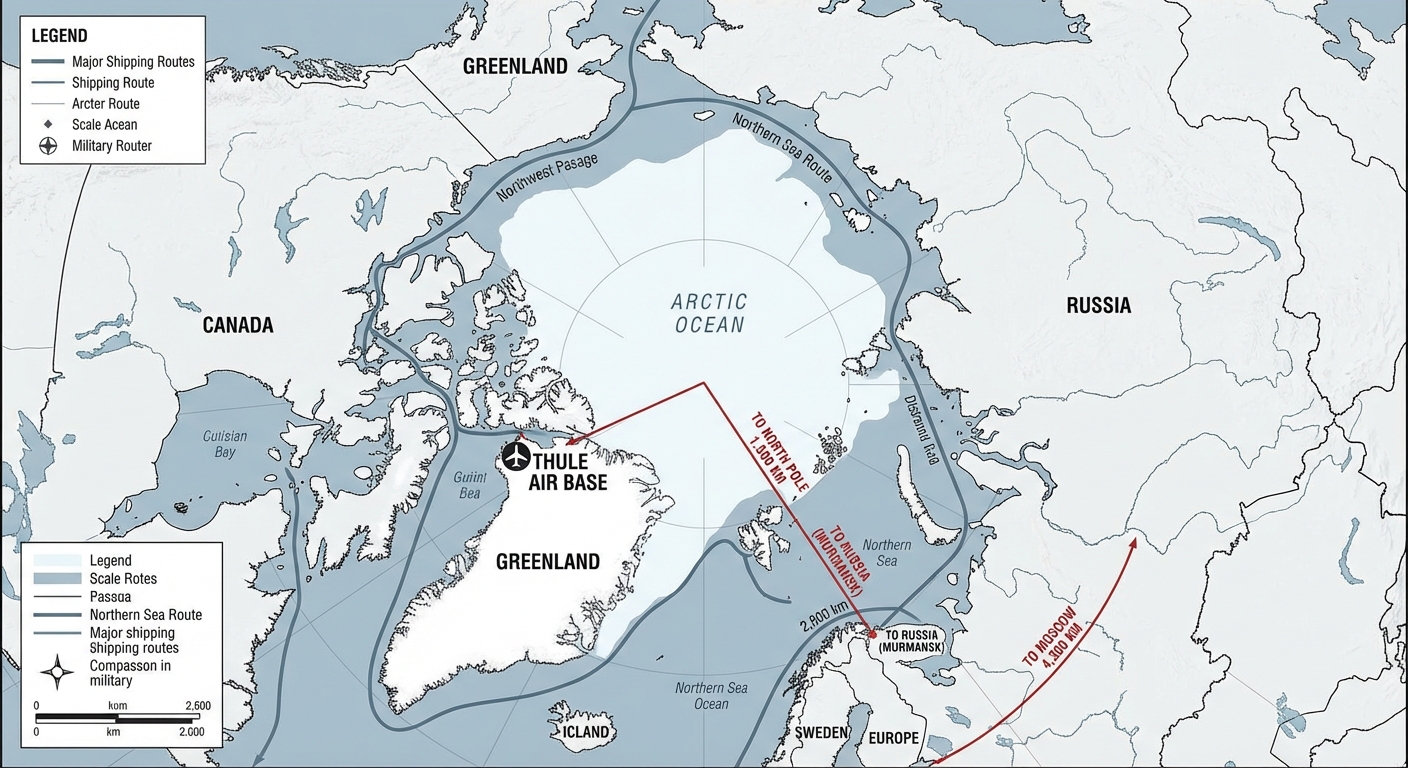
The President has described Greenland as essential to American national security, citing its strategic position in the Arctic and the presence of Thule Air Base, a U.S. Space Force installation that’s been operating on the island since 1951. Trump has suggested that ownership of Greenland would better protect American interests than the current arrangement, which relies on agreements with Denmark.
His comments have gone beyond mere interest. Reports indicate the administration has discussed various scenarios for increasing American influence over the territory, ranging from economic pressure to more direct measures. While the White House hasn’t outlined specific plans, the sustained attention has alarmed European partners who see it as destabilizing.
Denmark’s response has been unequivocal. Prime Minister Frederiksen has repeatedly stated that Greenland is not for sale and that its future is a matter for Greenlanders to decide. Greenland has substantial autonomy under Danish sovereignty, with its own parliament and control over most domestic affairs, though Denmark handles foreign policy and defense.
Why Greenland Actually Matters Strategically
Greenland’s strategic value has increased significantly as climate change opens new shipping routes through the Arctic and makes previously inaccessible resources more reachable. The territory contains substantial deposits of rare earth minerals critical for electronics and clean energy technology, currently dominated by Chinese production.
The military significance is real. Thule Air Base provides early warning radar coverage for North American air defense and supports space surveillance operations. Any nation controlling Greenland would have significant advantages in monitoring Arctic airspace and sea routes. As Russia and China increase their Arctic activities, the region has become more contested.
However, the U.S. already has extensive access through existing agreements. American military operations continue unimpeded, and the defense relationship with Denmark is well-established within NATO. Critics of Trump’s approach argue that the current arrangement serves American interests adequately and that pushing for ownership creates unnecessary conflict with allies.
The economic potential, particularly rare earth minerals, is often cited but comes with significant caveats. Greenland’s extreme climate and limited infrastructure make resource extraction enormously expensive. The Greenlandic government has been cautious about large-scale mining, concerned about environmental impacts and the influence of foreign investment on local governance.
What European Leaders Are Actually Worried About
The joint statement from European leaders reflects several concerns beyond Greenland itself. The explicit defense of Danish sovereignty signals that European nations will not accept American territorial expansion at the expense of an EU member state and NATO ally. The participation of the UK, now outside the EU but still closely aligned on security matters, underscores the breadth of concern.
There’s also worry about precedent. If the United States can pressure or coerce a small ally over territorial questions, it undermines the entire framework of alliance relationships that European security depends upon. The message from European capitals is that sovereignty isn’t negotiable, even among friends.
The timing matters too. European leaders are already navigating a complicated relationship with the second Trump administration across issues from trade to Ukraine policy. Greenland has become a symbol of whether the transatlantic partnership remains based on mutual respect or shifts toward something more transactional.
Some analysts suggest the European response is partly performative, a way to demonstrate independence from Washington and solidarity with Denmark without actually changing anything material. But even symbolic statements carry weight in diplomacy, establishing positions that become harder to walk back.
What Greenlanders Actually Want
Lost in much of the coverage is what Greenland’s 56,000 residents think about their future. The territory has been moving toward greater autonomy for decades, with a 2008 referendum granting self-rule and the right to eventually pursue full independence. Many Greenlanders see their future as an independent nation, not as part of either Denmark or the United States.
Independence would require economic viability that Greenland currently lacks. The territory receives substantial subsidies from Denmark, and its economy depends heavily on fishing. Developing mineral resources could change that equation, but it would take years and massive investment.
Greenlandic leaders have pushed back against the notion that their home is a piece of real estate to be traded between great powers. Premier Múte Bourup Egede has emphasized that any decisions about Greenland’s future must be made by Greenlanders themselves, not negotiated over their heads in Washington, Copenhagen, or Brussels.
The population is indigenous Inuit majority, and there’s sensitivity about colonial attitudes from any direction. American interest, even if framed as partnership, can feel like another outside power deciding Greenland’s fate without meaningful consultation.
The Bottom Line
The Greenland situation reveals tensions in the transatlantic relationship that go beyond one territory. European allies are drawing lines around what behavior they’ll accept from Washington, while the Trump administration is signaling a more assertive approach to perceived American interests regardless of diplomatic norms.
For now, nothing has actually changed. Greenland remains part of the Kingdom of Denmark, American military operations continue under existing agreements, and no serious acquisition mechanism exists without Danish consent. But the rhetoric has consequences. It strains alliance relationships, emboldens those who question American commitment to international rules, and makes cooperation on other issues more difficult.
Watch for how this affects broader negotiations between the U.S. and European partners on trade and security issues. Greenland may be the flashpoint, but the underlying questions about the nature of the transatlantic partnership will shape policy across many domains.