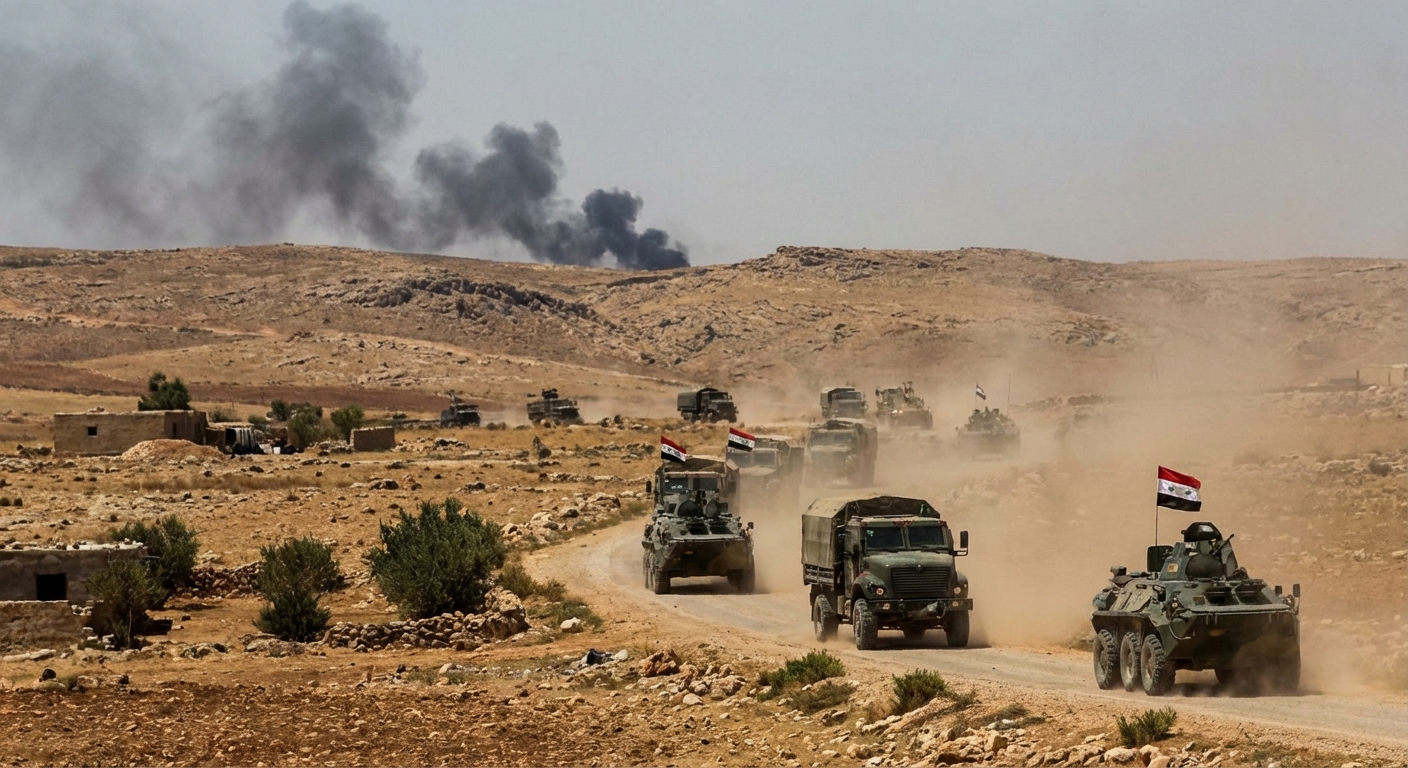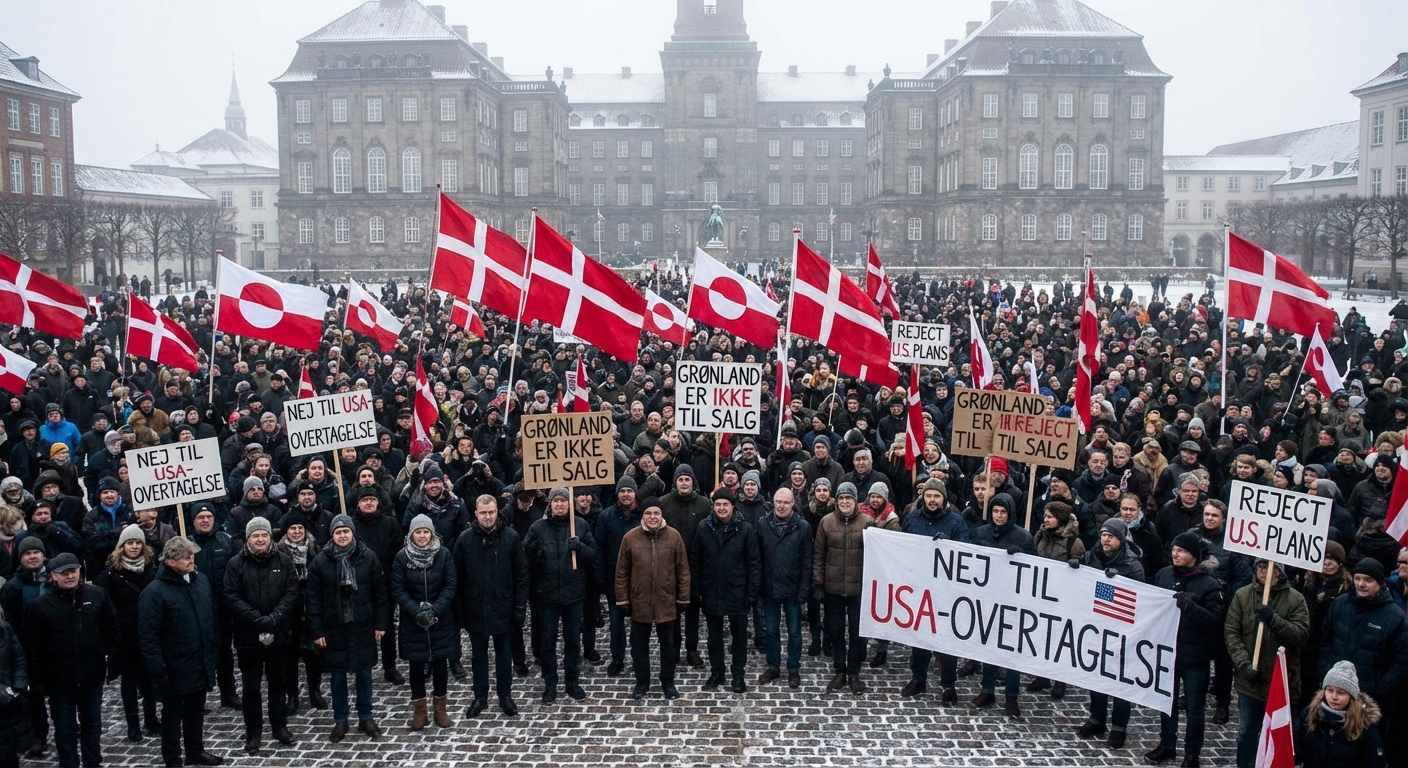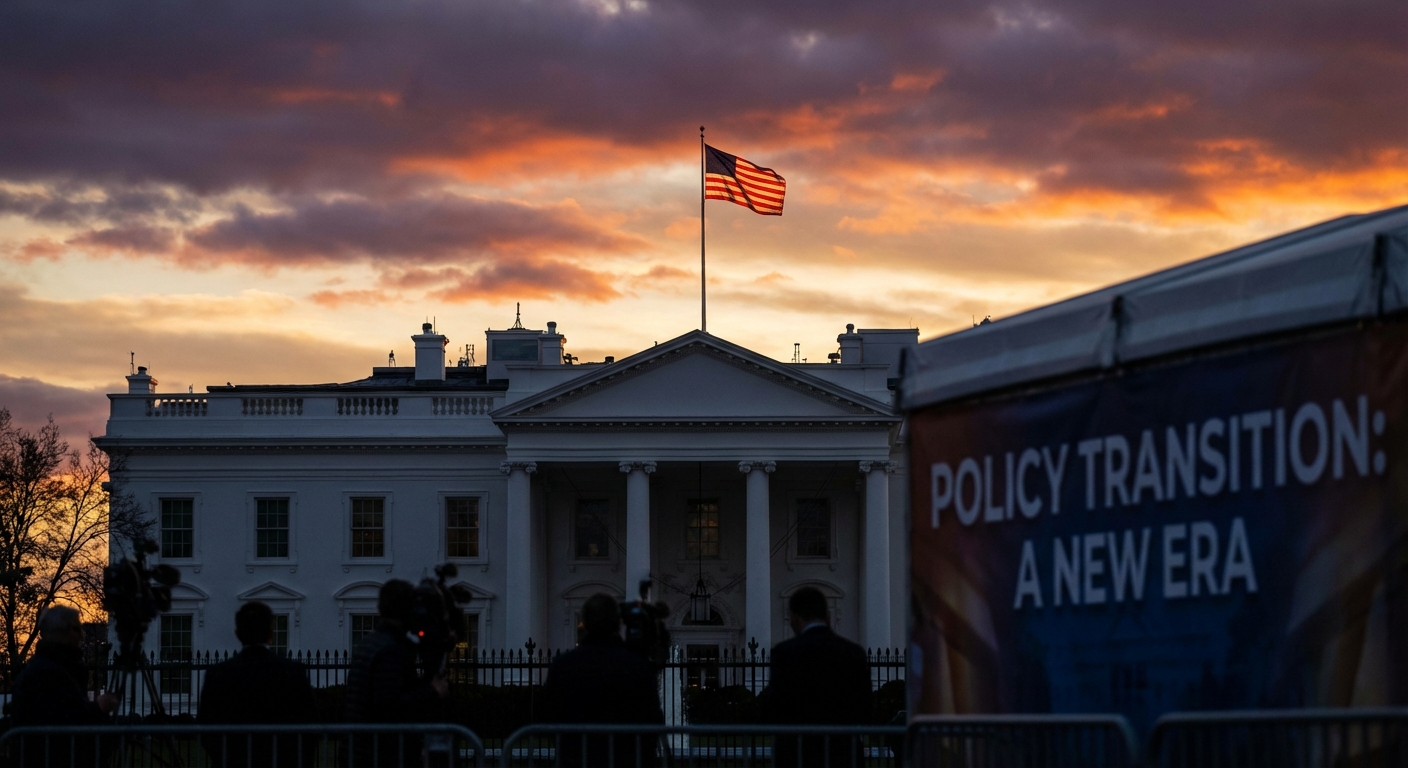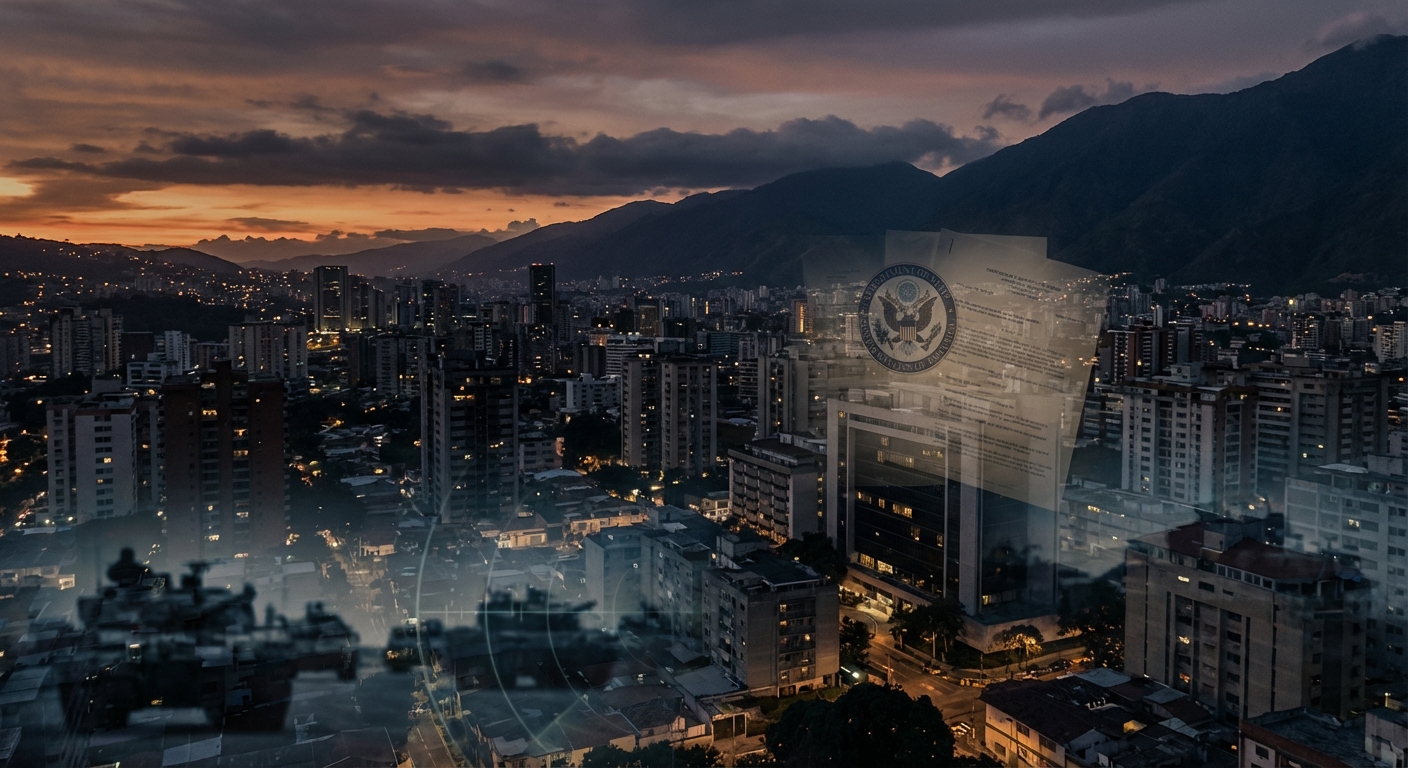
The United States military captured Venezuelan President Nicolás Maduro and his wife, First Lady Cilia Flores, in an operation that has sent shockwaves through international relations. The pair were flown out of the country aboard the USS Iwo Jima and subsequently brought to New York, where Attorney General Pam Bondi announced they face federal indictments on drug trafficking and weapons charges. Both have pleaded not guilty to all charges in their initial court appearance.
The operation represents the most dramatic U.S. intervention in Latin America in decades and raises fundamental questions about international law, sovereignty, and the future of American foreign policy in the region. Vice President Delcy Rodríguez has assumed the role of acting president in Caracas, and the situation on the ground remains fluid as Venezuelan institutions absorb the shock of their leader’s sudden removal.
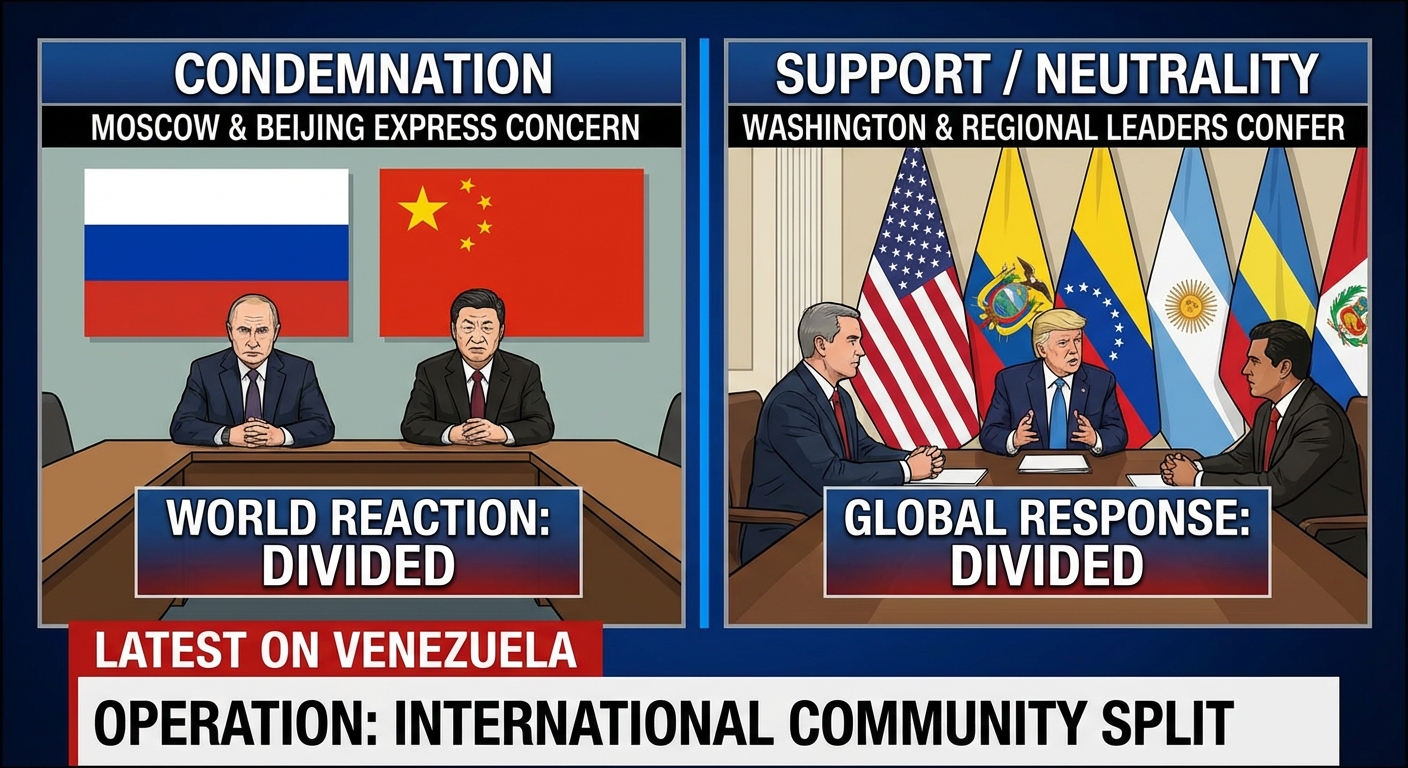
World reaction has been swift and divided. Some governments have condemned the action as a violation of sovereignty, while others have welcomed the removal of a leader they consider illegitimate. The full implications will take months or years to unfold, but the immediate reality is that the United States has forcibly removed a sitting head of state, something that hasn’t happened at this scale since the Panama invasion of 1989.
Why This Happened Now
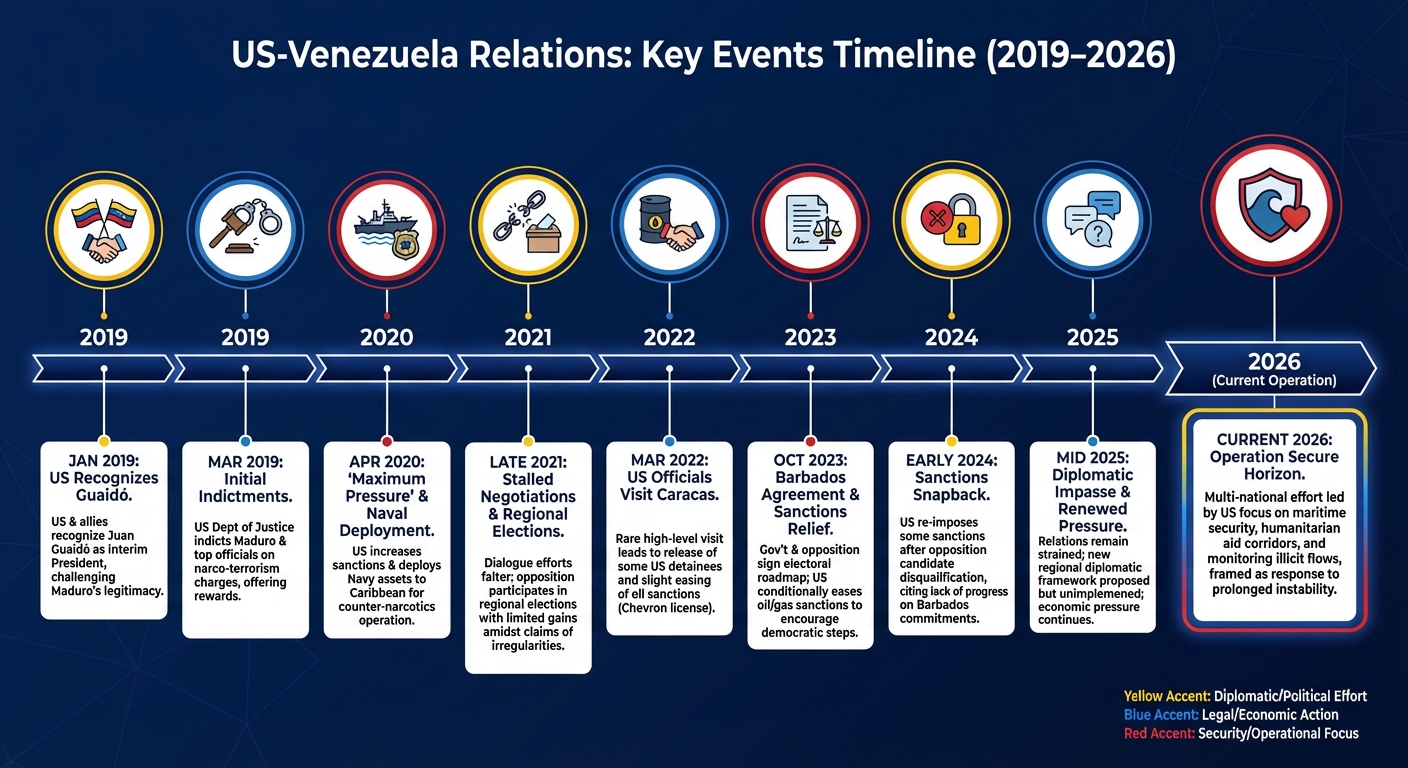
The Trump administration had signaled for weeks that it was considering more aggressive action against the Maduro government. The legal framework relies on long-standing U.S. indictments against Maduro and other Venezuelan officials on narco-terrorism charges, indictments that were issued during Trump’s first term but never acted upon during the Biden years.
Administration officials have framed the operation as law enforcement rather than regime change, emphasizing the drug trafficking charges and arguing that Maduro’s government had become indistinguishable from a criminal organization. This framing attempts to sidestep some of the legal and diplomatic complications of directly overthrowing a foreign government, though critics argue the distinction is semantic.
The timing connects to broader administration priorities. Venezuela has been a source of significant migration to the United States, and the administration has linked the Maduro government to that flow. There’s also the matter of Venezuelan oil, which remains substantial despite years of mismanagement and sanctions. American energy companies have long been interested in restored access to Venezuelan reserves.
The operation’s execution suggests months of planning and intelligence gathering. Maduro had survived previous challenges, including a 2019 opposition effort backed by the U.S. that failed to dislodge him. This time, American forces acted directly rather than relying on internal opposition, a significant escalation in approach.
International Reaction and Legal Questions
The operation has produced the predictable split in international response. Russia and China condemned the action in strong terms, with Russian officials calling it a flagrant violation of international law and Chinese diplomats expressing “grave concern” about unilateral military action against a sovereign nation. Both countries had significant economic relationships with the Maduro government and will likely see their interests in Venezuela complicated.
Latin American reaction has been more varied. Some governments, particularly those aligned with the previous anti-Maduro coalition, have expressed cautious support or declined to condemn the action. Others, including Mexico and Colombia, have called for respect for Venezuelan sovereignty while stopping short of direct confrontation with Washington. The regional dynamic is delicate; many governments are wary of endorsing U.S. military intervention even against a leader they disliked.
European responses have emphasized legal process, with several foreign ministries noting that Maduro faces U.S. charges and suggesting that judicial proceedings should play out. This approach avoids direct endorsement of the military operation while not condemning it either, a diplomatic hedge that reflects European discomfort with both Maduro’s government and American unilateralism.
The legal questions are genuinely complicated. While the U.S. has extraterritorial jurisdiction for certain crimes, forcibly seizing a sitting head of state from his own country tests the boundaries of that authority. Maduro’s lawyers will certainly challenge the circumstances of his capture, and the case could raise novel questions about the intersection of criminal law and international relations.
What Happens in Venezuela Now
The immediate situation in Caracas remains uncertain. Vice President Rodríguez has assumed leadership, but her authority and the cohesion of the government apparatus are untested. The military, which has been central to Maduro’s hold on power, hasn’t made clear statements about its position. Whether officers remain loyal to the chavista movement, align with Rodríguez personally, or see opportunity in the chaos will shape what comes next.
The opposition, which has been divided and weakened after years of failed challenges to Maduro, faces a suddenly changed landscape. Juan Guaidó, who the U.S. recognized as legitimate president during the 2019 crisis, has been largely sidelined in recent years. It’s unclear whether opposition figures can capitalize on the moment or whether they’ll be marginalized by whatever government consolidates power.
Economic conditions, already dire after years of crisis, could deteriorate further depending on how the transition unfolds. Venezuela’s economy depends heavily on oil exports, and uncertainty about the government’s stability will affect investment and operations. Humanitarian organizations are watching closely for signs that an already difficult situation could worsen.
The U.S. has indicated it supports a “democratic transition” in Venezuela but hasn’t specified what that means or what role Washington intends to play in shaping it. The gap between removing Maduro and establishing stable governance is vast, and American track records on post-intervention stabilization are not encouraging.
The Broader Foreign Policy Implications
The Venezuela operation signals a more interventionist American foreign policy in Latin America, reversing decades of at least rhetorical commitment to non-intervention. Whether this represents a return to earlier patterns of American involvement in the region or something new will depend on what comes next, both in Venezuela and elsewhere.
Other governments are certainly watching. Leaders who have tense relationships with Washington are assessing their own vulnerability. Leaders who might welcome American pressure on rivals are calculating whether to encourage or distance themselves from such actions. The norms around sovereignty and non-intervention, already strained in other contexts, have been further tested.
There’s also the question of precedent within American politics. The operation has received support from many Republicans and criticism from many Democrats, though the divide isn’t perfectly partisan. How it’s received domestically will influence whether future administrations see such actions as politically viable.
The administration’s framing as law enforcement rather than regime change may not survive sustained scrutiny. The practical effect is the removal of a government, regardless of the legal rationale. That reality will shape how the operation is understood historically and how it affects American credibility when it claims to respect sovereignty and international law in other contexts.
The Bottom Line
The capture of Nicolás Maduro marks a dramatic escalation in U.S. involvement in Venezuelan affairs and raises significant questions about international law, regional stability, and the direction of American foreign policy. The immediate crisis in Venezuela is far from resolved, and the operation’s long-term consequences remain uncertain.
Watch for developments in Caracas as the remaining government attempts to consolidate power, for the legal proceedings in New York as Maduro’s case moves through courts, and for regional responses as Latin American governments calculate their positions. The U.S. has taken a dramatic action; whether it leads to the democratic transition Washington claims to want or to prolonged instability remains to be seen.
This story will develop significantly over the coming weeks and months. The initial operation was only the beginning of a process whose end point isn’t yet visible.