South Korean prosecutors took the extraordinary step today of indicting former President Yoon Suk Yeol on insurrection charges, a crime that carries a potential death sentence under Korean law. The indictment stems from Yoon’s stunning declaration of martial law on December 3, an action that lasted only hours before the National Assembly voted to overturn it but has nonetheless triggered a constitutional crisis.
The charges mark the first time a South Korean president has faced insurrection allegations, a category reserved for attempts to overthrow democratic governance. While previous presidents have been prosecuted for corruption after leaving office, the insurrection framing elevates this case to a different level, treating Yoon’s brief martial law declaration as an attack on democracy itself.
What Happened on December 3
Yoon’s martial law declaration came without warning late on a Tuesday evening. In a nationally televised address, he accused opposition parties of “anti-state activities” and announced the imposition of emergency military rule. Troops were dispatched to the National Assembly, and political activities were banned.
The justification was thin from the start. Yoon pointed to legislative opposition to his budget proposals and claimed, without evidence, that opposition lawmakers were under North Korean influence. Even his own party expressed shock at the declaration, and key military commanders hesitated to execute orders they considered illegal.
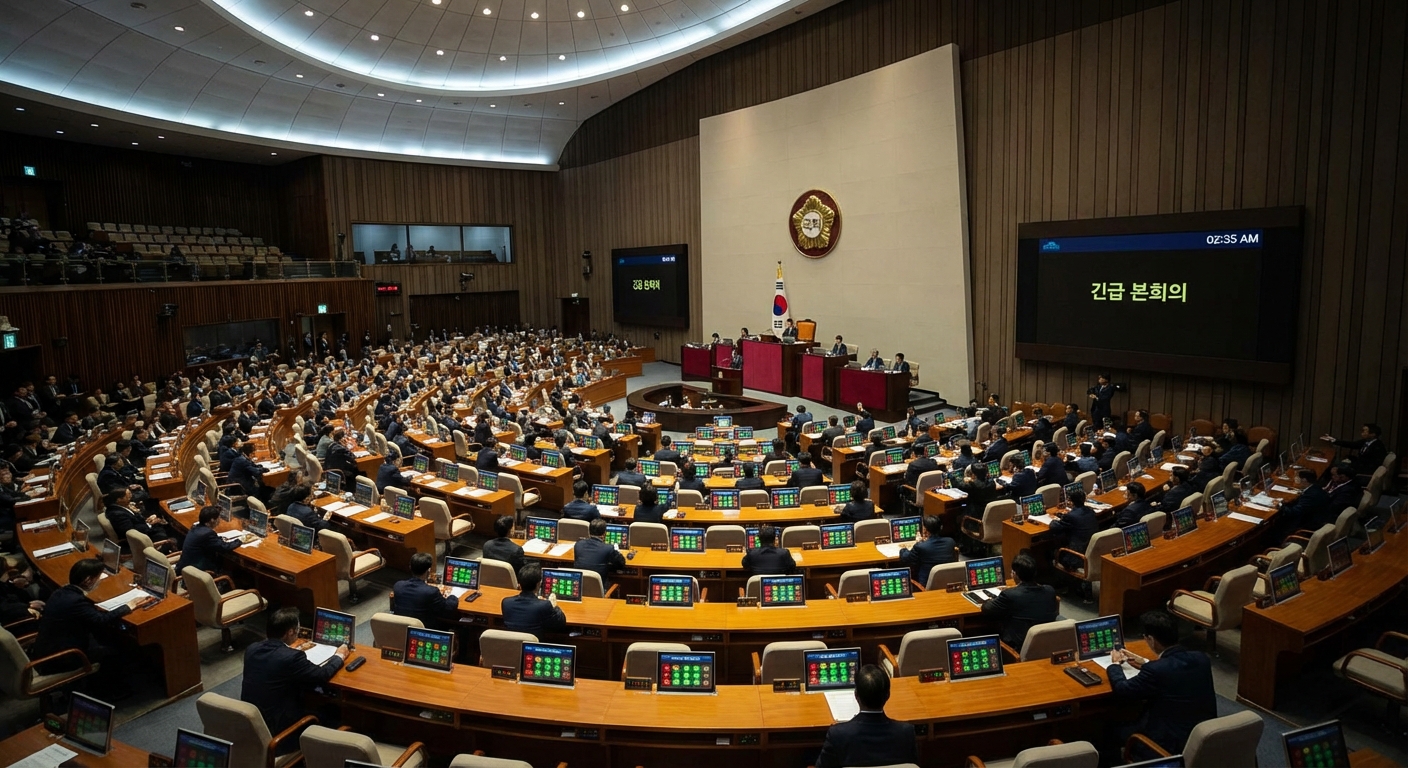
The National Assembly responded with remarkable speed. Legislators who managed to enter the building despite military presence convened an emergency session and voted 190-0 to demand martial law be lifted. Facing unified opposition and uncertain military compliance, Yoon rescinded the declaration within six hours, but the damage was done.
The Legal Case
Prosecutors argue that Yoon’s actions meet the definition of insurrection under Korean law: an attempt to use force or the threat of force to subvert the constitutional order. The deployment of military forces to the legislature, combined with orders to arrest opposition politicians, represents exactly the kind of action the law was designed to punish.
Yoon’s defense team contests this interpretation. They argue that the martial law declaration, while perhaps ill-advised, was within presidential powers and was rescinded peacefully when the Assembly objected. Calling it insurrection, they claim, stretches the term beyond recognition and criminalizes a political judgment call.
Legal experts are divided. Some view the prosecution as an appropriate response to what they consider an attempted coup, however brief. Others worry about the precedent of charging a president with capital crimes for actions that, in the end, were reversed through constitutional processes. The case will test where Korean law draws the line between controversial decisions and criminal attacks on democracy.
Political Fallout
The indictment accelerates an already chaotic political situation. Yoon has been impeached by the National Assembly, though the Constitutional Court must still rule on his removal. If the court upholds impeachment and the insurrection conviction proceeds, Yoon could face penalties ranging from lengthy imprisonment to, theoretically, execution.
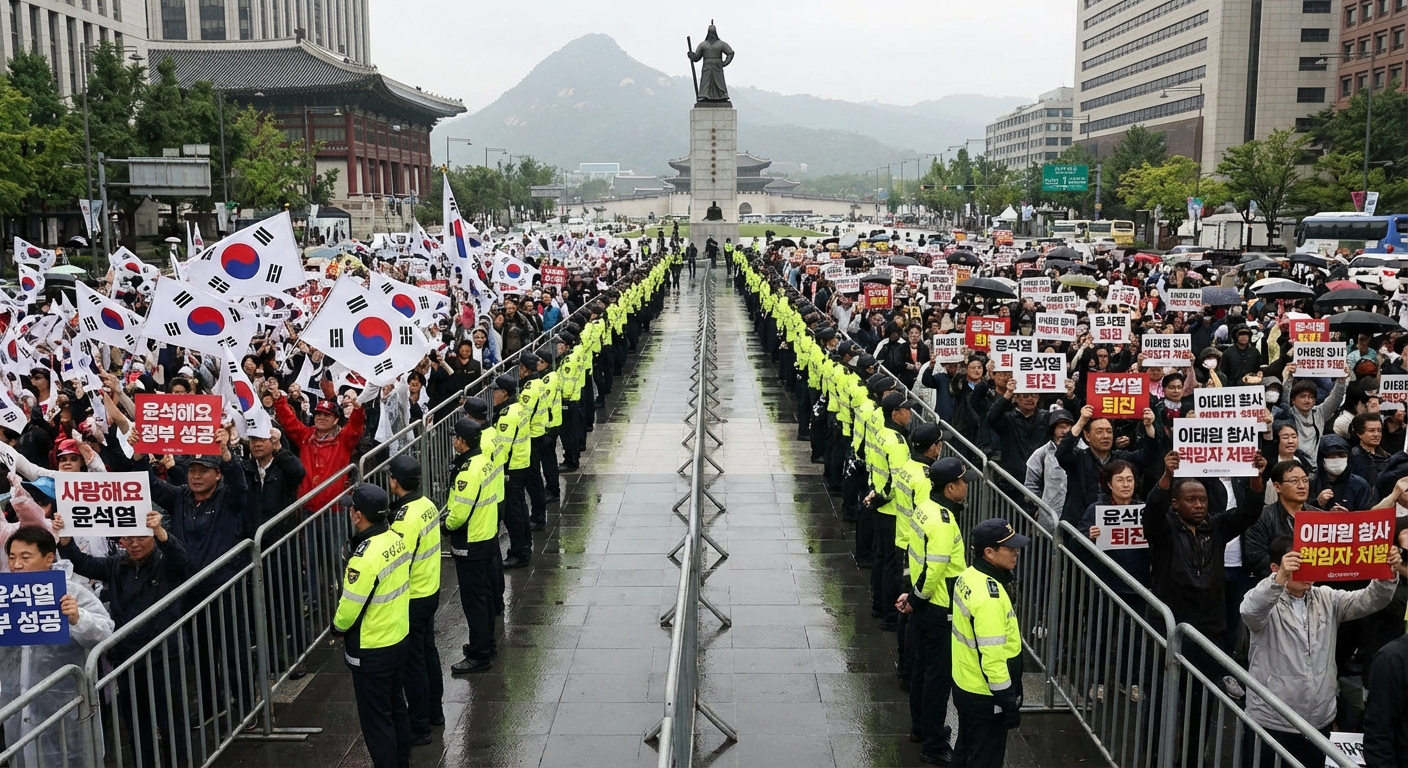
His political party has fractured. Some members have distanced themselves entirely, calling the martial law declaration indefensible. Others maintain that the prosecution is politically motivated retaliation. The split has weakened conservative forces at a moment when early elections may be approaching.
International Implications
South Korea’s allies have watched the crisis with concern. The country hosts significant American military forces and plays a crucial role in regional security. Political instability in Seoul complicates coordination on North Korea policy and broader Indo-Pacific strategy.
The response from Washington has been measured. American officials have expressed support for Korean democratic institutions without commenting on specific legal proceedings. The message has been clear: the United States trusts South Korea’s courts to handle the matter and remains committed to the alliance regardless of domestic political outcomes.
What to Watch
The Constitutional Court’s ruling on impeachment will come first, likely within the next two months. If it upholds the Assembly’s decision, Yoon will be permanently removed from office and presidential elections will follow within 60 days. The criminal trial will proceed separately and could take years to conclude.
The insurrection prosecution will shape Korean politics for years regardless of its outcome. A conviction would establish that martial law declarations, even brief ones, carry severe consequences. An acquittal might encourage future presidents to test constitutional boundaries. Either way, December 2025 will be remembered as a moment when Korean democracy faced a test and, at least initially, responded forcefully.
The Bottom Line
The indictment of Yoon Suk Yeol for insurrection marks an unprecedented moment in South Korean history. What began as a six-hour martial law declaration has become a case that could result in the harshest possible punishment for a former head of state. The coming months will test Korean courts, political institutions, and society as they navigate a crisis that seemed unthinkable just weeks ago. For now, the world’s attention turns to Seoul, where a democracy is reckoning with an attack from within.