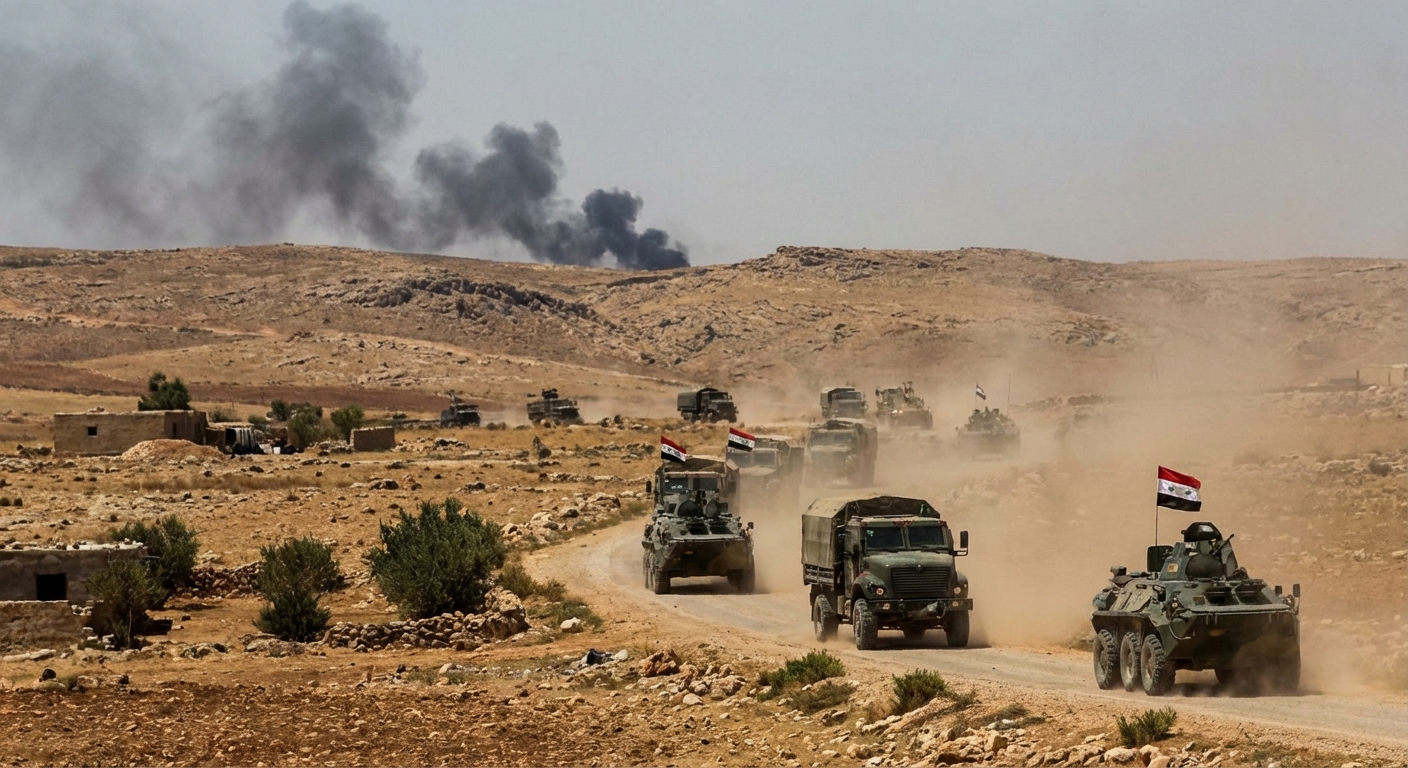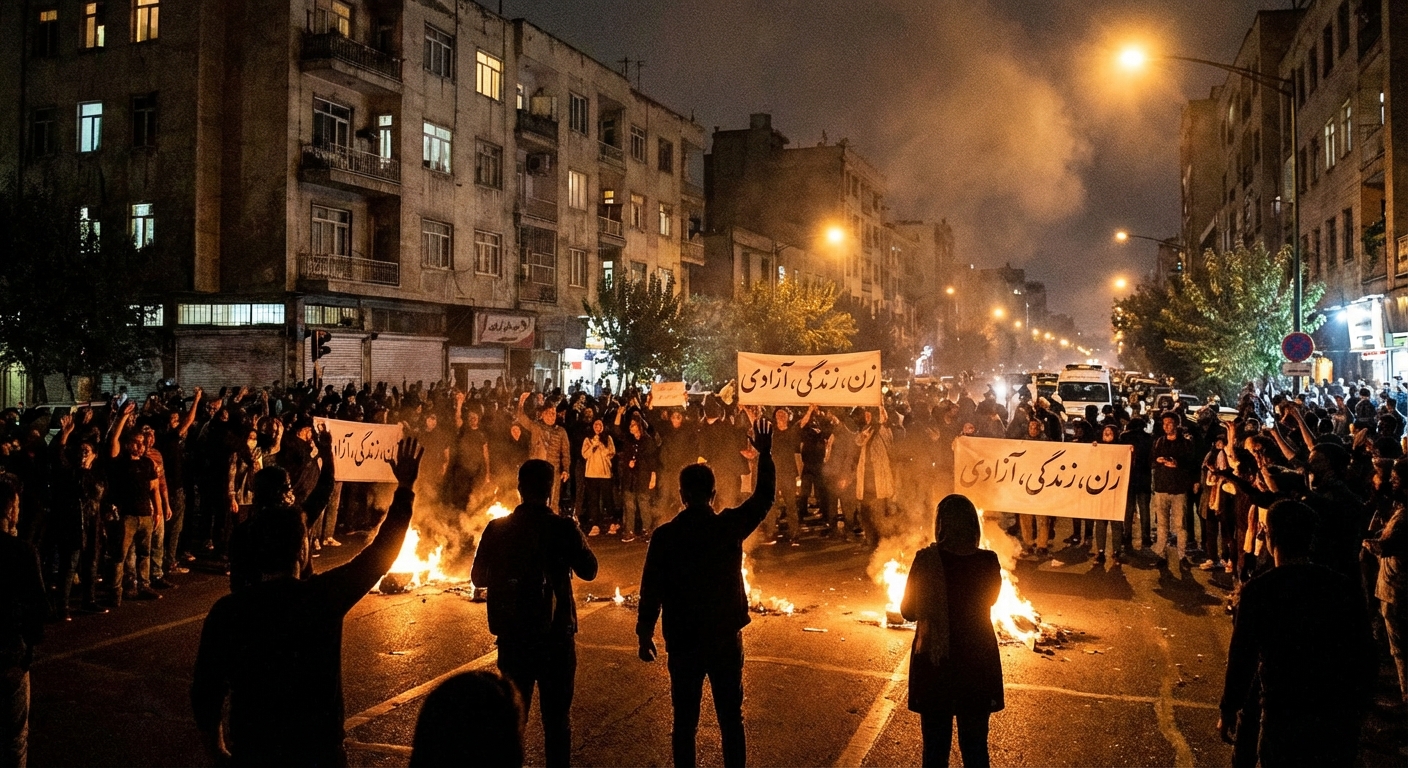
December 8 marked one year since the al-Assad dynasty, which had ruled Syria for more than half a century, was toppled by a rebel offensive that stunned observers with its speed. The anniversary comes as the United States confirmed it has permanently removed sanctions on Syria, a significant shift that could accelerate the country’s painful reconstruction process.
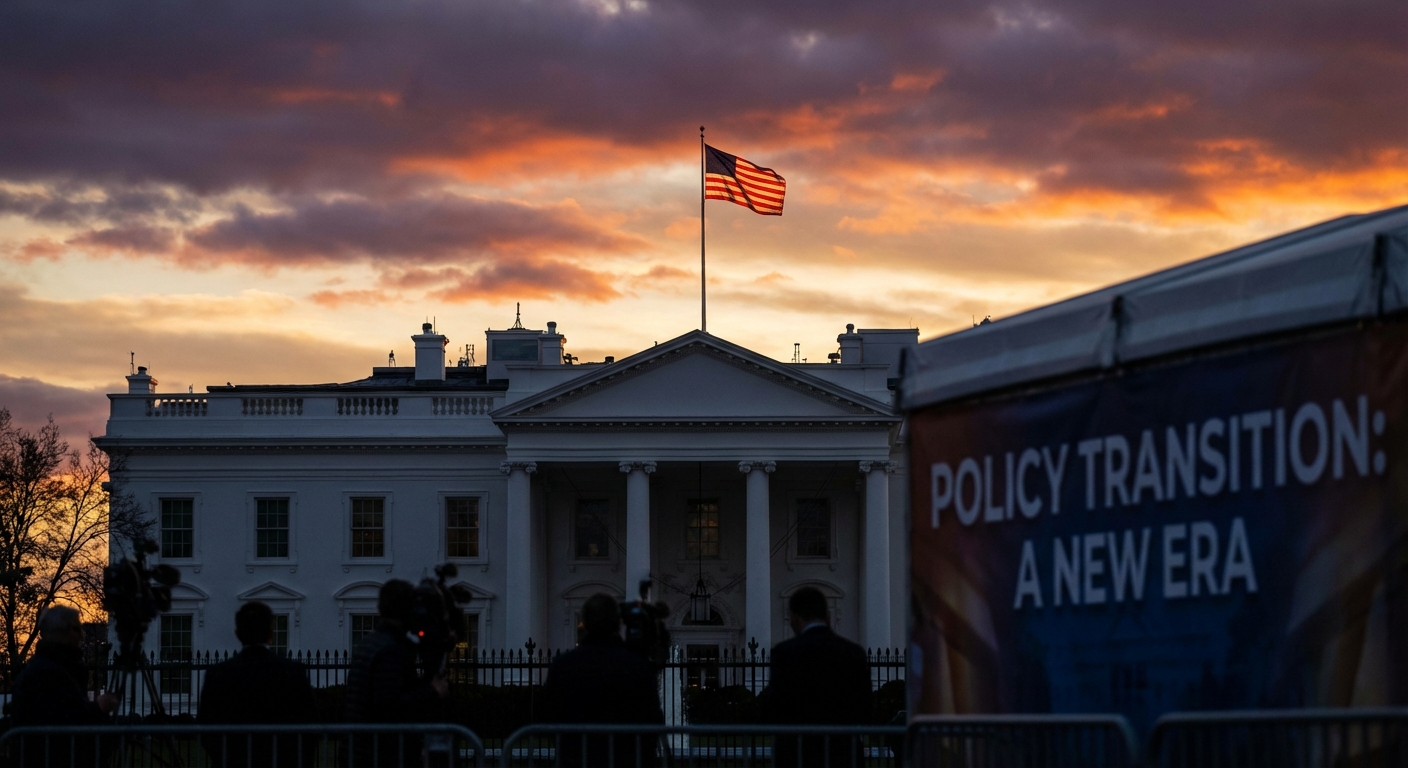
The sanctions removal represents Washington’s clearest signal yet that it views Syria’s new government as a legitimate partner. For years, American financial restrictions made international business with Syria nearly impossible, cutting the country off from global banking systems and foreign investment. Their removal opens doors that had been sealed since long before the civil war began.
Where Syria Stands Today
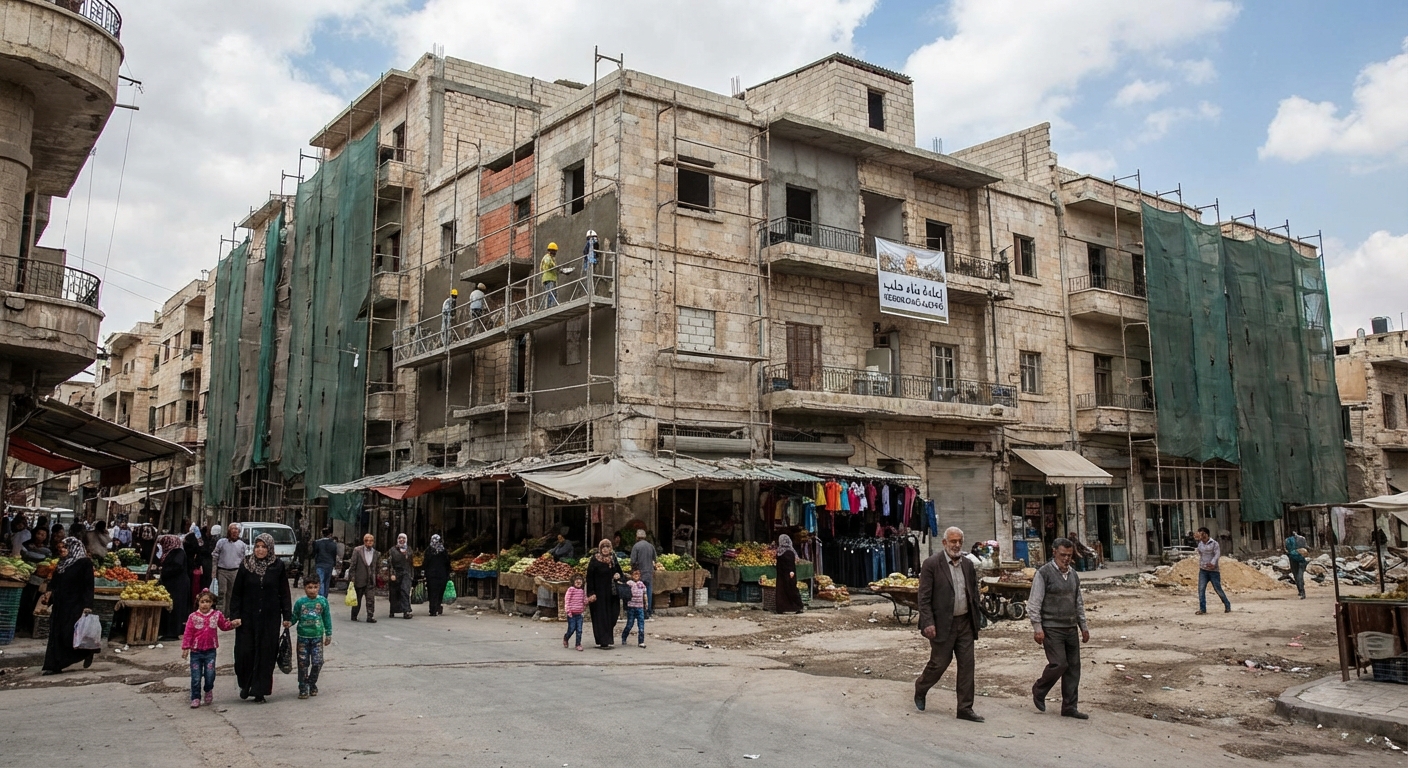
The country that emerges from Assad’s rule faces staggering challenges. Years of civil war killed hundreds of thousands, displaced half the population, and reduced major cities to rubble. Infrastructure that took decades to build was destroyed in months. The economy collapsed, and a generation of children missed years of schooling.
Progress since the regime’s fall has been uneven. Some areas have seen rapid stabilization, with markets reopening and basic services resuming. Others remain contested or devastated, with reconstruction barely begun. The new government has struggled to extend its authority uniformly, and local power dynamics complicate central control.
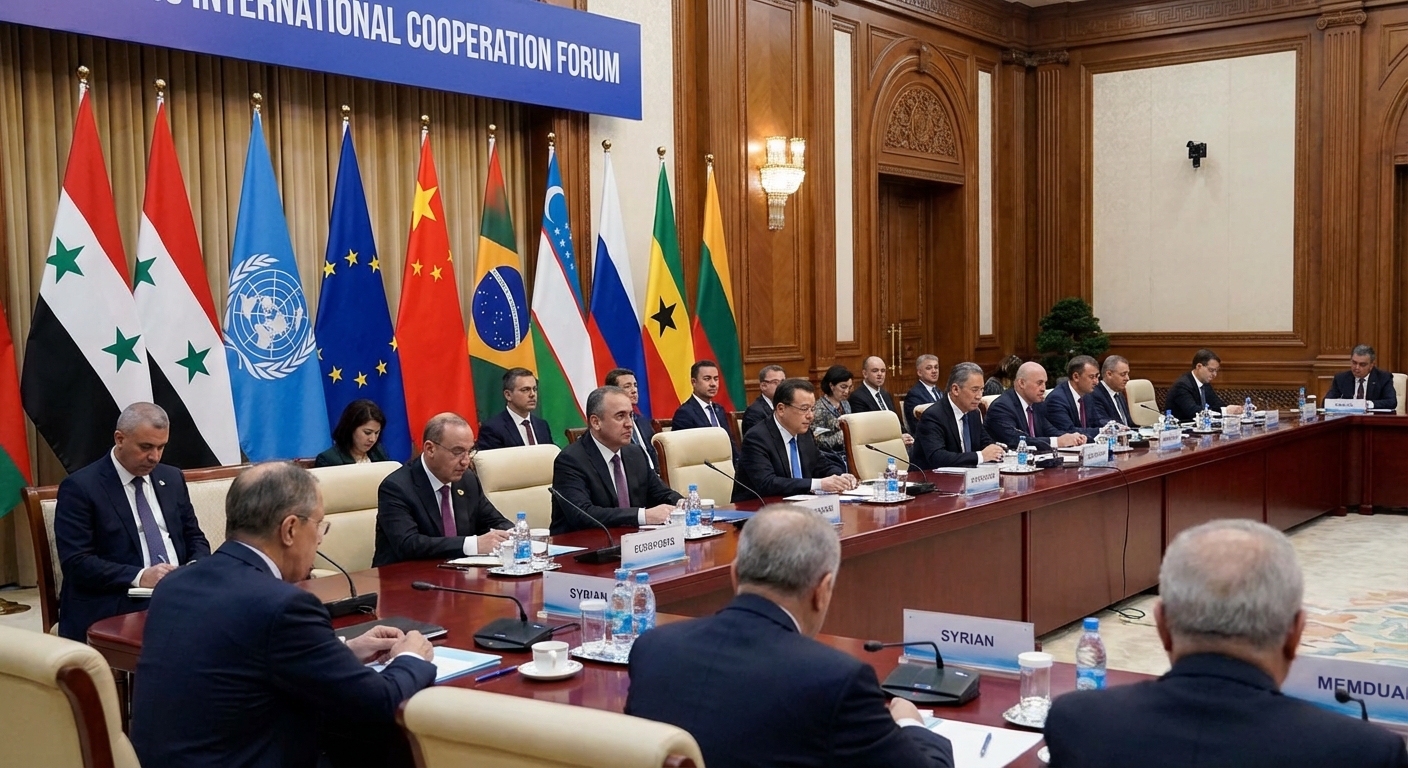
International engagement has increased but remains cautious. Countries that spent years treating Syria as a pariah state are now sending diplomatic delegations and exploring economic partnerships. The sanctions removal by the US follows similar moves by European nations eager to influence Syria’s trajectory while it remains malleable.
The Sanctions Decision
American sanctions on Syria dated back decades, with layers added throughout the civil war in response to Assad regime atrocities. Removing them required determination that the new government wasn’t engaged in the behaviors that triggered the restrictions: chemical weapons use, mass civilian targeting, support for terrorism.
The Biden and later Trump administrations had maintained sanctions through a cautious waiting period, demanding evidence that Syria’s new leadership would govern differently than its predecessor. That evidence, officials say, has accumulated over the past year: no major human rights violations, cooperation on counterterrorism, and progress toward inclusive governance.
Critics argue the decision is premature. Human rights organizations note that Syria’s justice system remains weak, accountability for past atrocities hasn’t occurred, and minority groups still face uncertain status. Supporters counter that continued isolation would only slow improvements and push Syria toward less savory international partners.
What the Anniversary Reveals
A year of post-Assad rule has clarified some questions while raising others. The feared immediate collapse into sectarian violence didn’t materialize, suggesting Syrian society retained more cohesion than pessimists predicted. Governance has been imperfect but functional, with basic state services resuming in most areas.
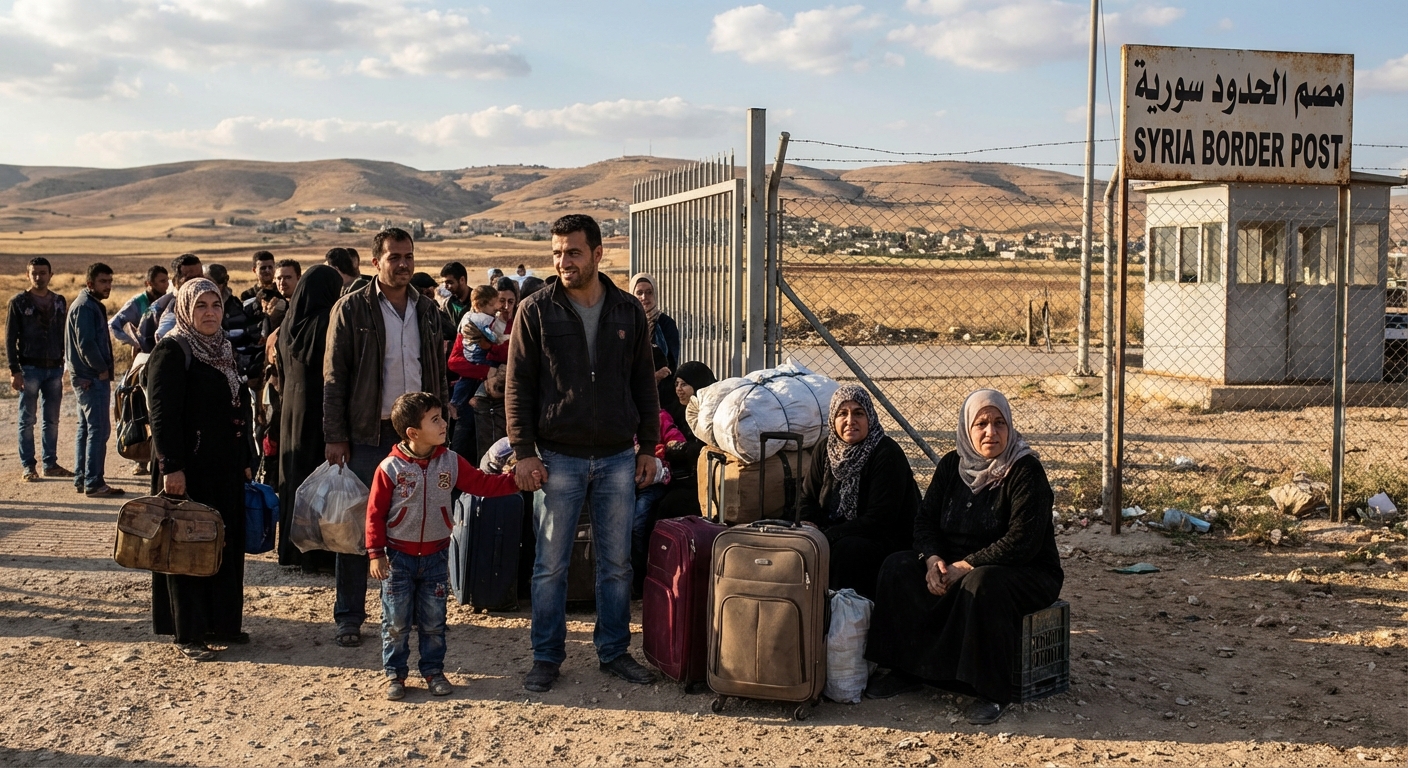
The refugee question remains unresolved. Millions of Syrians fled to neighboring countries and Europe during the war. Some have begun returning, but many remain hesitant, uncertain whether conditions truly allow safe resettlement. Host countries eager to reduce refugee populations are watching Syria’s progress closely.
Regional Implications
Syria’s transformation ripples across the Middle East. Neighboring countries that feared spillover from the civil war are recalibrating relationships. Turkey, which hosts millions of Syrian refugees and controls buffer zones within Syria, is negotiating new arrangements with Damascus. Lebanon, whose political and economic crises were worsened by Syrian refugees and Hezbollah’s involvement in the war, sees potential relief.
Israel, which conducted hundreds of airstrikes on Syrian territory during Assad’s rule to prevent weapons transfers to Hezbollah, faces a changed strategic picture. The new Syrian government has signaled interest in normalized relations, though significant obstacles remain. The US airstrikes against remaining Islamic State targets in Syria demonstrate that counterterrorism cooperation continues regardless of political transitions.
What to Watch
Syria’s trajectory over the next year will determine whether the optimism surrounding the anniversary proves justified. Key indicators include: progress on constitutional reforms that protect minority rights, successful return and reintegration of refugees, economic recovery that reaches ordinary Syrians, and continued absence of the mass violence that characterized Assad’s rule.
The international community’s engagement will also matter. Sanctions relief creates opportunity, but reconstruction requires sustained investment. Countries that remove restrictions but don’t follow with development assistance may find their gesture hollow. Syria needs not just the absence of punishment but the presence of support.
The Bottom Line
One year after the Assad dynasty’s fall, Syria stands at a crossroads visible to the world. The United States’ decision to permanently lift sanctions reflects genuine, if tentative, progress toward normalcy. Immense challenges remain: a devastated economy, millions in displacement, wounds that will take generations to heal. But the anniversary also marks something that seemed impossible just years ago: Syria without Assad, navigating toward an uncertain but potentially better future.