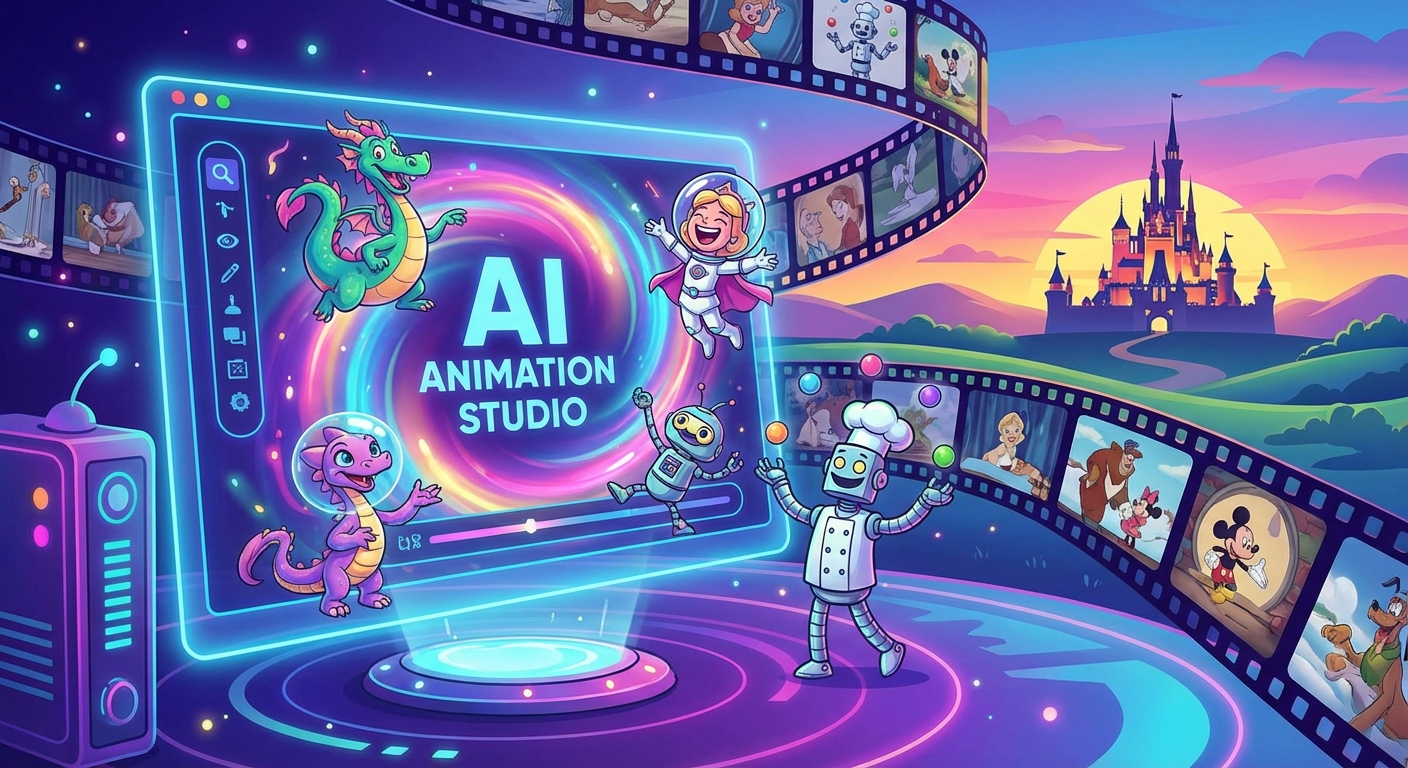
In what may be the most significant licensing deal in AI entertainment history, Disney has partnered with OpenAI to allow users of the Sora video generation platform to create content featuring more than 200 characters from Disney’s vast franchise library. The agreement gives Sora users access to beloved properties ranging from classic animated films to Marvel superheroes to Star Wars icons.
The deal represents a stark departure from Disney’s historically aggressive approach to intellectual property protection. For decades, the company has been synonymous with copyright enforcement, pursuing legal action against everything from daycare murals to YouTube fan videos. This partnership suggests that Disney sees more opportunity in controlled AI collaboration than in fighting an increasingly difficult battle against synthetic media.
What the Deal Allows
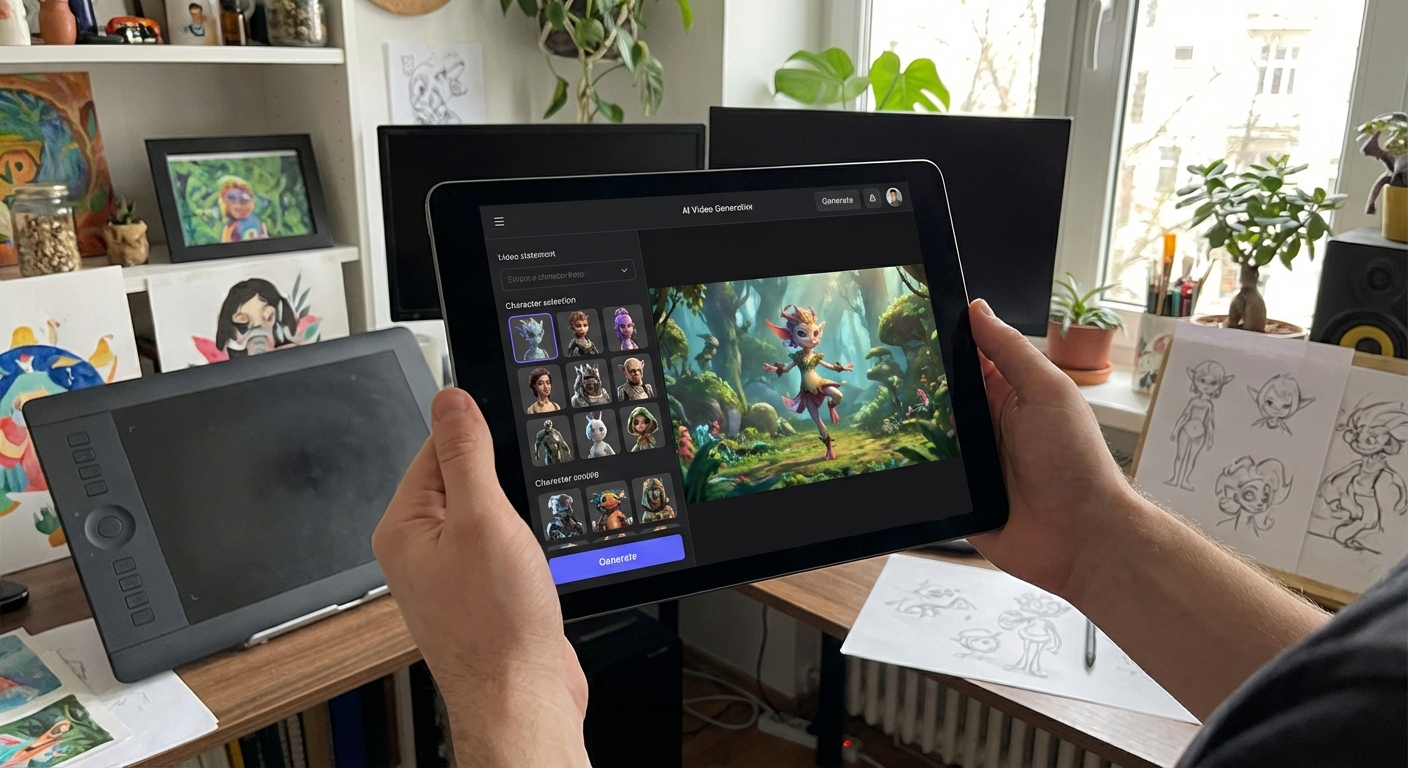
Under the agreement, Sora users can generate short video clips featuring licensed Disney characters in various scenarios. The platform includes guardrails to prevent content that violates Disney’s brand standards: no violence beyond what appears in the source material, no adult themes, and no content that damages character integrity. Disney retains approval rights over how its characters can be depicted.
The more than 200 characters span Disney’s portfolio: Mickey Mouse and friends, Pixar favorites like Buzz Lightyear and Woody, Marvel heroes including Spider-Man and the Avengers, and Star Wars characters from Darth Vader to Baby Yoda. Users can place these characters in original scenarios, combine them in crossover content, or recreate scenes with personal twists.
Why Disney Made This Move
The decision reflects a calculated bet about the future of entertainment. AI-generated content featuring copyrighted characters is already proliferating across the internet, much of it without permission. By licensing characters to a major platform, Disney gains both revenue and control over how its intellectual property appears in AI-generated media.
The financial terms weren’t disclosed, but industry analysts estimate Disney could earn hundreds of millions annually from the partnership once user adoption ramps up. OpenAI’s Sora has attracted millions of subscribers since its launch, and access to Disney characters could significantly expand its appeal.
There’s also a competitive dimension. Other studios have been exploring similar partnerships, and Disney likely wanted to establish a leading position before rivals locked up the AI entertainment space. By moving first, Disney shapes the norms for how character licensing works in this emerging medium.
The Creative Implications
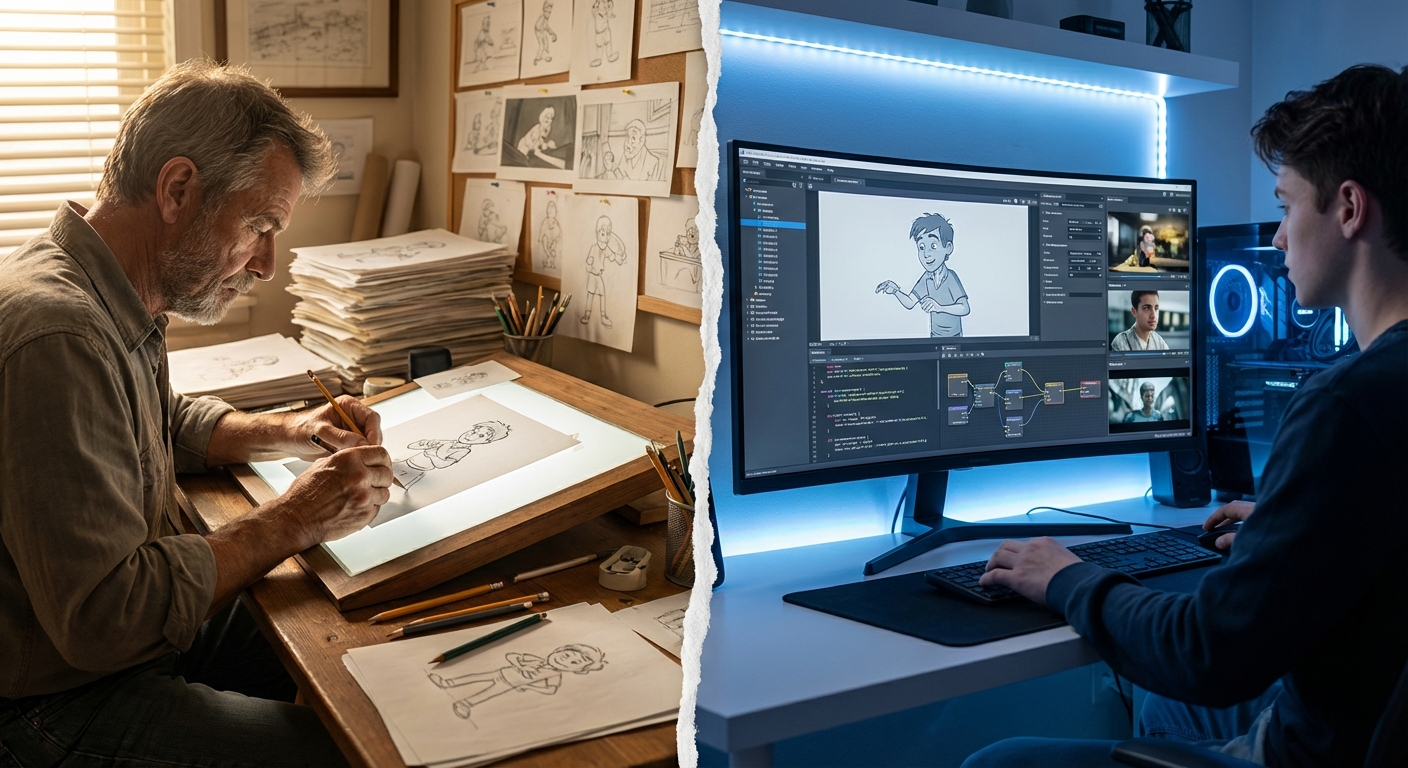
Not everyone celebrates the deal. Traditional animators and filmmakers have expressed concern that AI tools devalue human creativity, and licensing established characters could accelerate that shift. If users can generate Disney-quality content featuring beloved characters on their laptops, what happens to the artists who spent careers bringing those characters to life?
Defenders of the partnership argue it democratizes creativity. Aspiring filmmakers who could never afford to license characters for their projects now have access to iconic intellectual property. Children can create stories featuring their favorite heroes. The technology lowers barriers that previously made professional-quality animation accessible only to well-funded studios.
Legal and Ethical Questions
The partnership sidesteps some legal questions while raising others. Disney’s explicit licensing eliminates copyright concerns for content created on Sora, but it doesn’t address the broader issue of AI training data. OpenAI’s models were trained on vast quantities of internet content, some of which likely included copyrighted material. Several lawsuits challenging this practice remain pending.
There are also questions about how the technology might be misused despite safeguards. AI guardrails have proven imperfect in other contexts, and determined users often find workarounds. Disney’s reputation for family-friendly content could be damaged if its characters appear in inappropriate AI-generated videos, even if such content violates the platform’s terms of service.
What to Watch
The entertainment industry is watching this partnership closely. Its success or failure could determine how other studios approach AI licensing. A model that generates significant revenue while maintaining brand integrity would encourage similar deals. Problems with content quality, misuse, or public backlash could make competitors more cautious.
For OpenAI, Disney’s endorsement provides credibility in a market where content quality varies widely. Having a partner as brand-conscious as Disney signals that Sora has reached a level of reliability that major corporations can trust.
The Bottom Line
Disney’s deal with OpenAI marks a pivotal moment in entertainment’s AI transition. The company that defined modern intellectual property protection is now licensing its characters for AI-generated content, betting that controlled collaboration beats futile resistance. Whether this gamble pays off depends on factors still unfolding: user adoption, content quality, brand safety, and the broader cultural reception of AI-generated entertainment. What seems certain is that the relationship between cherished characters and the technology that can now generate them has permanently changed.