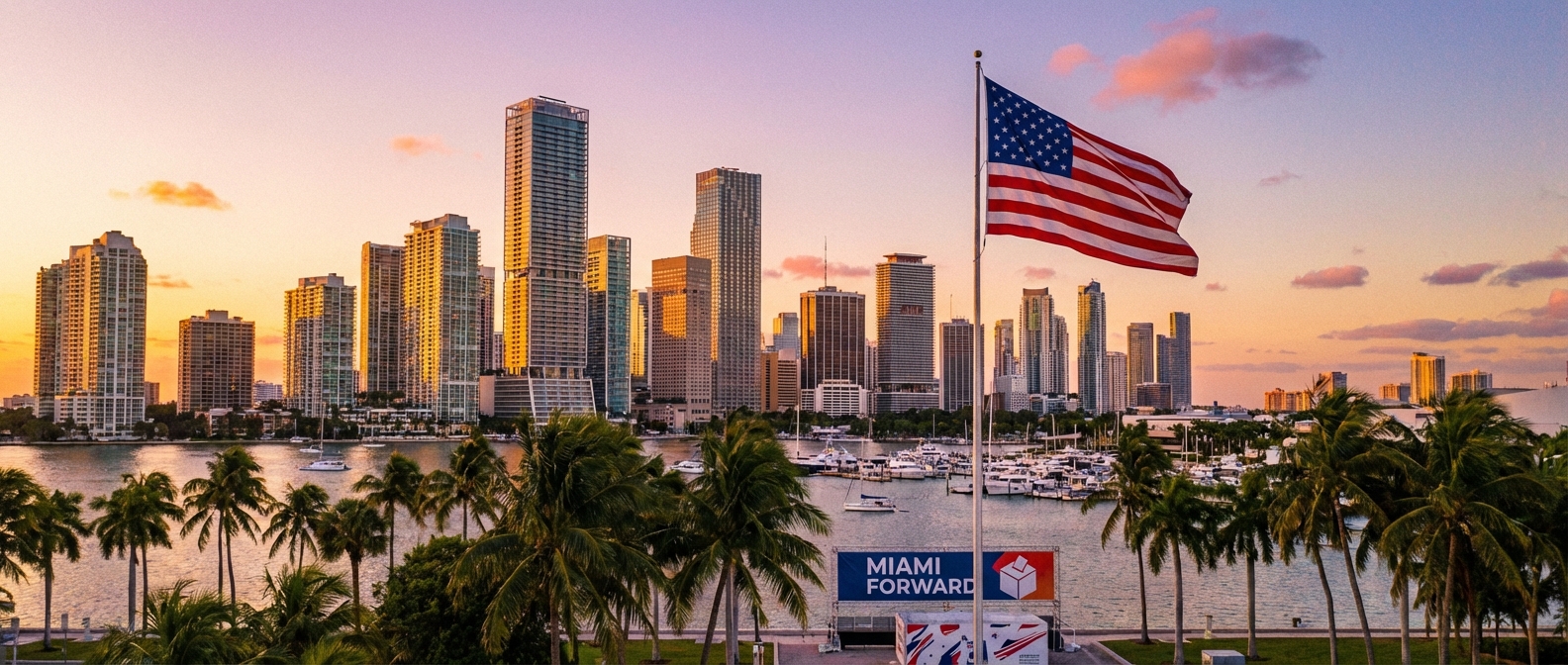
Miami residents made history this weekend, electing Eileen Higgins as the first woman to serve as mayor in the city’s 129-year history. The victory also marks the first time in nearly three decades that a Democrat has held the office, ending a Republican streak that began in 1997.
Higgins, who previously served on the Miami-Dade County Commission, won with 54% of the vote against Republican challenger Alex Diaz de la Portilla in a race that drew national attention. Her campaign focused on affordable housing, climate resilience, and reducing traffic congestion, issues that resonated with younger voters and longtime residents alike.
Why This Election Matters
Miami’s mayoral race typically flies under the national radar, but this one carried significance beyond city limits. Florida has trended increasingly Republican in recent election cycles, with the state’s GOP enjoying dominance in statewide offices. A Democratic win in the state’s second-largest city suggests that urban areas remain competitive territory, even in an otherwise red state.
The gender barrier is equally significant. Despite women holding mayoral offices in major cities across the country, from Boston to San Francisco, Miami had never elected a woman to its top position. The city joins a growing list of major metropolitan areas breaking that ceiling in recent years.

The Campaign and Key Issues
Higgins built her coalition by addressing bread-and-butter issues that cross party lines. Housing affordability topped her agenda, as Miami has experienced some of the steepest rent increases in the nation. The median rent in Miami-Dade County has risen 38% since 2020, pricing out working-class families and young professionals.
Her climate platform also distinguished her from previous mayors. Miami faces existential threats from sea-level rise, with some estimates suggesting parts of the city could experience regular flooding by 2050. Higgins proposed accelerating infrastructure investments and pursuing federal climate resilience funding more aggressively than her predecessors.
Transportation rounded out her core message. Miami’s traffic congestion consistently ranks among the worst in the United States, and Higgins campaigned on expanding public transit options and creating more pedestrian-friendly neighborhoods.
What Her Victory Signals
Political analysts are parsing what Higgins’ win means for broader trends. Some see it as evidence that Democrats can still compete in Florida when they focus on local issues rather than national partisan battles. Others view it as a one-off result driven by a particularly strong candidate against a flawed opponent.
De la Portilla faced ethics questions during the campaign stemming from his time in the state legislature, which may have dampened Republican enthusiasm. Still, Higgins outperformed recent Democratic candidates in similar races, suggesting her appeal extended beyond partisan loyalty.
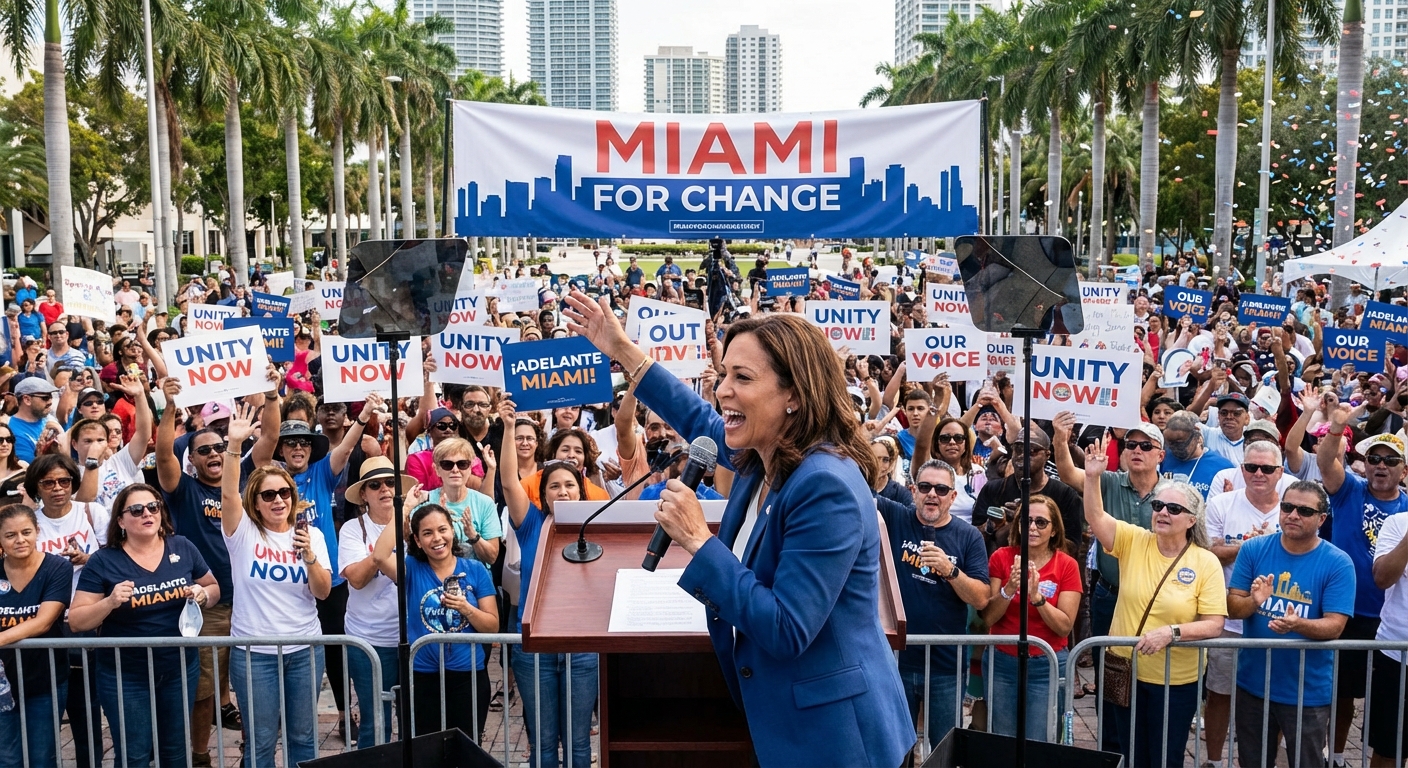
The Road Ahead
Higgins inherits a city facing significant challenges. Miami’s economy has boomed in recent years, attracting tech workers, finance professionals, and remote workers seeking lower taxes and warmer weather. That influx has strained housing supply and infrastructure while also bringing new tax revenue and investment.
Her first major test will be the city’s budget negotiations, where she’ll need to balance campaign promises against fiscal realities. She’s also pledged to work across the aisle with the county’s Republican leadership and the state government in Tallahassee, where Republicans control both chambers and the governor’s mansion.
The Bottom Line
Miami’s election of Eileen Higgins represents more than a single victory. It breaks two longstanding barriers simultaneously: the city’s all-male mayoral history and nearly three decades of Republican control. Whether this signals a broader shift in South Florida politics or remains an isolated result will become clearer in upcoming elections. For now, Miami joins the growing list of major American cities led by women, and Democrats have reason to believe Florida’s urban centers remain competitive ground.