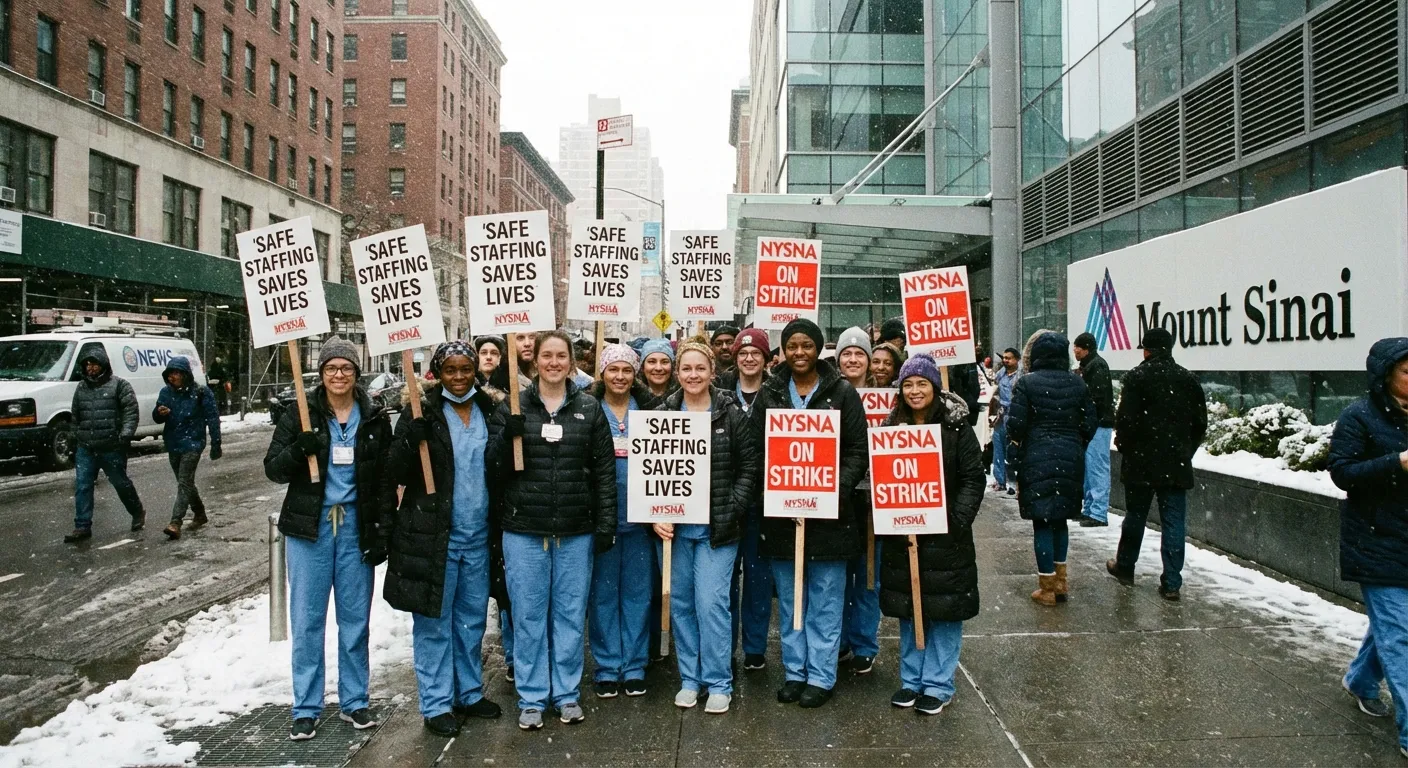
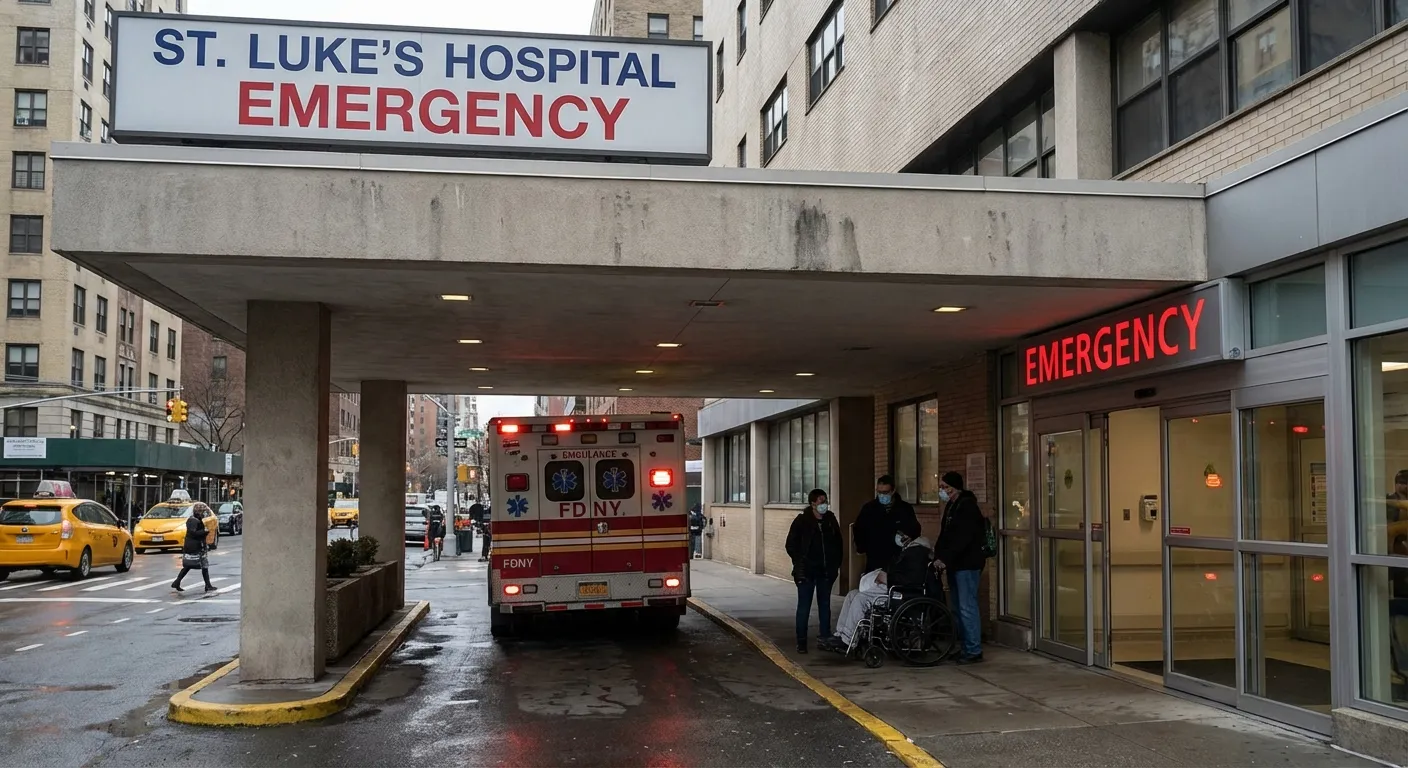
About 15,000 nurses walked off the job Monday morning at three of New York City's largest hospital systems, launching what union officials say is the biggest nursing strike in the city's history. The walkout comes during a historic flu surge and raises immediate questions about patient care at some of the region's most important medical facilities. But this strike is not simply a local labor dispute. It is the latest and most visible eruption in a post-COVID reckoning across essential services, where workers who were once called heroes are now demanding structural changes to the industries that burned them out.
Nurses at Mount Sinai Hospital (including two satellite campuses), NewYork-Presbyterian, and Montefiore Medical Center in the Bronx began their strike at 6 a.m. after contract negotiations collapsed over the weekend. NYSNA President Nancy Hagans, a registered nurse and critical care specialist, said nurses were "ready to settle fair contracts that protect New York City patients" but that management refused to budge on three core issues: staffing ratios, healthcare benefits, and workplace violence protections.
What Nurses Are Demanding
The strike centers on three primary demands, though broader issues around pay and AI also factor into the dispute. Safe staffing ratios are the most contentious point. Nurses argue that inadequate staffing forces them to care for too many patients simultaneously, compromising both patient safety and their own ability to do their jobs effectively. The union says hospitals are trying to roll back protections won in previous contracts, a move that would push nurse-to-patient ratios even further from what research supports as safe.
Healthcare benefits for nurses themselves have become a secondary sticking point. Union leadership says hospitals are proposing cuts to the health coverage nurses receive, a position that carries a bitter irony when the employer is itself a healthcare system. Workplace violence protections round out the core demands. Nurses report rising incidents of violence from patients and visitors, and want hospitals to implement stronger security measures and policies. The union also wants limitations on hospitals' use of artificial intelligence, reflecting broader labor concerns about automation in healthcare settings.
These demands look different from the usual contract negotiation wish list. In most previous nursing strikes, including the 2023 NYC walkout, wages dominated the conversation. This time, the emphasis on staffing ratios and working conditions reflects a profession that has undergone a fundamental shift in how it views the job. The pandemic did not create the staffing crisis in American nursing, but it stripped away any remaining tolerance for it.
The Hospitals' Response
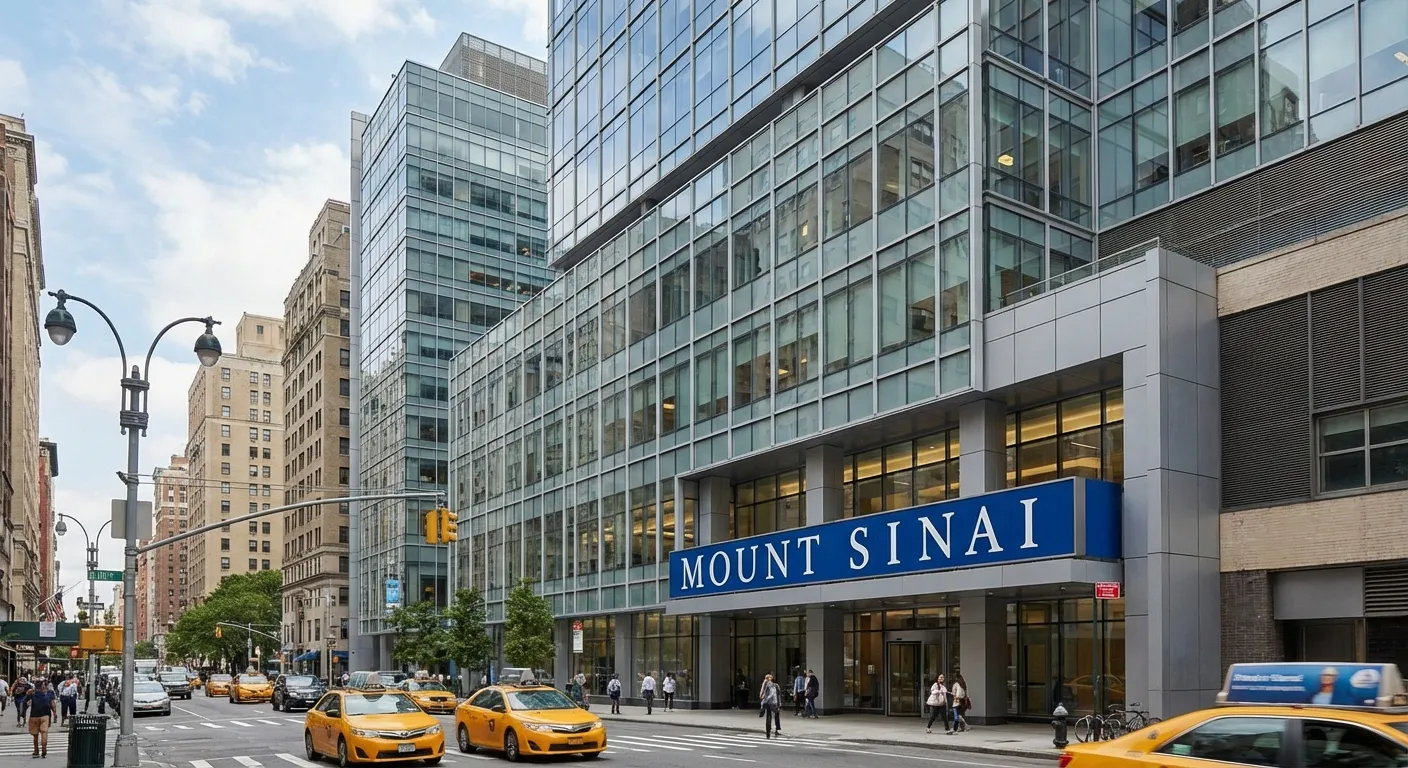
Hospital management has pushed back hard on the union's characterization of the negotiations. Montefiore called the demands "reckless and irresponsible," citing a proposed package worth "$3.6 billion, including a nearly 40% wage increase." The hospital said it is "preparing for what we anticipate could be a multi-week strike," a statement designed to signal that management will not fold under short-term pressure.
Mount Sinai announced it has "1,400 qualified and specialized nurses" ready to provide care during the walkout, presumably temporary replacement staff brought in specifically for strike coverage. The hospitals' framing is consistent: they present the financial offer as generous and cast the union's staffing demands as operationally impractical. Neither side appears close to a resolution. The contract expired December 31, and the 10-day strike notice period passed without breakthrough negotiations.
The gap between the two sides reveals a structural disagreement, not just a financial one. Hospitals view staffing flexibility as essential to managing costs and responding to fluctuating patient volumes. Nurses view mandatory ratios as a patient safety issue backed by clinical evidence. These positions are not easy to split.
The Timing and Political Pressure
The strike hits during what New York State Attorney General Letitia James called "a historic flu surge." Governor Kathy Hochul issued Executive Order No. 56, declaring a state disaster emergency in multiple counties due to severe healthcare staffing shortages. Emergency rooms across the city have been strained by seasonal illness, and the loss of 15,000 nurses compounds pressure on a system already running at capacity.
The timing appears intentional from the union's perspective. Strikes have maximum leverage when employers face the greatest operational pressure. But it also means patients seeking care this week face genuine uncertainty about staffing levels and wait times. Mayor Zohran Mamdani, who made history as the city's first progressive mayor, stood with striking nurses Monday, calling their fight "a battle for dignity, fairness and the future of the city's health care system." The political support from city hall adds pressure on hospitals, though it does not directly affect negotiations. Federal mediation could enter the picture if the strike extends and patient safety concerns escalate, but for now the political dynamics favor the nurses' public narrative.
A National Staffing Crisis With No Quick Fix
The NYC nurses' strike is dramatic, but it reflects a nationwide crisis that extends far beyond three hospital systems. The Bureau of Labor Statistics projects more than 100,000 unfilled registered nurse positions across the country, a shortage driven by an aging workforce, insufficient nursing school capacity, and a pandemic that accelerated retirements. The American Nurses Association has called the shortage a national crisis, and the numbers support that framing.
Post-COVID burnout surveys paint an even grimmer picture. Multiple workforce studies conducted between 2022 and 2025 found that 30% to 40% of nurses seriously considered leaving the profession entirely. Turnover rates at many hospitals doubled compared to pre-pandemic levels, with some facilities in rural and underserved areas seeing annual turnover exceed 30%. The nurses who stayed absorbed the workload of those who left, creating a compounding cycle: heavier patient loads lead to more burnout, which leads to more departures, which leads to heavier patient loads for the nurses who remain.
This is the context that makes the NYC strikers' focus on staffing ratios so significant. A 40% wage increase, however large it sounds in a press release, does not solve the problem if the nurses who accept it are still assigned unsafe patient loads. Money compensates for difficulty; it does not reduce it. The NYSNA's central demand is structural, not financial: change how many patients each nurse is responsible for, and make that change binding.
The California Precedent: What Staffing Ratios Actually Do
California offers the closest thing to a natural experiment on nurse-to-patient ratio mandates. The state passed mandatory staffing ratios in 2004, the first state in the country to do so, and the results have been studied extensively. Peer-reviewed research published in journals including Health Affairs and the Journal of Nursing Administration found measurable improvements: lower patient mortality, reduced rates of hospital-acquired infections, and significantly lower nurse burnout and turnover.
A 2021 study in the International Journal of Nursing Studies found that California nurses reported lower burnout scores and higher job satisfaction than nurses in comparable hospitals in states without mandated ratios. The state's nurse turnover rates have consistently run below the national average. For advocates, the evidence is straightforward: fixed ratios save lives and retain nurses.
Hospitals, however, point to real operational challenges. California's ratios are inflexible, meaning a unit must maintain the mandated ratio even during low-census periods or when patient acuity varies widely. Hospital administrators in the state have argued that the mandate increases costs without accounting for the complexity of different units and patient populations. Some smaller and rural hospitals have reported difficulty meeting the requirements, particularly during staffing shortages. The tension between clinical evidence favoring ratios and operational arguments against rigid mandates is exactly the fault line running through the NYC negotiations. NYSNA wants California-style protections. Hospital management wants the flexibility to staff according to its own assessments of need.
The Post-COVID Essential Worker Reckoning
The NYC nurses' strike fits into a pattern that extends well beyond healthcare. Since 2022, essential workers across multiple sectors have moved from pandemic-era gratitude to organized demands for structural change. Teachers in multiple states have struck or threatened strikes over class sizes, not just salaries. Transit workers in cities including New York and San Francisco have pushed for safety protections and staffing floors. Warehouse and logistics workers have organized around workload limits and scheduling predictability.
The common thread is a shift in what workers are bargaining for. Pre-COVID labor disputes in these sectors tended to center on compensation: wages, benefits, pensions. Post-COVID disputes increasingly center on working conditions and structural protections. Workers who experienced firsthand what happens when systems are understaffed, when class sizes balloon, when bus routes go unserved, when hospital floors are dangerously short on nurses, are no longer willing to accept promises of future hiring. They want binding commitments written into contracts.
This represents a different kind of labor movement from the wage-focused bargaining of previous decades. The analytical framework that best explains it is what labor economists call "structural bargaining," where workers use their leverage not just to increase their share of revenue but to change the operating model itself. The NYC nurses are not simply asking for more money to tolerate unsafe conditions. They are demanding that the conditions themselves change. That distinction matters because it is harder for management to concede: a wage increase is a line item, but a staffing mandate reshapes how a hospital operates at every level. It also explains why both sides appear dug in. The stakes of this negotiation extend far beyond this contract cycle. If the NYSNA wins binding ratios at three of New York's largest hospital systems, it establishes a precedent that other unions in other cities will immediately cite. If hospitals successfully resist, it signals that the post-pandemic window for structural change may be closing.
The Bigger Story
For patients at the affected hospitals, the immediate reality is delays and degraded service. Replacement nurses, however qualified, lack familiarity with specific facilities, electronic health record systems, and patient populations. Emergency rooms will remain open, but non-emergency procedures are likely to be postponed. Hospitals across the city not affected by the strike will see increased patient volume as people seek alternatives, meaning the strike's impact extends well beyond the three health systems directly involved.
The 2023 NYC nursing strike lasted only three days before a settlement was reached, resulting in a 19% pay increase over three years. That precedent cuts both ways. Union leadership may be counting on a similarly quick resolution, but hospital statements about preparing for "a multi-week strike" suggest management learned from 2023 that a quick concession only invites the next walkout. This time, hospitals appear determined to test whether the union can sustain a longer action, particularly during a flu season that puts public sympathy squarely on the side of getting nurses back to work.
This strike will likely end in a compromise on staffing language that gives the union something to claim as a ratio victory while giving hospitals enough flexibility to avoid a rigid California-style mandate. The pattern from similar disputes, including the 2023 NYC settlement and recent Kaiser Permanente negotiations in California, points toward "staffing committees" with nurse representation and enforceable minimum thresholds rather than fixed ratios. Based on the political dynamics (a progressive mayor publicly backing the nurses, a governor who declared a staffing emergency, and hospitals that cannot afford a prolonged shutdown during flu season), a settlement within two to four weeks is the most probable outcome.
The more consequential question is not how this particular strike ends but what it signals. The key metric to track is whether other NYSNA-represented hospitals in New York follow with their own contract demands for staffing protections, and whether nursing unions in cities like Chicago, Philadelphia, and Los Angeles use the NYC action as a catalyst for similar campaigns. The post-COVID essential worker reckoning is not a single event but a rolling series of confrontations, and the NYC nurses' strike is its highest-profile test case in healthcare. The outcome here will shape labor strategy in hospitals across the country for years.
Sources
- ABC News: Largest nursing strike in New York City history begins
- NYSNA: Hospitals force nearly 15,000 nurses out on largest strike in NYC history
- AJMC: NYC nurses strike enters day 5 amid staffing, safety, and benefit disputes
- Nurse.org: New York Governor declares disaster emergency as nurses walk out
- CBS New York: NYC nurses strike tentative deals on key issues