The Defense Department has spent more than a year testing a device that some investigators believe could finally explain Havana Syndrome, the mysterious ailments that have affected over 1,000 American diplomats, spies, and military personnel worldwide. The device, purchased for millions of dollars in an undercover operation, contains Russian components and emits pulsed radio frequency energy. Its existence is the most significant physical evidence to emerge in a nearly decade-long investigation that has divided the U.S. intelligence community and left victims fighting for recognition.
The revelation, first reported by CNN, marks a turning point in what the government officially calls "anomalous health incidents." Whether or not the device is ultimately linked to specific attacks, its acquisition signals that at least some corners of the defense establishment take the directed-energy hypothesis seriously enough to spend eight figures on potential proof.
What We Know About the Device
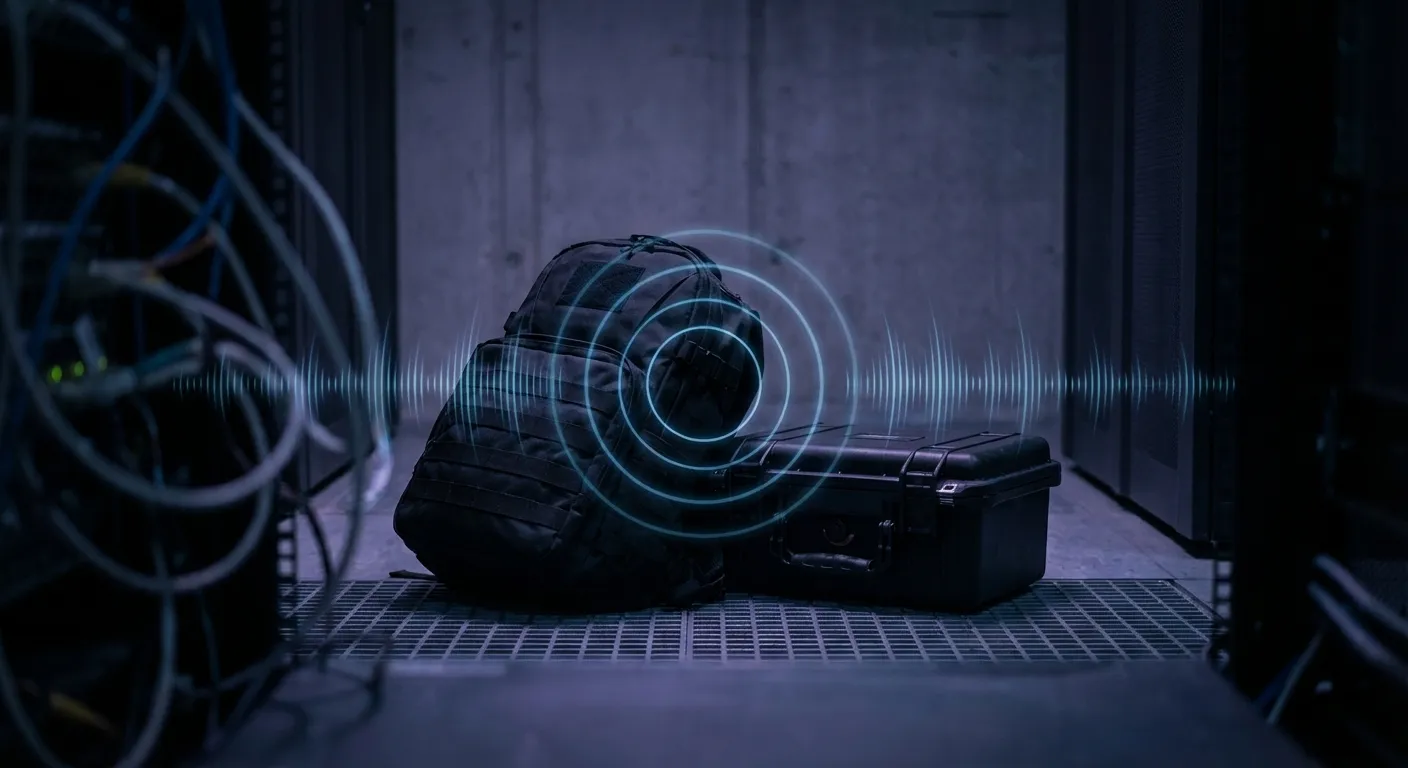
The device emits pulsed radio waves, the exact type of energy that some officials and researchers have long suspected could cause Havana Syndrome symptoms. It is portable enough to fit in a backpack, addressing one of the central mysteries: how something powerful enough to cause the reported injuries could be made small enough to deploy covertly in embassy neighborhoods, hotel rooms, and residential compounds.
Homeland Security Investigations (HSI) purchased the device in the final days of the Biden administration using Defense Department funding. Officials paid "eight figures" for it, suggesting both its perceived value and the covert circumstances of the acquisition. The purchase itself was an undercover operation, and many details about the seller and the chain of custody before acquisition remain classified.
While not entirely Russian in origin, the device contains Russian components. This detail matters because intelligence officials and journalists, particularly those involved in a joint investigation by The Insider, Der Spiegel, and CBS News's 60 Minutes, have pointed toward Russia's GRU military intelligence Unit 29155 as the most likely culprit behind Havana Syndrome incidents. Moscow has consistently denied involvement, calling the allegations baseless.
The Science of Pulsed RF Energy and Biological Tissue
Understanding why this device matters requires understanding the specific physics involved. The symptoms reported by Havana Syndrome victims (sudden onset of intense head pressure, vertigo, cognitive impairment, and measurable changes to inner ear and brain tissue) are consistent with what happens when pulsed radio frequency energy at microwave wavelengths interacts with biological tissue.
The key mechanism is known as the Frey effect, or the microwave auditory effect, first documented by neuroscientist Allan Frey in 1961. Frey demonstrated that pulsed microwave radiation (not continuous waves, but rapid on-off pulses) could produce the perception of clicking, buzzing, or hissing sounds inside a subject's head without any acoustic source. The effect occurs because each microwave pulse causes rapid thermoelastic expansion of brain tissue, generating a pressure wave that the cochlea registers as sound. At sufficient power levels, these pressure waves could plausibly cause the kind of vestibular and neurological damage that victims have reported.
The critical distinction in the scientific literature is between thermal and non-thermal mechanisms. Continuous microwave exposure at high power levels cooks tissue, a thermal effect everyone understands. But pulsed RF energy operates differently. The 2020 National Academies of Sciences report, led by David Relman, a professor of medicine and microbiology at Stanford University, specifically noted that "directed, pulsed radiofrequency energy" was the "most plausible mechanism" for the reported symptoms. Relman's panel found "clear evidence of an injury to the auditory and vestibular system of the brain." The pulsed delivery method means that peak power during each pulse can be extremely high even if the average power remains low, creating mechanical effects in tissue (pressure waves, cellular disruption) that continuous exposure at the same average power would not produce.
Soviet and Russian military research programs explored weaponized microwave energy throughout the Cold War and beyond. Declassified documents show that the Soviet Union invested in directed-energy research for decades, and former Soviet bloc scientists published extensively on the biological effects of pulsed microwaves. The existence of a portable device using Russian components and emitting pulsed RF energy fits squarely within this research lineage.
Why the Intelligence Community Has Been Split
The gap between the 2020 National Academies assessment and the 2023 intelligence community finding that it could not link cases to a foreign adversary is not simply a matter of incomplete evidence. It reflects fundamentally different evidentiary standards, institutional incentives, and analytical cultures across agencies.
The 2023 IC assessment was produced primarily by the CIA and ODNI, agencies that had organizational reasons to resist the weapon hypothesis. Acknowledging that a foreign adversary had successfully attacked American personnel on multiple continents, including inside U.S. government facilities, would raise uncomfortable questions about security failures. It would also create pressure for a geopolitical response to Russia at a time when the U.S. was already managing the war in Ukraine. Five of the seven agencies that participated assessed it was "very unlikely" that a foreign adversary was responsible, but two agencies, reportedly including the FBI, reached a different conclusion. The FBI's investigators, who spent years working directly with victims and analyzing physical evidence, operated under law enforcement evidentiary standards that are different from, but not lower than, intelligence analytical standards.
The National Academies panel, by contrast, applied biomedical and physics standards of evidence. Their 2020 report did not need to attribute the injuries to a specific actor. They simply needed to determine what physical mechanism could explain the documented symptoms, and they concluded that pulsed RF energy was the most plausible candidate. That finding was never retracted or contradicted by the 2023 IC assessment, which focused on attribution rather than mechanism.
Lt. Col. Greg Edgreen, a retired Army officer who led the Pentagon's investigation into the incidents, has said publicly that he is confident Russia was behind the attacks and believes radio frequency energy in the microwave range was the mechanism. Mark Lenzi, a former State Department official who experienced symptoms in Guangzhou, China, and Mark Polymeropoulos, a former CIA officer who experienced symptoms in Moscow, have both described the institutional resistance they encountered when pushing for answers. The result has been a situation where different parts of the government reached different conclusions based on different analytical frameworks, and victims were caught in between.
What Victims Have Been Saying for Years
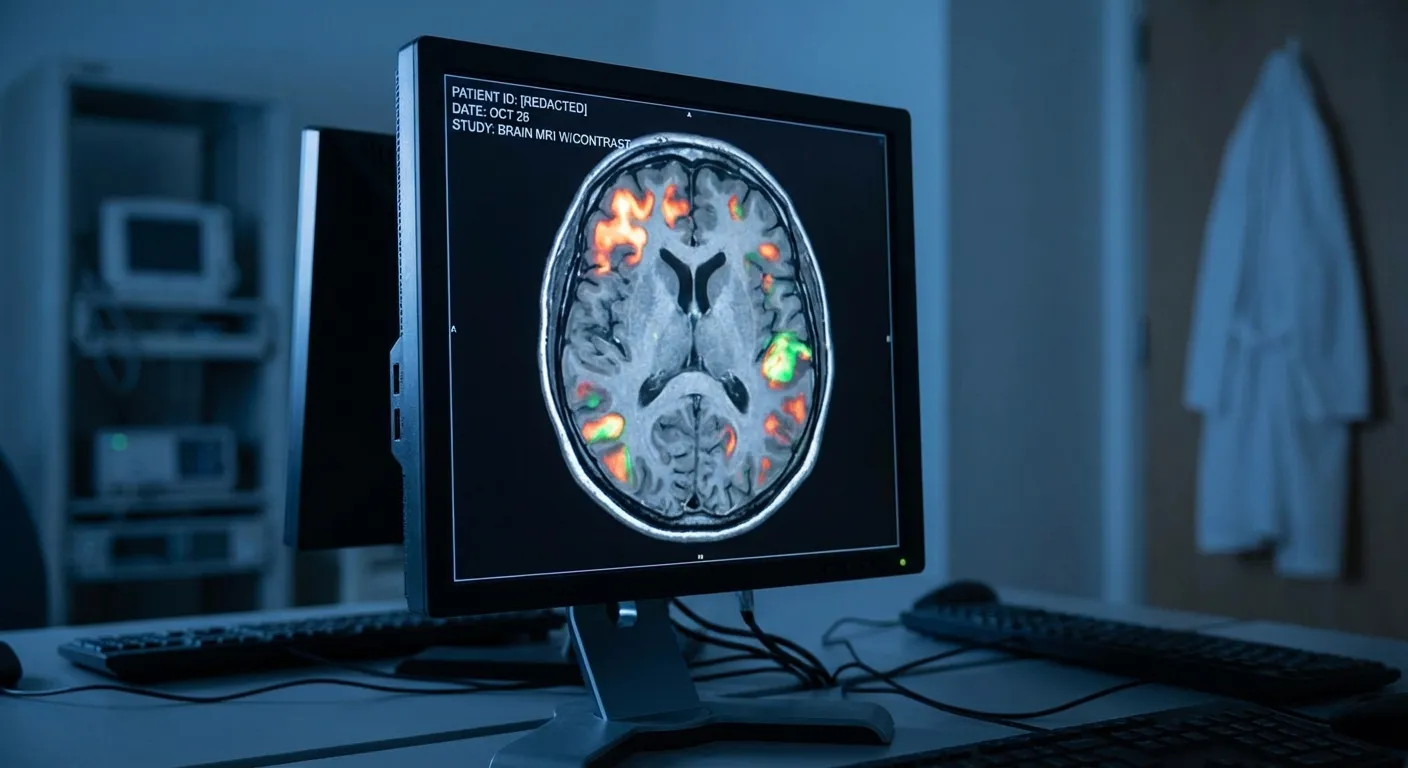
For the more than 1,000 people who believe they were targeted by some kind of weapon, the device's acquisition feels like vindication after years of being dismissed. Many victims have reported debilitating symptoms including severe headaches, vertigo, cognitive difficulties, and effects consistent with traumatic brain injury despite no visible impact injuries. Some have been forced into early retirement. Others have struggled to get adequate medical care or disability recognition from the very government they served.
These victims have long maintained that classified intelligence exists definitively linking Russia to their injuries. The HAVANA Act, signed into law in 2021, authorized financial support for affected personnel, but many victims have reported that accessing those benefits has been bureaucratically difficult. The 2023 IC assessment, by publicly downplaying the foreign adversary theory, made their situation worse: it gave agencies and insurance systems a rationale for denying claims.
The device's purchase suggests that at least some investigators never accepted the 2023 assessment as the final word. Spending eight figures on a single piece of potential evidence is not the action of an agency that believes the matter is settled. Whether testing ultimately supports or undermines the directed-energy theory depends on results that have not been disclosed, but the investment itself tells a story about continued belief in the weapon hypothesis within parts of the defense establishment.
The Pattern of Delayed Recognition: From Gulf War Syndrome to Agent Orange
The Havana Syndrome investigation fits a pattern that has repeated across decades of American military and intelligence history: initial reports of unexplained symptoms, institutional skepticism, years or decades of denial, and eventual recognition once physical evidence becomes undeniable. Understanding this pattern is essential for assessing where the Havana Syndrome case is likely headed.
Gulf War Syndrome is the most instructive parallel. Returning veterans from the 1991 Gulf War reported clusters of symptoms including chronic fatigue, cognitive dysfunction, and neurological problems. For years, the Department of Defense and the VA attributed these complaints to stress, pre-existing conditions, or psychological factors. A 2008 report by the Research Advisory Committee on Gulf War Veterans' Illnesses, nearly two decades after the war, finally concluded that Gulf War illness was a distinct physical condition likely caused by exposure to pesticides and the nerve agent prophylactic drug pyridostigmine bromide. The pattern from initial reports to official recognition took 17 years.
Agent Orange followed an even longer arc. Veterans of the Vietnam War reported health effects from herbicide exposure starting in the 1960s and 1970s. The VA and the Department of Defense denied a causal link for decades. It was not until the National Academy of Sciences conducted a series of reviews starting in 1994 that specific conditions (including several cancers, Type 2 diabetes, and Parkinson's disease) were officially associated with Agent Orange exposure. Some conditions were not added to the presumptive list until the 2020s, more than 50 years after initial exposure.
In both cases, the pattern was the same. Service members reported real symptoms. Institutional actors with organizational incentives to minimize the problem pushed back. Physical evidence and independent scientific review eventually overcame institutional resistance, but only after years of suffering by affected personnel. The Havana Syndrome timeline, now approaching a decade since the first Havana cases in late 2016, fits comfortably within the early-to-middle stages of this pattern. The acquisition of a physical device for testing is analogous to the moment in the Gulf War Syndrome investigation when specific chemical exposures were finally studied systematically, rather than being dismissed as psychosomatic.
The key difference with Havana Syndrome is the geopolitical dimension. Gulf War Syndrome and Agent Orange were, ultimately, cases of the U.S. government acknowledging harm caused by its own operations or those of its contractors. Havana Syndrome, if attributed to Russia, would constitute an acknowledged act of aggression by a foreign power against American personnel. The stakes of official recognition are therefore higher, which helps explain why institutional resistance has been stronger and the evidentiary bar has been set higher than in previous cases.
What This Changes
If the device proves capable of producing the symptoms victims describe, it would confirm that a portable directed-energy weapon exists, that it uses technology consistent with decades of Russian research, and that the physical mechanism identified by the National Academies panel in 2020 was correct. That combination would make the circumstantial case against Russia substantially stronger, even if the device alone cannot prove who deployed it in specific incidents.
If testing shows the device cannot cause such injuries, the mystery does not disappear. It would simply narrow the range of plausible mechanisms and force investigators to look elsewhere for explanations of what are, by all medical accounts, real injuries with measurable neurological correlates. The revelation also comes as breakthroughs in other areas of science, including gene activation without cutting DNA, continue to reshape what was once considered impossible.
Several lawmakers have pressed for more transparency about Havana Syndrome investigations, and the device's existence is likely to prompt new congressional oversight efforts. The bipartisan support for the HAVANA Act in 2021 suggests that political will exists to pursue answers, even when the intelligence community's own assessments have been cautious.
The Concrete Stakes Ahead
The Pentagon has not announced any timeline for completing its testing or releasing findings. Given that the device was acquired in late 2024 and testing has continued for over a year, preliminary conclusions likely already exist within classified channels. The key indicator to track is whether the Department of Defense requests additional funding for directed-energy threat research in its next budget cycle, which would signal that testing validated the device's capabilities.
Based on the historical pattern of delayed recognition, the most probable trajectory is that the device will be found capable of producing at least some of the reported symptoms, that this finding will be initially classified, and that public acknowledgment will lag behind the internal conclusion by one to three years. For over 1,000 victims, the wait has already stretched nearly a decade. The device under testing at the Pentagon may not answer every question, but it represents the first time investigators have had a physical artifact to study rather than relying solely on victim testimony, medical scans, and circumstantial intelligence. That shift from testimony to physical evidence is, historically, the inflection point at which institutional resistance begins to break down.
Sources
- CNN: Pentagon bought device through undercover operation linked to Havana Syndrome
- Scientific American: Pentagon Reportedly Testing Radio Wave Device Linked to Havana Syndrome
- CBS News: Device that may be tied to Havana Syndrome obtained by U.S. government
- Newsweek: Havana Syndrome device could finally solve mystery
- Axios: Havana Syndrome mystery takes unusual turn