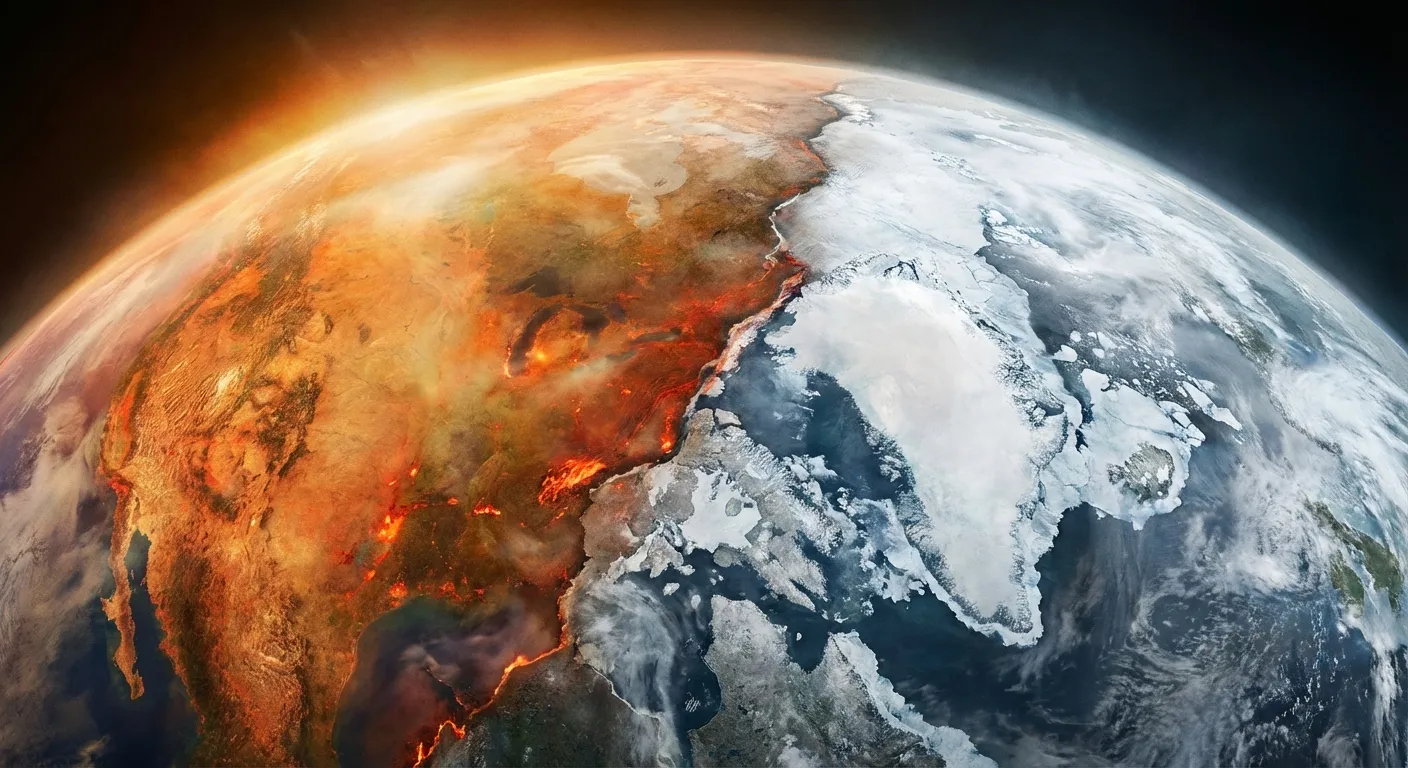
A study published this week in Science presents a finding that sounds paradoxical until you understand the mechanism: global warming, given enough geological time, can trigger its own reversal and push Earth into an ice age. Researchers at the University of California, Riverside identified a previously overlooked feedback loop in the planet's carbon cycle involving ocean plankton, low-oxygen deep water, and carbon burial in marine sediments. The process operates over tens of thousands to millions of years, placing it well outside the timescale of current climate policy, but it offers a potential explanation for some of the most dramatic and mysterious climate swings in Earth's 4.5-billion-year history.
The study's lead author, Andy Ridgwell, a professor of Earth and planetary sciences at UC Riverside, told Nature News that the team "stumbled onto this mechanism while trying to model why certain ancient ice ages appear so abruptly in the geological record. The answer, it turns out, may be that warming itself set the stage." The research has drawn immediate attention from paleoclimate scientists and cautious interest from climate modelers working on longer-term projections.
The Mechanism: How Warming Triggers Cooling
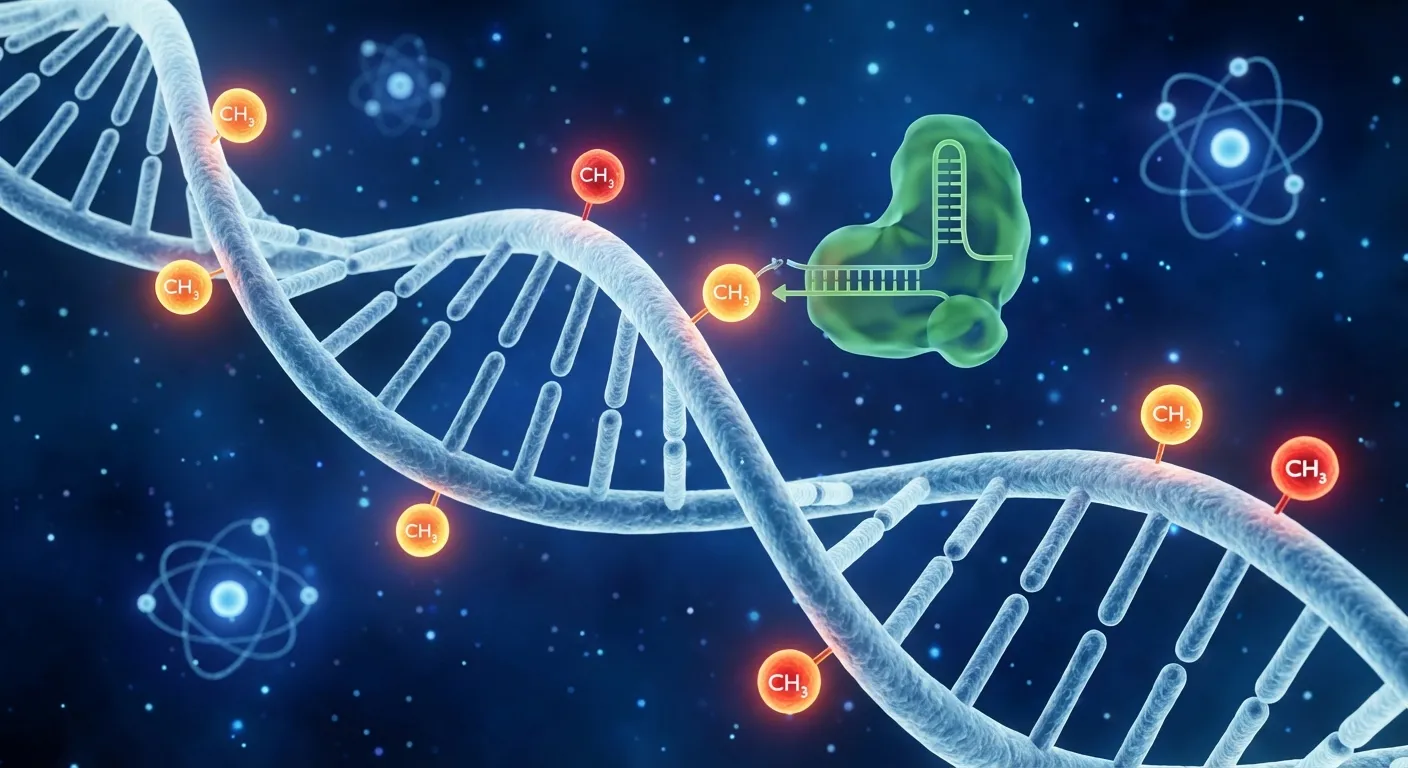
The feedback loop begins with something familiar: warmer temperatures increase the weathering of continental rock, which sends nutrients, particularly phosphorus and iron, into the oceans via river runoff. Those nutrients fuel massive blooms of phytoplankton, the microscopic organisms that form the base of the marine food web and are responsible for roughly half of all photosynthesis on Earth.
When phytoplankton die, their organic matter sinks. Under normal ocean conditions, much of this material decomposes on the way down, releasing carbon back into the water and eventually the atmosphere. But warming also disrupts ocean circulation patterns in ways that expand oxygen-depleted zones in deep water. In these low-oxygen environments, decomposition slows dramatically, and organic carbon reaches the seafloor intact, where it becomes buried in sediment and effectively removed from the carbon cycle for geological timescales.
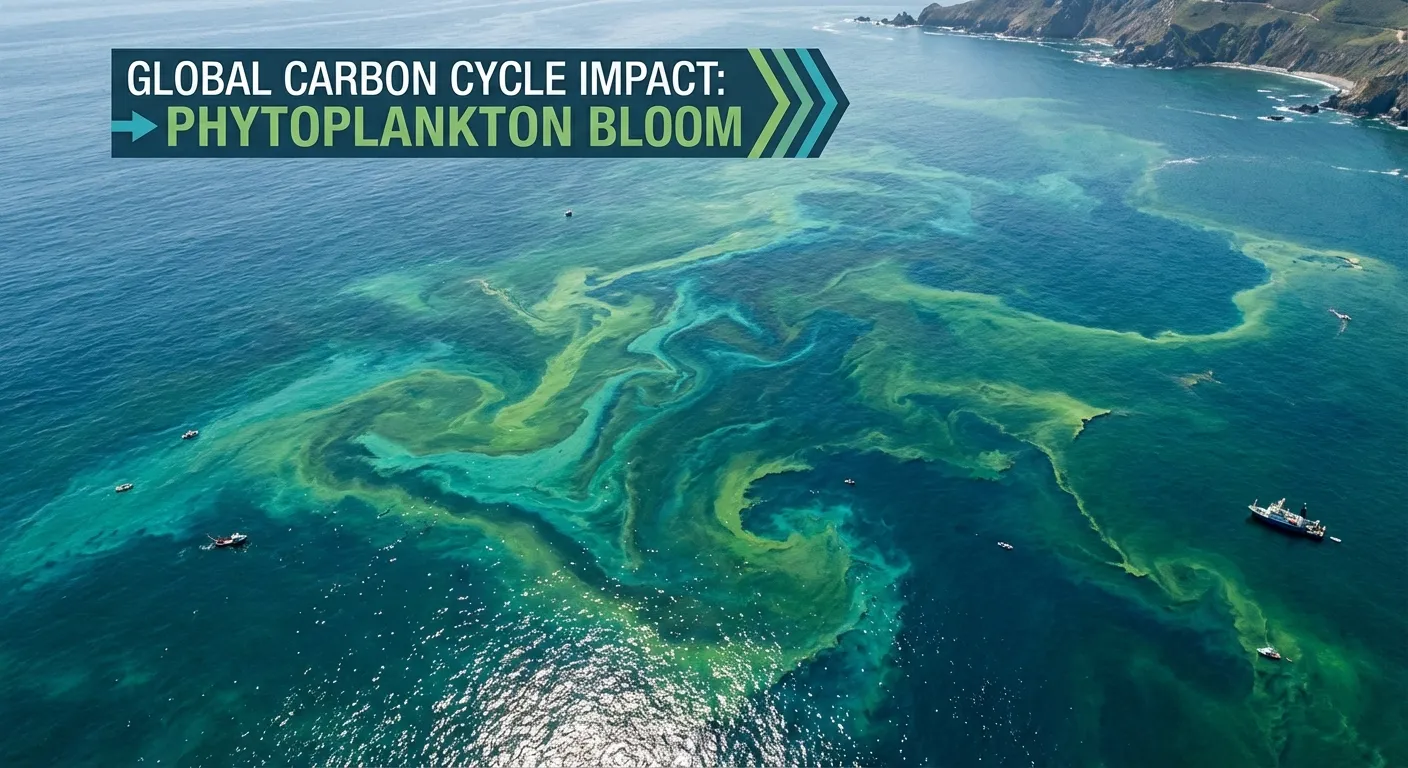
The critical insight from the UC Riverside team is that this process can become self-reinforcing under the right conditions. More warming drives more nutrient runoff, which drives more plankton growth, which drives more carbon burial, which reduces atmospheric CO2, which causes cooling. If the process crosses a tipping point where carbon burial outpaces volcanic and other natural CO2 sources, the cooling accelerates. The researchers' model showed that under certain geological configurations, this feedback could reduce atmospheric CO2 from levels comparable to today's down to ice-age concentrations in as little as 200,000 years, a geological eyeblink.
What the Geological Record Shows
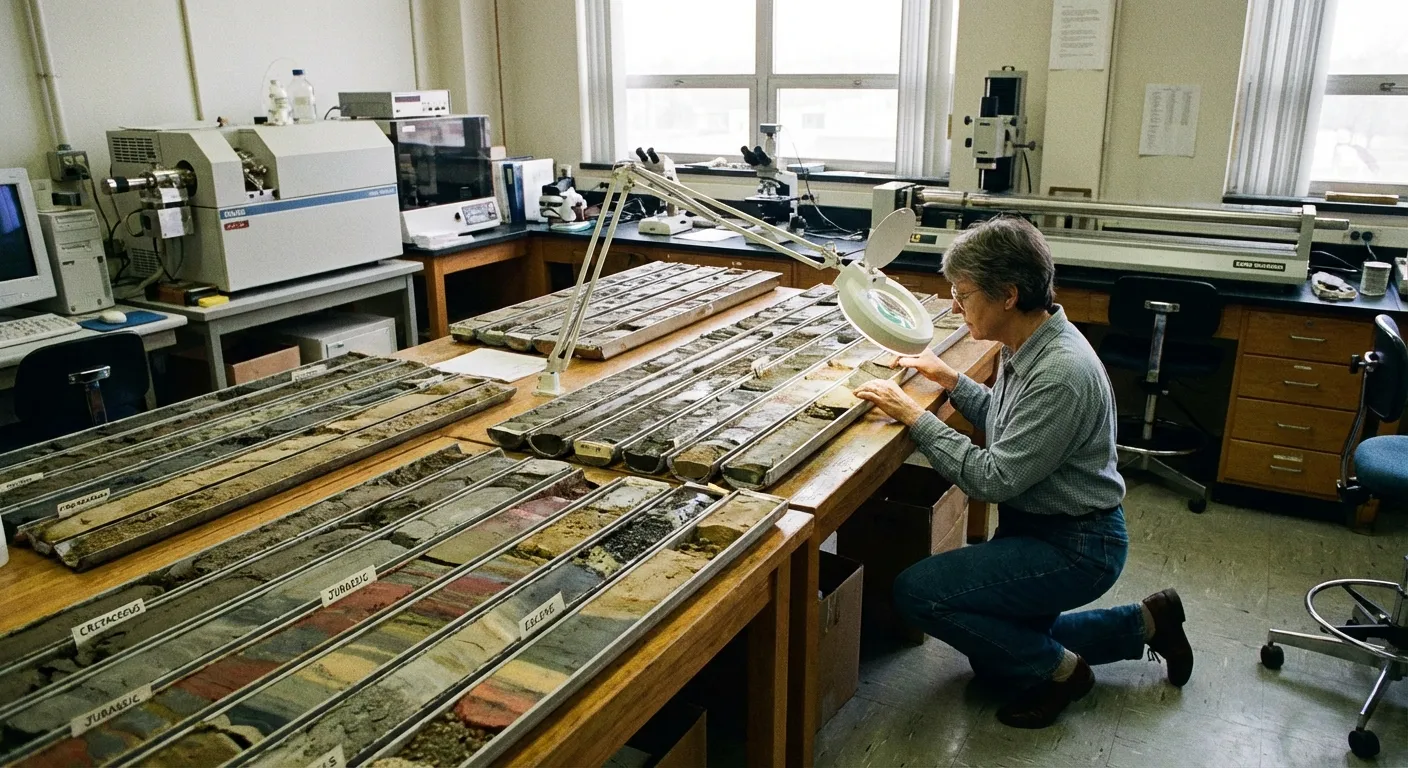
The model's predictions align with several documented events in Earth's history that have puzzled scientists for decades. The late Ordovician glaciation, approximately 445 million years ago, has been particularly difficult to explain because it occurred during a period of relatively high atmospheric CO2. Previous theories invoked massive volcanic activity or asteroid impacts, neither of which is well-supported by evidence. The plankton-carbon feedback offers a mechanism that fits the available data more cleanly.
The model also provides a potential explanation for the "Snowball Earth" events of the Neoproterozoic era. At least two major glaciations occurred between roughly 720 and 635 million years ago: the Sturtian, which lasted approximately 57 million years, and the Marinoan, which persisted for around 15 million years. During both episodes, ice sheets extended to the equator, and they ended only when volcanic CO2 accumulated in the atmosphere over millions of years without being drawn down by weathering on ice-covered continents. Those events required something to strip CO2 from the atmosphere at an unprecedented rate, and the researchers argue that an extreme version of the plankton feedback, operating under the very different continental configurations and ocean chemistries of that era, could account for the magnitude of cooling observed.
Gavin Schmidt, director of NASA's Goddard Institute for Space Studies and one of the world's leading climate modelers, called the study "a genuinely novel contribution to our understanding of long-term carbon cycle dynamics" while emphasizing that "the timescales involved are entirely disconnected from anything relevant to contemporary climate policy."
What This Does Not Mean
The researchers were emphatic about the boundaries of their finding. The feedback mechanism they describe requires geological time to operate. It cannot offset, slow, or reverse the warming caused by fossil fuel emissions on any timescale meaningful to human civilization. Current warming driven by greenhouse gas emissions presents immediate challenges including rising seas, extreme weather, ecosystem disruption, and agricultural stress that demand immediate policy responses.
Ridgwell himself addressed this point directly in a companion piece published alongside the study: "I want to be absolutely clear that this research provides zero comfort to anyone arguing against climate action. The mechanism we describe operates over a minimum of hundreds of thousands of years. We are changing Earth's atmosphere over decades. The mismatch in timescales means these are fundamentally different conversations."
The concern, shared by several climate communication researchers, is that the study's counterintuitive headline, warming causing cooling, could be misinterpreted or weaponized by those who oppose emissions reduction policies. Susan Joy Hassol, director of the climate communication nonprofit Climate Communication, noted that "any study involving ice ages and warming in the same sentence will be taken out of context. The scientific community needs to be proactive about explaining what this research does and does not imply."
What This Changes
The UC Riverside study represents a meaningful advance in Earth system science by identifying a feedback mechanism that improves our ability to model the planet's deep climate history. It explains events that previous models could not and adds a new variable to long-term carbon cycle modeling. For paleoclimate researchers, the work opens new lines of investigation into how biological, chemical, and physical processes interact to drive the dramatic climate oscillations preserved in the geological record. For the present moment, the implications are scientific rather than political: we are still warming, the consequences of that warming remain urgent, and no natural feedback operating on geological timescales will arrive in time to change that reality. What the study does change is our understanding of what Earth's climate is capable of, and how the same processes that warm the planet can, given enough time, push it in the opposite direction.
Sources
- Instability in the geological regulation of Earth's climate - Science, September 2025
- Carbon cycle flaw can plunge Earth into an ice age - UC Riverside News, September 2025
- Global warming could trigger the next ice age - ScienceDaily, December 2025
- Carbon Cycle Flaw Could Plunge Earth Into An Ice Age - Technology Networks, September 2025
- How global warming today could trigger a future ice age - Earth.com, 2025