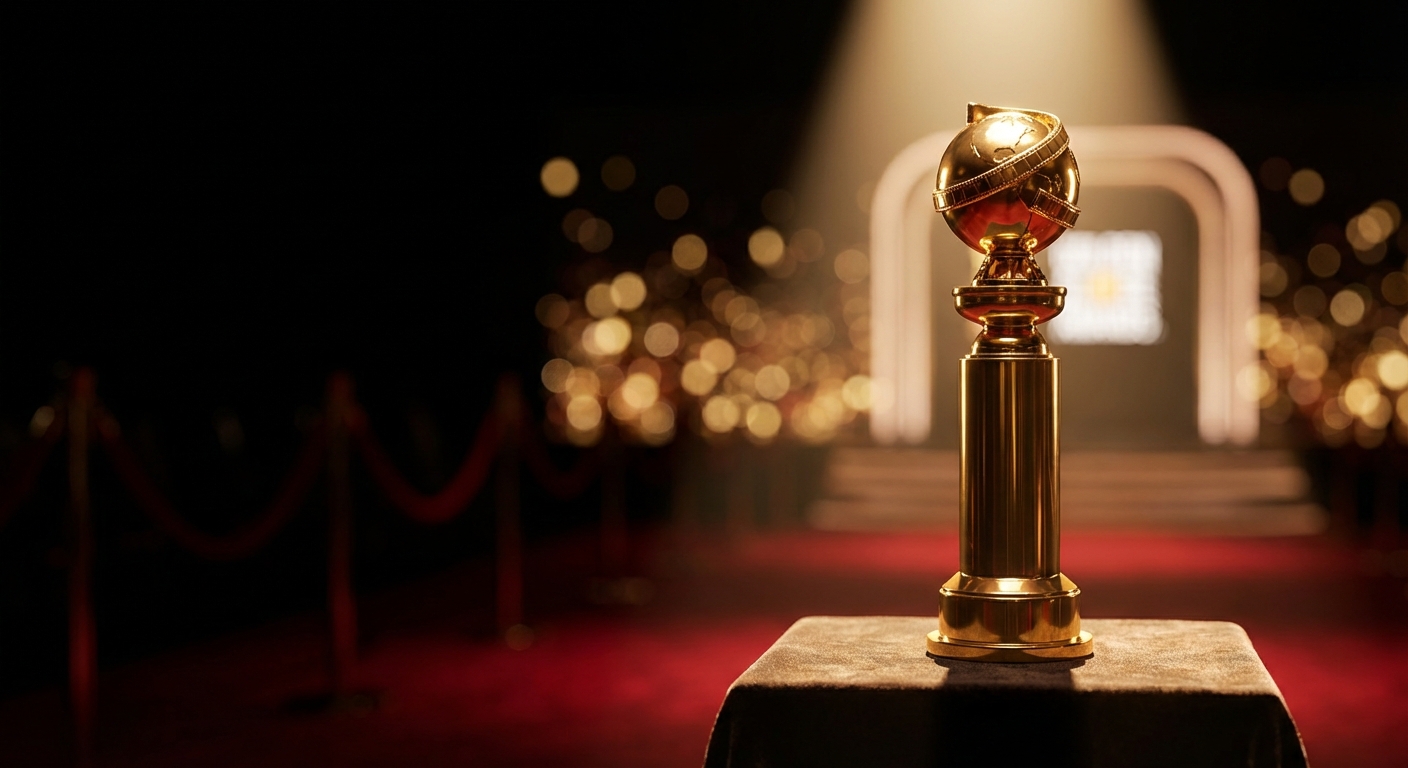
The 83rd Golden Globe Awards wrapped up last night in Beverly Hills, and two projects emerged as the clear frontrunners heading into Oscar season. Netflix’s “Adolescence” swept the television categories with four wins, while Paul Thomas Anderson’s “One Battle After Another” matched that total in film, including the coveted Best Motion Picture (Musical or Comedy).
Host Nikki Glaser returned for her second consecutive year, opening with the kind of sharp celebrity roasts that made her debut memorable. She didn’t spare Leonardo DiCaprio’s dating history or CBS News’ controversial hire of Bari Weiss as editor-in-chief, setting the tone for a ceremony that balanced Hollywood glamour with pointed commentary.
Beyond the headline winners, the night featured historic firsts, emotional speeches, and some surprising snubs that have already sparked debate about what the Academy might do differently next month.
The Big Winners
Paul Thomas Anderson continued his remarkable career run with “One Battle After Another,” which earned four Golden Globes including Best Director and Best Screenplay alongside the top comedy/musical prize. The film, a sprawling story that defies easy categorization, was Anderson’s most commercially successful work to date, and last night’s haul suggests Oscar voters may finally reward him with the Best Picture trophy that has eluded him.
On the drama side, “Hamnet” took home the top prize, with Jessie Buckley winning Best Actress for her portrayal of Anne Hathaway, Shakespeare’s wife. The film, based on Maggie O’Farrell’s novel about the death of Shakespeare’s son, brought Buckley her first major awards recognition after years of acclaimed supporting work.

Timothée Chalamet added to his growing collection of awards hardware with Best Actor in a Musical or Comedy for “Marty Supreme,” while Wagner Moura took Best Actor in a Drama for the Brazilian thriller “The Secret Agent.” Rose Byrne’s win for “If I Had Legs I’d Kick You” was celebrated as overdue recognition for an actress who has excelled in comedy for years without major awards attention.
In television, “Adolescence” dominated the limited series categories. The British drama about a family grappling with tragedy earned wins for Best Limited Series, Best Actor (Stephen Graham), Best Supporting Actor (Owen Cooper), and Best Supporting Actress (Erin Doherty). The sweep positions Netflix strongly heading into Emmy season.
Noah Wyle won Best Actor in a Drama Series for “The Pitt,” his return to medical drama television. But the most emotional win of the night may have been Rhea Seehorn’s victory for “Pluribus,” the role that showrunner Vince Gilligan wrote specifically for her after her acclaimed work on “Better Call Saul.”
History Made
The ceremony featured several firsts worth noting. The Golden Globes handed out their inaugural Best Podcast award, which went to “Good Hang with Amy Poehler.” The new category reflects how dramatically the entertainment landscape has shifted, with audio content now competing for the same audience attention as traditional film and television.
K-pop made significant inroads as well, with artists earning nominations in three of the four major Grammy categories for the first time. While the Grammys and Golden Globes are separate organizations, the crossover attention signals how global pop culture has become.
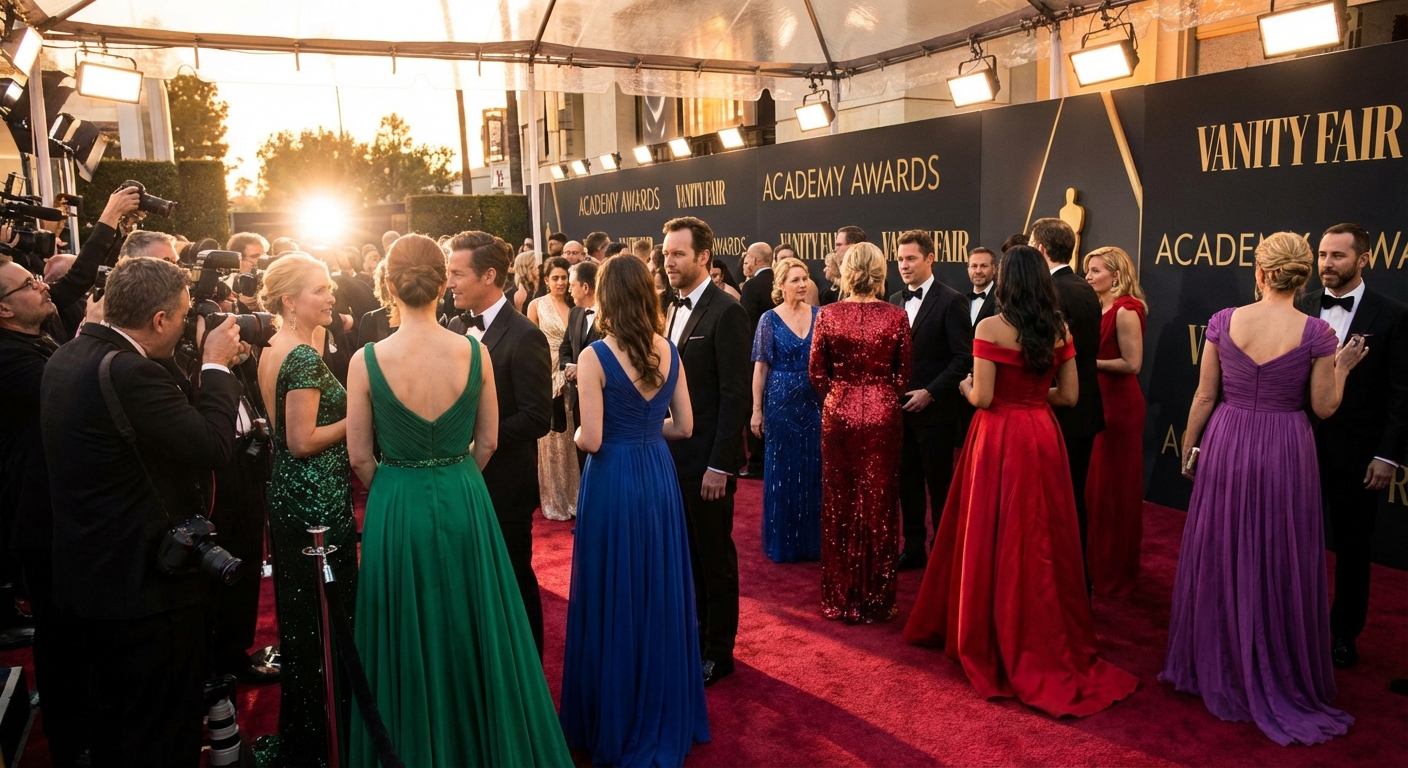
The ceremony also saw Helen Mirren receive the Cecil B. DeMille Award and Sarah Jessica Parker accept the Carol Burnett Award at a new pre-show event called Golden Eve, which aired on CBS. The separation of lifetime achievement honors from the main broadcast has been controversial, but it did allow the primary ceremony to focus entirely on competitive awards.
The Political Undercurrent
Awards shows have always been political, but this year’s ceremony carried an unusual weight. Several attendees wore anti-ICE pins in tribute to Renee Good, the woman shot and killed by an Immigration and Customs Enforcement officer in Minneapolis last week. The pins sparked immediate social media debate about whether awards shows are appropriate venues for political statements.
Nikki Glaser addressed the tension directly in her monologue, joking that Hollywood was “the only industry where you can make millions pretending to be poor people and then lecture actual poor people about their choices.” The line got laughs, but it also acknowledged the awkwardness of wealthy celebrities taking political stances at an event primarily designed to celebrate their own work.
The Washington National Opera’s decision to stop performing at the Kennedy Center since Trump took over last year also came up, reflecting how cultural institutions are navigating a polarized environment. Awards shows have always been a barometer of Hollywood’s political temperature, and right now that temperature is running hot.
What It Means for Oscar Season
The Golden Globes have an inconsistent track record predicting Oscar winners, but they do shape narratives heading into the final stretch of awards season. “One Battle After Another” and “Hamnet” will enter the race with significant momentum, though they’ll face competition from films that weren’t eligible for Globes consideration.
Paul Thomas Anderson has never won an Academy Award despite eight nominations, making him one of the most decorated filmmakers without Oscar gold. Last night’s sweep suggests this might finally be his year, though the Academy has surprised before.
For television, “Adolescence” looks like the presumptive Emmy frontrunner in limited series, though that race is months away. The show’s dominance was so complete that competitors may struggle to build counter-narratives.
The Bottom Line
The 2026 Golden Globes delivered clear winners and set the stage for an interesting Oscar race. “One Battle After Another” and “Adolescence” emerged as the night’s dominant forces, while individual wins for Buckley, Chalamet, and Seehorn highlighted performances that deserve the attention they’ll now receive.
The ceremony also showed that Hollywood remains deeply engaged with political and social issues, sometimes awkwardly, sometimes effectively. Whether that engagement helps or hurts the industry’s relationship with audiences remains an open question.
Next up: the Screen Actors Guild Awards on February 22, followed by the Academy Awards on March 1. If last night is any indication, it’s going to be a competitive finish.