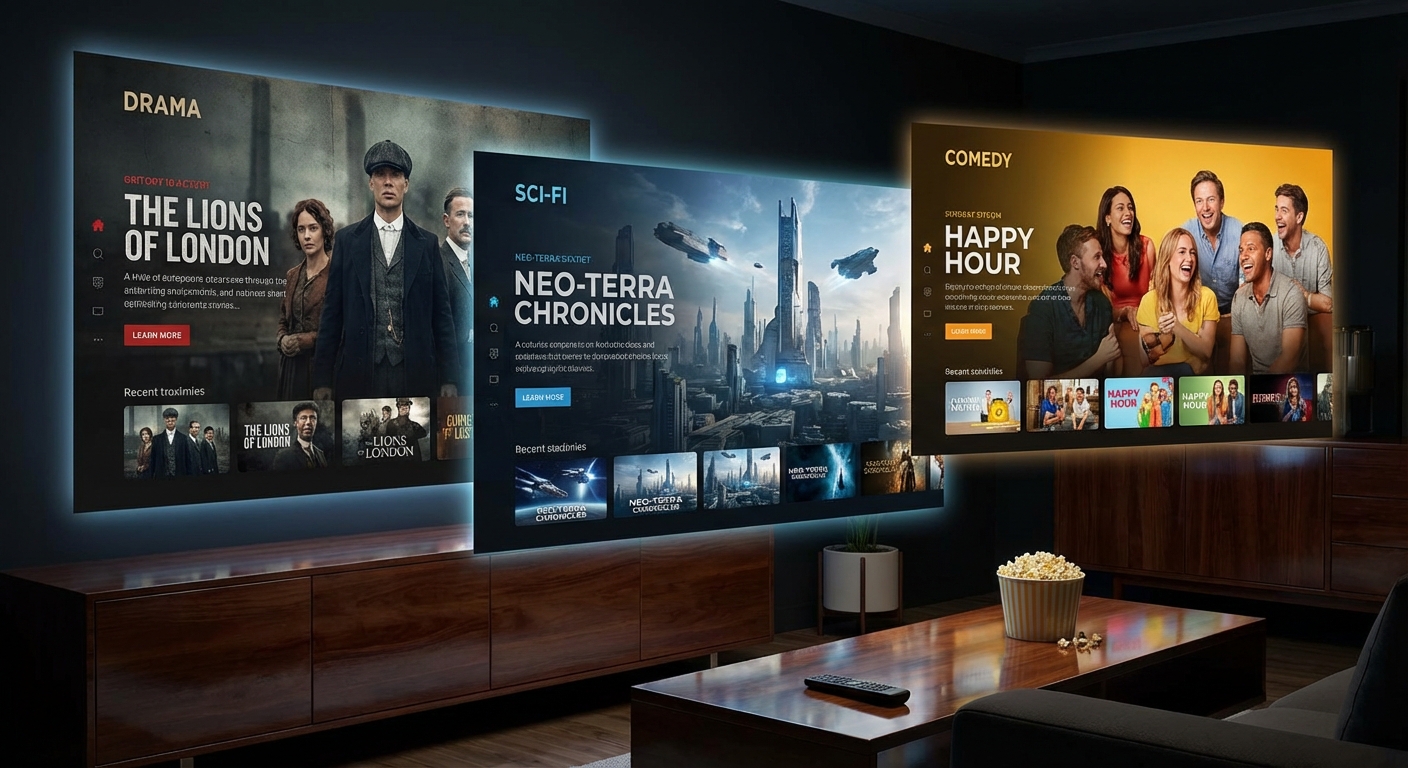
The entertainment industry enters 2026 in a state of transition that would have seemed impossible five years ago. The streaming wars have entered a new phase of consolidation. The aftershocks of the 2023 writers’ and actors’ strikes continue to reshape production timelines. And studios are recalibrating their content strategies in response to both political shifts and audience fatigue with franchise dominance. Yet amid this uncertainty, 2026 promises one of the most interesting years for television and film in recent memory, with beloved revivals, ambitious new projects, and a genuine question about whether original storytelling can reclaim cultural space from the superhero industrial complex.
The bigger picture is that entertainment has become fragmented in ways that challenge the very idea of shared cultural moments. When everyone watches different shows on different platforms at different times, the water-cooler conversation dies. But 2026 may test that assumption, with several projects designed specifically to become cultural events rather than merely content. The industry is betting that audiences still want appointment viewing, even if the appointment is with their streaming queue rather than a broadcast schedule.
The Revivals Taking Over
The most striking trend of 2026 is the sheer volume of returning favorites. Three beloved comedies not seen in more than a decade are all returning this year: “The Comeback,” Lisa Kudrow’s criminally underrated HBO comedy about a former sitcom star clawing her way back to relevance; “Malcolm in the Middle,” which ran for seven seasons before ending in 2006; and “Scrubs,” the medical comedy that concluded its original run in 2010. These aren’t reboots with new casts but actual continuations, picking up where the original stories left off.
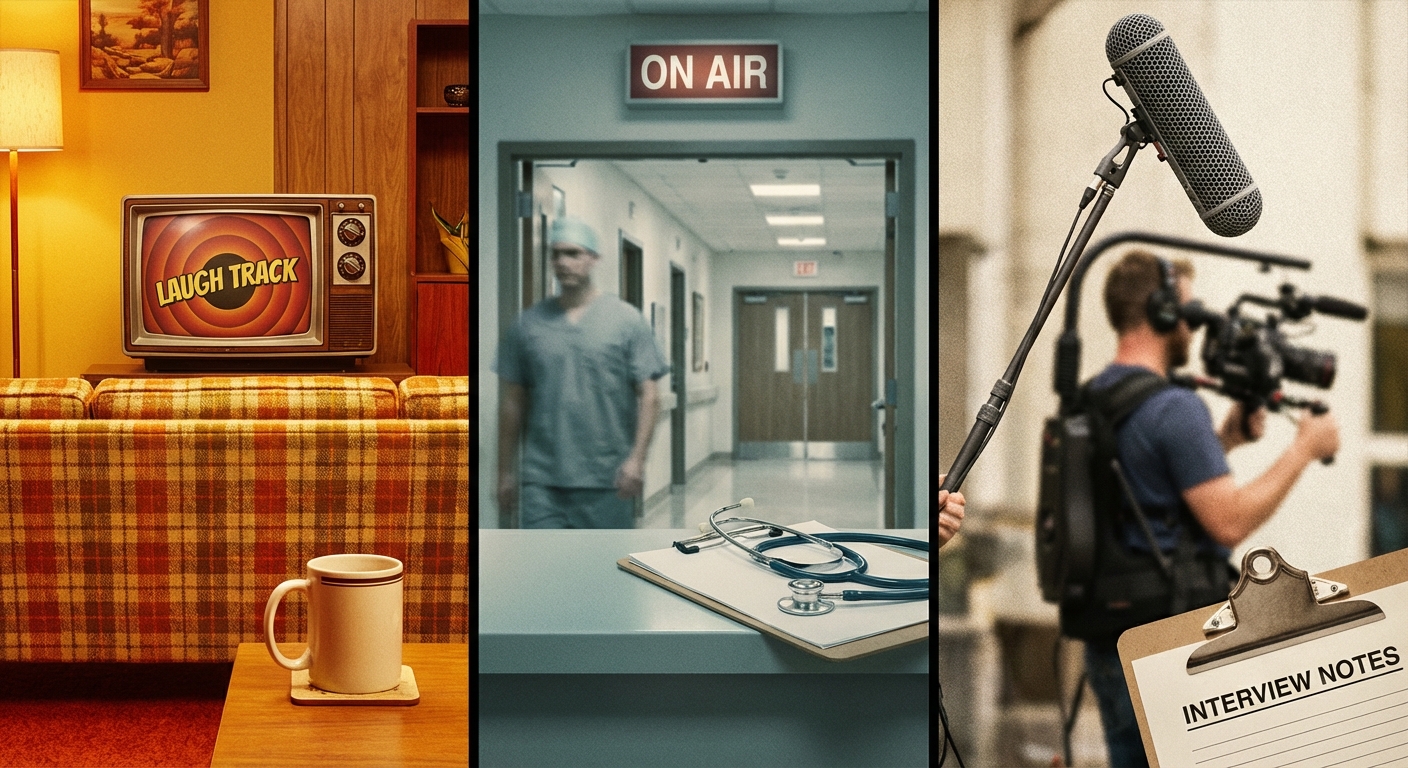
The nostalgia play makes business sense: these shows have built-in audiences and brand recognition that new projects struggle to match. But it also reflects a creative exhaustion in the industry. After years of peak TV producing hundreds of original series annually, networks and streamers have discovered that audiences often prefer familiar characters to the cognitive load of investing in new ones. The question is whether these revivals can capture what made the originals special or whether they’ll join the growing list of unnecessary continuations.
Beyond the comedy revivals, prestige drama is also revisiting past glories. “Bridgerton” returns for another season of Regency-era romance. “Ted Lasso” is back despite what appeared to be a definitive series ending. “Euphoria,” which faced well-publicized production delays and cast availability issues, will finally deliver new episodes. These are shows that defined streaming eras, and their return says something about how difficult it has become to launch comparably successful new properties.
The New Projects Worth Watching
Not everything coming in 2026 is backward-looking. Several new projects have generated significant anticipation, particularly those tackling genres and stories that feel genuinely fresh amid the franchise fatigue.
HBO’s “A Knight of the Seven Kingdoms” premieres January 18, a new “Game of Thrones” spinoff based on George R.R. Martin’s Dunk and Egg novellas. Unlike “House of the Dragon,” which focused on political intrigue and dragon warfare, this series promises something more intimate: a hedge knight and his squire traveling through Westeros about 90 years before the events of the original series. The smaller scale might be exactly what the franchise needs after years of escalating spectacle.

Amazon Prime Video has assembled perhaps the most ambitious slate in the company’s streaming history. “Spider-Noir,” starring Nicolas Cage reprising his role from the animated “Spider-Verse” films, reimagines the character in a live-action noir setting. “Blade Runner 2099” continues the sci-fi franchise with a cast including Michelle Yeoh, Hunter Schafer, and Tom Burke. And “Elle,” a “Legally Blonde” prequel, takes the unusual approach of exploring Elle Woods’ pre-law school origins.
Netflix is betting heavily on literary adaptations. “East of Eden,” featuring Florence Pugh, adapts Steinbeck’s multigenerational epic. A new “Pride and Prejudice” stars Emma Corrin and Jack Lowden in what the streamer hopes will become a definitive modern adaptation. Meanwhile, Netflix’s January tentpole is “The Rip,” an action thriller directed by Joe Carnahan and starring Ben Affleck, Matt Damon, Steven Yeun, and Kyle Chandler, a film that positions itself as adult entertainment for audiences who’ve aged out of superhero movies.
The Superhero Question
Speaking of superheroes, 2026 will test whether the genre can recover its cultural dominance or has entered permanent decline. Marvel’s first 2026 project is “Wonder Man,” streaming on Disney+ starting January 27. The show takes an unusually meta approach: Simon Williams is an actor who happens to be a superhero, pursuing movie roles in a Hollywood that increasingly casts actual superheroes. It’s a concept that acknowledges audience fatigue while trying to be clever about it.
Later in 2026, “VisionQuest” will conclude the story begun in “WandaVision” and continued in “Agatha All Along.” This represents Disney’s bet that television can build sustained engagement with characters who might not carry feature films. The results have been mixed: “WandaVision” was a cultural phenomenon, but subsequent Marvel TV projects have struggled to generate comparable conversation.
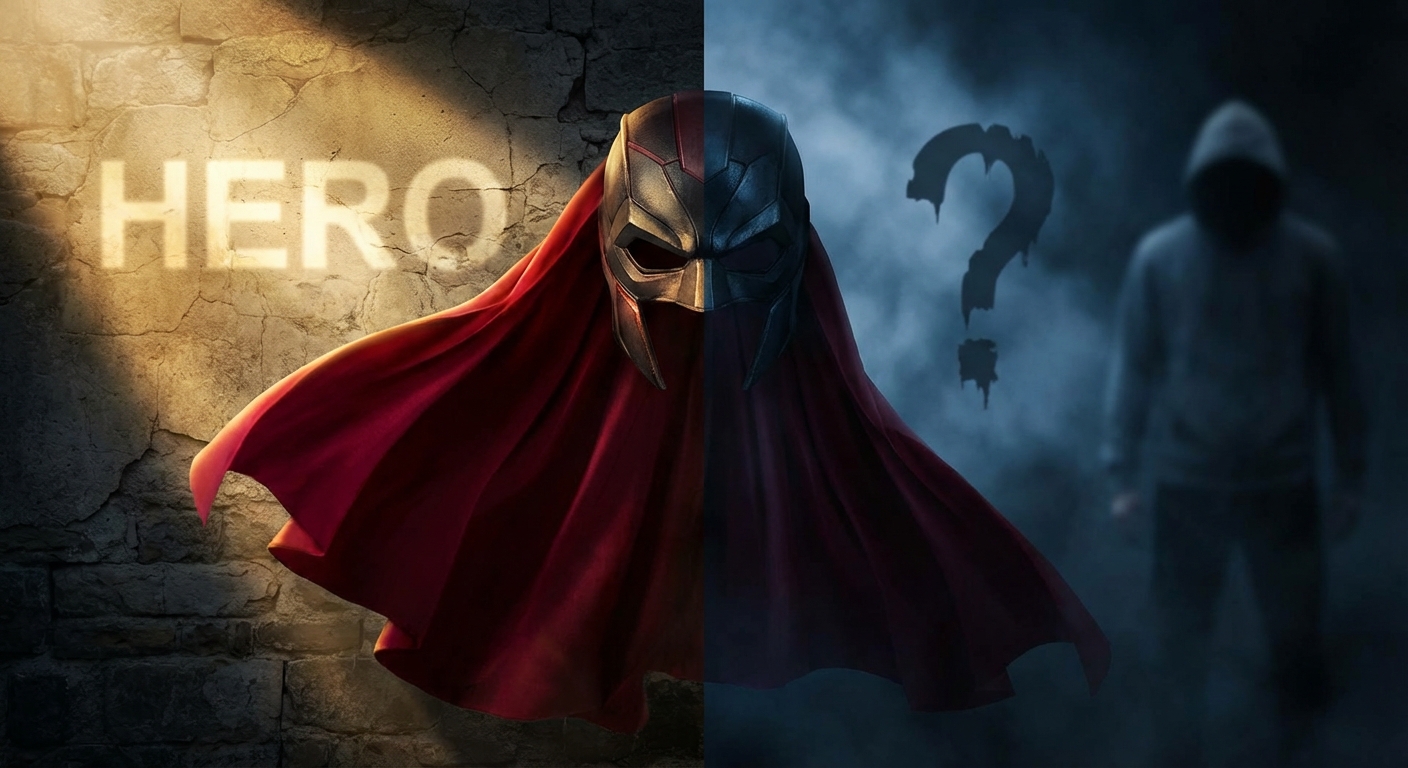
DC is also repositioning under the new leadership of James Gunn and Peter Safran. “Lanterns,” described as more “True Detective” than traditional superhero fare, follows two Green Lantern Corps members investigating a murder mystery on Earth. Kyle Chandler and Aaron Pierre star, with a creative team that includes “Ozark” creator Chris Mundy and “Watchmen” showrunner Damon Lindelof. The approach suggests DC has learned from its years of trying to replicate Marvel’s interconnected universe and is now pursuing something more distinctive.
The theatrical landscape tells a similar story of cautious genre experimentation. “Tron: Ares,” arriving in 2026, brings Jeff Bridges back as Kevin Flynn alongside Jared Leto as the title character. Tom Holland’s fourth Spider-Man film, “Brand New Day,” hits theaters in July. These are franchise extensions rather than franchise launches, a tacit acknowledgment that starting new blockbuster series has become extraordinarily difficult.
The Industry Behind the Shows
Understanding what’s coming to screens in 2026 requires understanding the industry producing it. The writers’ and actors’ strikes of 2023 disrupted production schedules in ways still being felt. Many shows that would have premiered in 2024 or 2025 were delayed, creating a pipeline backlog that 2026 is finally clearing. This means more content than usual is hitting screens simultaneously, intensifying competition for audience attention.
Studios and streamers are also recalibrating their content strategies in response to the 2024 election. Industry insiders describe a conscious effort to develop programming that appeals to conservative, rural, and faith-oriented audiences who have felt underserved by recent Hollywood output. This doesn’t mean abandoning progressive content but rather recognizing that the audience is larger and more diverse than recent programming reflected.
The creator economy is also reshaping Hollywood in unexpected ways. Studios increasingly view influencers and internet celebrities as valuable marketing partners and sometimes as talent in their own right. The boundary between traditional entertainment and internet content continues to blur, with successful YouTube and TikTok creators transitioning to mainstream productions. This trend will accelerate in 2026 as studios seek ways to reach younger audiences who consume entertainment primarily through digital platforms.
What to Actually Watch
With hundreds of shows competing for attention, most viewers will engage with a fraction of what’s available. A practical approach to 2026 entertainment starts with identifying what you actually want from your viewing time.
For prestige drama that rewards close attention, “Industry” Season 4 on HBO (premiering January 11) continues one of the most underrated shows on television, a caustic examination of investment banking culture that combines workplace drama with genuine insight into financial systems. “The Pitt” Season 2 (January 8) builds on last year’s critically acclaimed hospital drama. Netflix’s “Beef” returns with Carey Mulligan and Oscar Isaac in what promises to be the kind of combustible character study that made the first season compelling.
For genre entertainment, “A Knight of the Seven Kingdoms” and “Blade Runner 2099” represent the most ambitious efforts. Both have the creative pedigree and budget to deliver something genuinely special, though both also carry the weight of franchise expectations that can smother originality. Horror fans should watch for Peacock’s “Friday the 13th” prequel series, which has faced multiple delays but is finally expected to launch in a year featuring three Friday the 13ths.
For comedy, the revival situation creates genuine uncertainty. “The Bear” Season 5 on FX is perhaps the safest bet: the show has maintained remarkable quality through multiple seasons. “It’s Always Sunny in Philadelphia” Season 18 continues the longest-running live-action comedy in American television history. The returning classics represent higher risk and higher potential reward.
The Bottom Line
Entertainment in 2026 reflects an industry grappling with fundamental questions about its future. The streaming revolution has matured into streaming consolidation. The franchise model shows cracks even as studios double down on proven intellectual property. Original content struggles to break through even when it’s excellent, while nostalgia-driven revivals reliably draw audiences.
The good news is that this moment of uncertainty has created space for creative experimentation. When the old formulas stop working reliably, studios become willing to try new approaches. Some of 2026’s most interesting content comes from projects that wouldn’t have been greenlit five years ago, when superhero dominance seemed permanent and streaming growth seemed infinite.
Watch for which projects actually generate cultural conversation versus which disappear into the content flood. Watch for whether the revivals capture their original magic or feel like diminished echoes. And watch for the surprise hit that emerges from nowhere, because in a landscape this fragmented, there’s always something unexpected that captures the zeitgeist. The entertainment industry is resetting itself in 2026, and the results will shape what we watch for years to come.
Sources: Variety, The Hollywood Reporter, The Wrap, Roger Ebert, IndieWire.