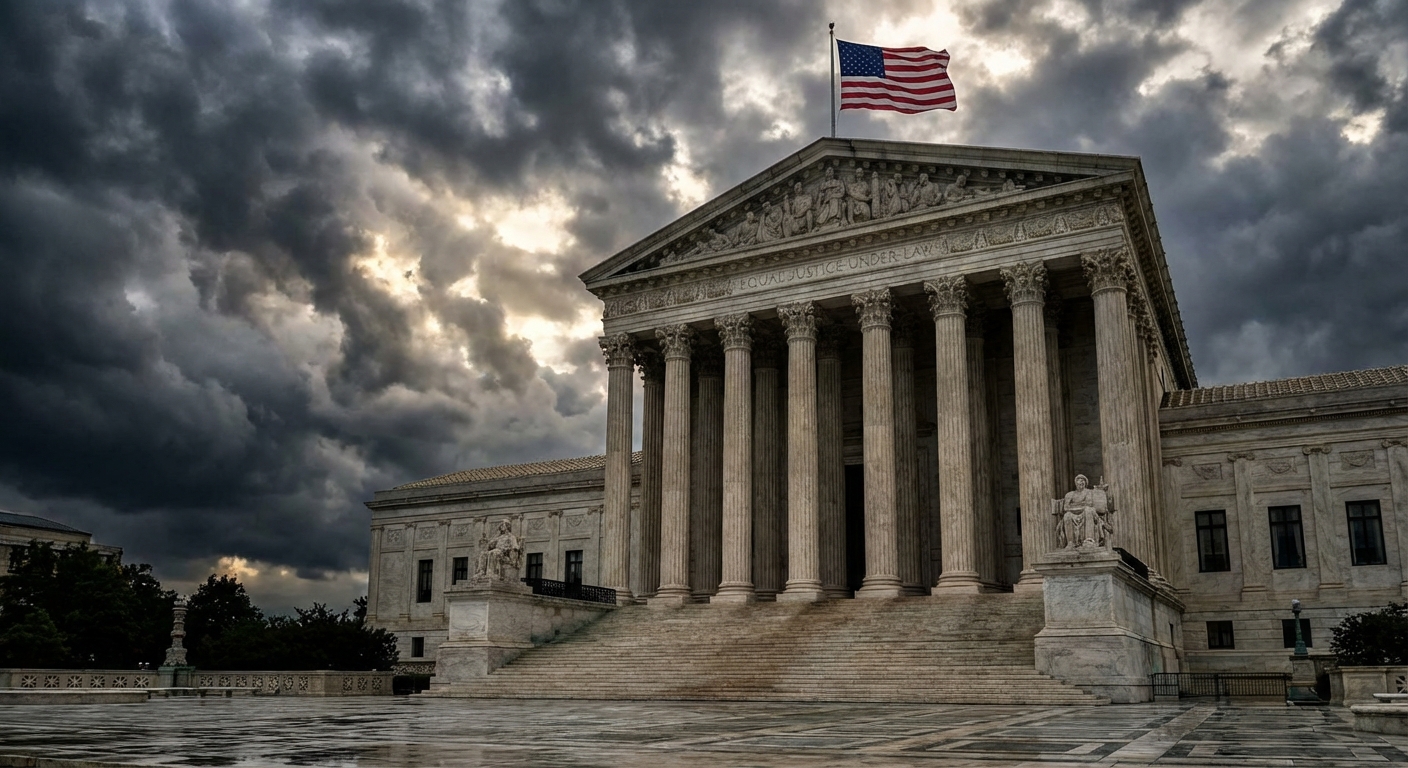
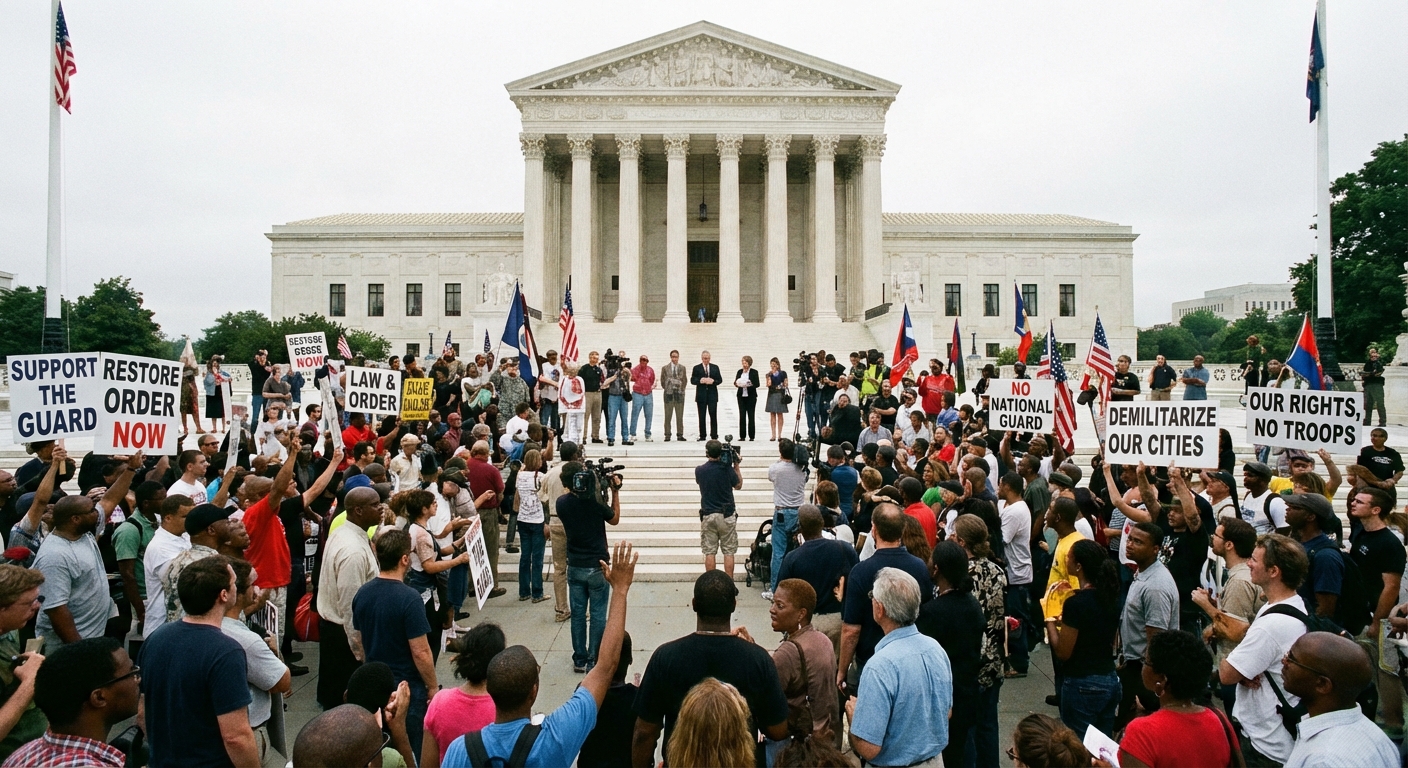
The Supreme Court dealt a significant blow to the Trump administration’s law enforcement strategy today, blocking the deployment of hundreds of National Guard troops to the Chicago area in a 6-3 decision. The ruling found that the federal government cannot deploy military forces to a city over the objection of state authorities absent specific statutory authorization or an emergency that state forces cannot address.
The decision, which crossed ideological lines with Chief Justice Roberts and Justice Barrett joining the four liberal justices, marks one of the most consequential federalism rulings in recent years. It establishes clearer boundaries around executive power to use military forces in domestic settings and reinforces the principle that states retain primary responsibility for law enforcement within their borders.
The Administration’s Plan
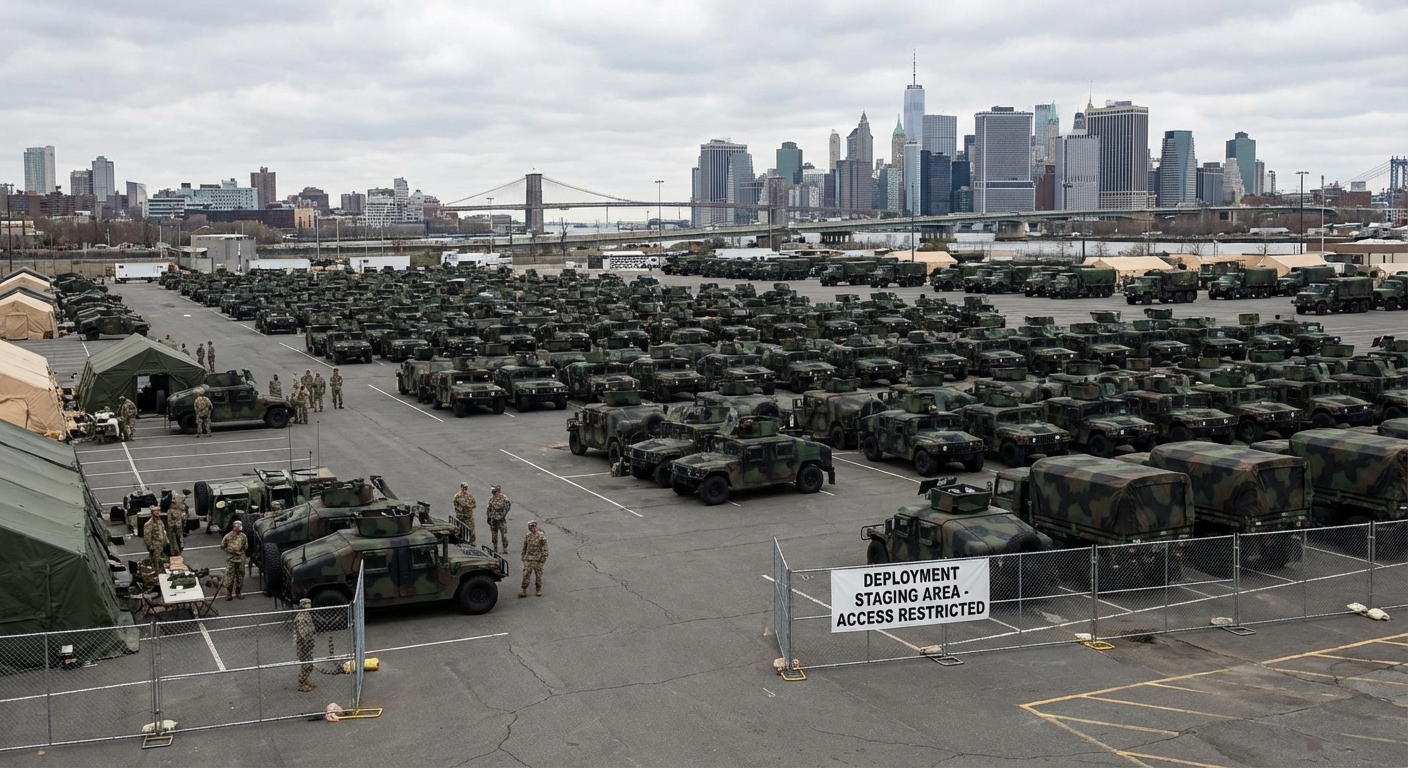
The Trump administration announced plans earlier this month to send approximately 500 National Guard troops to Chicago in response to persistently high violent crime rates. The deployment was framed as federal assistance to overwhelmed local authorities, though Illinois Governor JB Pritzker had publicly opposed the plan and refused to request federal military assistance.
Administration officials argued that federal authority over National Guard troops, when federalized, supersedes state objections. They pointed to historical precedents including desegregation enforcement in the 1950s and 1960s, when federal troops were deployed to southern states over gubernatorial opposition.
Illinois and Chicago challenged the deployment immediately, arguing that crime, even serious crime, doesn’t constitute the kind of emergency that justifies military deployment without state consent. They also noted that the administration’s stated justification, helping local authorities, was contradicted by those authorities’ explicit rejection of the help.
The Court’s Reasoning
Chief Justice Roberts’ majority opinion took a narrow approach, focusing on the lack of statutory authority for the specific deployment rather than broad constitutional pronouncements. The Insurrection Act, which authorizes military deployment in domestic emergencies, requires either a state request for assistance or conditions so severe that state authorities cannot maintain order. Neither condition was met here.
The historical desegregation precedents were distinguishable, Roberts wrote, because those deployments occurred to enforce specific court orders and constitutional rights that states were actively violating. Deploying troops to address general crime conditions, over state objection, presents a fundamentally different situation.
The opinion left open the possibility that different circumstances might yield different results. A genuine emergency that state forces couldn’t control, or congressional authorization for federal law enforcement assistance, could change the analysis. But the administration couldn’t simply assert authority that neither statute nor emergency provided.
The Dissent
Justice Alito’s dissent, joined by Justices Thomas and Gorsuch, argued that the majority’s reading was too restrictive. The federal government, Alito wrote, has inherent authority to protect its citizens and enforce federal law. Requiring state consent for all deployments would effectively give governors veto power over federal law enforcement.
The dissent particularly emphasized the severity of Chicago’s crime situation, arguing that hundreds of homicides annually constitutes a failure of state and local government that the federal government should be able to address. It accused the majority of prioritizing abstract federalism over public safety.
Implications for Policy
The ruling constrains the administration’s options for addressing urban crime through military deployment. Other cities had been mentioned as potential targets for similar operations; those plans now face significant legal obstacles unless governors consent.
The administration could seek congressional authorization for a new domestic deployment framework, though passing such legislation through a divided Congress would be challenging. It could also focus on other federal law enforcement tools, including increased FBI and ATF presence, which don’t raise the same federalism concerns.
For state and local officials, the decision reinforces their authority over policing within their jurisdictions. Governors opposed to federal military presence can now cite clear Supreme Court precedent in resisting such deployments.
What to Watch
The administration’s response will shape what comes next. Compliance with the ruling while pursuing legislative alternatives would signal acceptance of constitutional limits. Attempts to find workarounds or reframe deployments to avoid the decision’s scope would likely trigger further litigation.
The ruling also has implications for future administrations and future emergencies. The Court’s emphasis on requiring state consent or genuine emergency conditions will inform how presidents of any party approach domestic military deployment.
The Bottom Line
Today’s Supreme Court decision sets important boundaries on presidential power to deploy military forces in American cities. The 6-3 ruling, crossing ideological lines, makes clear that federalism principles limit the executive’s ability to override state authority in law enforcement matters. For Chicago, the immediate result is that National Guard troops won’t be coming against the state’s wishes. For constitutional law, the decision reinforces that even urgent policy goals must navigate the structural limits the Constitution establishes.