Netflix agreed today to acquire Warner Bros. Discovery for $72 billion, creating the largest entertainment company in history. The deal brings HBO, CNN, DC Comics, the Warner Bros. film studio, and Discovery’s cable networks under Netflix’s roof in what executives are calling a “transformational” combination.
For anyone trying to keep track of the streaming wars, this is the equivalent of one side winning by absorbing the other. Netflix, already the dominant streaming platform globally, will now control some of the most valuable content libraries in entertainment, including the Harry Potter franchise, Game of Thrones, and DC’s superhero universe.
The deal requires regulatory approval, which could take 12 to 18 months. But if it closes, the combined company will have more than 350 million subscribers worldwide and an unmatched content portfolio.
What Netflix Gets
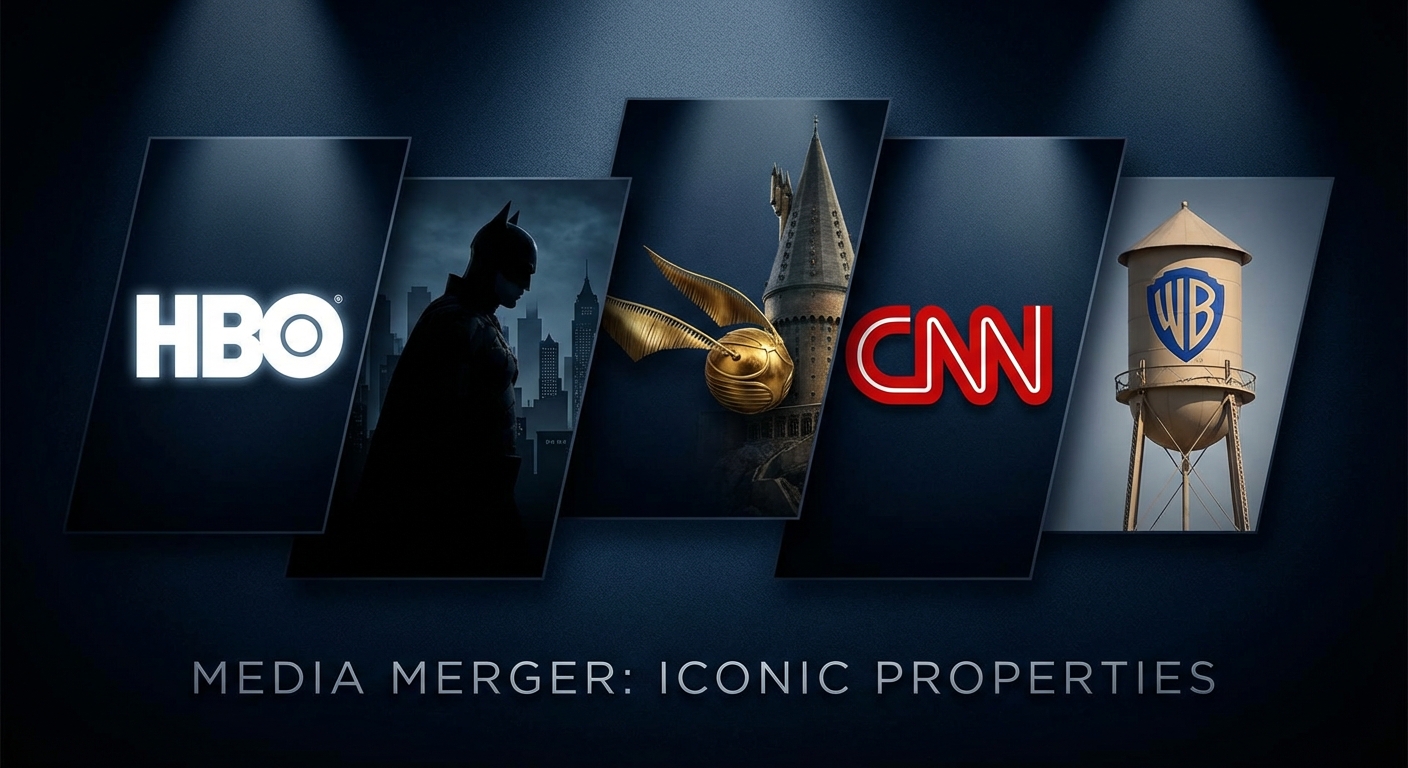
The acquisition gives Netflix assets it has long coveted but could never create organically. HBO’s prestige brand and critically acclaimed programming, including shows like “The Last of Us” and “House of the Dragon,” will join Netflix’s library. The company also gets CNN, though what Netflix plans to do with a news operation remains unclear.
The Warner Bros. film studio brings a century of movie history plus ongoing franchises. DC’s superheroes alone represent billions in future revenue across films, TV, and merchandise. Harry Potter’s Wizarding World, the “Dune” franchise, and Looney Tunes characters all become Netflix properties.
Discovery’s properties, including HGTV, Food Network, and Discovery Channel, add breadth. While these networks have struggled with cord-cutting, their content libraries could find new life on streaming. Cooking shows and home renovation content have proven surprisingly durable on platforms.
Perhaps most valuable is Max, Warner Bros. Discovery’s streaming service. Rather than competing with Netflix, Max’s programming will be folded in, eliminating a rival and adding its subscriber base.
Why Warner Bros. Discovery Sold
Warner Bros. Discovery has been struggling since its 2022 formation from the merger of WarnerMedia and Discovery. The company carried heavy debt from that deal and never found its footing in the streaming wars. Max launched to mixed reception and has hemorrhaged money.
CEO David Zaslav, who orchestrated the original merger, spent much of the past three years cutting costs, cancelling projects, and trying to reduce debt. But the fundamental problem remained: the company was too big to fail but too leveraged to compete effectively against Netflix and Disney.
The $72 billion price represents a significant premium over Warner Bros. Discovery’s recent stock price but far less than the company’s components were worth before streaming disrupted everything. For shareholders exhausted by years of decline, the deal offers an exit.
What This Means for Consumers
For subscribers, the implications are mixed. On one hand, consolidation could mean simpler choices. Rather than subscribing to Netflix and Max separately, viewers might get everything in one place. Netflix has indicated it will maintain multiple tiers, likely including a premium option with HBO content.
On the other hand, less competition typically means higher prices. With fewer streaming services fighting for subscribers, Netflix has less incentive to keep prices low or invest heavily in new content. The company has already raised prices several times in recent years.
Content decisions will also change. Netflix is famous for cancelling shows that don’t find audiences quickly. Whether HBO’s model of nurturing programs over multiple seasons survives the merger is an open question.
The Regulatory Question
The deal faces significant regulatory hurdles. Antitrust enforcers have become more aggressive about blocking mergers, and a combination of this size will receive intense scrutiny. Netflix’s market power in streaming is already substantial; adding Warner Bros. Discovery’s assets makes it even more dominant.
The companies have hired armies of lawyers and lobbyists to argue the deal is pro-competitive because it strengthens a challenger to legacy media companies like Disney. Whether regulators buy that argument remains to be seen.
International approval is also required, with European regulators particularly likely to examine the deal closely. The process could take well into 2027.
The Bigger Picture
This deal, if approved, marks the end of an era. The streaming wars began with Netflix disrupting cable and ended with Netflix absorbing one of its biggest rivals. Disney remains independent, as do Apple TV+ and Amazon Prime Video, but the landscape has fundamentally consolidated.
For the entertainment industry, the implications are profound. Fewer buyers means less competition for talent and content. Fewer platforms means fewer chances for shows that don’t fit Netflix’s algorithmic model. The diversity of voices that proliferated during peak streaming could narrow.
The Bottom Line
Netflix buying Warner Bros. Discovery is the biggest media deal in history and will reshape entertainment for decades. The combined company will control an unprecedented share of filmed entertainment, from prestige HBO dramas to reality TV to superhero blockbusters.
For consumers, the deal promises simplicity but threatens higher prices and less choice. For the entertainment industry, it signals that the streaming gold rush is over, replaced by consolidation and efficiency.
The deal isn’t done yet. Regulators will have their say, and 12 to 18 months is a long time in an industry moving this fast. But today’s announcement makes clear where the streaming wars are heading: fewer players, bigger stakes, and Netflix on top.