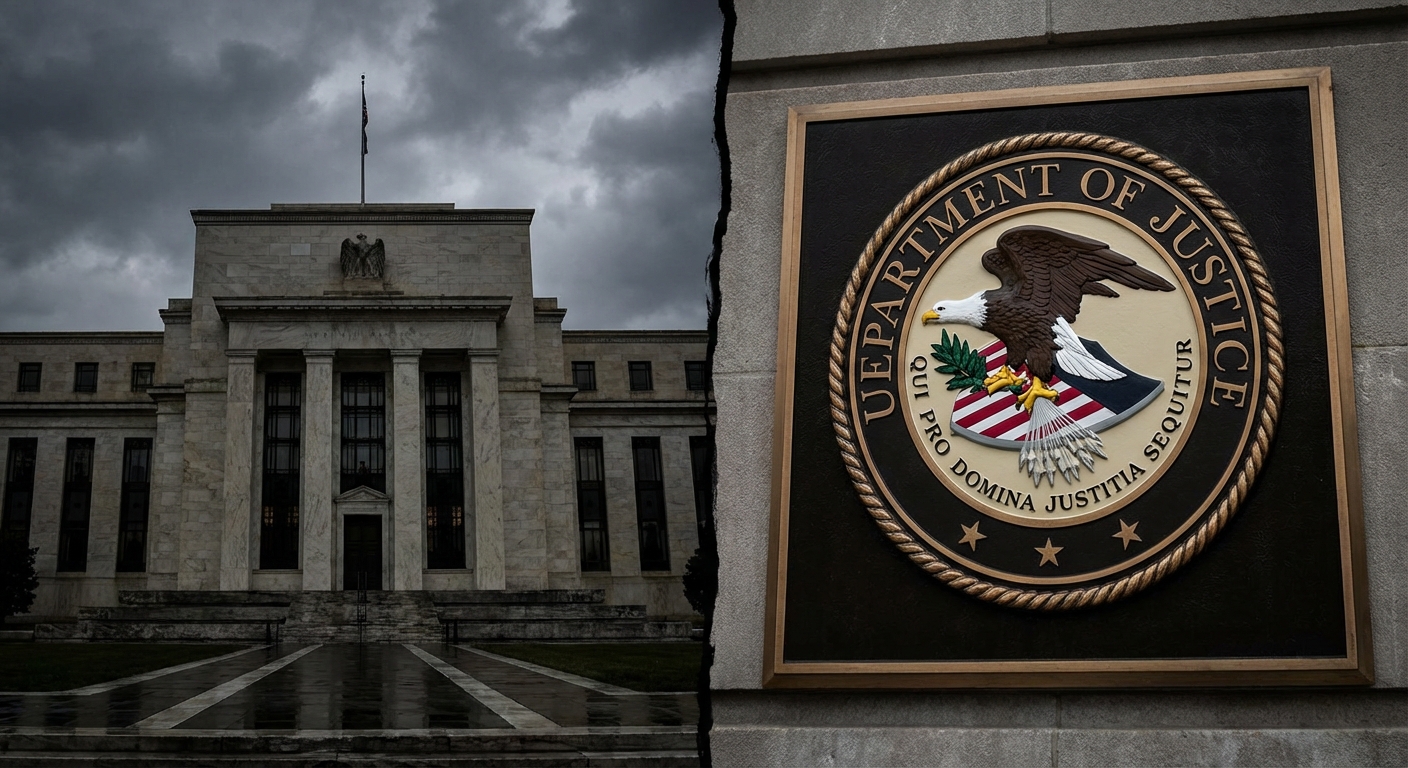
The Justice Department has opened a criminal investigation into Federal Reserve Chair Jerome Powell, triggering what former Fed officials are calling the most serious threat to central bank independence in modern American history. Powell says the probe is a “pretext” designed to pressure him on interest rates.
The investigation centers on cost overruns in a renovation project at Federal Reserve headquarters, but the timing and circumstances have drawn bipartisan condemnation. The probe came months after Powell refused President Trump’s repeated demands to lower interest rates, and Powell himself has drawn a direct line between those demands and the current legal threat.
What Happened
Federal prosecutors subpoenaed the Federal Reserve on Friday with the threat of criminal indictment, Powell revealed in a video statement Sunday. The investigation focuses on his testimony before the Senate about the renovation of Federal Reserve office buildings, which exceeded initial cost estimates of $2.5 billion.
The probe originated from a referral by Rep. Anna Paulina Luna (R-Fla.), who alleged Powell committed perjury and made false statements to federal officials in connection with his renovation testimony. The Justice Department escalated that referral into a full criminal investigation.
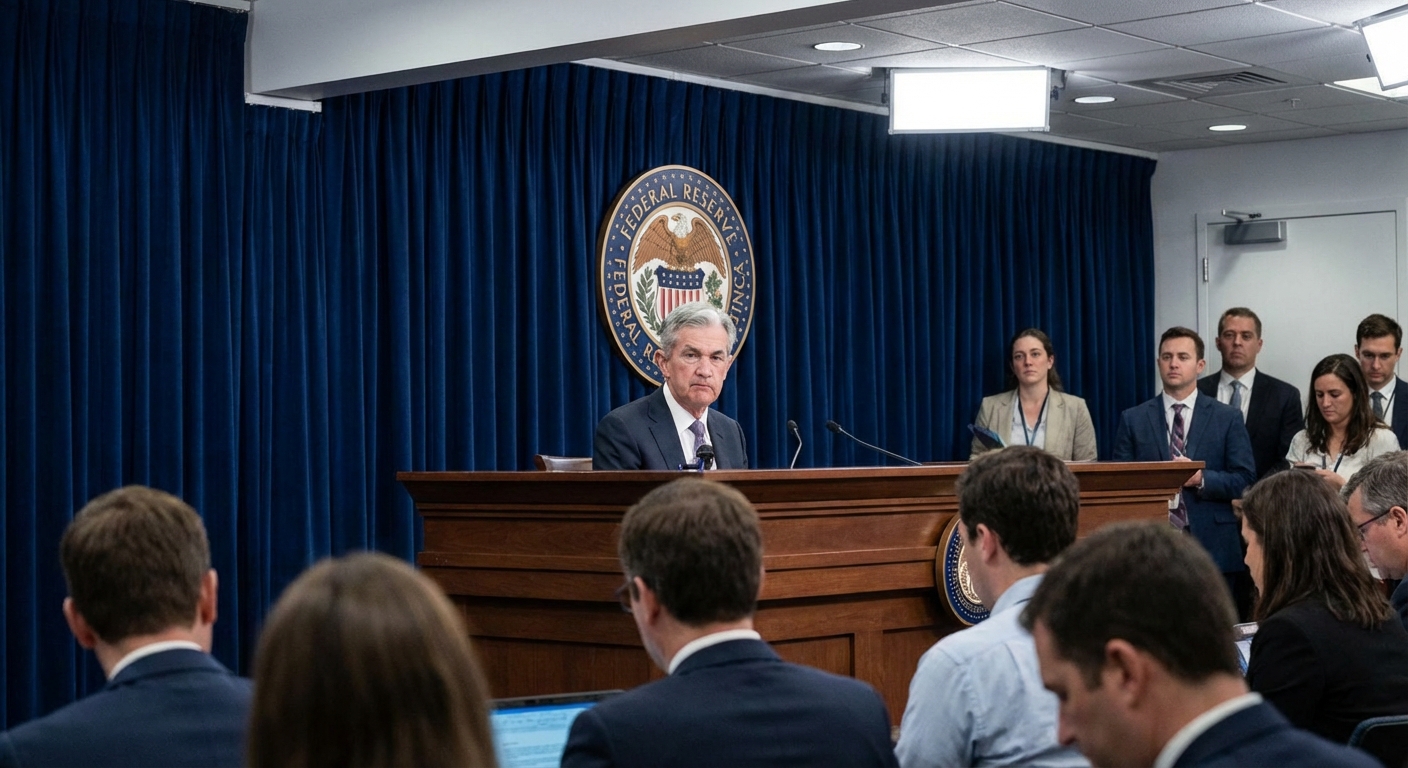
Powell responded with unusual directness for a Fed chair. “No one, certainly not the chair of the Federal Reserve, is above the law,” he said. “But this unprecedented action should be seen in the broader context of the administration’s threats and ongoing pressure.”
He added: “The threat of criminal charges is a consequence of the Federal Reserve setting interest rates based on our best assessment of what will serve the public, rather than following the preferences of the president.”
Why This Matters
The Federal Reserve’s independence from political pressure is considered essential to its ability to manage the economy effectively. Central bank independence allows policymakers to make unpopular decisions, like raising interest rates to fight inflation, without fear of political retaliation.
That independence has been a cornerstone of U.S. economic policy for decades. Presidents of both parties have criticized Fed decisions publicly, but using criminal prosecution as leverage represents a dramatic escalation that has alarmed economists and former officials across the political spectrum.
Three former Fed chairs, Janet Yellen, Ben Bernanke, and Alan Greenspan, jointly condemned the investigation. A bipartisan group of former Treasury secretaries described it as an “unprecedented attempt to use prosecutorial attacks to undermine” the Federal Reserve’s independence.
The broader economic stakes are significant. If markets believe the Fed will set rates based on political pressure rather than economic conditions, it could undermine confidence in U.S. monetary policy and potentially affect everything from inflation expectations to the value of the dollar.
The Political Fallout
The investigation has created an unusual split within Republican ranks. Senator Thom Tillis (R-N.C.), who serves on the Senate Banking Committee, called the probe “another example of amateur hour” and announced he would block confirmation of any Fed nominees until the matter is resolved.
“I’ve said repeatedly I very seldom disagree with the president, but I disagree with bad advice he has been given,” Tillis said.
Senator John Kennedy (R-La.), another Banking Committee member, told reporters he would be “stunned” if Powell “did anything wrong.” Senator Lisa Murkowski (R-Alaska) went further, saying “the administration’s investigation is nothing more than an attempt at coercion” and calling for Congress to investigate the Justice Department.
Even Treasury Secretary Scott Bessent has privately expressed unhappiness with the investigation, according to CNN reporting, though he has not commented publicly.
The White House has maintained distance from the probe. President Trump told NBC News he didn’t have knowledge of the investigation, adding “he’s certainly not very good at the Fed, and he’s not very good at building buildings.” Press Secretary Karoline Leavitt said Trump did not direct the investigation but “has every right to criticize the Fed chair.”
What Happens Next
Powell’s term as Fed chair runs through May 2026. The investigation creates uncertainty about succession planning, as Tillis’s threat to block nominees could leave the Fed without confirmed leadership if Powell steps down or is somehow removed.
The practical legal threat to Powell remains unclear. Building renovation cost overruns are common in government projects, and proving perjury or false statements typically requires demonstrating intentional deception rather than mere inaccuracy. Legal experts have expressed skepticism about the merits of any case.
However, the chilling effect may matter more than the legal outcome. If Fed chairs can be criminally investigated for policy decisions or routine congressional testimony, future chairs might factor political considerations into their rate decisions, exactly the outcome the independence framework was designed to prevent.
Markets have so far treated the situation as political theater, with no major moves attributed to the investigation. But the longer-term implications for Fed credibility and independence remain an open question.
The Bottom Line
The Justice Department’s criminal probe of Fed Chair Powell represents an unprecedented intersection of prosecutorial power and monetary policy. While the stated basis is building renovation costs, both Powell and critics across party lines see it as pressure linked to interest rate decisions. The investigation has already prompted Republican senators to threaten blocking Fed nominees, creating potential governance problems regardless of how the legal matter resolves.
Sources: CNN, NBC News, Washington Post, ABC News, Federal Reserve statement.