The World Economic Forum is underway in Davos, Switzerland, bringing together the annual gathering of CEOs, heads of state, and influential voices that has come to symbolize, depending on your perspective, either global cooperation or elite disconnection. This year’s meeting arrives at an unusually uncertain moment.
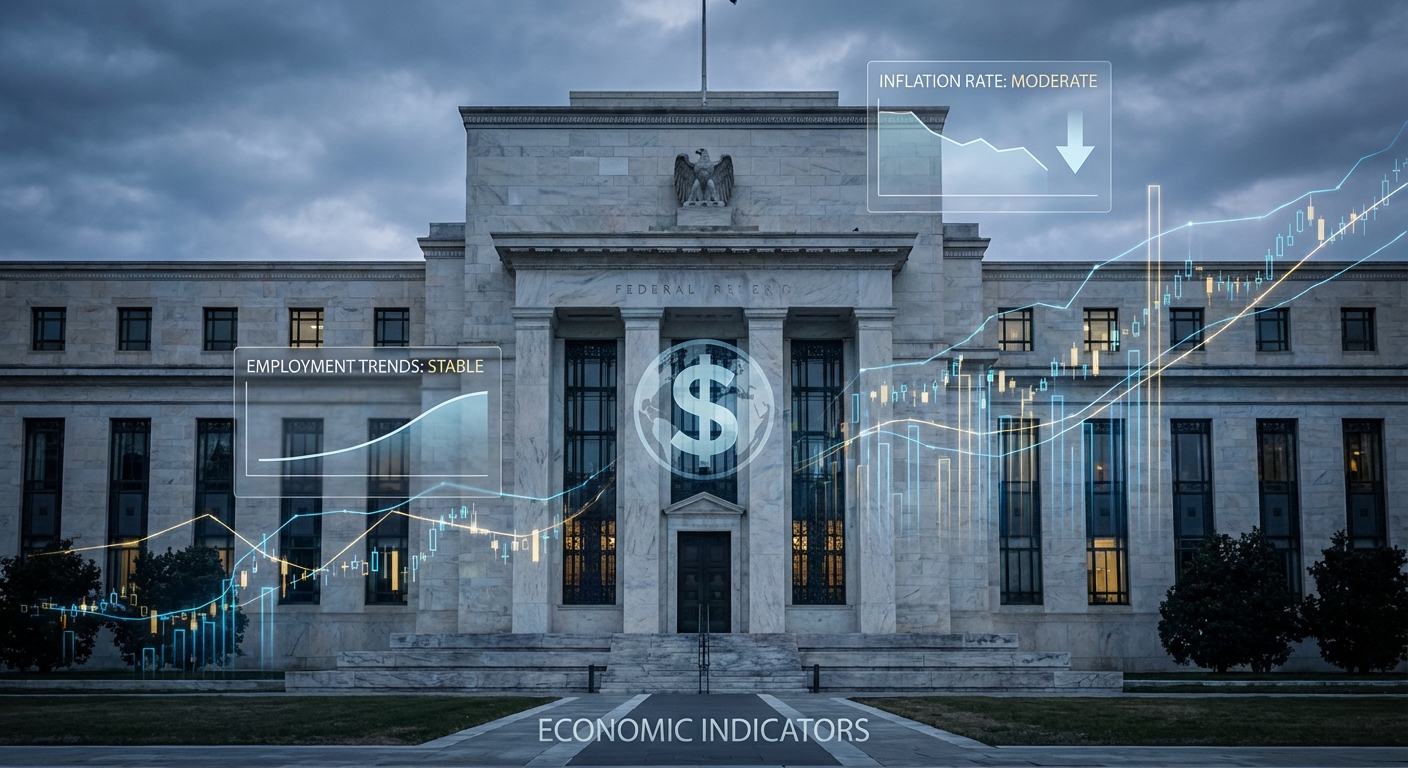
Trade tensions are escalating. Geopolitical conflicts continue unresolved. AI is reshaping industries faster than regulations can keep pace. And the relationship between the United States and its traditional allies remains unsettled. If Davos is where the world’s powerful come to set the agenda, this year’s agenda is unusually complicated.
What’s Different This Year
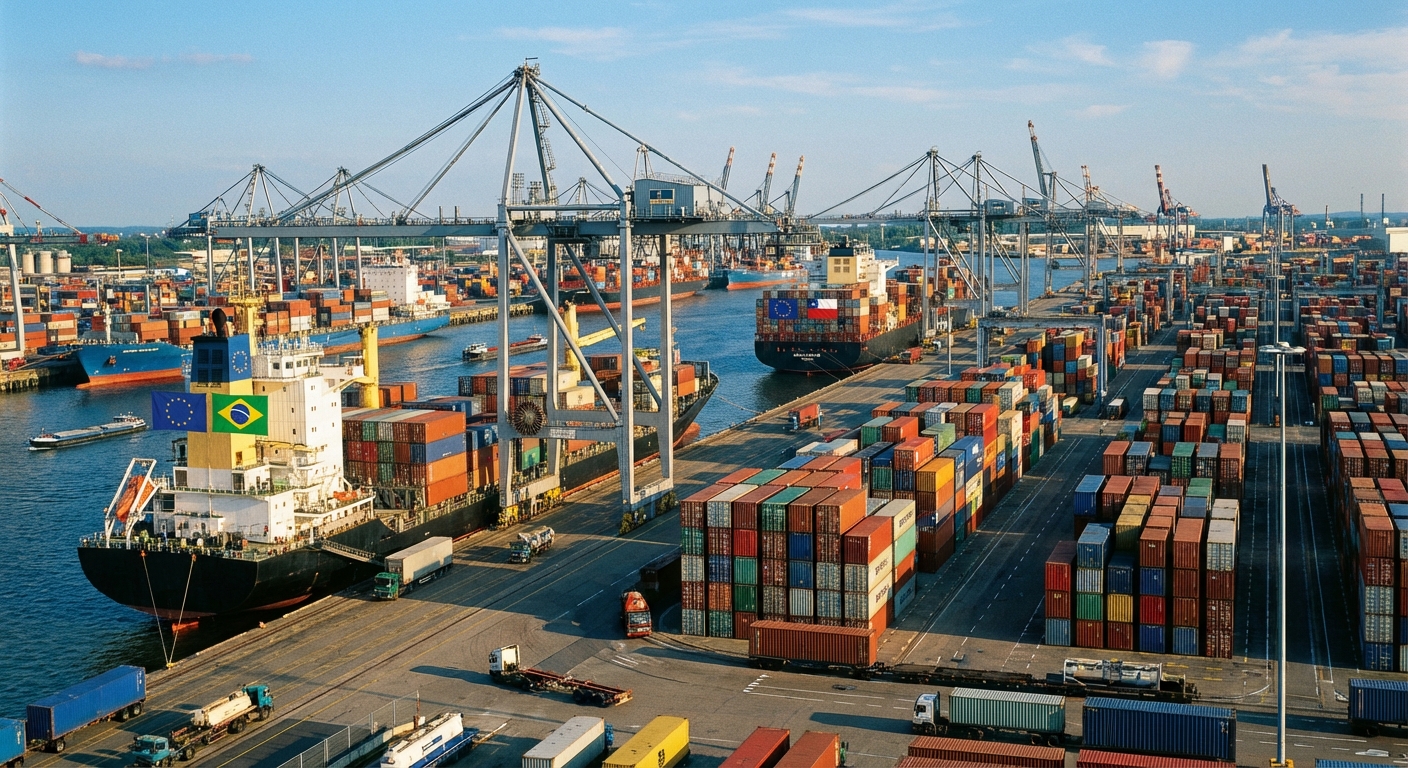
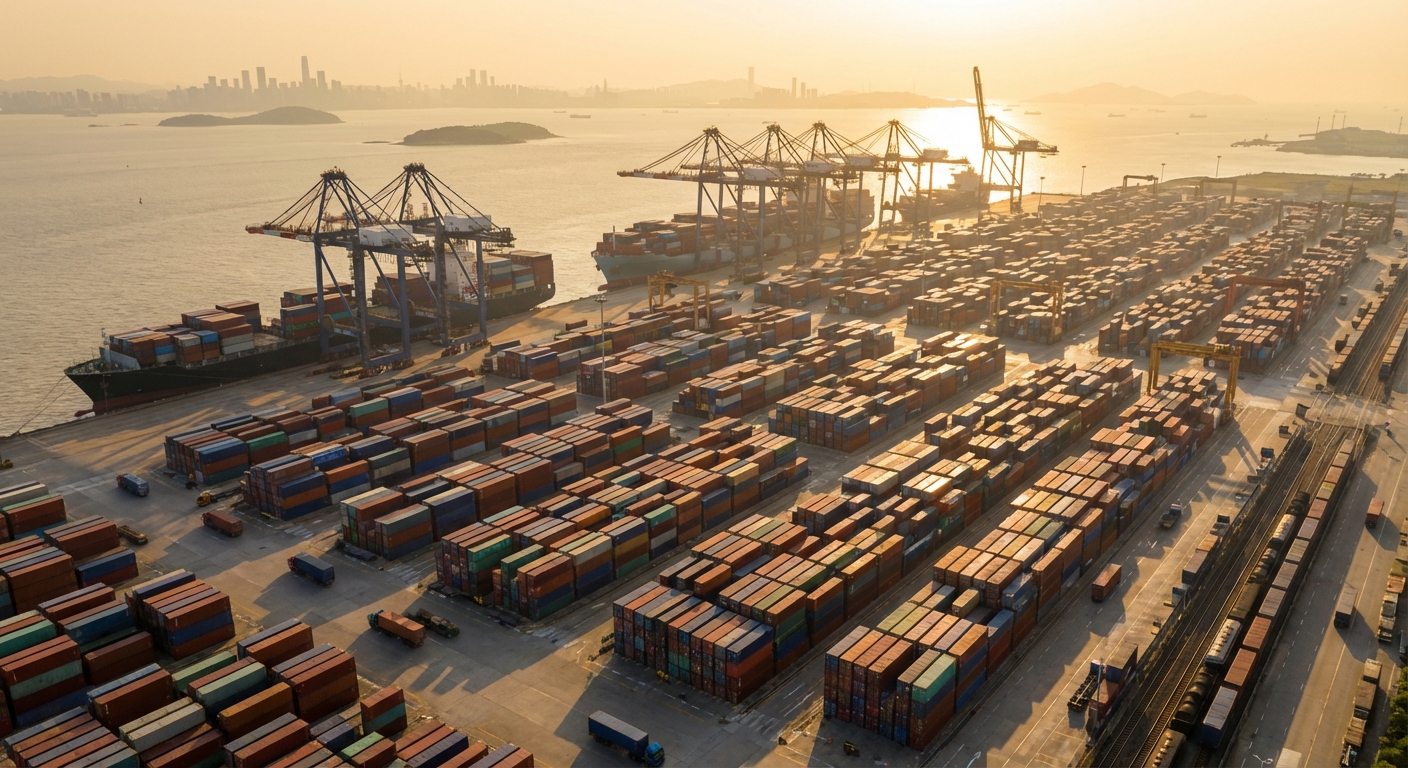
The mood in Davos has shifted noticeably from recent years. The optimism about globalization that once characterized these gatherings has given way to something more defensive. Executives are talking less about expanding into new markets and more about securing supply chains. The word “resilience” has replaced “growth” as the preferred buzzword.
This reflects real changes in the business environment. Companies that spent decades optimizing for efficiency now face pressure to prioritize security. Trade relationships that seemed stable have become unpredictable. And the assumptions that undergirded the post-Cold War economic order are being questioned in ways that matter for corporate strategy.
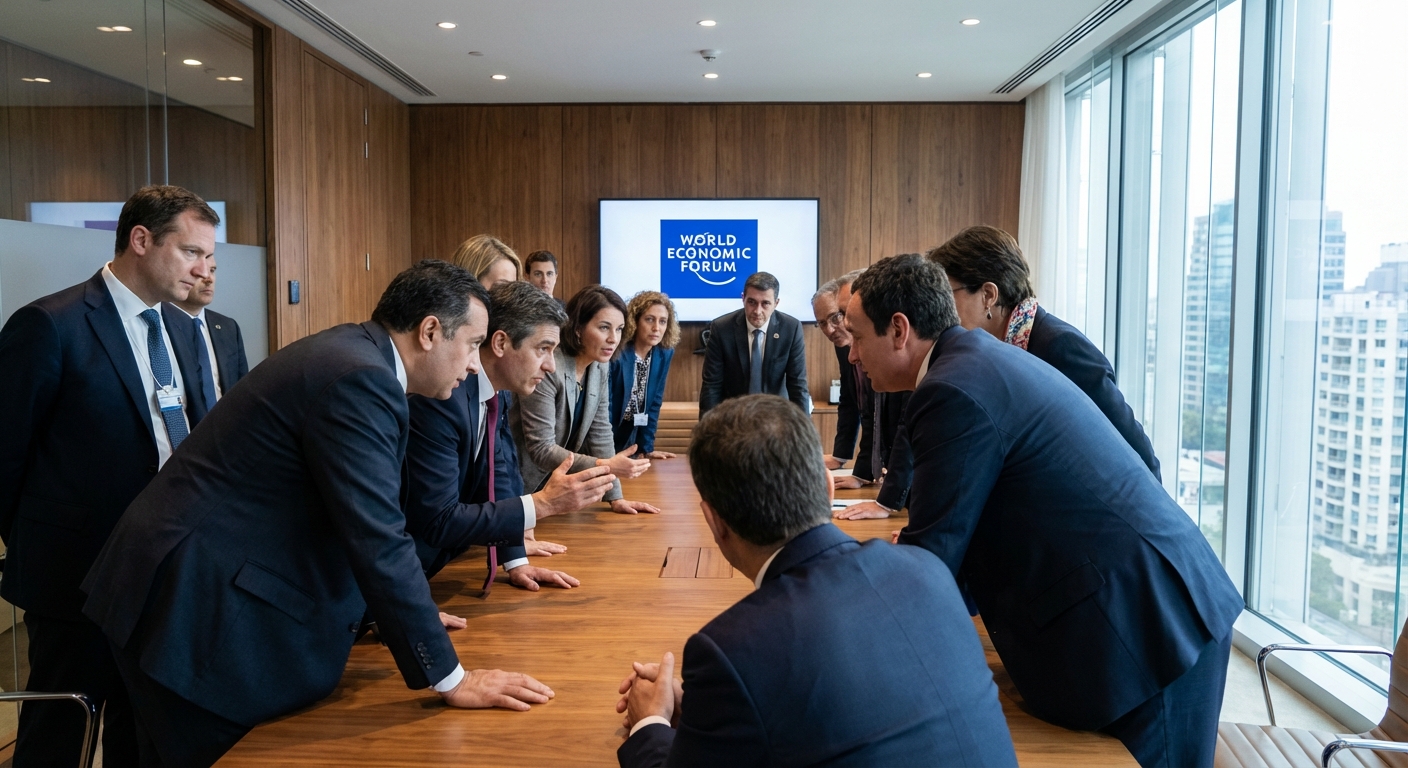
The European-American relationship is a particular focus. With tariff threats hanging over multiple countries, European executives are unusually direct about their concerns. Some are openly discussing reducing dependence on American markets and technology, conversations that would have been unusual even a few years ago.
The AI Conversation
Artificial intelligence dominates the agenda, but the conversation has evolved. Last year’s discussions focused on capabilities, what AI could do and how quickly it was advancing. This year’s discussions focus more on implications: workforce changes, regulatory frameworks, and the infrastructure required to actually deploy AI at scale.
The gap between AI enthusiasm and AI reality is a recurring theme. Many companies announced AI initiatives in 2024 and 2025. Fewer can point to transformative results. The question of how to move from pilots to production, and whether the returns justify the investment, is being asked more urgently.
Energy is a surprisingly prominent topic in AI discussions. The power requirements for large-scale AI deployment have become a genuine constraint. Data center expansion is running into both energy availability and regulatory resistance in some jurisdictions. Companies like Meta pursuing nuclear power deals reflect how serious the constraint has become.
Geopolitics Takes Center Stage
The traditional Davos emphasis on economic cooperation has been overshadowed by geopolitical tension. Ukraine remains a conflict without clear resolution. Middle East violence continues. And new flashpoints, like the U.S. pressure on Greenland, have created additional uncertainty.
European leaders are notably focused on questions of strategic autonomy. With American commitment to traditional alliances in question, there’s renewed interest in what Europe can do independently on defense, technology, and economic policy. These aren’t new conversations, but they have new urgency.

China’s presence at Davos is being watched carefully. Chinese executives and officials are attending, but the conversations are more guarded than in previous years. The question of how to maintain economic relationships with China while navigating geopolitical pressures has no easy answers.
The Protest Presence
As always, Davos attracts protesters. This year, hundreds gathered ahead of the forum to critique everything from economic inequality to climate policy to specific political leaders. The disconnect between the conversations happening inside the conference center and the concerns being voiced outside remains a consistent feature of the annual meeting.
Organizers have tried over the years to address criticism that Davos represents disconnected elites talking to themselves. Sessions on inequality, climate, and social issues are part of the agenda. But the fundamental structure, exclusive access, luxury setting, and participants drawn from the top of their respective fields, ensures that the criticism persists.
What Davos Produces
The practical impact of Davos has always been debated. The forum doesn’t make policy or sign treaties. Its value, according to supporters, lies in the informal connections made, the ideas exchanged, and the agenda-setting that shapes subsequent conversations.
Critics see expensive networking masquerading as problem-solving. The problems discussed at Davos rarely get solved at Davos. And the interests represented, large corporations, wealthy nations, established institutions, don’t necessarily align with broader public interests.
Both critiques contain truth. Davos matters because the people attending matter, their decisions affect economies, policies, and institutions. Whether their conversations in the Swiss Alps lead to better decisions is less clear.
The Bottom Line
Davos 2026 reflects a world in transition. The certainties that shaped previous decades of globalization are being questioned. The technology transforming industries is raising new challenges alongside new opportunities. And the relationships between major powers are less stable than anyone attending would prefer.
What emerges from this year’s forum will depend less on the official sessions than on the private conversations, the deals discussed over dinner, the relationships maintained or frayed. The real outcomes of Davos are rarely announced from podiums.
Sources: CNBC, World Economic Forum coverage, Democracy Now!