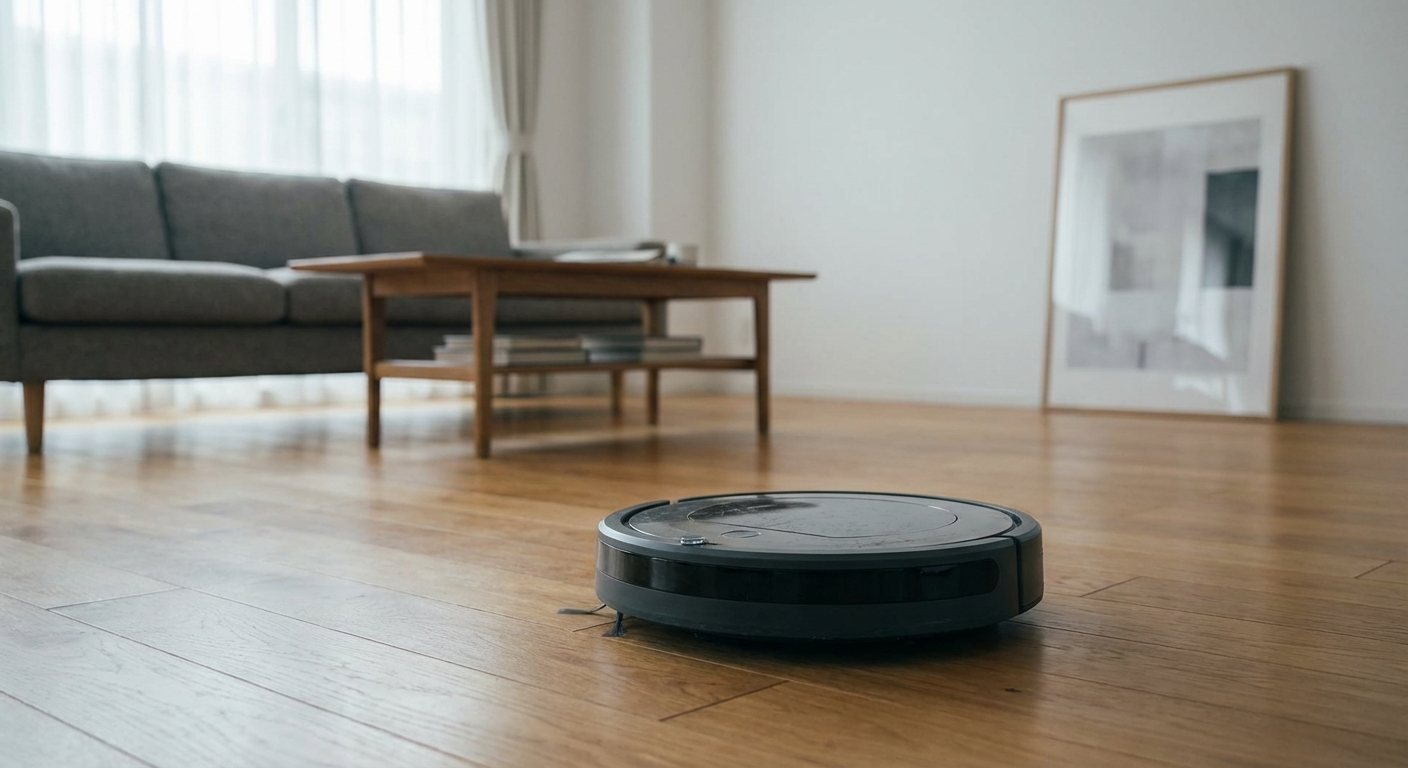
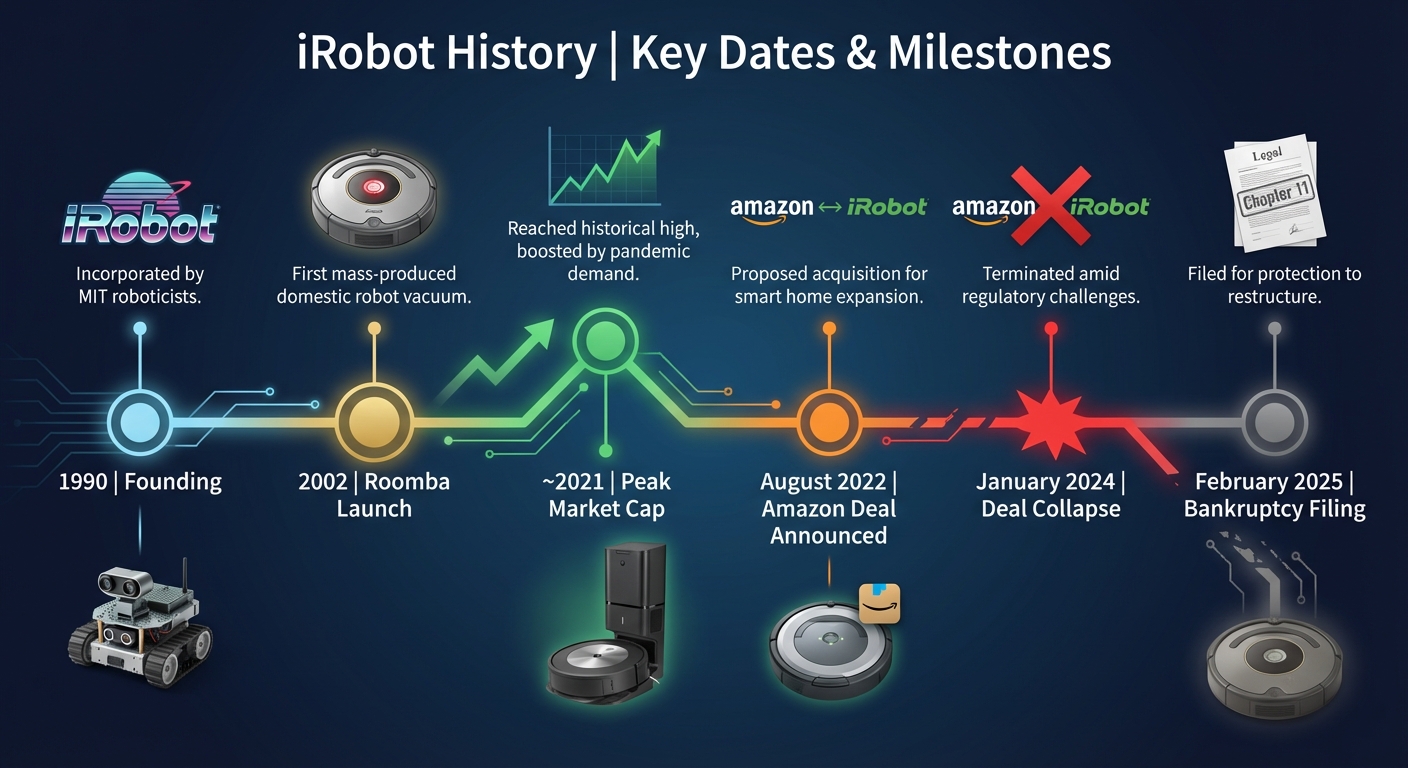
iRobot, the company that invented the Roomba and essentially created the robotic vacuum category, filed for bankruptcy protection today. The filing caps a stunning fall for a company that was once synonymous with home automation and seemed positioned to ride the smart home wave to lasting success.
The bankruptcy comes less than two years after Amazon abandoned its planned $1.7 billion acquisition of iRobot, a deal that collapsed under regulatory scrutiny. Since then, the company has struggled to compete against a flood of cheaper alternatives, many from Chinese manufacturers who have undercut Roomba prices while matching or exceeding its features.
For anyone who bought an early Roomba and marveled at the little disc navigating around furniture, the bankruptcy is a reminder that pioneering an industry doesn’t guarantee surviving it.
How iRobot Got Here
iRobot was founded in 1990 by three MIT roboticists, including Colin Angle, who served as CEO until earlier this year. The company initially focused on military and industrial robots before pivoting to consumer products in the early 2000s. The first Roomba launched in 2002 and became an unexpected hit, selling a million units in its first two years.
For more than a decade, Roomba dominated the robotic vacuum market. The brand name became generic, with people calling all robot vacuums “Roombas” regardless of manufacturer. iRobot expanded into mopping robots, pool cleaners, and lawn mowers, building what seemed like a comprehensive home robotics ecosystem.
But the company never solved its fundamental problem: robots are easy to copy. As manufacturing capabilities improved in Asia, competitors emerged offering similar functionality at half the price. Brands like Ecovacs, Roborock, and Eufy gained market share by delivering good-enough performance without Roomba’s premium pricing.
iRobot responded by moving upmarket, adding features like self-emptying dustbins and AI-powered room recognition. These innovations were impressive but couldn’t justify prices that sometimes exceeded $1,000 when competitors sold capable robots for $300.
The Amazon Deal That Wasn’t
When Amazon announced plans to acquire iRobot in August 2022, it seemed like a lifeline. Amazon had the resources to subsidize hardware sales, the smart home ecosystem to integrate Roomba, and the appetite for data that iRobot’s mapping technology could provide.
But regulators, particularly in the European Union, raised concerns about Amazon controlling yet another source of consumer data. A robot that maps your home knows intimate details about how you live, and competitors worried that Amazon would use that information to gain unfair advantages in retail and advertising.
The deal collapsed in January 2024. iRobot immediately announced layoffs cutting 31% of its workforce. The company has been in survival mode since, but the combination of debt from expansion, declining sales, and continued price pressure from competitors proved insurmountable.
The Privacy Problem
iRobot’s data collection practices also became a liability. In 2022, reports emerged that images captured by Roomba’s cameras had been shared with data labeling contractors, including some that showed people in private moments. The company said the images came from development units with special software, not consumer products, but the incident damaged trust.
Privacy concerns have dogged the entire smart home industry, and iRobot’s problems were symptomatic rather than unique. But for a company trying to justify premium prices, any erosion of trust was costly. Consumers already skeptical of putting cameras and microphones in their homes had another reason to choose a cheaper alternative.
What Happens Now
The bankruptcy filing is Chapter 11, meaning iRobot will attempt to reorganize rather than liquidate. The company says it has secured financing to continue operations while it explores options, which could include selling the Roomba brand to a buyer willing to invest in the business.
Several potential acquirers have been mentioned, including other home appliance companies and private equity firms. The Roomba brand still has value, even if the company behind it is struggling. Whether a new owner could succeed where iRobot failed is uncertain.
For consumers, the immediate impact should be minimal. Existing Roombas will keep working, and the company says it will honor warranties. Longer term, the future of the brand depends on who buys it and what they’re willing to invest.
The Bigger Lesson
iRobot’s story is a cautionary tale about the limits of innovation. Being first doesn’t mean being permanent. The company that creates a category often gets displaced by competitors who can manufacture cheaper, iterate faster, or simply outspend on marketing.
It’s also a reminder that consumer hardware is brutally competitive. Without either massive scale or a defensible moat, even beloved brands can be ground down by price pressure. iRobot never had the volume of major appliance makers or the ecosystem lock-in of companies like Apple.
The Bottom Line
iRobot’s bankruptcy marks the end of an era for one of consumer robotics’ most important companies. The Roomba made millions of people believe that household robots were possible, practical, and even charming. That legacy will outlast the company’s current troubles.
Whether the Roomba brand survives under new ownership remains to be seen. But for the pioneers who built iRobot from an MIT lab into a household name, today’s filing is a bitter conclusion to a remarkable journey.