
A counterintuitive finding published in the journal Science this week is challenging assumptions about climate change’s ultimate trajectory. Researchers at the University of California, Riverside have identified a previously overlooked feedback mechanism in Earth’s carbon cycle that could, over geological timescales, cause global warming to overshoot into an ice age.
The study doesn’t suggest an ice age is imminent or that current warming concerns are misplaced. Rather, it offers a potential explanation for some of Earth’s most extreme ancient climate swings and provides a more complete picture of how the planet’s climate system operates over millions of years.
What the Study Found
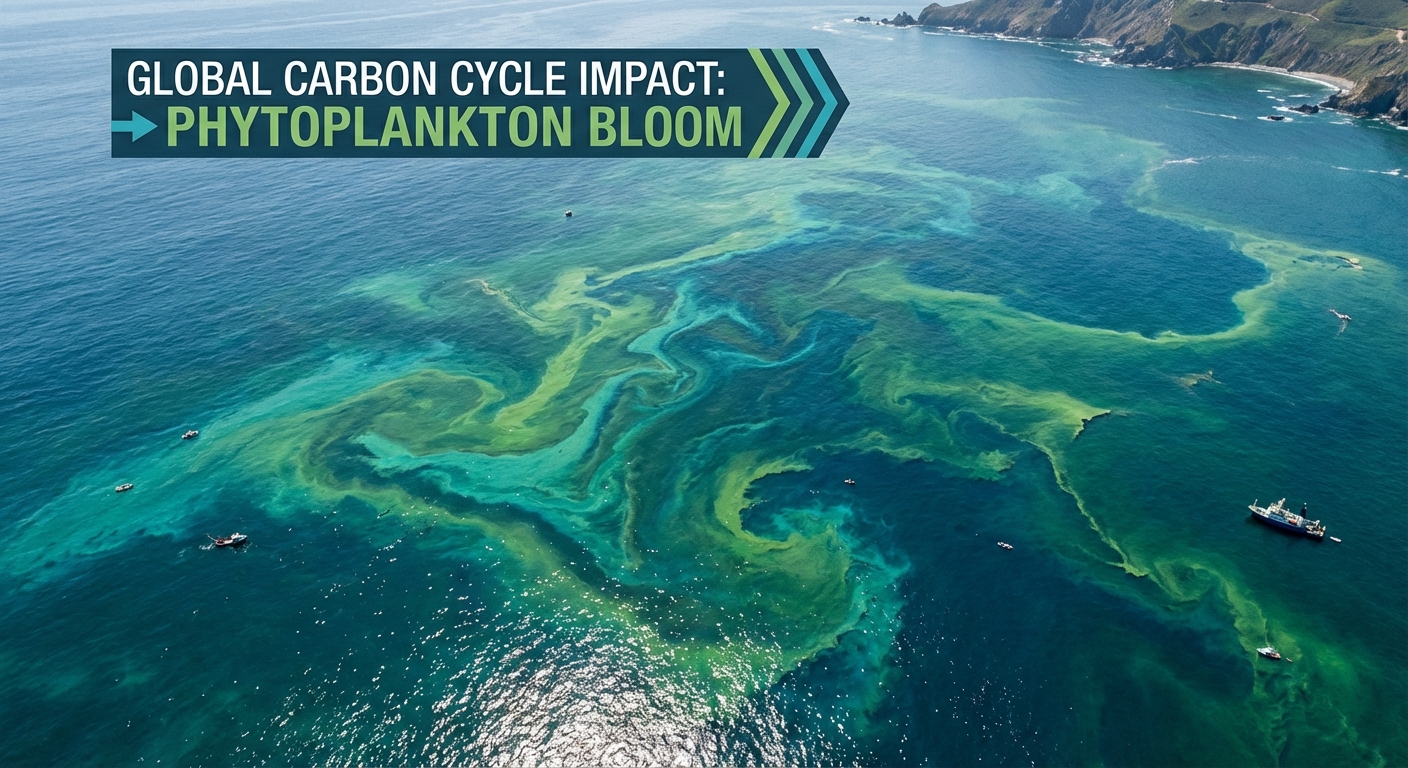
The mechanism works through ocean plankton. As the planet warms, nutrient-rich runoff from land increases, flowing into oceans and fueling massive blooms of phytoplankton. When these organisms die, they sink and bury enormous quantities of carbon in ocean sediments, effectively removing it from the atmosphere.
Under normal conditions, this process is self-limiting. But in low-oxygen ocean environments, which become more common as temperatures rise and circulation patterns change, the carbon burial can accelerate beyond what the system would naturally correct. The result is a runaway cooling effect: more warming triggers more carbon burial, which causes cooling, which then continues beyond the original temperature baseline.
The researchers modeled this process and found it could explain several of Earth’s most mysterious ancient ice ages, events that seemed to occur suddenly and drastically in the geological record without obvious triggers. The new model suggests these weren’t random events but potential consequences of warming periods that activated this feedback loop.
Why This Matters for Climate Science
The discovery fills a gap in climate models. Scientists have long understood the broad strokes of how carbon moves between atmosphere, ocean, and land. But explaining certain dramatic historical climate shifts required invoking mechanisms that weren’t fully documented. This study provides a plausible pathway for some of those events.
It also underscores how complex and interconnected climate systems are. A process that seems straightforward, such as warming leading to more biological activity in oceans, can have consequences that reverse the original trend under certain conditions. Climate doesn’t always move in straight lines.
For contemporary climate research, the finding adds another variable to consider when modeling long-term trajectories. Current projections focus on centuries-scale warming from greenhouse gas emissions. This study operates on a different timescale, but it enriches the fundamental science of how carbon cycles work.
What This Doesn’t Mean
The researchers were careful to clarify that this finding doesn’t diminish concerns about current climate change. The feedback mechanism they describe operates over geological time, thousands to millions of years, not the decades-to-centuries timeframe relevant to human civilization.
Modern warming driven by fossil fuel emissions presents immediate challenges: rising seas, extreme weather, ecosystem disruption, and agricultural stress. None of that is altered by the possibility that, hundreds of thousands of years from now, Earth’s climate might swing in a different direction.
The study also doesn’t provide a solution to current warming. Waiting for a natural correction that operates on geological timescales is not a viable climate strategy. The research is about understanding Earth’s history and climate mechanisms, not prescribing policy responses.
Scientific Reception
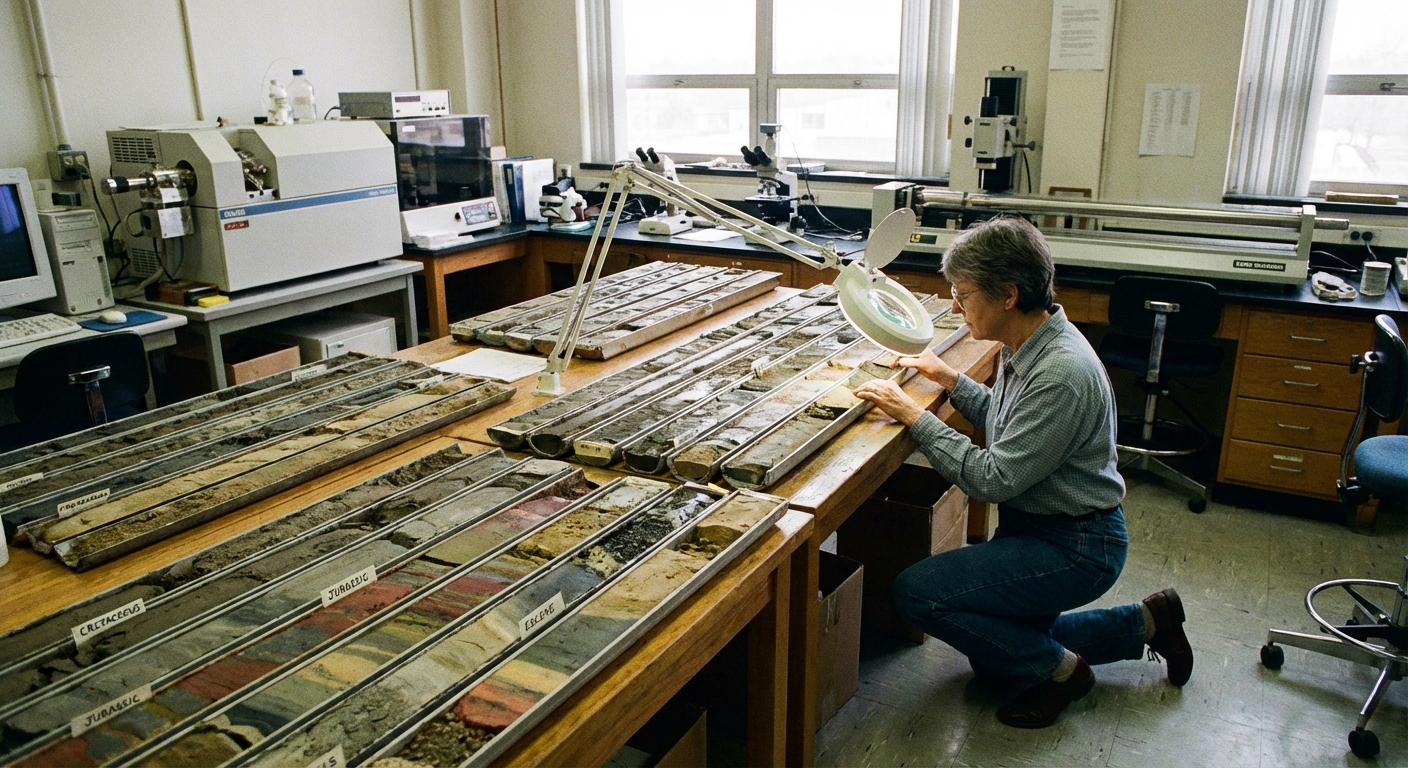
Initial response from the climate science community has been positive but measured. The study presents a novel mechanism supported by modeling, but models require validation against real-world evidence. Researchers will now look for geological signatures that either support or contradict the proposed feedback loop.
If confirmed, the finding would represent a significant advance in understanding Earth’s climate history. It would also add complexity to already challenging climate modeling, requiring scientists to account for feedback mechanisms that can reverse direction under certain conditions.
The Bottom Line
The UC Riverside study reveals a surprising possibility in Earth’s climate system: warming that eventually triggers its own reversal through carbon cycle feedbacks. While this process operates on timescales irrelevant to current climate policy, it deepens our understanding of how the planet’s climate has shifted dramatically throughout history. For the present moment, the implications are scientific rather than practical. We’re still warming, and the consequences of that warming remain the pressing concern. But for those who study Earth’s long climate story, this research adds an important chapter.